Introduction
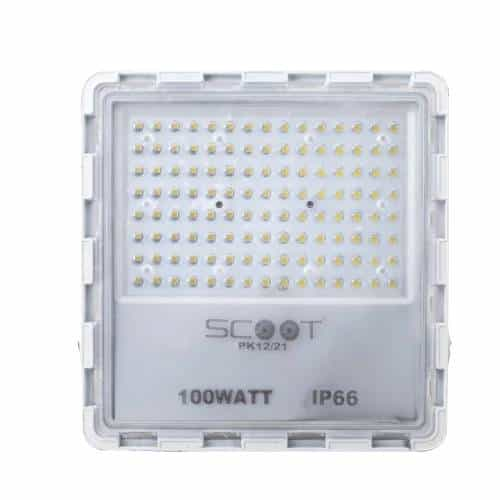
LED flood light is a high-performance lighting solution designed to provide powerful and wide-area illumination for residential, commercial, industrial, and outdoor environments. Unlike conventional lighting fixtures that may consume more electricity and require frequent replacement, modern LED technology offers efficient illumination, long operating life, low maintenance, and excellent lighting performance. These lights are commonly used in factories, warehouses, parking areas, construction sites, sports grounds, gardens, building exteriors, roads, security areas, and large commercial properties.
With the increasing demand for energy-efficient lighting solutions, LED flood lights have become an important choice for applications where large areas need consistent and reliable illumination. They are available in different wattages, lumen outputs, beam angles, color temperatures, sizes, and protection ratings. This flexibility makes it possible to select a suitable LED flood light according to the size of the area, installation height, environmental conditions, and required brightness.
What Is an LED Flood Light?
An LED flood light is an artificial lighting fixture that uses Light Emitting Diodes to produce a strong and broad beam of light. The word "flood" refers to the ability of the fixture to spread light over a comparatively large area rather than concentrating it into a narrow beam.
These lights are particularly useful where conventional bulbs or small lighting fixtures cannot provide sufficient coverage. A properly positioned flood light can illuminate a large outdoor space using fewer fixtures while maintaining suitable visibility.
LED flood lights are available for both small and large applications. Compact models can be installed around homes, shops, gardens, and entrances, while high-output models can be used for factories, warehouses, stadiums, construction sites, parking facilities, and industrial compounds.
How LED Flood Light Technology Works
The working principle of an LED flood light is based on semiconductor technology. When electrical current passes through an LED semiconductor, it produces visible light. Multiple LED chips are generally combined inside the fixture to achieve the required brightness.
The fixture also contains an electronic driver that regulates the electrical current supplied to the LED chips. A heat sink helps dissipate heat generated during operation, while an optical lens or reflector directs the light toward the required area.
A typical LED flood light therefore consists of several important components, including:
- LED chips for producing light.
- LED driver for regulating electrical power.
- Heat sink for managing operating temperature.
- Optical lens for controlling light distribution.
- Protective housing for protecting internal components.
- Mounting bracket for installation and positioning.
The quality and design of these components influence the overall performance, reliability, efficiency, and expected operating life of the fixture.
Key Characteristics of Modern LED Flood Lights
Modern LED flood lights are designed with several features that make them suitable for demanding lighting applications. Understanding these characteristics can help users select the right product for their requirements.
High Light Output
Flood lights are designed to provide substantial illumination across a large area. The actual amount of light produced is measured in lumens. Higher-lumen fixtures are generally suitable for applications requiring greater illumination, although the required output also depends on mounting height, beam angle, and area size.
Efficient Electrical Operation
LED technology can produce significant illumination while using relatively efficient electrical power. This characteristic makes LED flood lights useful for locations where lights operate for several hours every day.
Long Operating Life
LEDs are solid-state lighting components and do not rely on traditional filaments. Quality LED fixtures are designed for long-term operation, which can reduce the frequency of replacement when compared with certain conventional lighting technologies.
Wide Light Distribution
The optical design of a flood light allows light to spread over a broad area. Different beam angles can be selected according to the desired coverage and mounting arrangement.
Outdoor Protection
Many outdoor LED flood lights are manufactured with protective enclosures and suitable IP ratings. These features can help protect internal components from dust and moisture when the fixture is used within its specified environmental conditions.
Major Benefits of Using LED Flood Lights
1. Improved Energy Efficiency
One of the main reasons businesses and property owners choose LED flood lights is their efficient use of electrical energy. A properly selected LED fixture can provide the required illumination without excessive power consumption.
This can be particularly important in factories, warehouses, parking lots, and commercial properties where outdoor lighting may remain operational for extended periods.
2. Reduced Replacement Requirements
The long operating life of LED technology can reduce the need for frequent lamp replacement. This is particularly beneficial when lights are installed on high poles, building facades, or other difficult-to-access locations.
3. Better Visibility
Properly installed flood lights can improve visibility across large spaces. They can illuminate entrances, pathways, parking areas, loading zones, construction areas, and industrial surroundings.
4. Low Maintenance
LED flood lights generally require limited routine maintenance. Periodic cleaning and inspection can help maintain lighting performance and identify potential issues before they become major problems.
5. Flexible Installation
LED flood lights can be mounted on walls, poles, brackets, ceilings, building structures, and other suitable surfaces. Adjustable brackets allow the direction of illumination to be changed according to the requirements of the installation.
6. Immediate Illumination
LED lighting generally provides illumination quickly after being switched on. This makes flood lights suitable for security lighting, outdoor work areas, entrances, and other locations where immediate visibility is required.
Different Types of LED Flood Lights
LED flood lights are available in various configurations. The right type depends on the application, installation environment, lighting requirement, and available power source.
Standard LED Flood Light
Standard LED flood lights are designed for general-purpose illumination. They can be used for homes, shops, offices, small warehouses, gardens, pathways, and building exteriors.
High-Power LED Flood Light
High-power models are designed to provide greater light output for large areas. They may be used in industrial compounds, large parking areas, warehouses, construction sites, and other locations requiring substantial illumination.
Solar LED Flood Light
Solar LED flood lights combine LED technology with a solar panel and rechargeable battery. During the day, the solar panel can charge the battery, which can then supply power to the light when required. These systems can be useful in locations where conventional electrical wiring is difficult.
Motion Sensor LED Flood Light
Motion sensor flood lights are equipped with sensors that detect movement and activate the light according to configured settings. They are commonly used around entrances, driveways, pathways, garages, and security-sensitive areas.
RGB LED Flood Light
RGB flood lights can produce different colors and are commonly used for decorative applications. They can be installed around buildings, gardens, event spaces, monuments, entertainment areas, and architectural structures.
Applications of LED Flood Lights
Industrial Facilities
Factories and industrial facilities often have large outdoor areas that require reliable lighting. LED flood lights can illuminate factory entrances, loading zones, storage areas, access roads, equipment yards, and surrounding spaces.
Warehouses
Warehouses require sufficient visibility for movement of products, loading operations, and vehicle access. Flood lights can be installed around loading docks, entrances, parking areas, and external storage zones.
Construction Sites
Construction projects may require lighting during early morning, evening, or nighttime operations. Portable and fixed LED flood lights can provide illumination for working areas, equipment zones, access routes, and temporary structures.
Parking Areas
Parking facilities benefit from consistent illumination because vehicles and pedestrians need sufficient visibility. Flood lights can be mounted on poles or nearby structures to illuminate parking spaces and driving routes.
Sports Grounds
Sports facilities often require powerful lighting over large playing areas. Multiple LED flood lights can be positioned around the field or court to provide suitable coverage.
Residential Properties
Homeowners can use LED flood lights for driveways, gardens, garages, terraces, entrances, boundary walls, and outdoor recreational areas. Compact models can provide useful illumination without requiring complicated lighting arrangements.
Security Lighting
LED flood lights are frequently used as part of outdoor security lighting. They can illuminate gates, building entrances, perimeter areas, parking zones, and other locations where improved nighttime visibility is required.
Understanding Wattage and Lumens
Many people select lighting products based only on wattage, but wattage does not directly indicate the total amount of visible light produced. Wattage represents the electrical power consumed by the fixture, whereas lumens indicate the amount of visible light produced.
For this reason, buyers should compare both wattage and lumen output when selecting an LED flood light. A fixture with efficient LED technology may produce substantial illumination without requiring very high electrical power.
The required lumen output depends on factors such as:
- Size of the area.
- Mounting height.
- Distance between the light and target area.
- Required illumination level.
- Beam angle.
- Reflectivity of surrounding surfaces.
- Existing ambient lighting.
Choosing the Correct Beam Angle
The beam angle determines how widely light spreads from the fixture. This is an important consideration when designing an outdoor lighting system.
A wide beam angle can cover a broader area and may be suitable for open parking lots, yards, and large outdoor spaces. A narrower beam can concentrate light over a smaller area and may be useful for highlighting architectural structures or specific zones.
For large installations, beam angle should be considered together with mounting height and fixture spacing to achieve uniform illumination and reduce unnecessary dark areas.
Choosing the Right Color Temperature
Color temperature describes the appearance of white light produced by an LED fixture. Common options include warm white, neutral white, and cool white.
Warm white lighting can provide a softer visual appearance and may be suitable for gardens, residential areas, and decorative applications. Neutral white provides a balanced appearance and can be used in commercial and general outdoor environments. Cool white can provide a brighter and more functional appearance and is often considered for industrial and security applications.
Why IP Rating Matters for Outdoor Lighting
Outdoor flood lights can be exposed to rain, dust, humidity, and changing weather conditions. Therefore, the IP rating of the fixture should be considered before installation.
The IP rating indicates the level of protection provided by the enclosure against solid particles and water under defined testing conditions. A suitable rating should be selected according to the environment in which the fixture will operate.
For example, a flood light installed in a protected outdoor area may have different requirements from a fixture installed in an exposed industrial yard. Always check the manufacturer's specifications before selecting a product.
Installation Guidelines for LED Flood Lights
Correct installation plays an important role in achieving effective lighting performance. The fixture should be mounted securely and positioned so that the light covers the intended area.
Before installation, consider the mounting height, distance from the target area, beam angle, direction of illumination, electrical connection, and environmental exposure.
For outdoor installations, wiring and electrical connections should be adequately protected against environmental conditions. Mounting brackets should be firmly secured to prevent unwanted movement caused by wind or vibration.
Large commercial and industrial installations should be designed and installed by qualified professionals according to applicable electrical and safety requirements.
Maintenance and Care of LED Flood Lights
Although LED flood lights generally require less maintenance than many conventional lighting systems, regular inspection is still beneficial. Dust, dirt, and other contaminants can accumulate on the lens and gradually reduce light output.
Periodic cleaning can help maintain the optical performance of the fixture. The housing, mounting bracket, electrical connections, and cables should also be inspected for visible damage.
If a flood light begins flickering, becomes unusually hot, stops working, or shows signs of electrical damage, it should be inspected by a qualified professional.
Factors That Influence LED Flood Light Performance
The performance of an LED flood light depends on more than the LED chips themselves. Several factors can influence its reliability and operating life.
- LED chip quality: Higher-quality components can contribute to consistent lighting performance.
- Driver quality: A reliable driver helps provide appropriate electrical regulation.
- Thermal management: Effective heat dissipation helps control operating temperatures.
- Housing design: A suitable enclosure protects internal components.
- Optical design: Lens and reflector design affects light distribution.
- Installation conditions: Temperature, dust, moisture, and mounting position can affect performance.
- Power quality: Stable electrical supply supports appropriate operation.
LED Flood Light for Commercial and Industrial Lighting
Commercial and industrial properties often require lighting that can operate for long periods while maintaining consistent illumination. LED flood lights can be used around warehouses, factories, logistics centers, parking facilities, workshops, and commercial buildings.
For large installations, lighting design should consider the complete area rather than simply installing the highest-powered fixture available. Proper fixture spacing, mounting height, beam angle, and lumen output can help achieve more uniform lighting.
Businesses should also consider operating hours and maintenance accessibility when evaluating an LED lighting system. A lighting solution that balances illumination, energy consumption, installation requirements, and maintenance can be more practical for long-term use.
How to Select an LED Flood Light for Your Requirement
Before purchasing an LED flood light, identify the purpose and environment of the installation. Start by determining the size of the area that needs illumination and the desired brightness.
Next, consider the mounting height and required beam angle. After that, select an appropriate lumen output, wattage, color temperature, and IP rating. The quality of the LED driver, heat sink, housing, and mounting bracket should also be considered.
For demanding environments such as factories, construction sites, and exposed outdoor areas, it is particularly important to select a fixture designed for the relevant environmental conditions.
Common Mistakes to Avoid When Buying LED Flood Lights
Choosing a flood light only by its wattage is one of the most common mistakes. Buyers should also consider lumen output, beam angle, IP rating, color temperature, mounting height, and operating environment.
Another mistake is selecting a fixture without considering how the light will be distributed. A very powerful fixture may still provide poor coverage if the beam angle and installation position are inappropriate.
It is also important not to ignore thermal management and driver quality. These components can influence the long-term performance of the lighting system.
FAQs About LED Flood Lights
1. What is an LED flood light?
Answer: An LED flood light is a high-intensity lighting fixture designed to illuminate a large area with a broad beam of light.
2. What are LED flood lights used for?
Answer: They are used for factories, warehouses, parking areas, construction sites, sports grounds, gardens, buildings, and security lighting.
3. Are LED flood lights energy efficient?
Answer: Yes, LED flood lights can provide high illumination with efficient electrical power consumption.
4. What does lumen mean in an LED flood light?
Answer: Lumens indicate the amount of visible light produced by the LED flood light.
5. What wattage LED flood light should I buy?
Answer: The appropriate wattage depends on the area size, required brightness, mounting height, beam angle, and application.
6. Can LED flood lights be installed outdoors?
Answer: Yes, LED flood lights with suitable environmental protection ratings can be installed outdoors.
7. What is the purpose of the beam angle?
Answer: The beam angle determines how widely the light spreads from the fixture.
8. What is the IP rating of an LED flood light?
Answer: The IP rating indicates the enclosure's protection against solid particles and water under defined testing conditions.
9. Are LED flood lights suitable for factories?
Answer: Yes, suitable high-output LED flood lights can be used around factories, loading zones, storage areas, and industrial compounds.
10. Can LED flood lights be used for security?
Answer: Yes, they can provide illumination around entrances, gates, parking areas, pathways, and property boundaries.
11. Do LED flood lights require maintenance?
Answer: They generally require limited maintenance, although periodic cleaning and inspection are recommended.
12. Can LED flood lights be used with motion sensors?
Answer: Yes, compatible LED flood lights can be integrated with motion sensors for automatic lighting control.
13. What color temperature is suitable for outdoor lighting?
Answer: The suitable color temperature depends on the desired appearance and specific application of the outdoor lighting.
14. What is the difference between watt and lumen?
Answer: Watt measures electrical power consumption, while lumen measures visible light output.
15. Are solar LED flood lights available?
Answer: Yes, solar LED flood lights are available with solar panels and rechargeable batteries for suitable outdoor applications.
Conclusion
LED flood lights offer a versatile and efficient way to illuminate residential, commercial, industrial, and outdoor spaces. Their high light output, efficient operation, long operating life, flexible mounting options, and availability in different configurations make them suitable for applications ranging from home gardens and entrances to factories, warehouses, parking facilities, construction sites, and sports grounds.
When selecting an LED flood light, users should consider more than just wattage. Lumen output, beam angle, color temperature, IP rating, mounting height, driver quality, thermal management, and environmental conditions all play an important role in determining the suitability of a fixture. By choosing the correct specifications and following proper installation and maintenance practices, an LED flood lighting system can provide dependable and effective illumination for a wide range of applications.