Bollard Lights: A Practical Guide to Lighting Gardens, Pathways and Driveways
Most outdoor lighting is built to be seen from far away. Bollard lights are different. They are built to be felt up close: a soft glow at knee height that tells you where the path turns, where the lawn ends and where the gate begins.
That is why architects, landscape designers and society managers keep choosing them. A tall pole lights the whole area, but a bollard light lights the next few steps, and that is often exactly what people need.
At NHB Lighting Poles, we make bollard lights, garden pole lights and street light poles in Loni, Ghaziabad, and supply them to homes, resorts, farmhouses, housing societies and industrial campuses across Delhi NCR. This guide helps you understand what to look for before you buy.
What Makes a Bollard Light Different?
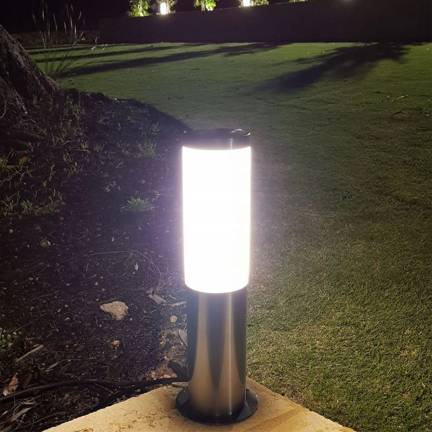
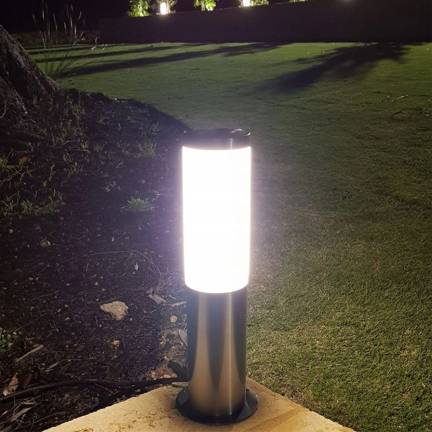
A bollard light is a short outdoor light fixed to the ground, usually between 300 mm and 900 mm tall. The light source sits near the top of the post behind a shield or diffuser, so the beam falls downward and outward instead of shooting into people's eyes.
The word "bollard" originally meant a short post used to guard an edge on a road or a dock. Bollard lights keep that job of marking boundaries and add light on top of it. This is also why they are placed along paths, lawn borders, gates and parking lines rather than in the middle of open spaces.
Benefits of Bollard Lights
Light where it is needed. Because the fixture is low, the light stays near the ground and lands on the path, the steps or the edge, with very little wasted upward.
Low glare. A shielded bollard is comfortable to walk past, which is why it is a favourite in hotels, hospitals, schools and residential societies, where bright pole lights can disturb people.
Safer movement at night. Clear edges and visible steps reduce trips and falls, and a lit boundary also discourages people from walking over flower beds and lawns.
Guidance for vehicles. Along driveways and parking bays, bollards show drivers where the lane ends, and sturdy metal ones can also act as a visual barrier.
Quick to fit. There is no tall pole, no crane and no deep foundation, so a bollard layout can be completed in a short time.
Better look for the property. A row of neat bollards gives a finished, planned appearance to an entrance or a garden, and it adds to the overall value of the place.
Low running cost. With LED fixtures, the power use is small, so lighting a long pathway does not mean a heavy electricity bill.
Where Bollard Lights Work Best
Instead of thinking about the product first, think about the place. Here is how bollards usually get used.
Home gardens and lawns. Along the edge of the lawn or beside flower beds, a short bollard of around 450 to 600 mm with warm light creates a calm evening mood. Wattage of 7 to 12W is usually enough.
Walkways and jogging tracks. Society parks and campus paths need clear footing. Bollards of 600 to 800 mm, placed along one side or in a zig-zag pattern, light the surface without lighting up the neighbours' windows.
Driveways and gates. A slightly taller and tougher bollard, around 600 to 900 mm in metal, marks the lane and the gate line. Keep it a safe distance from the wheel path.
Parking areas and entrances. Here, visibility matters more than mood. Taller bollards with a brighter, cooler light make people, steps and obstacles easy to see.
Hotels, resorts and farmhouses. In these places, the bollard itself becomes part of the design. Decorative shapes and a smart finish make the entrance look premium.
Factories and warehouses. Along walkways between sheds and near loading areas, bollards guide staff safely after dark and mark foot paths clearly.
Design Styles and Shapes
Bollard lights come in a range of looks, and the right one depends on the setting.
- Round bollards: The most common shape. Clean, simple and a good match for almost any garden or path.
- Square and rectangular bollards: A sharper, modern look that suits offices, commercial buildings and contemporary homes.
- Decorative and petal-style bollards: Curved or patterned bodies, popular at resorts, banquet lawns and heritage-style properties.
- 360-degree bollards: Light spreads all around. Good for open lawns and wide paths.
- Single-direction bollards: Light is thrown one way, which is useful along walls, boundaries and narrow paths where you do not want light spilling outside.
Whichever style you choose, keep the same look across the whole project so the lighting feels planned and not mixed up.
Material Matters More Than You Think
A bollard stands outdoors in sun, rain and dust every single day, so its body decides how long it will last.
- Aluminium is light and rust-free, and it is the most popular pick for gardens, paths and rainy areas.
- Iron or mild steel is strong and budget-friendly, but it needs a good paint or powder-coat finish to stay rust-free.
- Stainless steel looks neat and modern and resists corrosion, so it is often used at gates and shop fronts.
- FRP (fibreglass) does not rust and comes in decorative shapes, which suits damp or coastal places.
- Cast iron is heavy and traditional, a good match for old-style gardens and large estates.
For most gardens and walkways, aluminium is a safe all-round choice. Near driveways, where a bump is possible, a thicker metal body is the better option.
Light Output, Colour and Beam
Wattage and brightness. More watts do not always mean a better result. A garden needs gentle light, while a parking entrance needs much more. As a rough range, 7 to 12W suits gardens and paths, and 12 to 25W suits driveways, parking and commercial areas.
Colour temperature. Warm white (around 3000K) feels soft and welcoming, which suits gardens, hotels and homes. Neutral to cool white (4000K and above) looks sharper and works better where security and visibility matter, such as gates and parking areas. Do not mix the two in one project, or the area will look patchy.
Beam direction. Decide whether you want light all around or in one direction. Pathways usually need an even spread, while a boundary wall needs light facing inward.
Weather protection. Look for a good IP rating, and IP65 is common for outdoor use, so rain and dust do not get inside.
Spacing and Layout Tips
Spacing depends on the height, the wattage and how widely the light spreads, so there is no single number. As a rough guide, bollards on a pathway are often placed about 3 to 5 metres apart.
A simple test works well on site: stand next to one bollard after dark. You should be able to see the next one clearly, and the path between them should not feel dark. If there is a dark gap, bring them closer. If the light looks too bright and overlapping, spread them out.
Keep the layout simple, with equal gaps, the same height and the same colour of light all along the route.
Quality Checklist Before You Buy
- Body thickness: A thin body dents and bends easily, especially near vehicles.
- Finish: Powder coating or anodising lasts much longer than plain paint.
- Light shielding: The light should face down and outward, with no glare in the eyes.
- Base plate: A firm base with proper bolt holes keeps the bollard from tilting.
- Cable entry: A sealed entry keeps water out of the wiring.
- Matching sets: If you are ordering many pieces, confirm that every piece comes in the same size, finish and shade.
- Custom options: If you need a special height or shape, ask whether the manufacturer can make it.
Mistakes That Spoil a Good Lighting Plan
- Picking bollards that are too bright for a garden, which ruins the calm look.
- Placing bollards too close to the vehicle path on a driveway.
- Mixing warm and cool light in the same area.
- Using indoor-grade fixtures outdoors.
- Skipping a proper base, which leads to tilted bollards within one season.
- Spacing lights unevenly, so some spots look bright and others look dark.
Care and Upkeep
Bollard lights need very little attention. Wipe the glass or diffuser every few months, because dust cuts down the light. Before every monsoon, check for loose bolts, water marks inside the fixture and any damage near the cable entry. Touch up scratches in the paint quickly so rust does not start. A short seasonal check is usually enough to keep the lights working well for years.
Why Choose NHB Lighting Poles for Bollard Lights?
- Manufacturing based in Loni, Ghaziabad, so delivery across Delhi NCR is quick
- Bollard lights, garden pole lights, street light poles and decorative poles from one supplier
- Custom heights, shapes and finishes for project needs
- Direct manufacturer pricing for bulk and project orders
- Layout and spacing guidance before you order
Frequently Asked Questions
What is the best height for a bollard light?
For gardens and pathways, 600 mm is the most common. Use around 450 mm for lawn edges and 800 to 900 mm for driveways and parking areas.
Which bollard light is best for a garden?
Aluminium bollards with a warm white LED, around 7 to 12W, suit most gardens.
How many bollard lights do I need for a pathway?
It depends on the length and the light spread. As a rough guide, one bollard every 3 to 5 metres is a good starting point.
Are bollard lights waterproof?
Good outdoor bollard lights are built to resist rain and dust, but always check the IP rating before buying.
Can bollard lights be made in custom sizes?
Yes. Height, shape, material and finish can be made as per project needs.
Which colour of light is better, warm or cool?
Warm white suits gardens, homes and hotels. Cool white suits gates, parking areas and places where visibility is the priority.
How can I get a quote for bollard lights?
Share the quantity, preferred height and the place of use, and we will send a quotation.
Conclusion
Bollard lights may be small, but they do a lot of work. They make paths safer, guide people and vehicles, and give gardens and entrances a finished look without the glare of tall lights. The best results come from planning by place: decide what each area needs, then choose the height, material, colour and spacing to match.
For gardens and pathways, aluminium bollards with warm LED light are a dependable choice. For driveways and parking areas, a sturdier body and a slightly stronger light work better. Whatever you pick, check the finish, the base and the cable entry before you buy, and keep the spacing even so the light feels smooth along the whole route.