Introduction
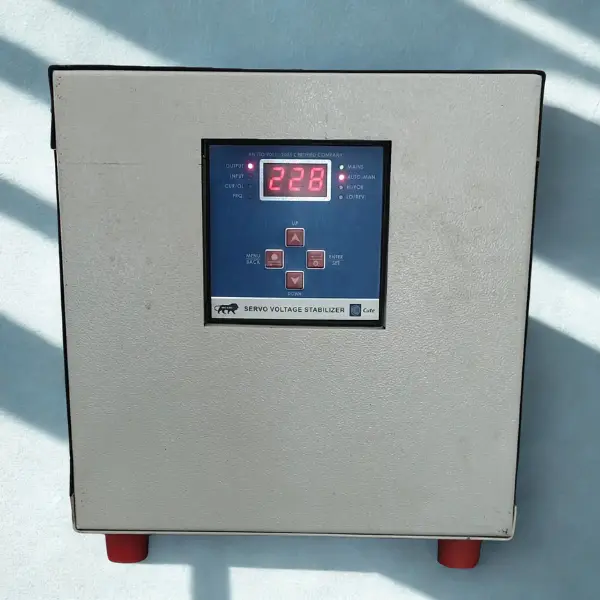
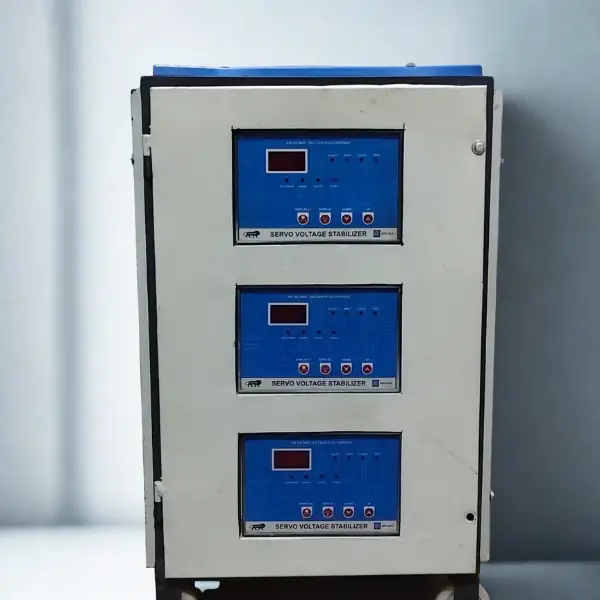
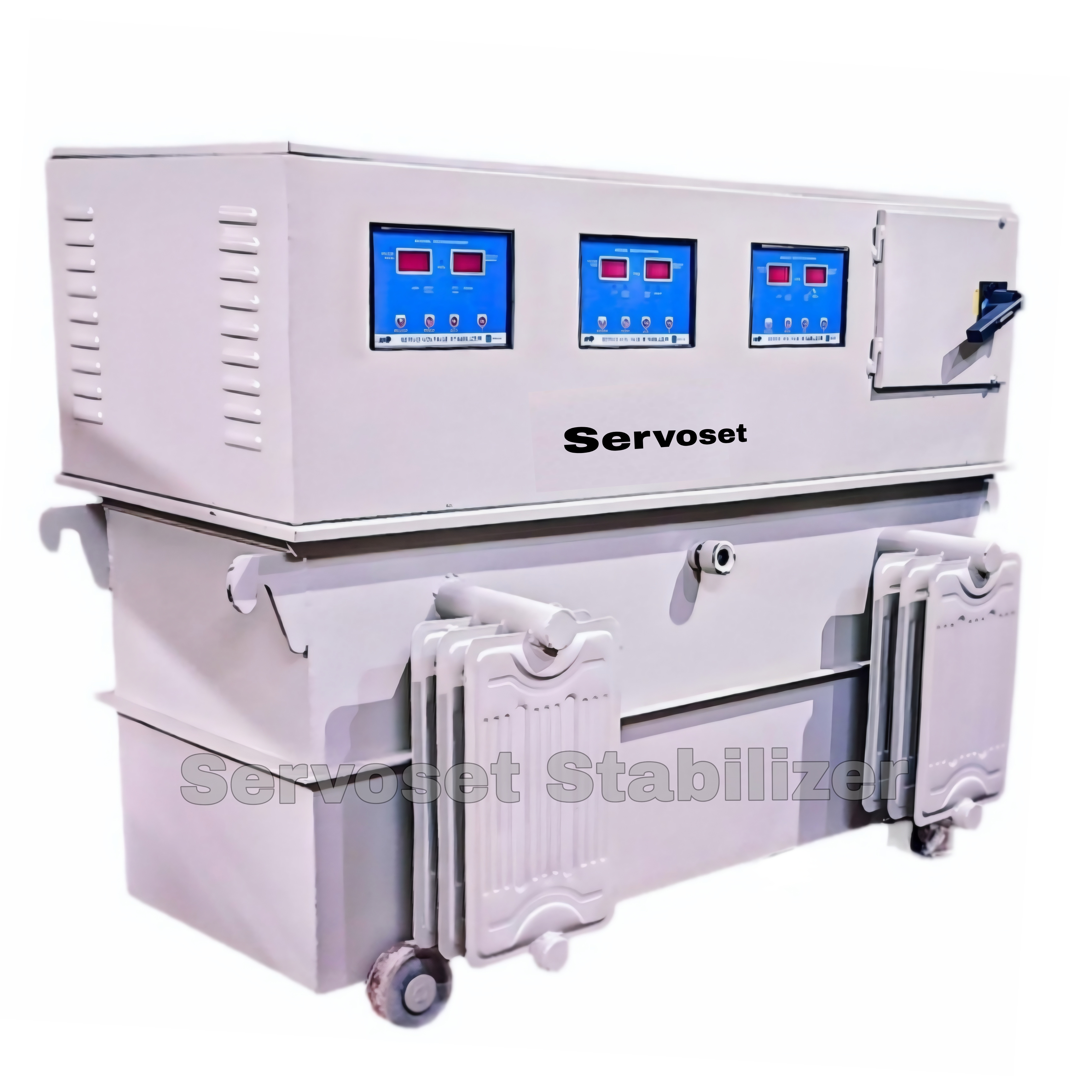
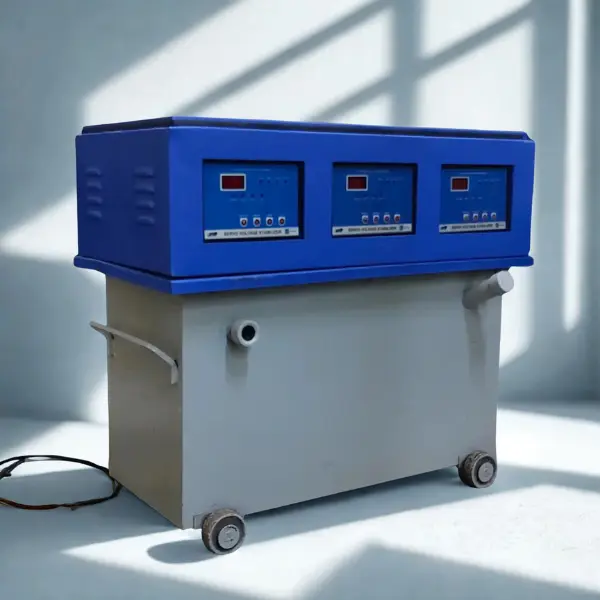
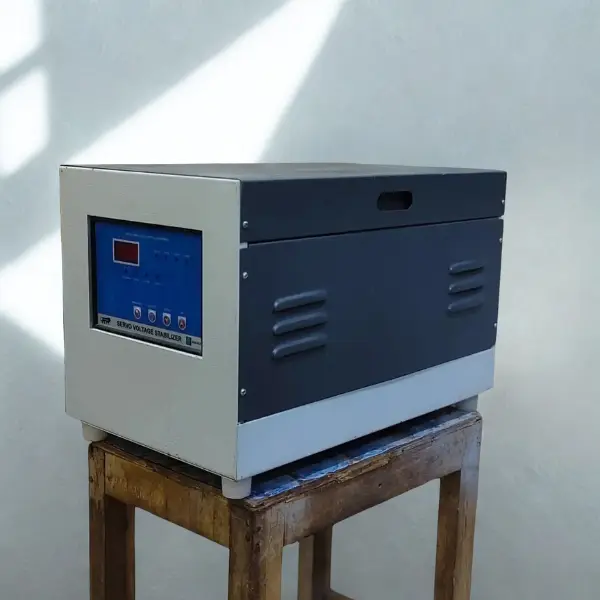
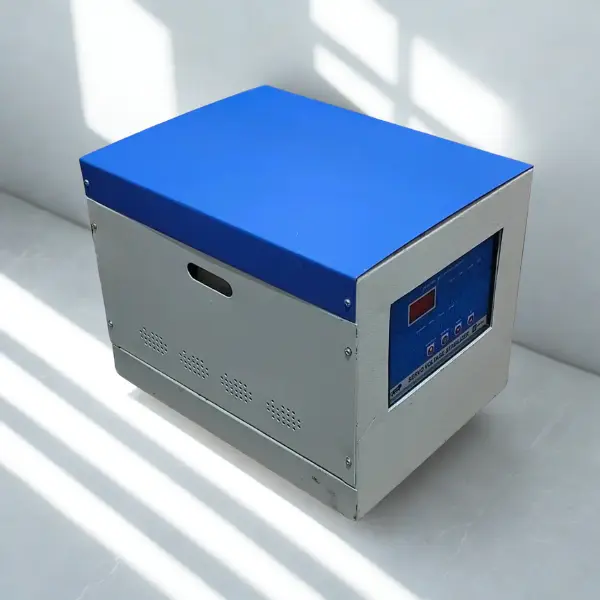
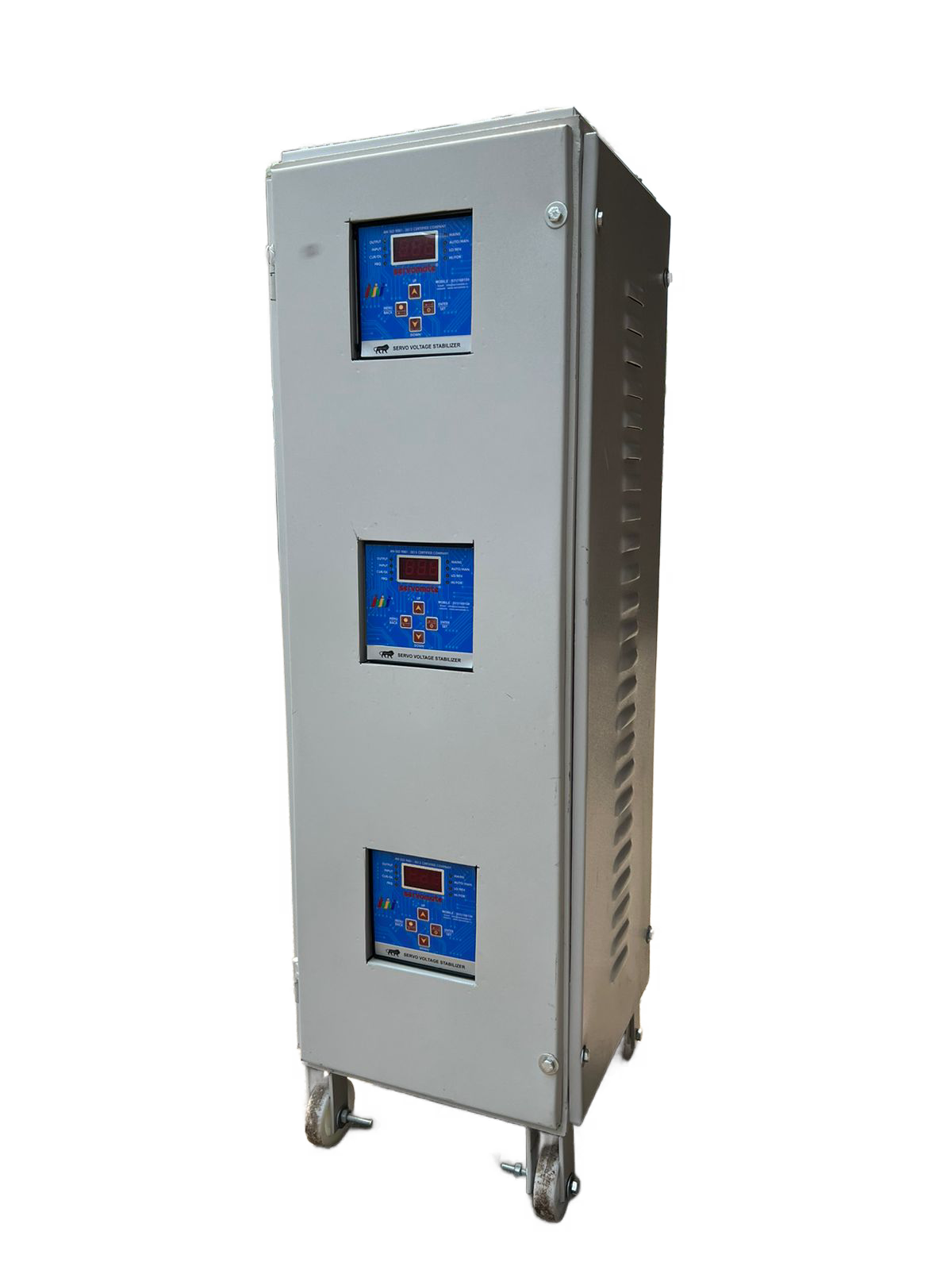
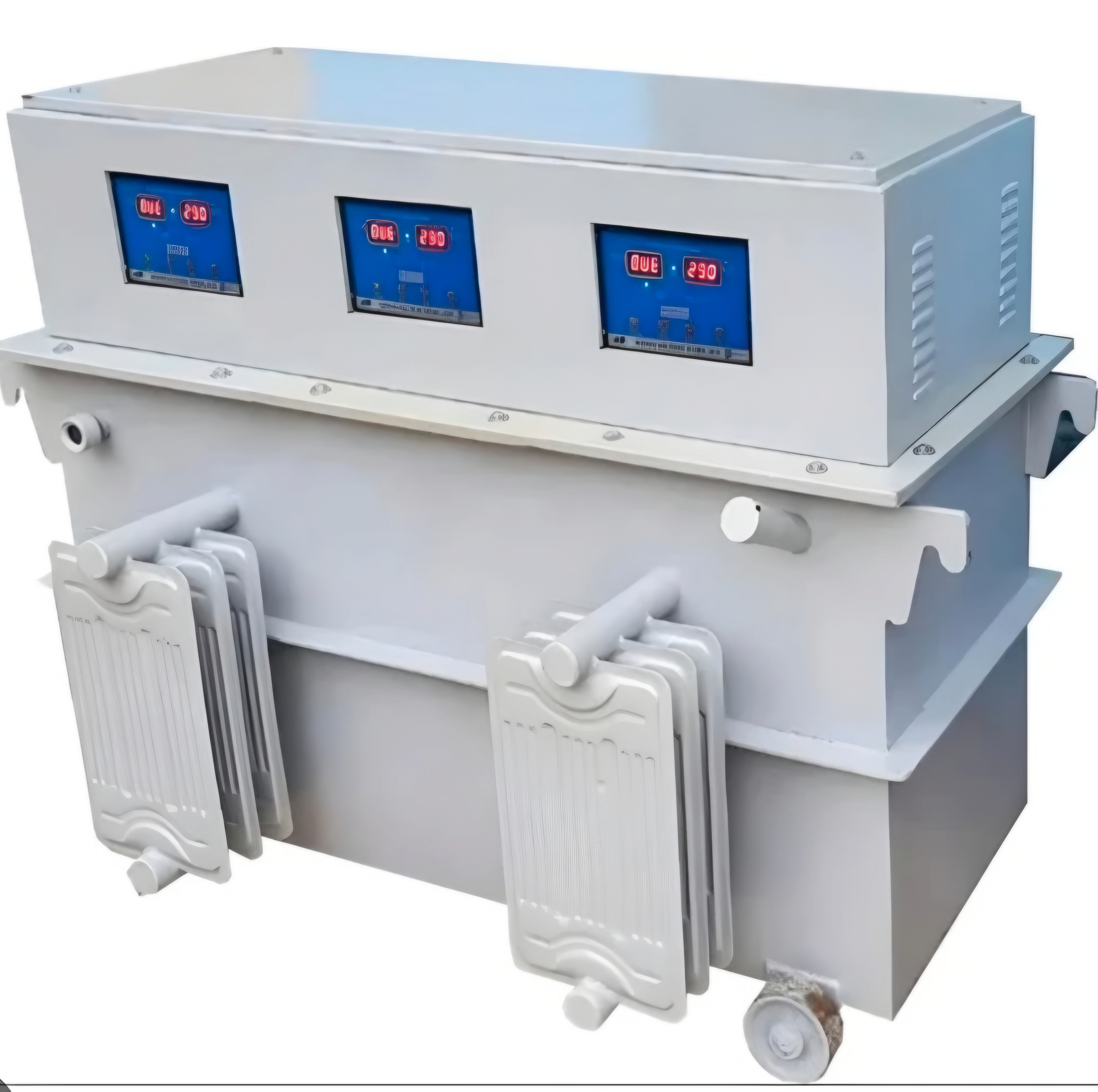
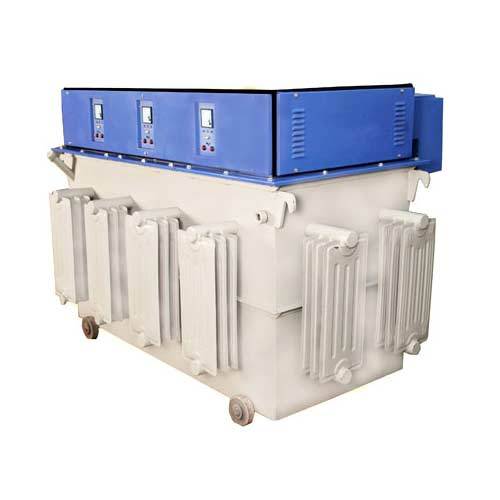
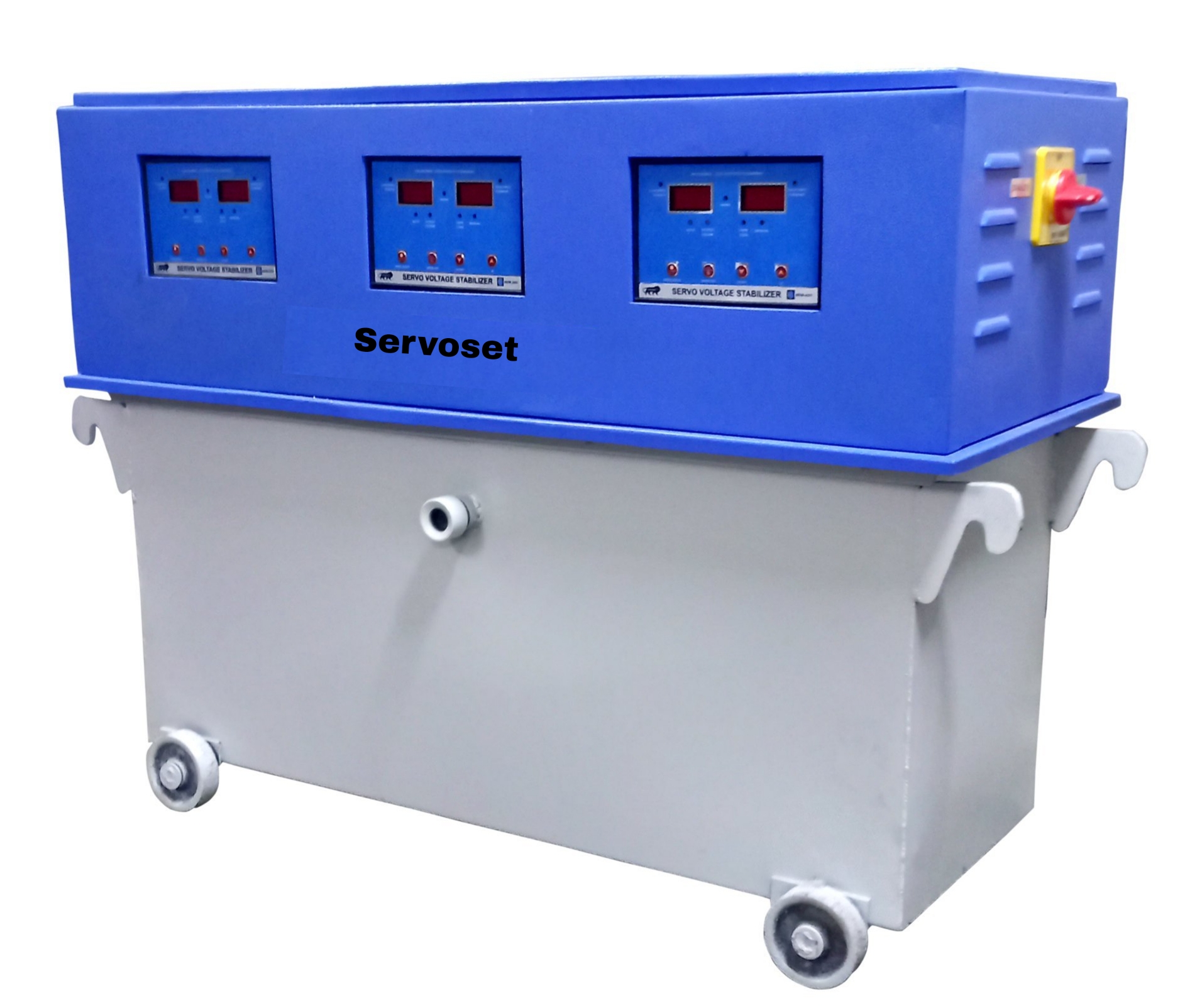
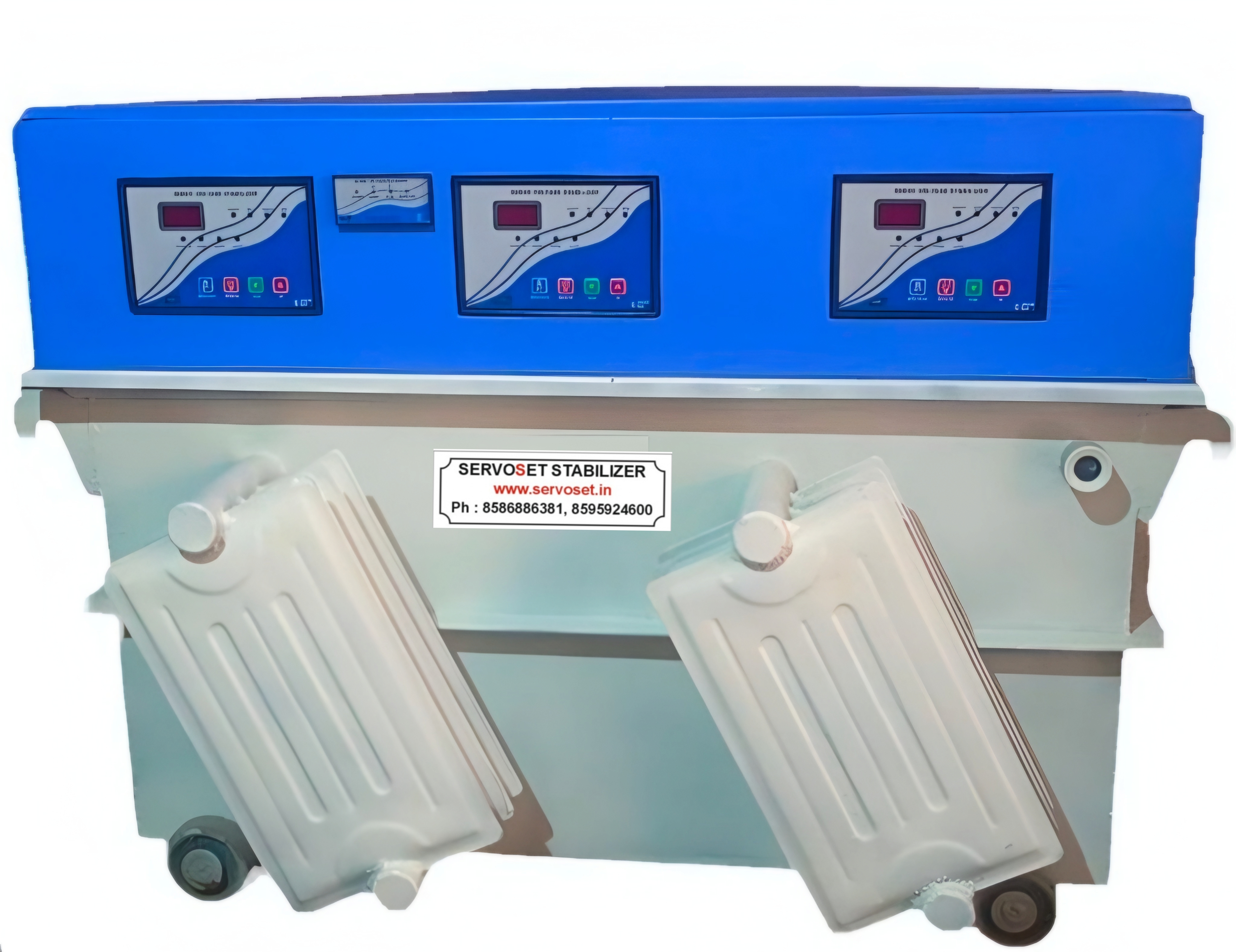
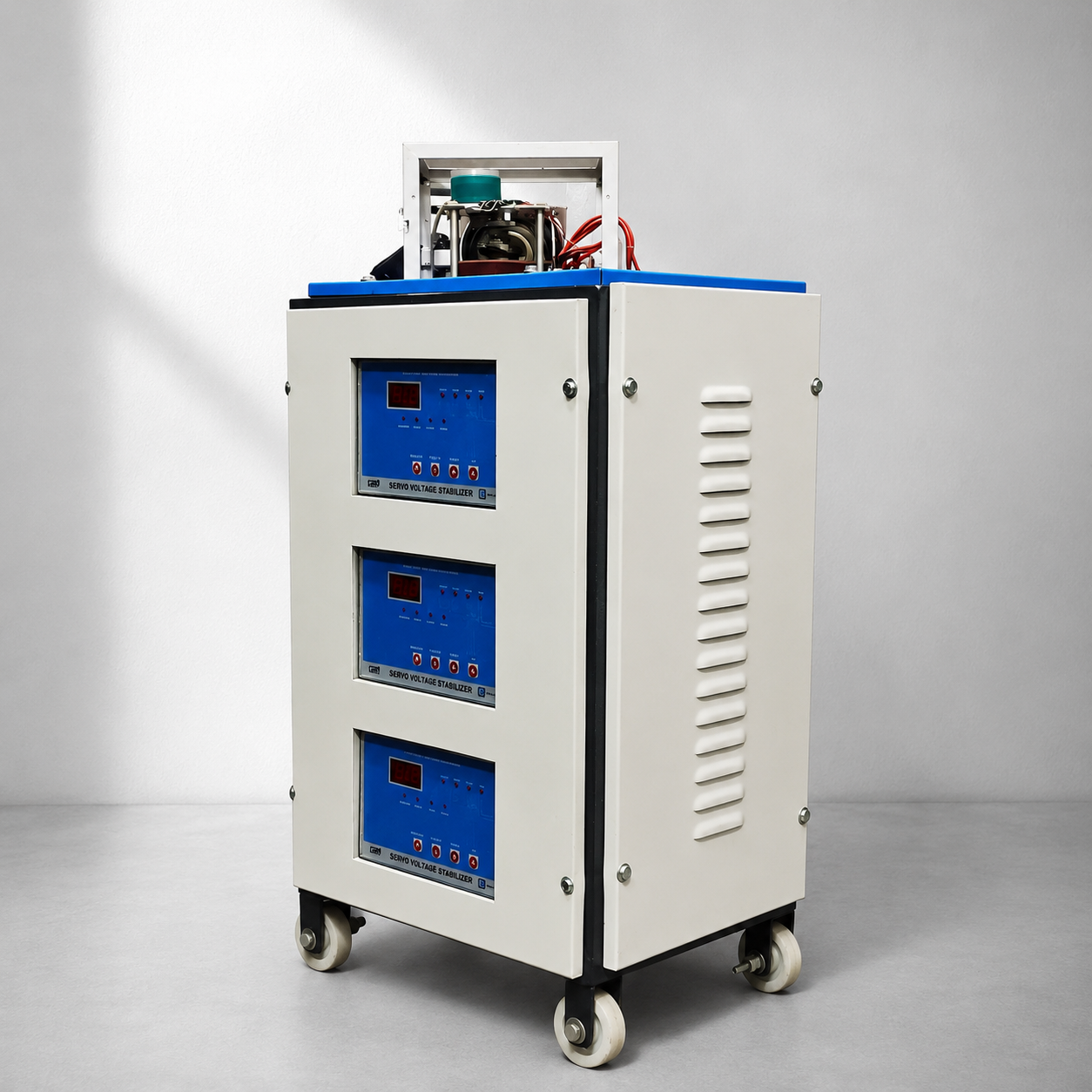
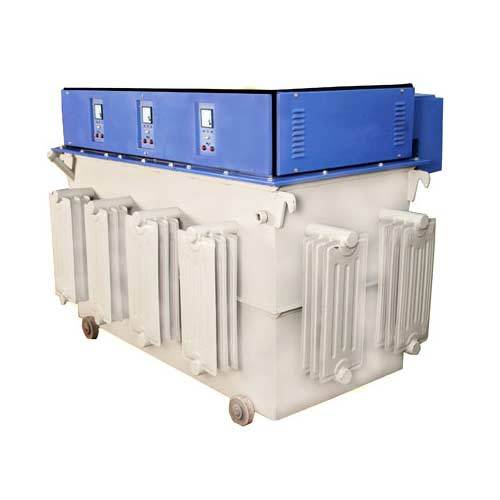
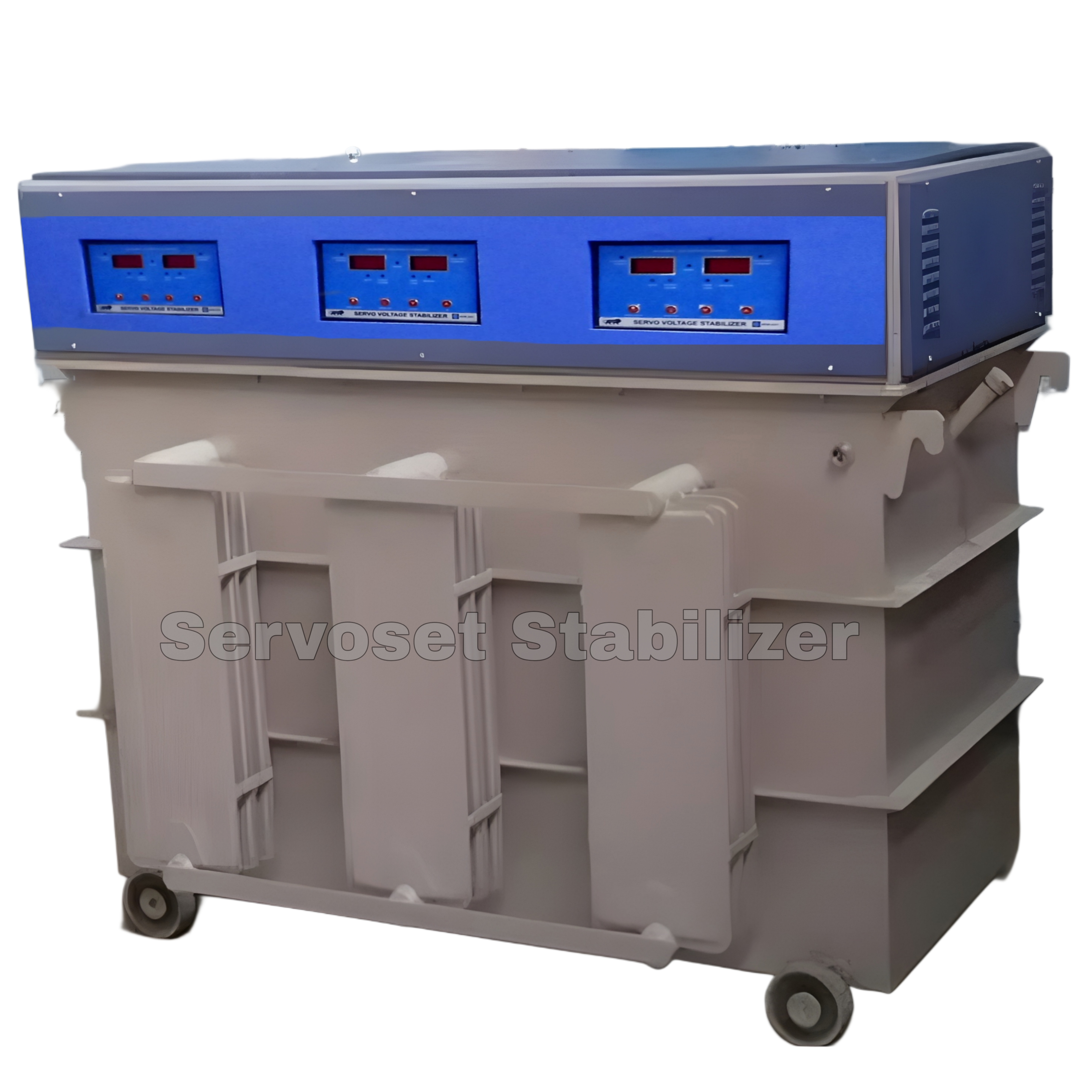
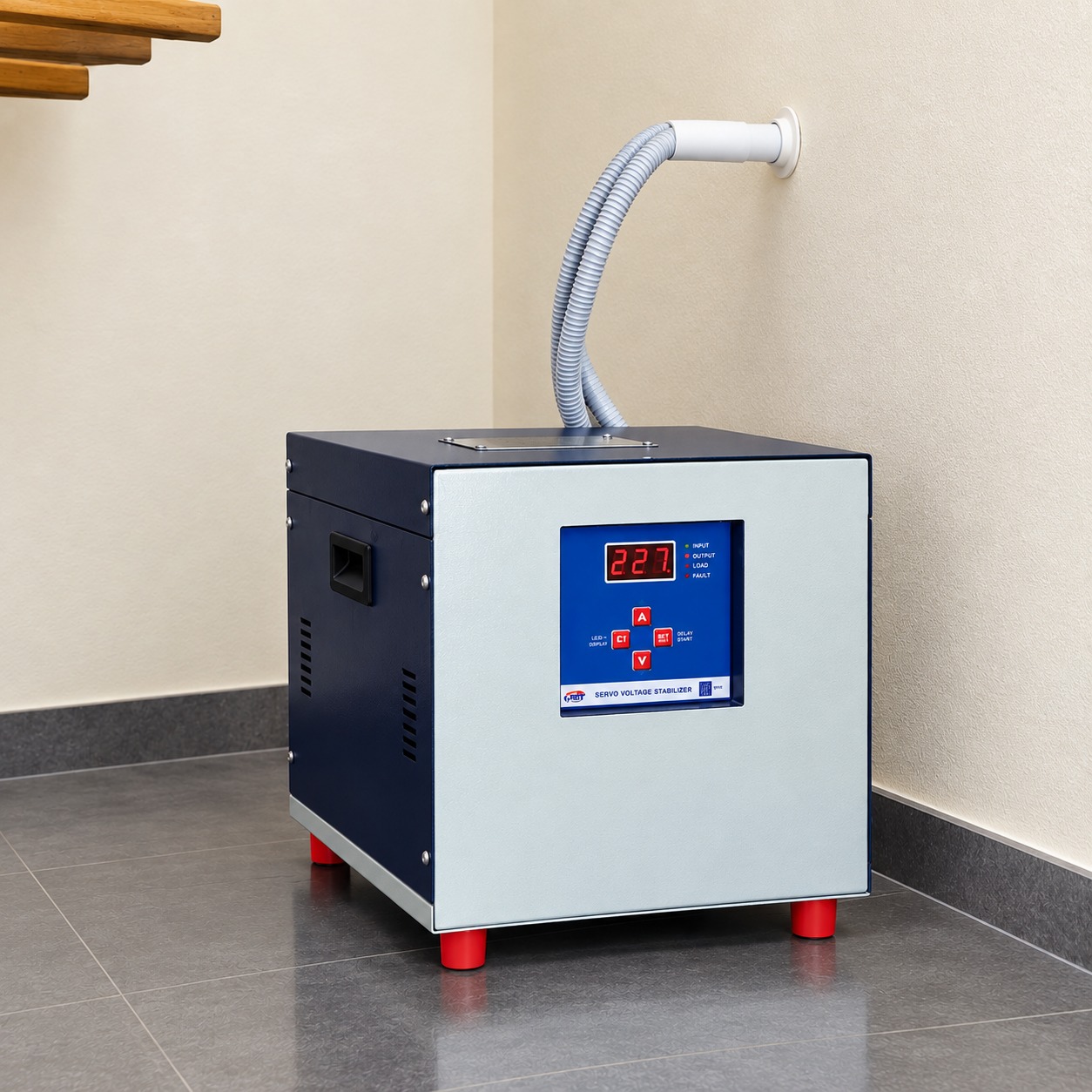
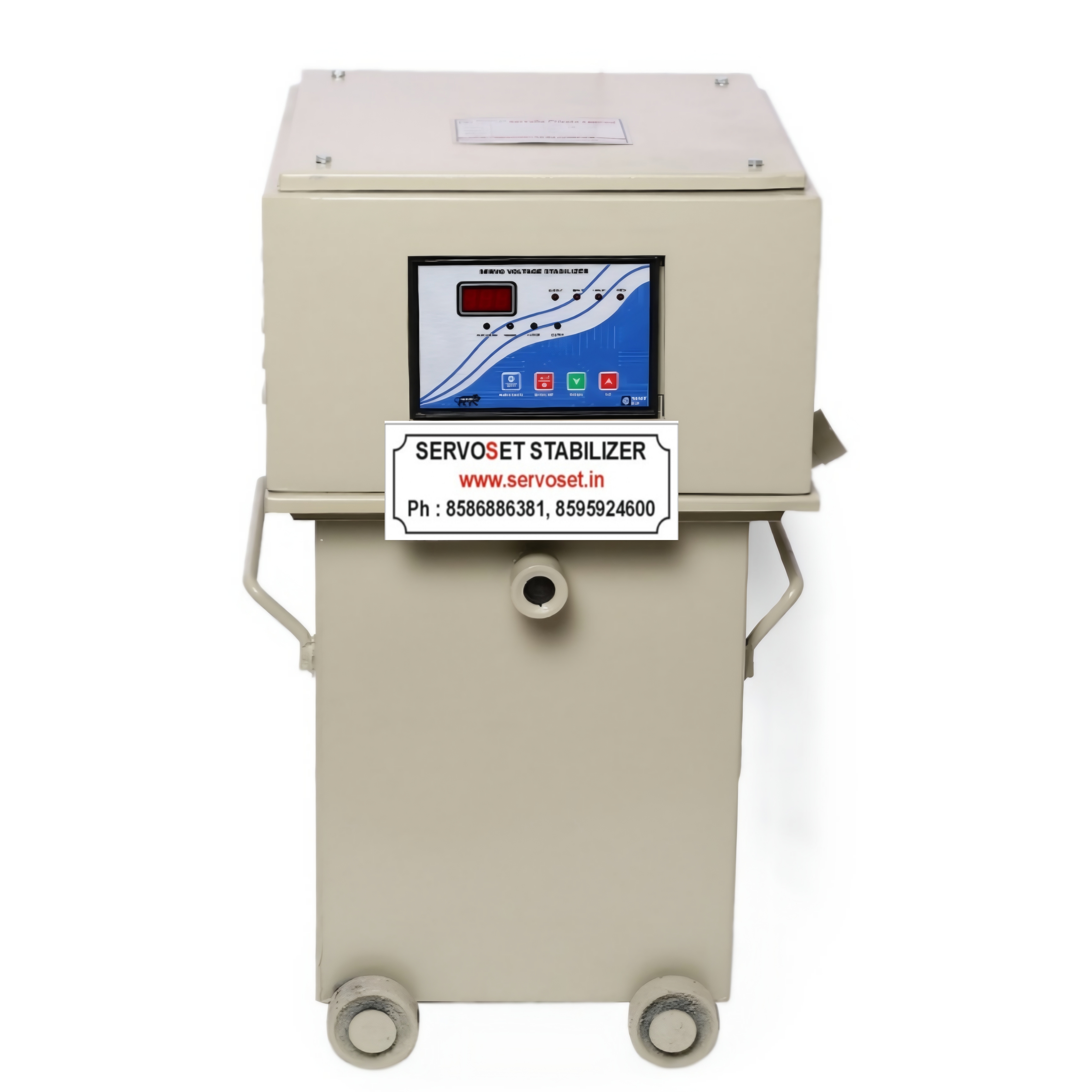
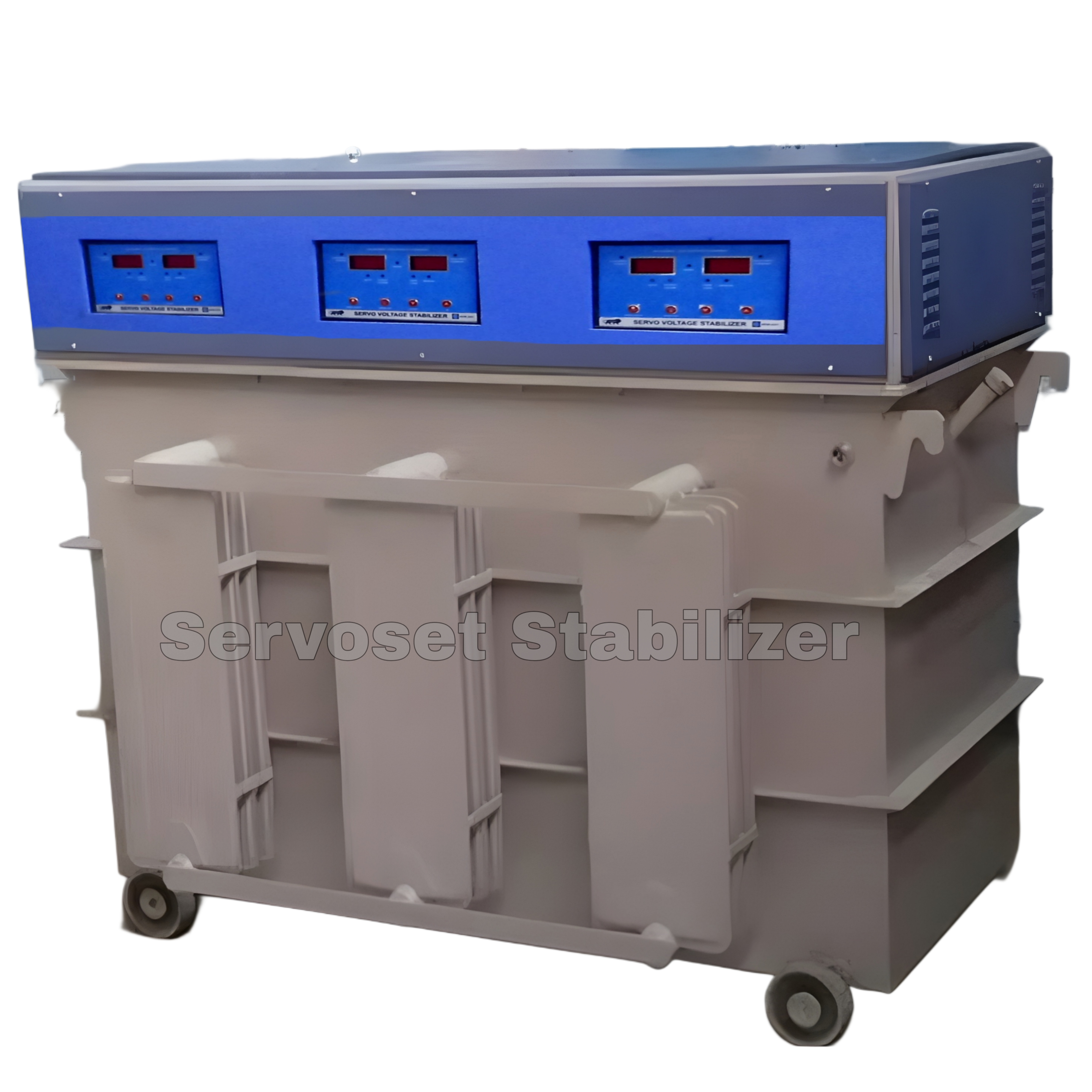
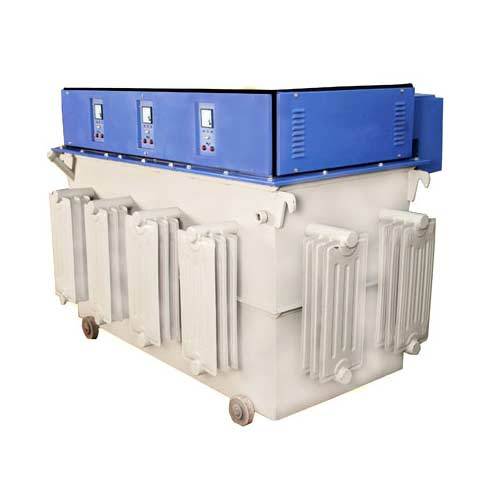
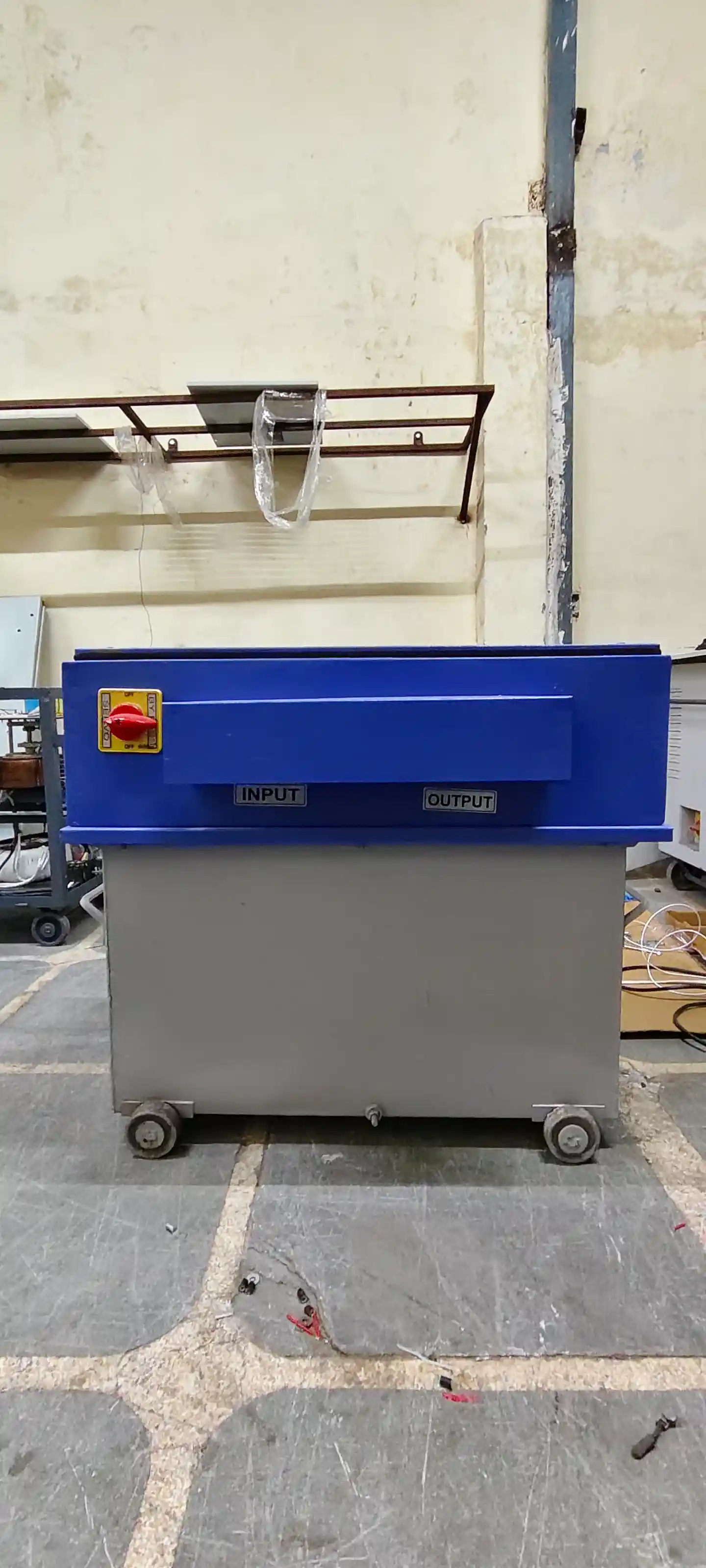
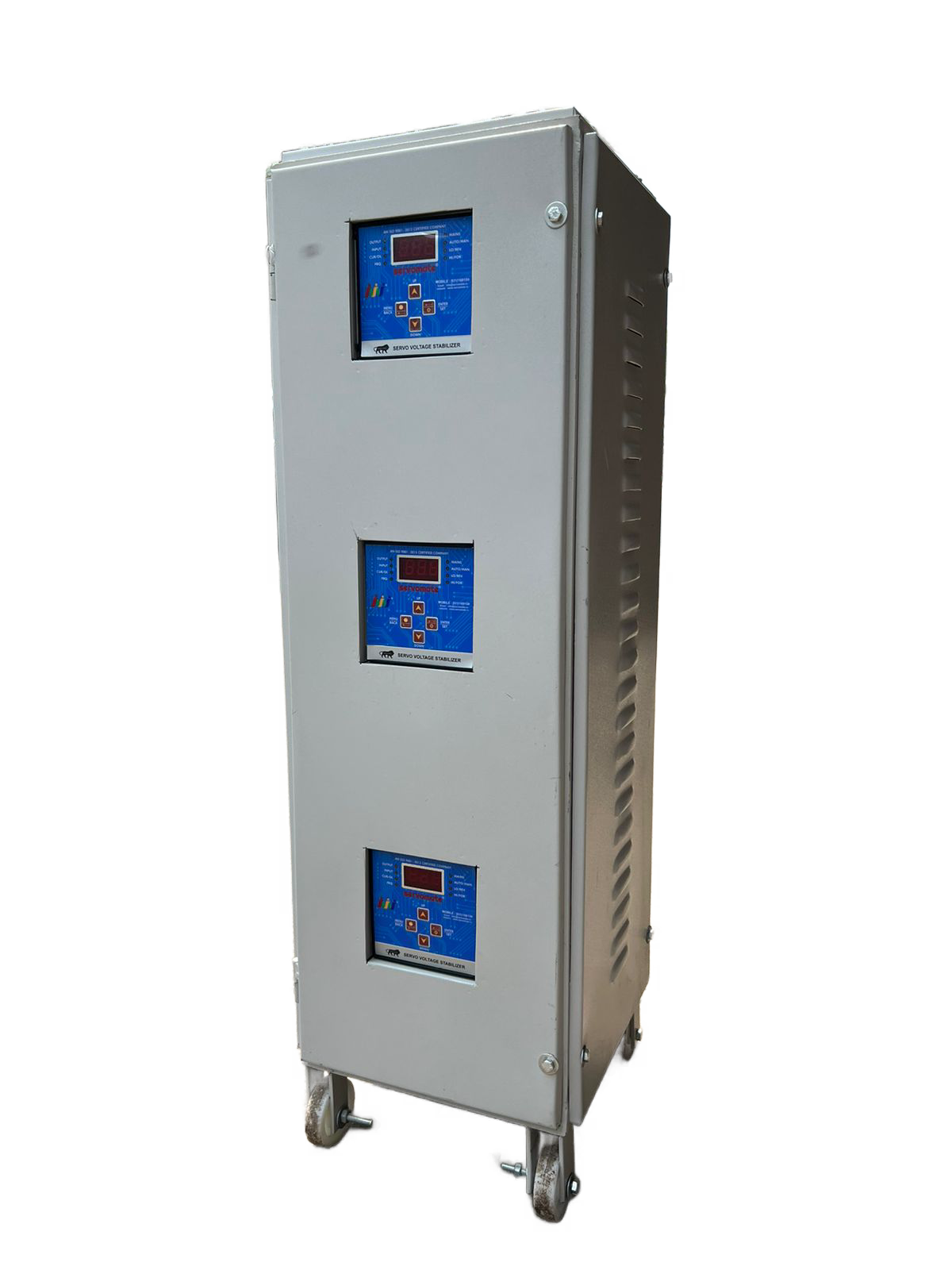
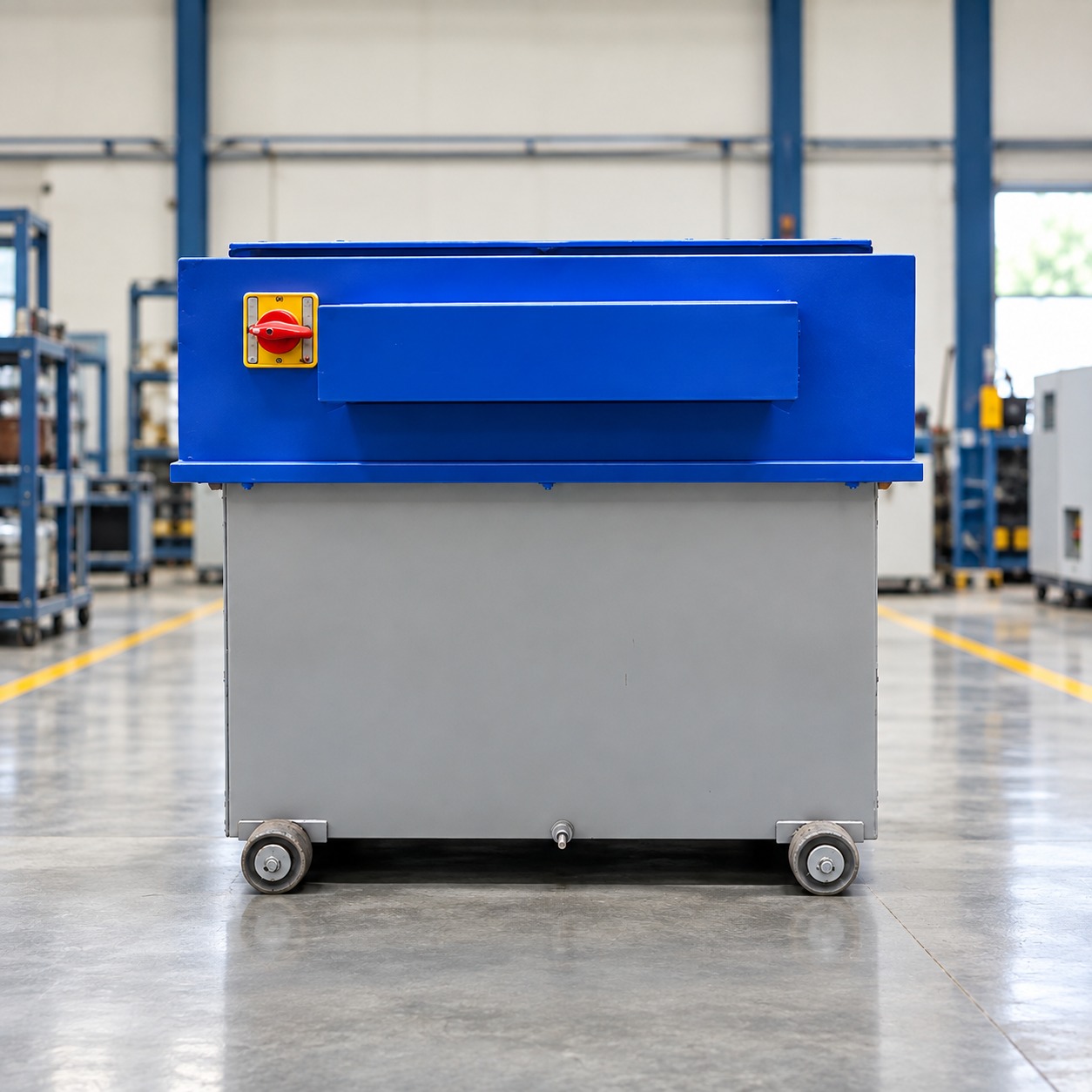
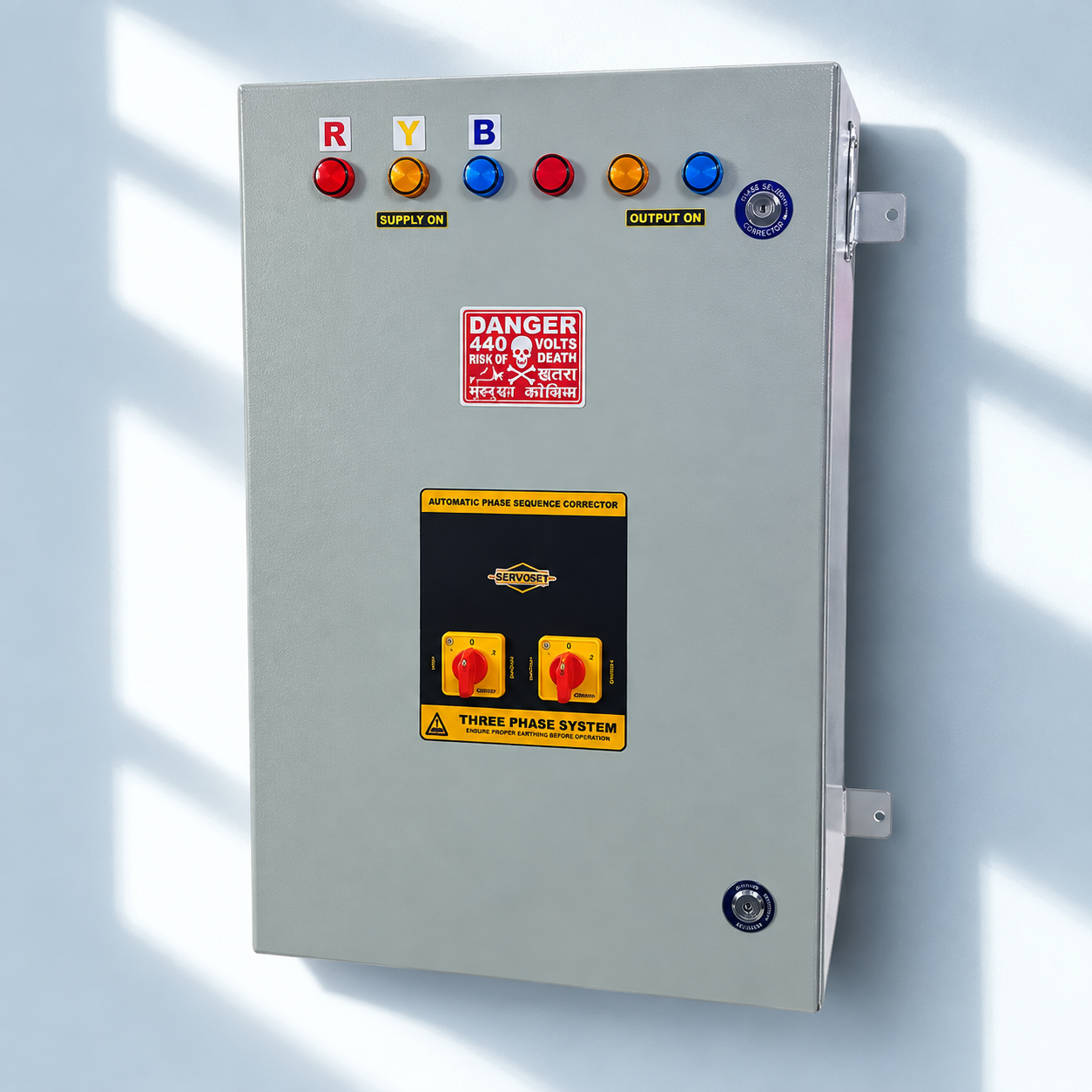
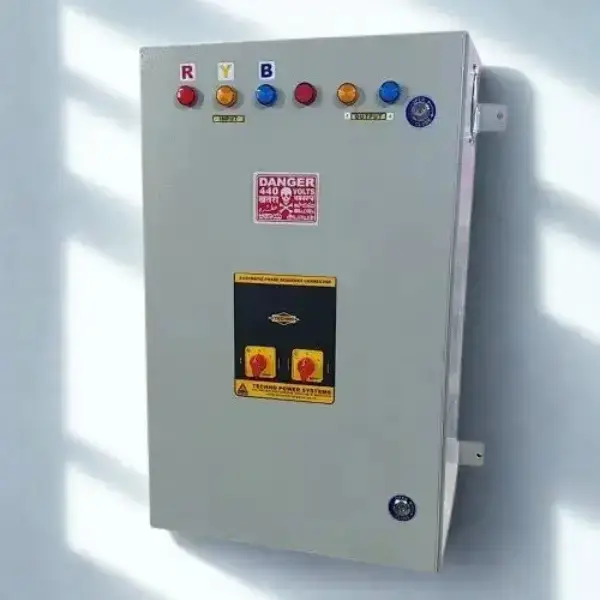
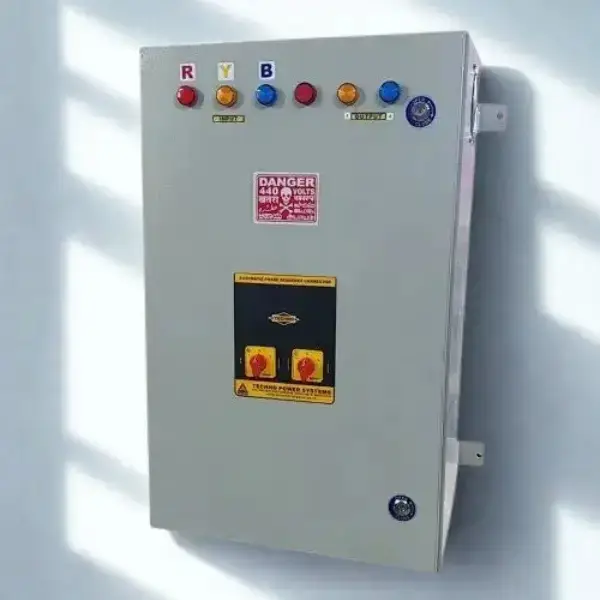
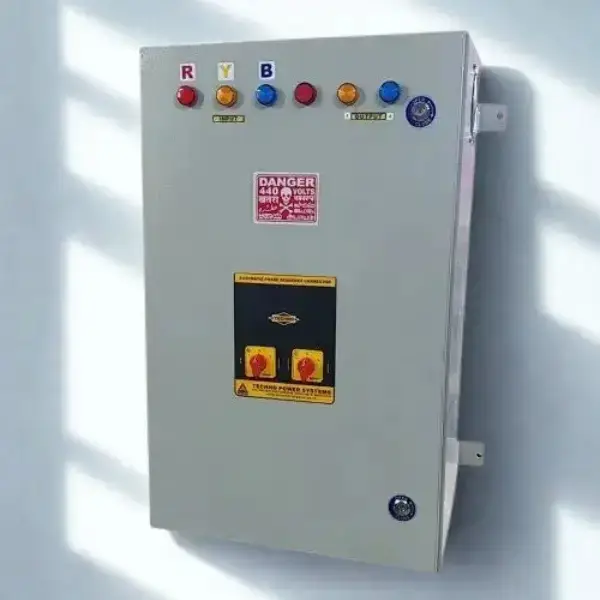
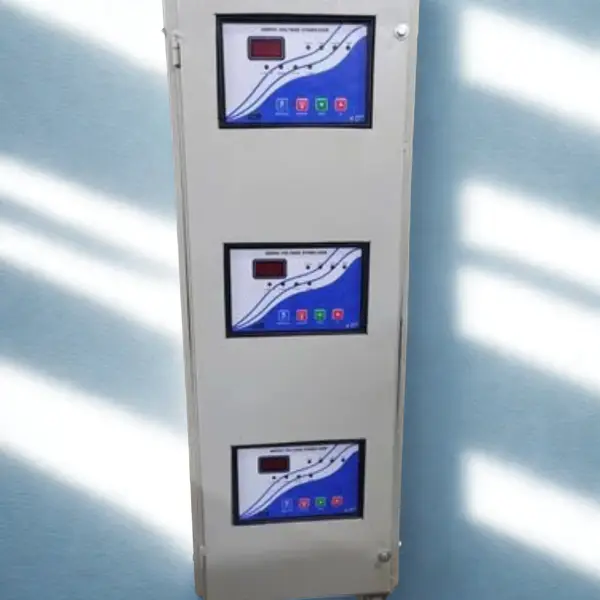
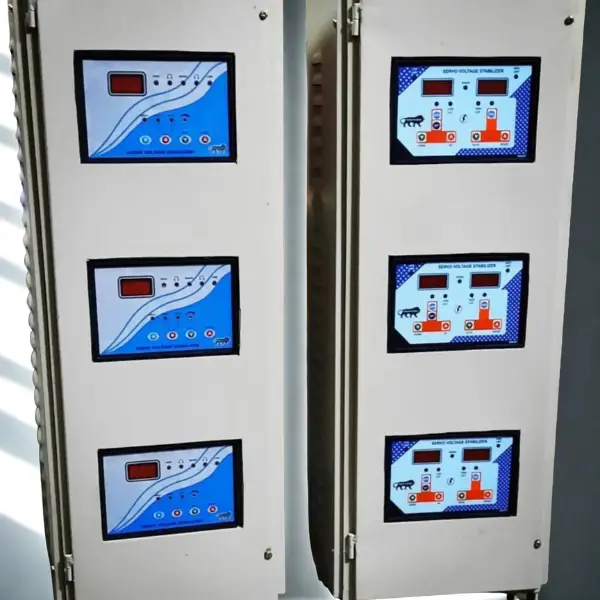
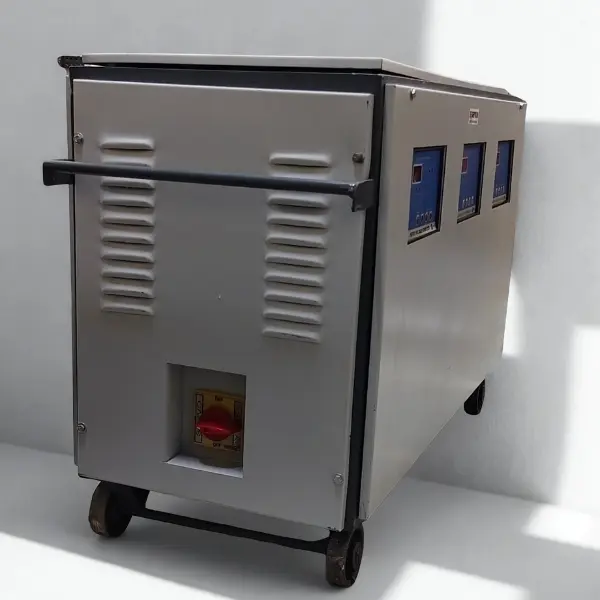
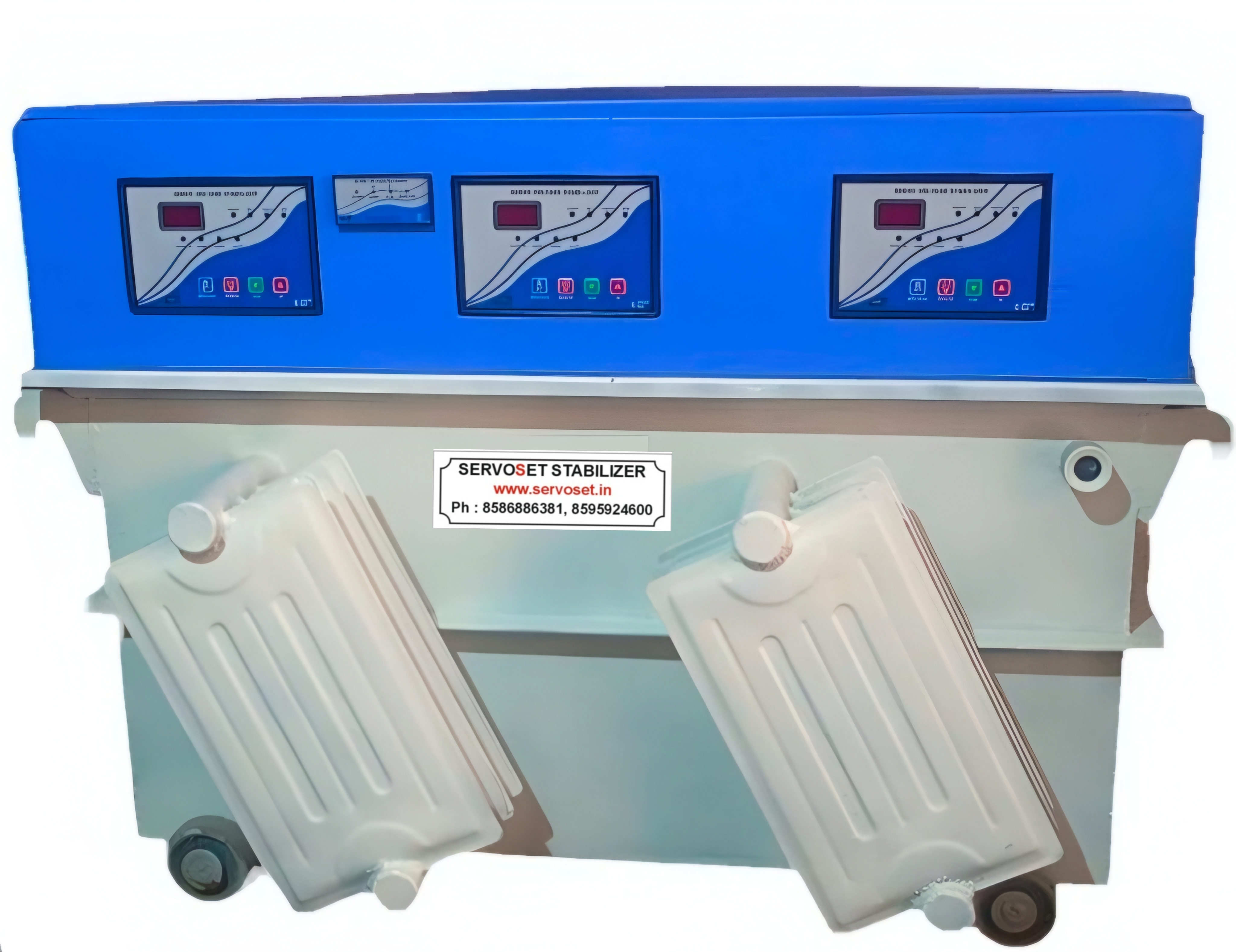
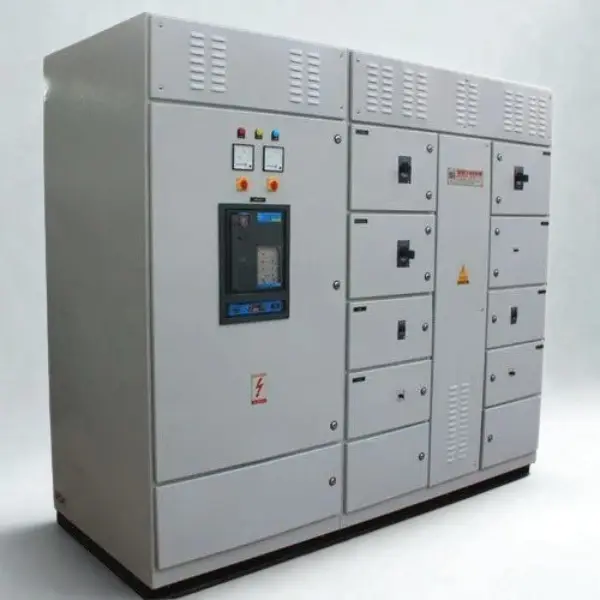
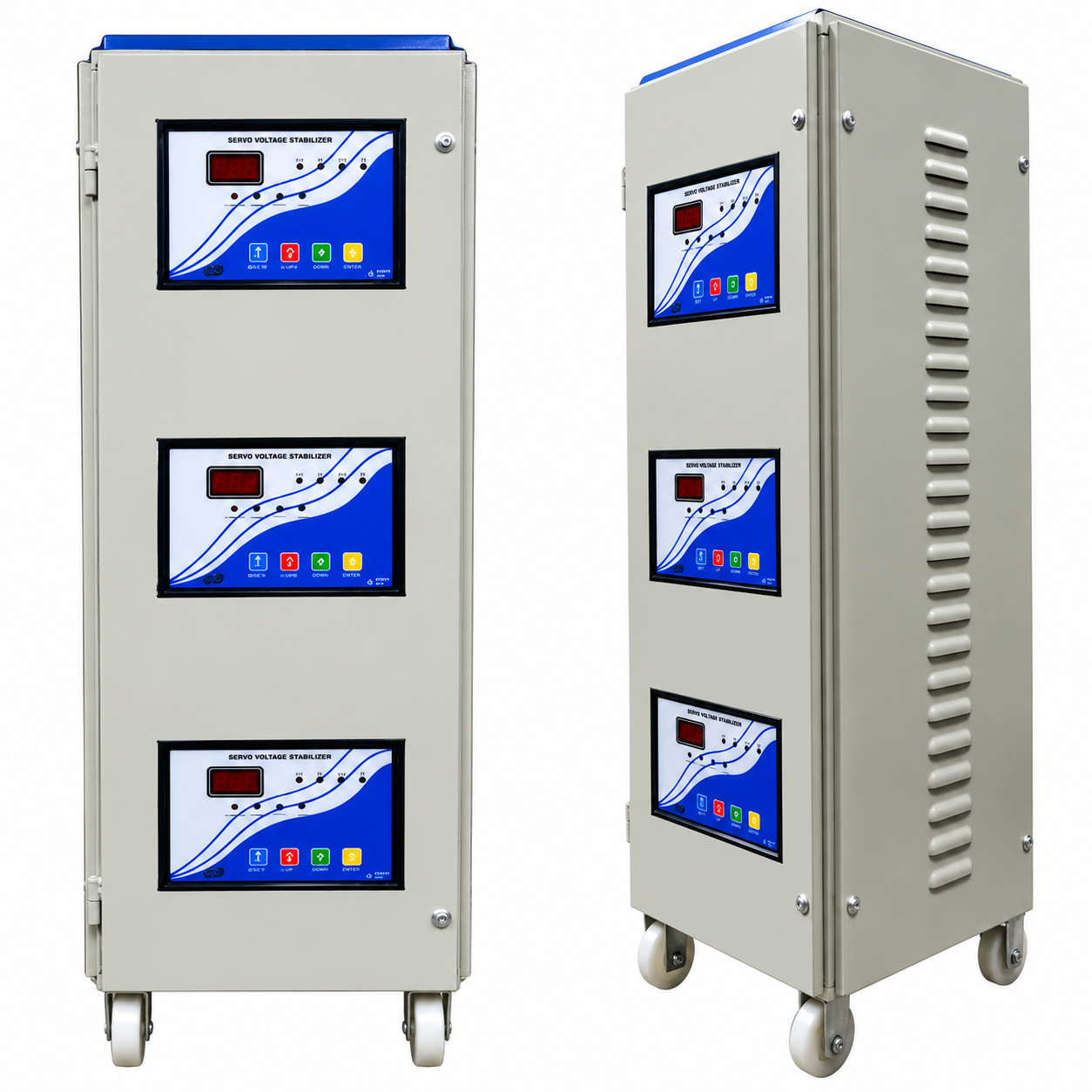
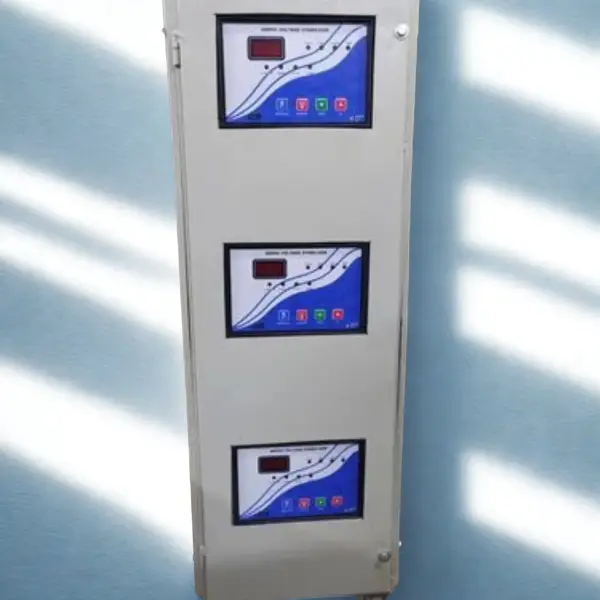
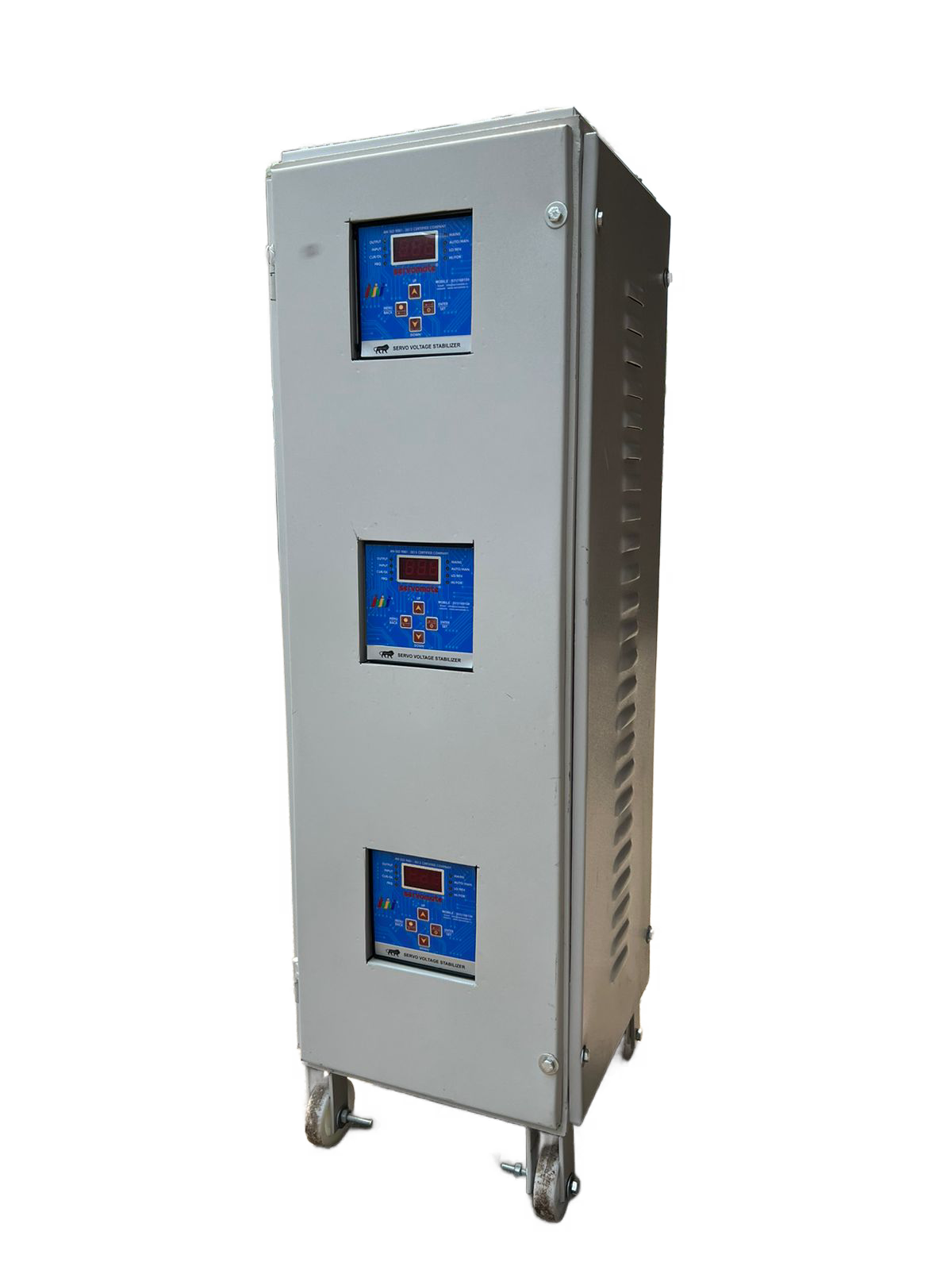
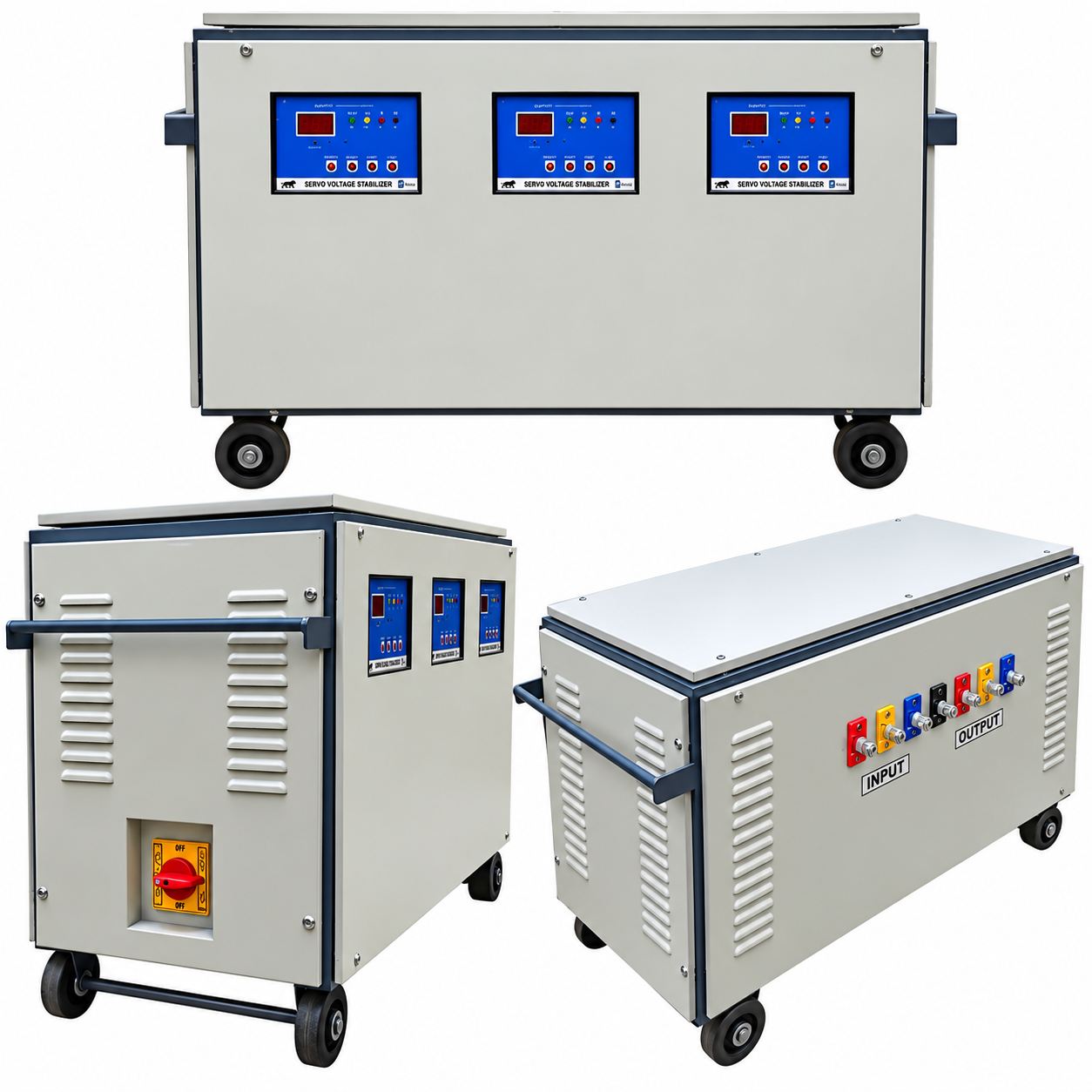
A 250A Automatic Phase Sequence Corrector is designed to monitor and automatically correct the phase sequence in three-phase electrical systems. Proper phase sequencing is essential for equipment such as three-phase motors, pumps, compressors, industrial machines, and other electrical systems where the correct order of phases is required for proper operation.
In industrial environments, incorrect phase sequence can cause three-phase motors to rotate in the wrong direction and may affect connected machinery. A 250A Automatic Phase Sequence Corrector helps address this issue by detecting the incoming phase sequence and automatically switching the connections to establish the required sequence.
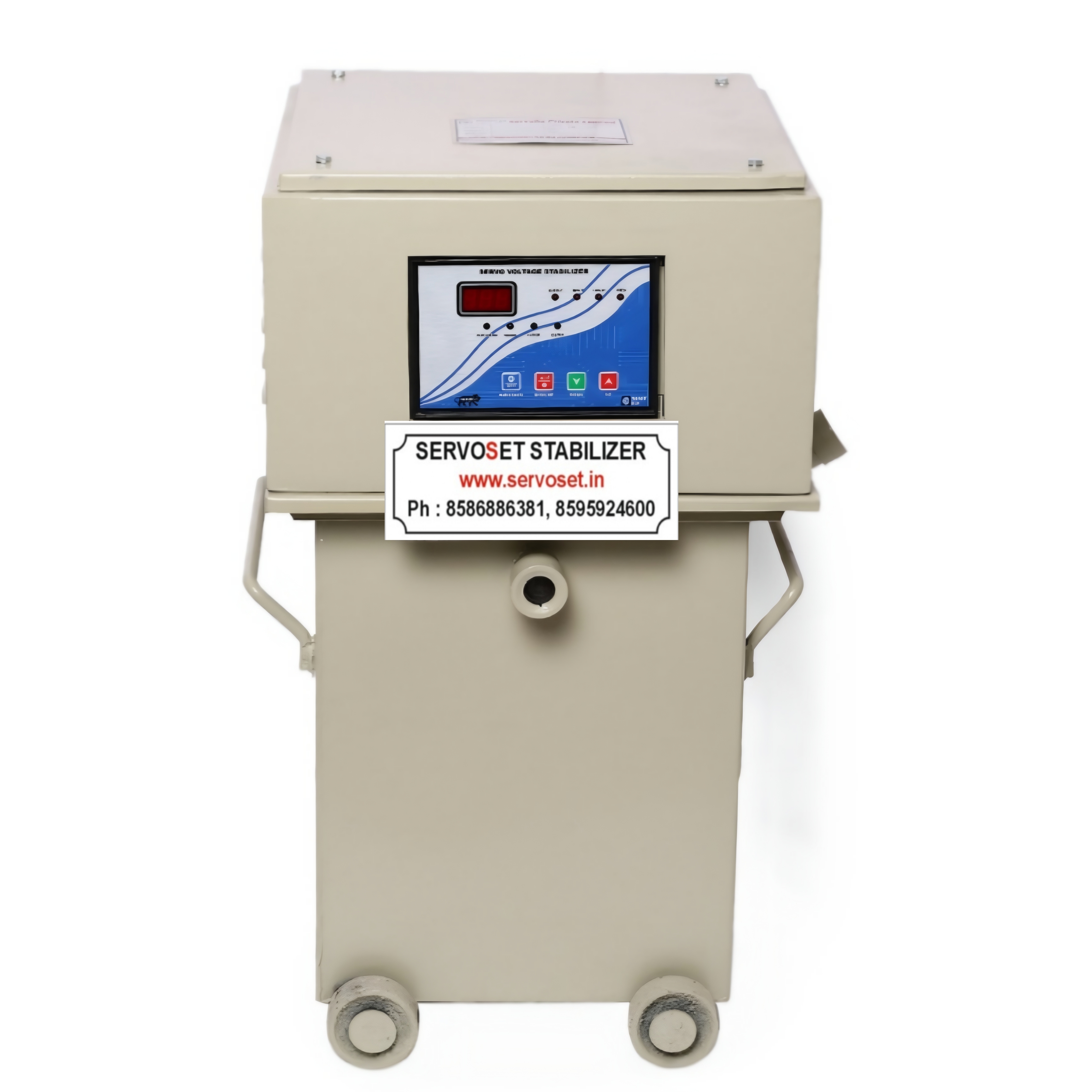
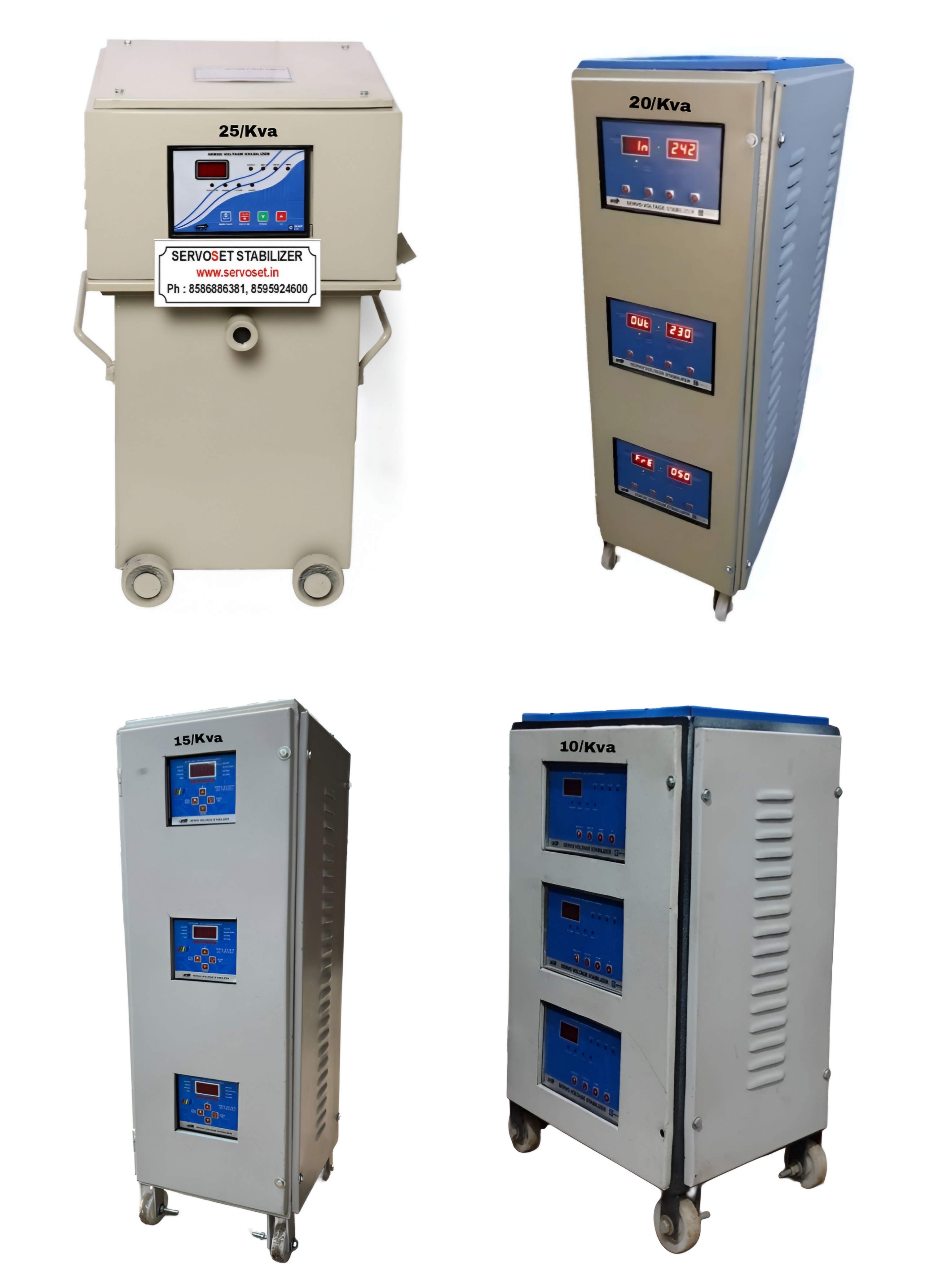
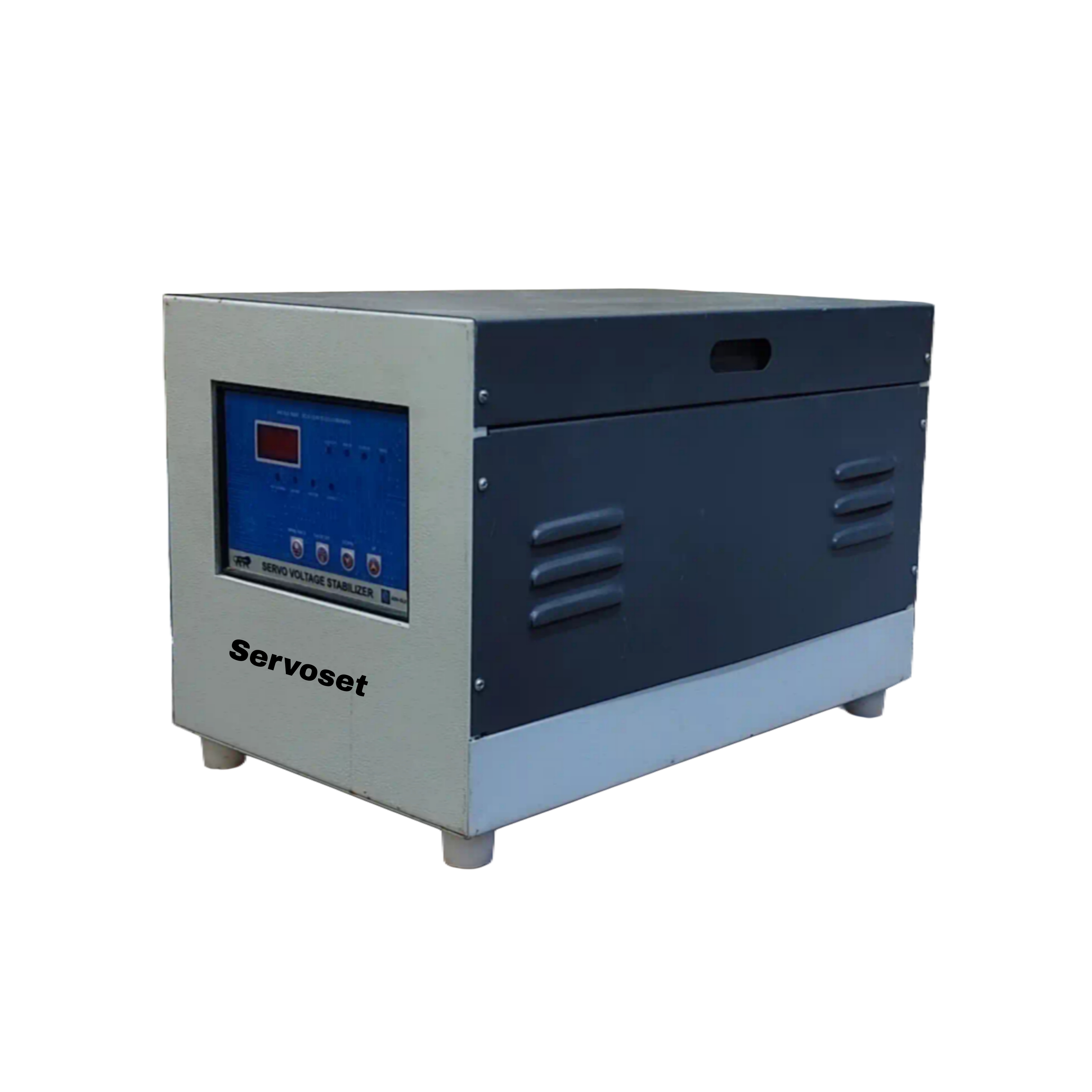
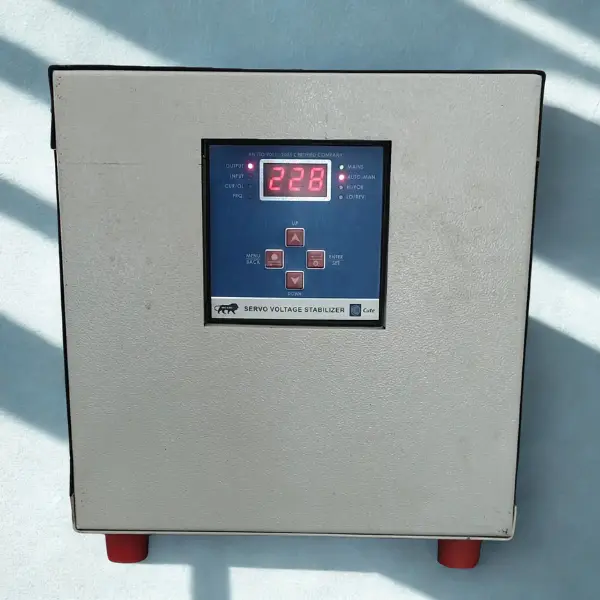
Servoset provides electrical power-control solutions designed for various industrial and commercial applications. The appropriate phase sequence correction equipment should be selected according to the electrical system, current rating, load characteristics, and installation requirements.
Why Correct Phase Sequence Matters in Three-Phase Systems
A three-phase electrical supply consists of three alternating phases that follow a particular sequence. Electrical equipment designed for a specific phase order may not operate correctly when the sequence is reversed.
For example, a three-phase motor can rotate in the opposite direction if two phases are interchanged. In applications involving pumps, compressors, conveyors, fans, and other rotating machinery, incorrect rotation may affect operation or potentially cause equipment-related problems.
A 250A automatic phase sequence corrector provides an automatic way of maintaining the required phase sequence without requiring manual phase interchange each time the incoming supply changes.
Automatic Phase Sequence Correction for Industrial Loads
Industrial electrical systems can experience changes in phase sequence during power restoration, generator operation, maintenance activities, or changes in incoming connections. Manually checking and correcting the phase order can take additional time and may create operational difficulties.
An automatic phase sequence correction system continuously monitors the incoming three-phase supply. When it detects an incorrect sequence, the control mechanism changes the phase arrangement to provide the required sequence to the connected load.
How a 250A Phase Sequence Corrector Works
The operating principle of an automatic phase sequence corrector is based on monitoring the order of the three incoming phases and switching them when necessary.
- Phase monitoring: The device monitors the incoming three-phase supply.
- Sequence detection: The control circuit identifies the order of the phases.
- Comparison: The detected sequence is compared with the required phase order.
- Automatic switching: If the sequence is incorrect, the switching mechanism changes the relevant phase connections.
- Correct output: The connected equipment receives the required phase sequence.
This automatic process reduces the need for repeated manual phase checking during suitable applications.
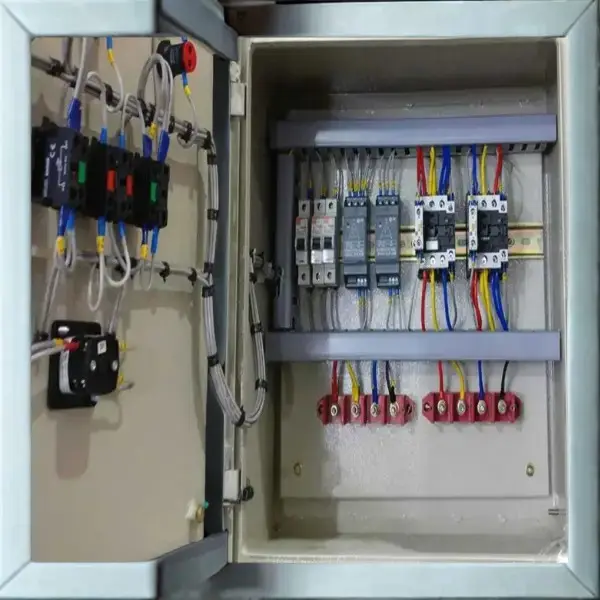
Key Components of a Phase Sequence Corrector
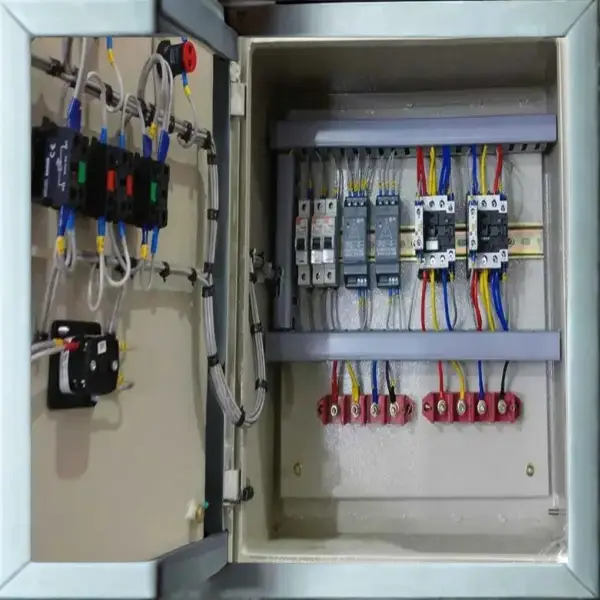
Phase Sequence Monitoring Circuit
The monitoring circuit identifies the order of the incoming phases and provides information to the control system.
Control Unit
The control unit processes the phase sequence information and determines whether a correction is necessary.
Switching Mechanism
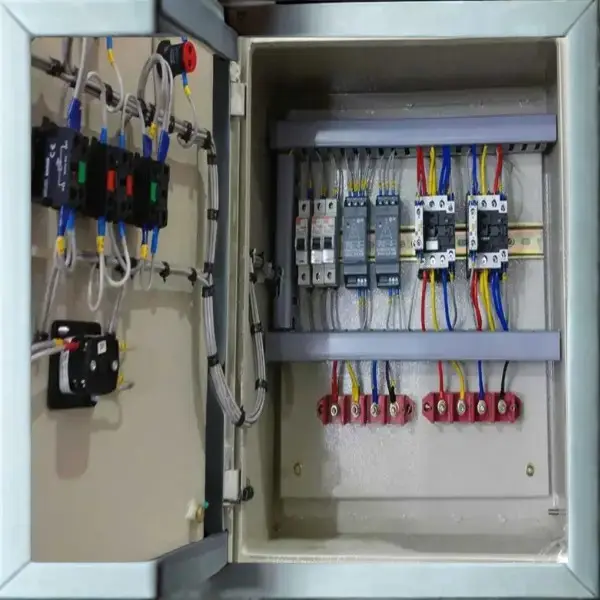
The switching mechanism changes the phase arrangement when an incorrect sequence is detected, depending on the design of the equipment.
Protection Components
Depending on the model, additional electrical protection components may be included to support safe operation under specified conditions.
Applications of a 250A Automatic Phase Sequence Corrector
A 250A automatic phase sequence corrector can be considered for various three-phase electrical applications where maintaining the correct phase order is important.
Industrial Motors
Three-phase motors are commonly used in industrial environments. Correct phase sequencing helps ensure that motors rotate in the intended direction.
Water Pumps
Pumps often depend on correct motor rotation for proper operation. Automatic phase correction can help maintain the required phase order in suitable installations.
Compressors
Industrial compressors may use three-phase motors and can require the correct phase sequence for appropriate motor rotation.
Conveyor Systems
Manufacturing and material-handling facilities use conveyor systems driven by motors. Maintaining the correct phase sequence can support the intended direction of operation.
Industrial Machinery
Various three-phase machines and production equipment can benefit from automatic phase sequence management when correct phase order is part of their electrical requirements.
Generator-Based Systems
When power is supplied through generators or alternative sources, phase sequence verification can be particularly important before connecting sensitive three-phase equipment.
Advantages of Automatic Phase Sequence Correction
Automatic Operation
The main advantage is that phase sequence correction can take place automatically without requiring an operator to manually interchange phase connections.
Supports Motor Direction
Maintaining the required phase sequence helps three-phase motors operate in their intended direction when the equipment is designed for that sequence.
Reduced Manual Intervention
Automatic correction can reduce the need for repeated manual phase checking and connection changes.
Useful for Industrial Applications
A suitable phase sequence corrector can be incorporated into industrial electrical systems where three-phase loads are frequently connected or where supply conditions can change.
Operational Convenience
Automatic phase monitoring and correction can make the operation of compatible three-phase systems more convenient.
Understanding the 250A Rating
The 250A rating refers to the current capacity for which the equipment is designed under its specified operating conditions. It is important to understand that the correct selection should not be based only on the nominal current rating.
The actual electrical load, starting current, continuous operating current, system voltage, load characteristics, and installation conditions should all be considered before selecting a phase sequence corrector.
For industrial installations, electrical professionals should verify the required rating and compatibility before installation.
Phase Sequence Corrector vs Manual Phase Switching
Manual phase switching requires an operator to identify an incorrect sequence and physically interchange the required phase connections. This may be practical in some fixed installations but can become inconvenient when phase conditions change frequently.
An automatic phase sequence corrector performs sequence detection and correction automatically according to its control design. This can reduce manual intervention and provide a more convenient solution for suitable three-phase applications.
Where Can a Phase Sequence Corrector Be Installed?
Phase sequence correction equipment can be installed in suitable industrial electrical panels, machinery supply systems, generator-based systems, pump installations, and other three-phase applications.
The exact installation method depends on the equipment design and electrical system. Proper wiring, circuit protection, earthing, enclosure requirements, and isolation arrangements should be followed according to applicable electrical standards and manufacturer instructions.
Factors to Consider Before Selecting a Phase Sequence Corrector
- Current rating: Confirm that the equipment is suitable for the actual load current.
- System voltage: Verify compatibility with the three-phase supply voltage.
- Load type: Consider motors, pumps, compressors, machines, and other connected loads.
- Starting current: Motor-driven equipment can have significantly higher starting currents.
- Switching capacity: Check the switching mechanism's specified electrical capacity.
- Installation conditions: Consider panel space, temperature, humidity, dust, and ventilation.
- Protection requirements: Verify the required circuit protection and safety arrangements.
- Manufacturer specifications: Always compare the application requirements with the product's technical specifications.
Maintenance and Inspection
Regular inspection can help maintain the reliability of a 250A automatic phase sequence corrector. Electrical connections should be checked for looseness, overheating, or visible damage.
The control system and switching components should be inspected according to the manufacturer's recommendations. Any abnormal operation, unusual noise, overheating, or repeated switching should be investigated by a qualified electrical professional.
Routine maintenance should always be carried out with appropriate electrical safety procedures and isolation measures.
Why Choose Servoset for Phase Sequence Solutions?
Servoset offers electrical power-management solutions for different industrial and commercial requirements. When selecting a phase sequence corrector, customers should consider the required current rating, system voltage, connected load, installation environment, and specific application.
A correctly specified 250A automatic phase sequence corrector can be integrated into suitable three-phase systems to provide automatic phase sequence management and reduce the need for manual correction.
Frequently Asked Questions
1. What is a 250A automatic phase sequence corrector?
A 250A automatic phase sequence corrector detects the phase order of a three-phase supply and automatically corrects it when the sequence is incorrect.
2. Why is phase sequence important?
Correct phase sequence helps three-phase motors and compatible equipment operate in their intended direction.
3. Where is a phase sequence corrector used?
It can be used with industrial motors, pumps, compressors, conveyors, machinery, and suitable generator-based three-phase systems.
4. What does the 250A rating mean?
The 250A rating indicates the specified current-handling capacity of the equipment under its applicable operating conditions.
5. Can it automatically reverse two phases?
Depending on its design, an automatic phase sequence corrector can switch the required phase connections to establish the correct sequence.
6. Is a phase sequence corrector useful for motors?
Yes, it can help maintain the correct phase order required for the intended rotation of three-phase motors.
Conclusion
A 250A Automatic Phase Sequence Corrector provides an automatic method of monitoring and correcting phase sequence in compatible three-phase electrical systems. It can be useful for industrial motors, pumps, compressors, conveyors, machinery, and other applications where the correct phase order is important.
Before installation, factors such as current rating, system voltage, load characteristics, starting current, switching capacity, and environmental conditions should be evaluated. Selecting the appropriate equipment according to the electrical system can support reliable and convenient phase sequence management.
Servoset provides solutions for different electrical power-control requirements, with product selection based on the specific needs of the application.