Three Phase Servo Voltage Stabilizer: A Practical Guide for Jaipur Industries
If you run heavy machines on a three phase supply, you already know the feeling. The lights flicker, a motor hums louder than usual, and a production line stops for no clear reason. Most of the time the culprit is not the machine. It is the voltage reaching it.
A three phase servo voltage stabilizer is built to fix exactly this. It keeps the output voltage steady even when the incoming supply keeps moving up and down. In this guide, we will walk through how it works, why it matters for factories and workshops in Jaipur, and how to pick the right one without overspending.
Why Voltage Problems Are Common in Jaipur's Industrial Areas
Jaipur has a busy and varied industrial base. Units in Sitapura, VKI, Malviya Industrial Area, Jhotwara, Sanganer and Bagru run everything from gem-cutting and jewellery tools to stone-processing machines, textile and block printing units, packaging lines and CNC equipment.
Add the long, hot Rajasthan summer to this picture. Air conditioners, coolers and pumps push demand to a peak, and the supply line gets stretched. Voltage often sags in the afternoon and can swing high late at night when the load drops. Industrial areas also see phase-to-phase differences, where one phase carries more load than the others.
Machines are not forgiving about this. Low voltage makes motors draw extra current and run hot. High voltage stresses insulation and electronic drives. Over months, both shorten equipment life and raise the electricity bill.
What Is a Three Phase Servo Voltage Stabilizer?
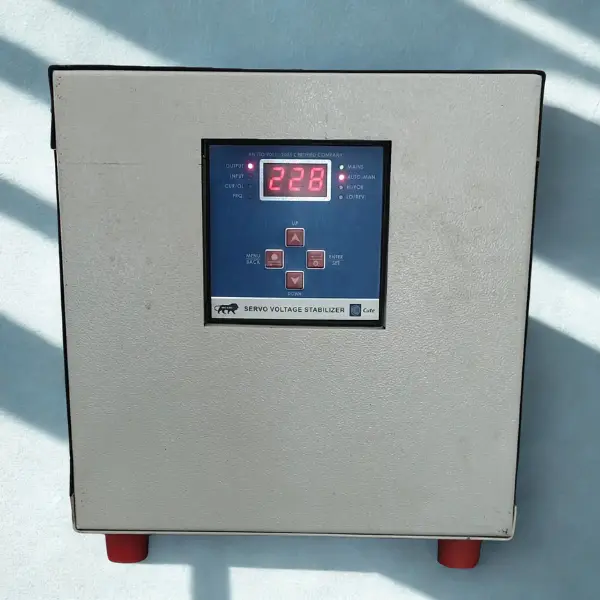
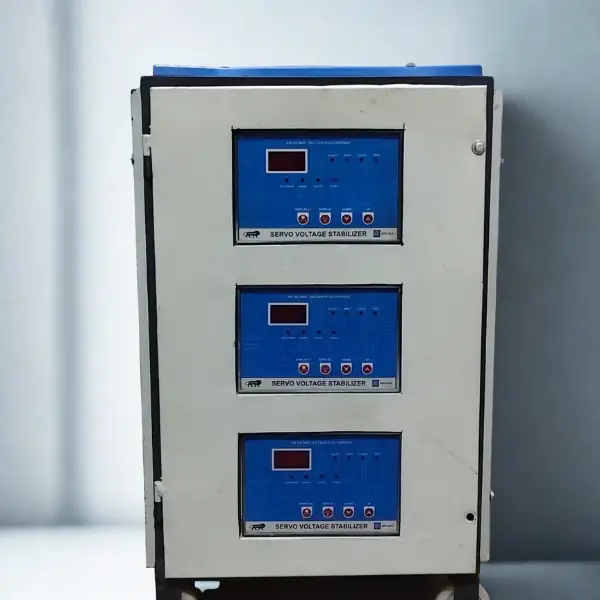
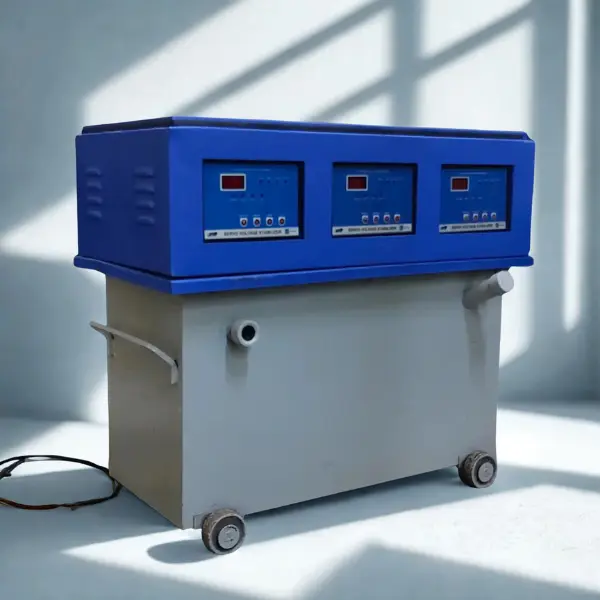
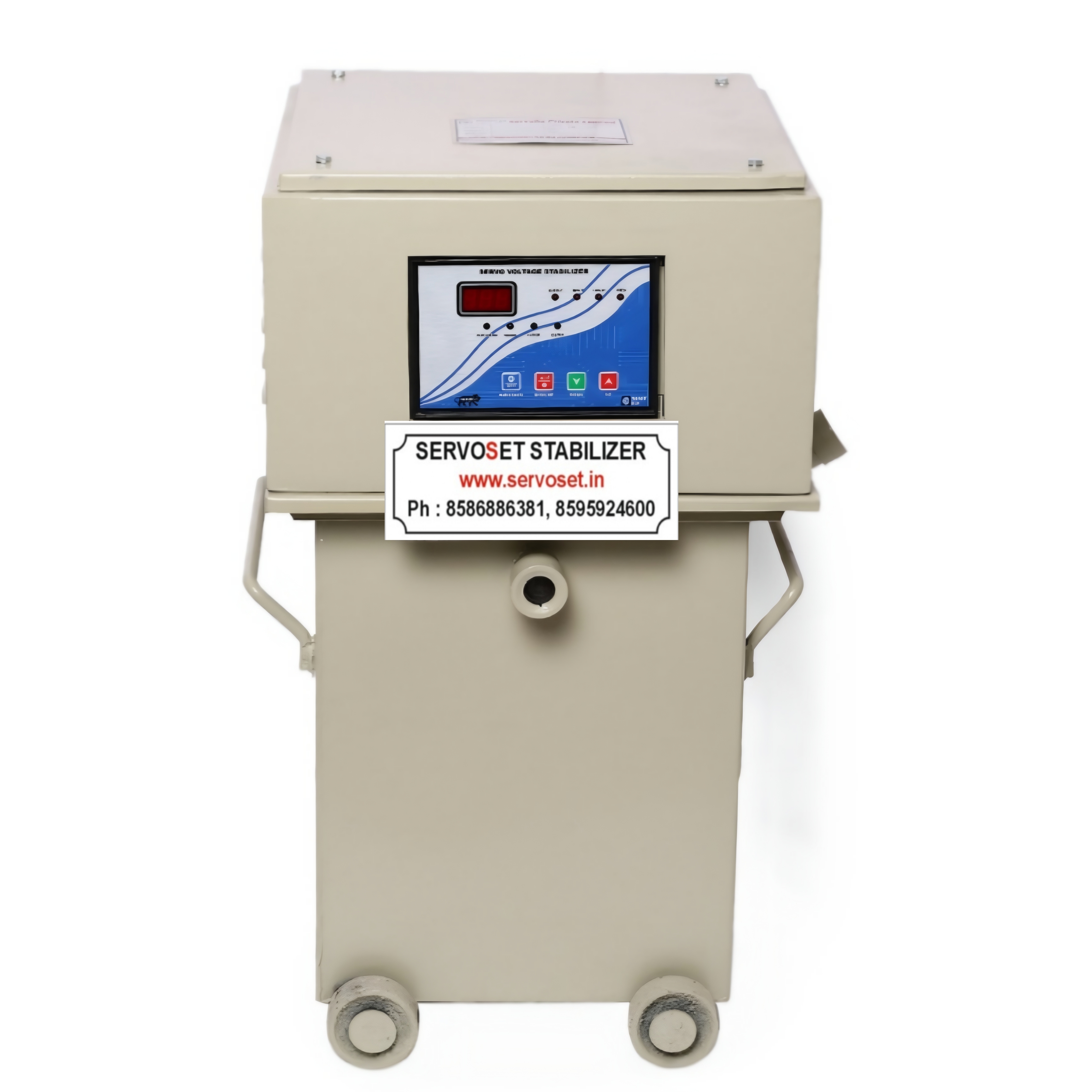
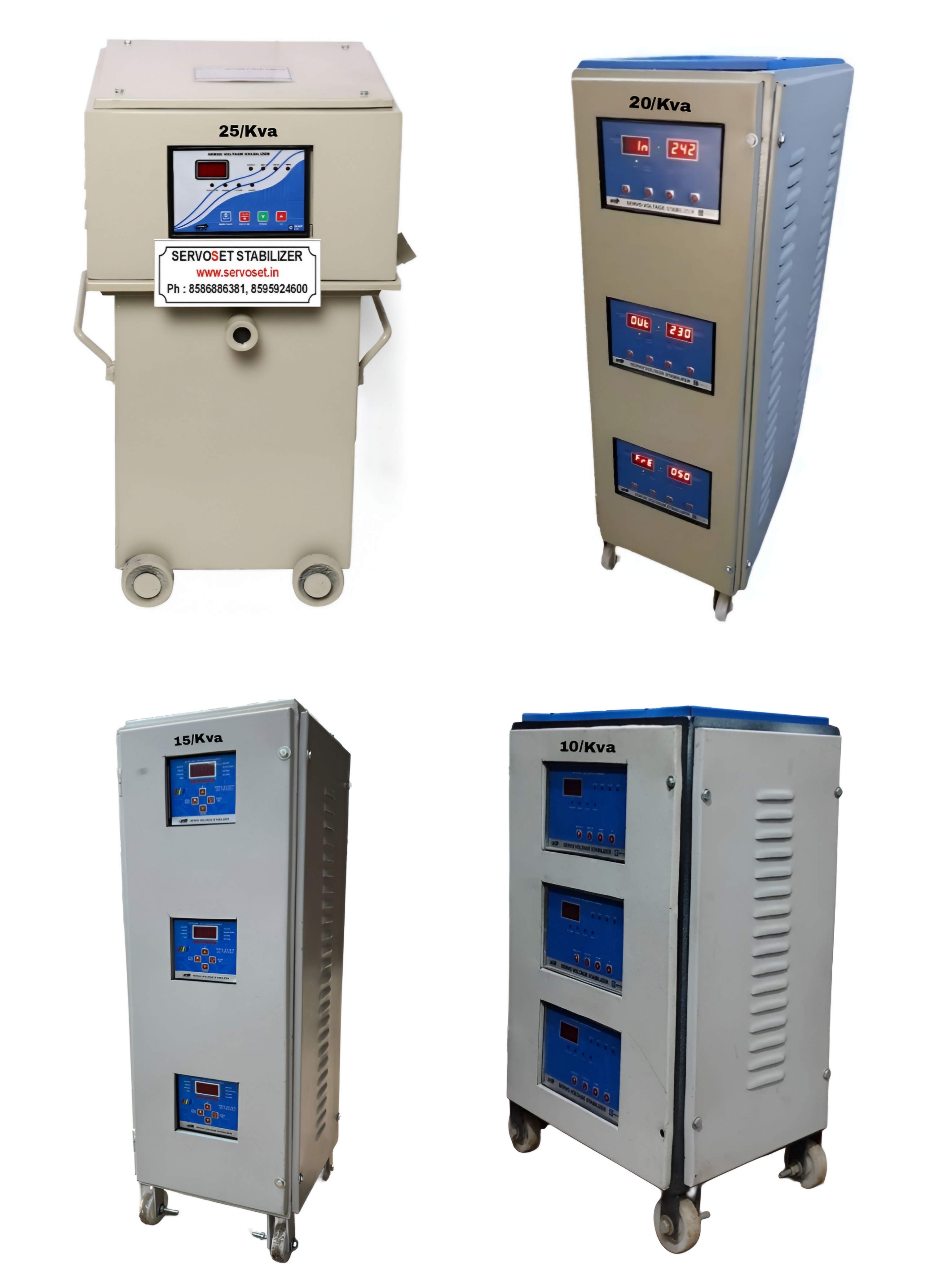
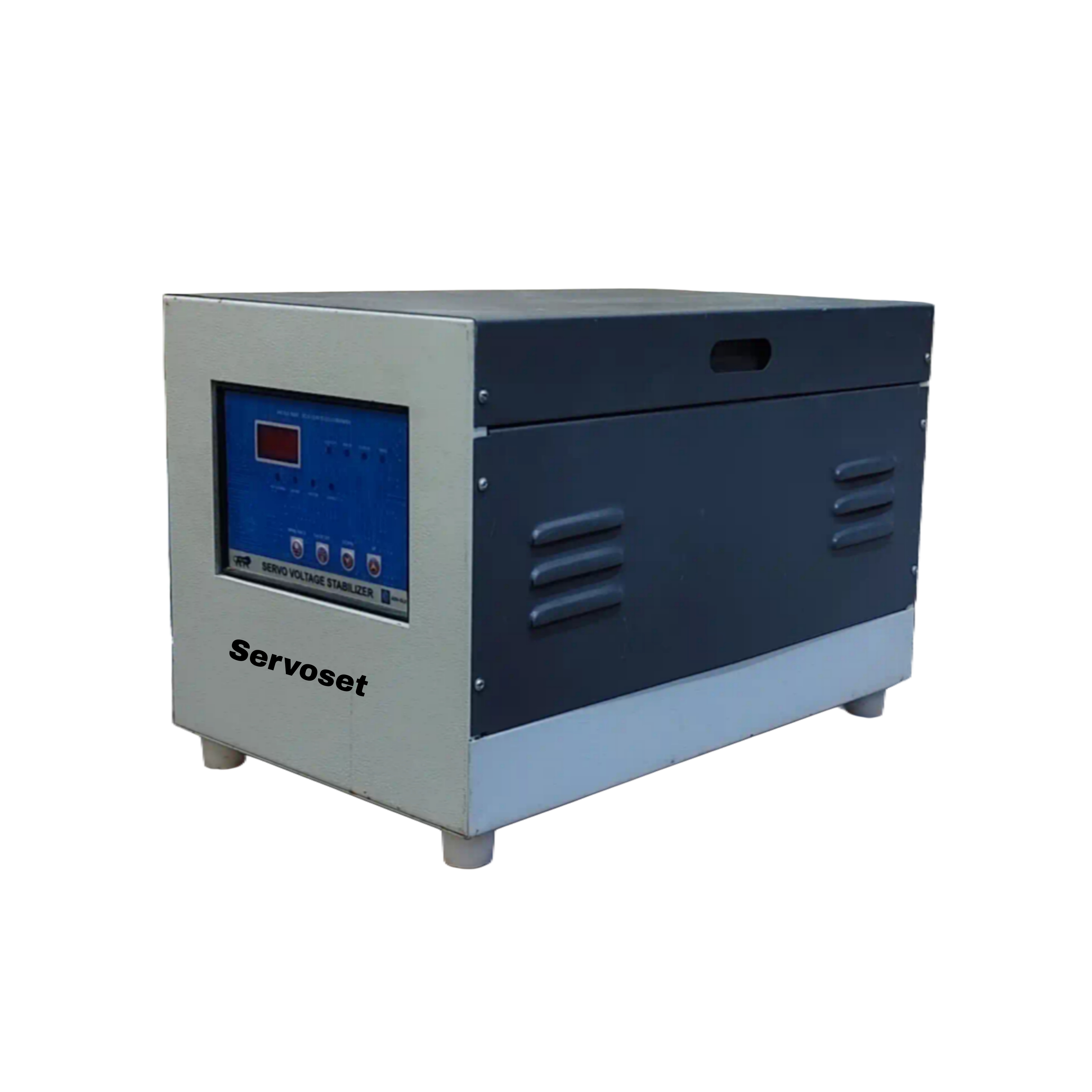
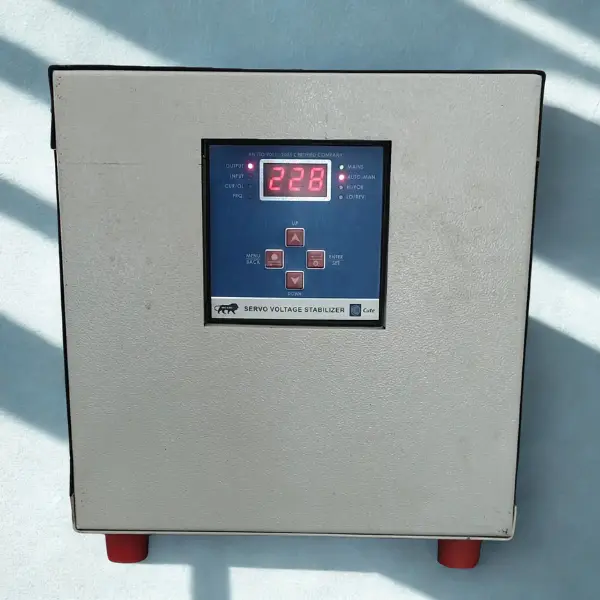
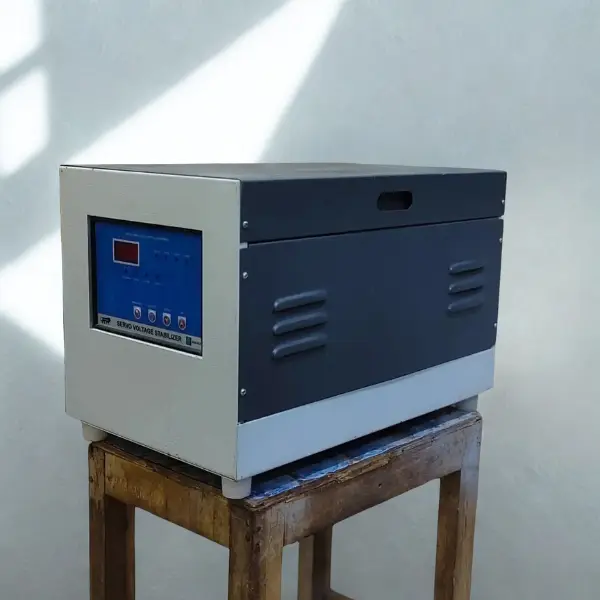
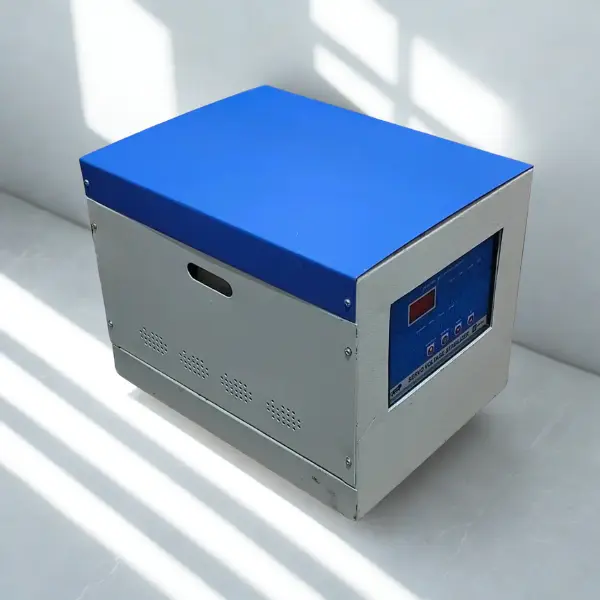
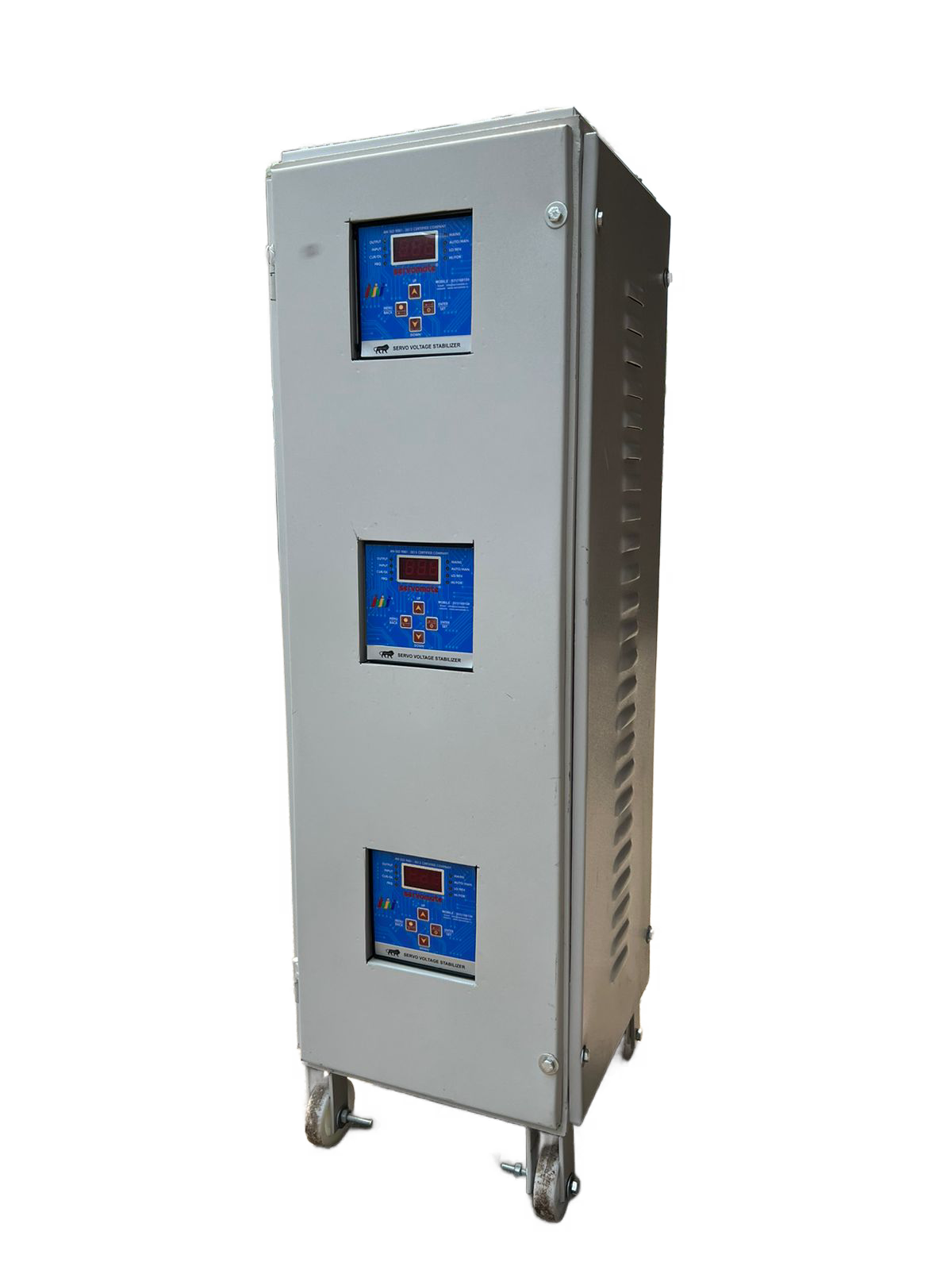
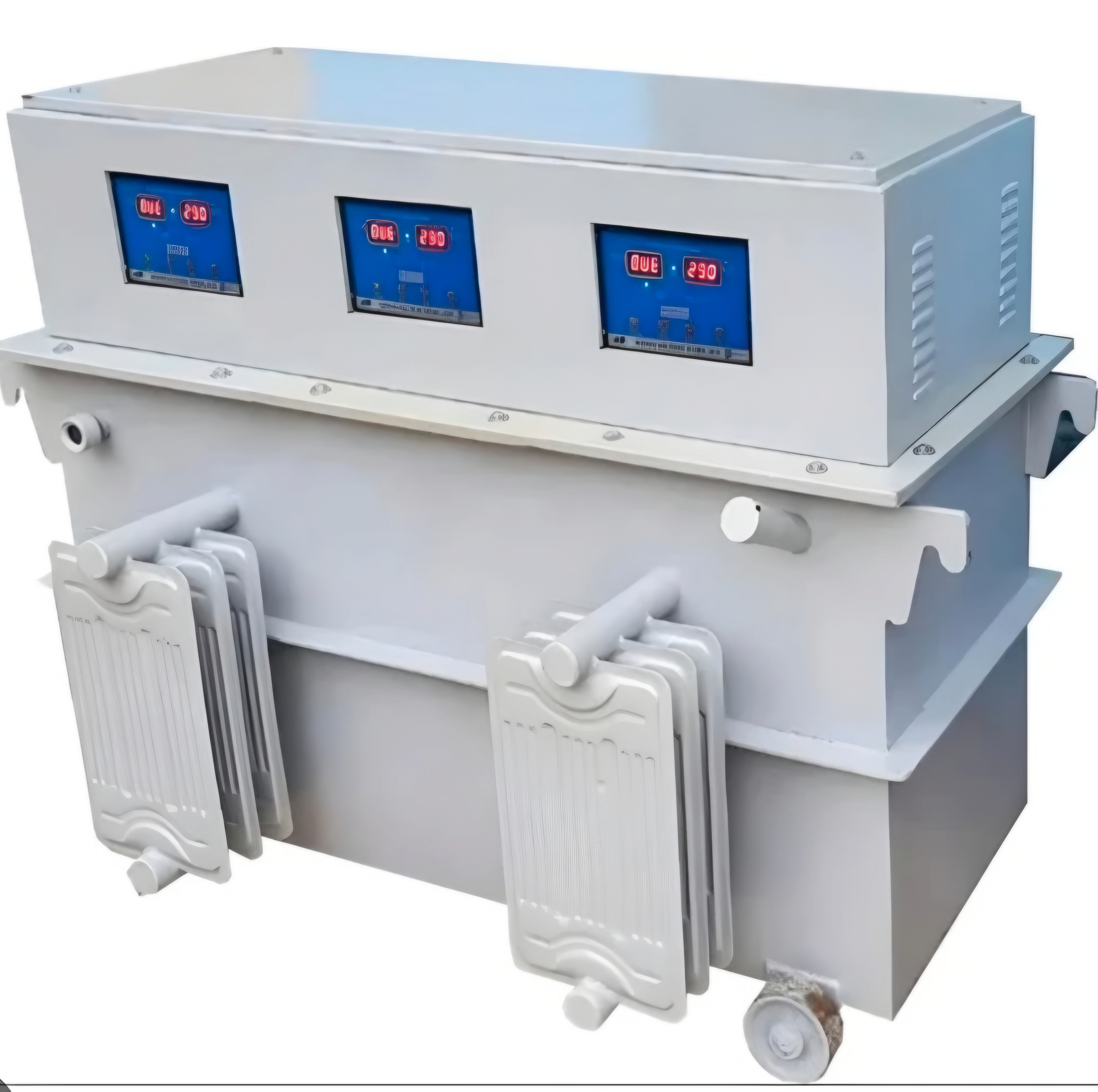
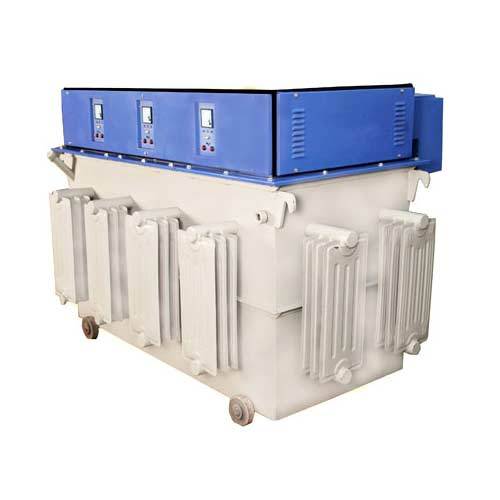
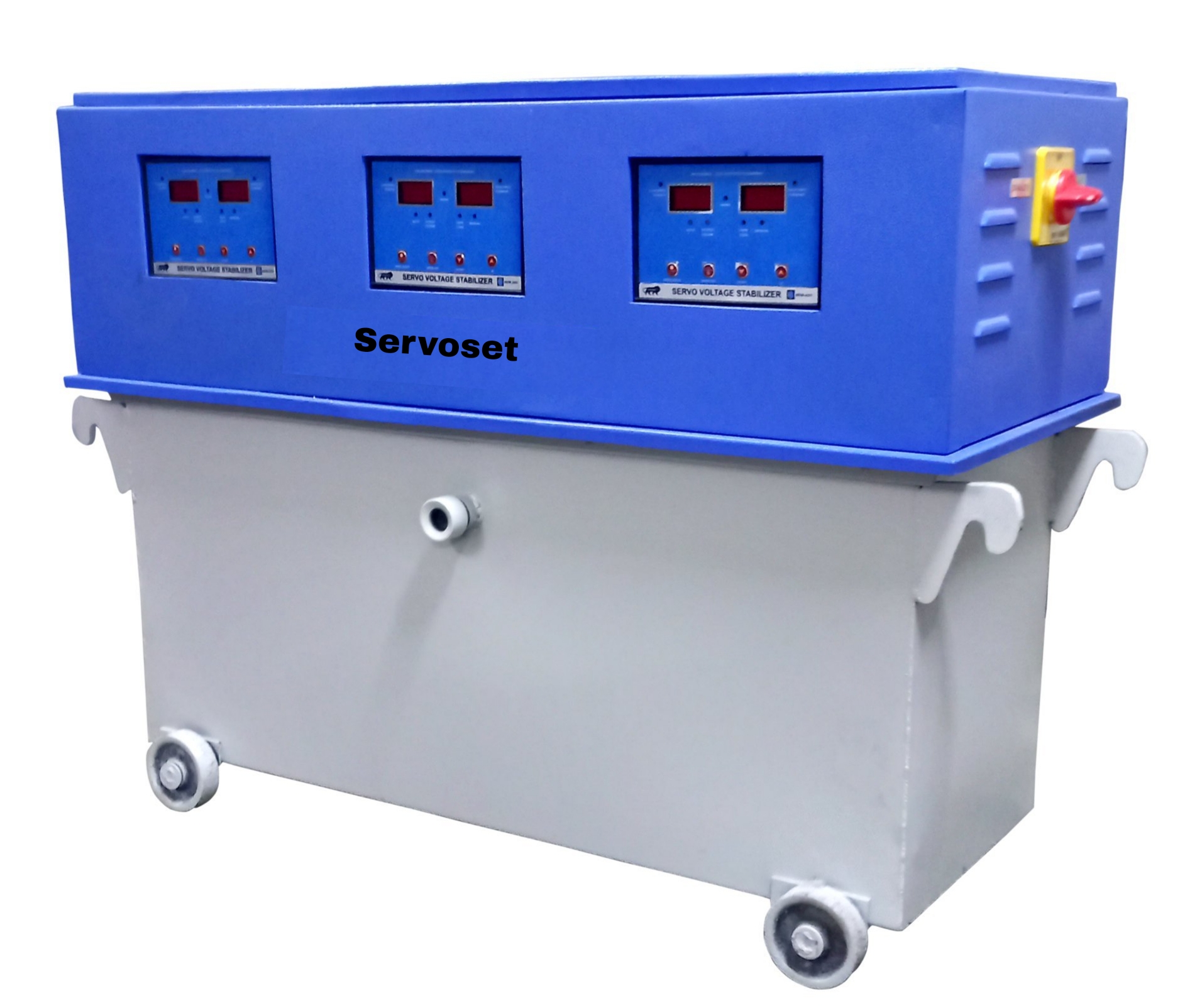
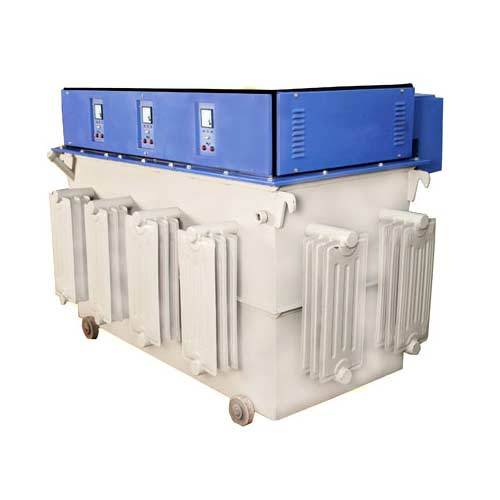
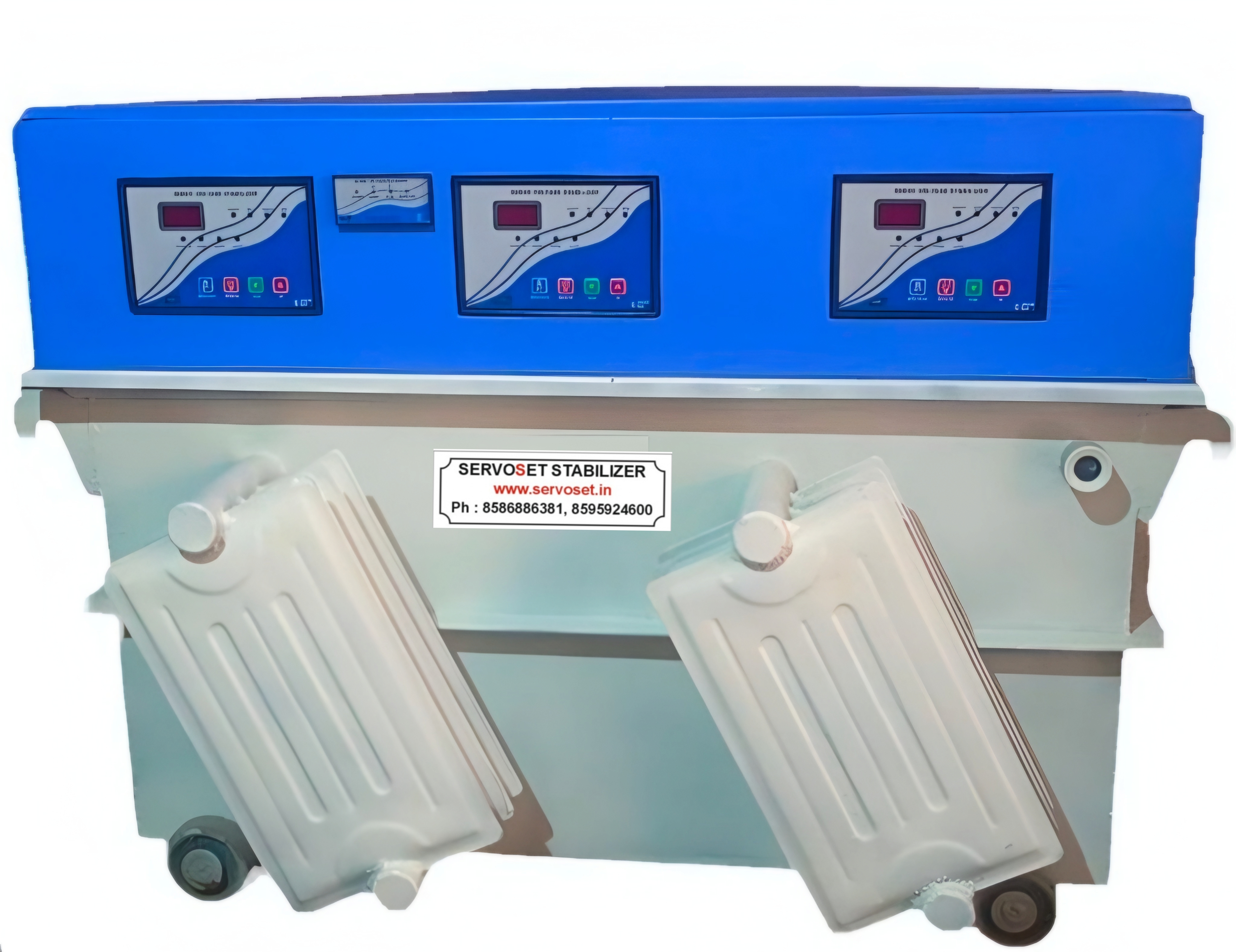
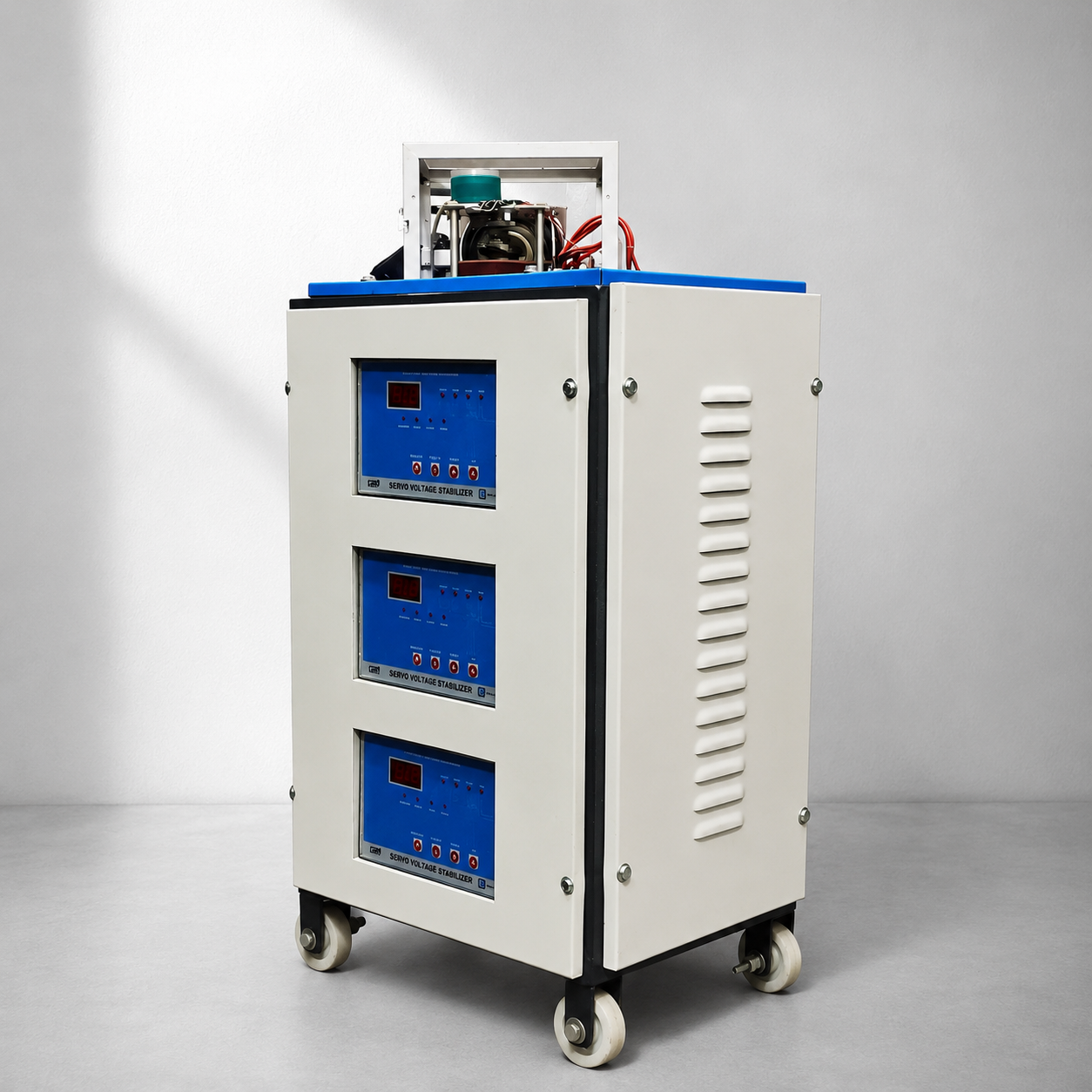
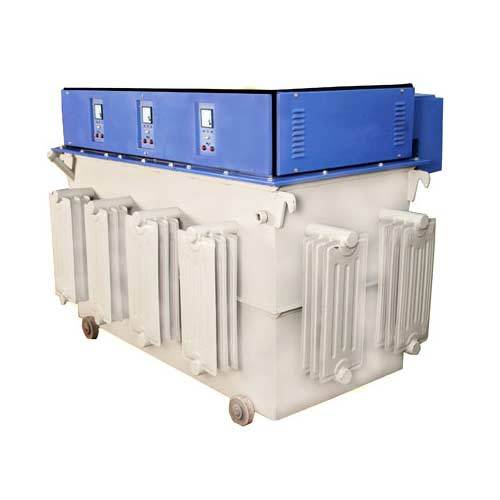
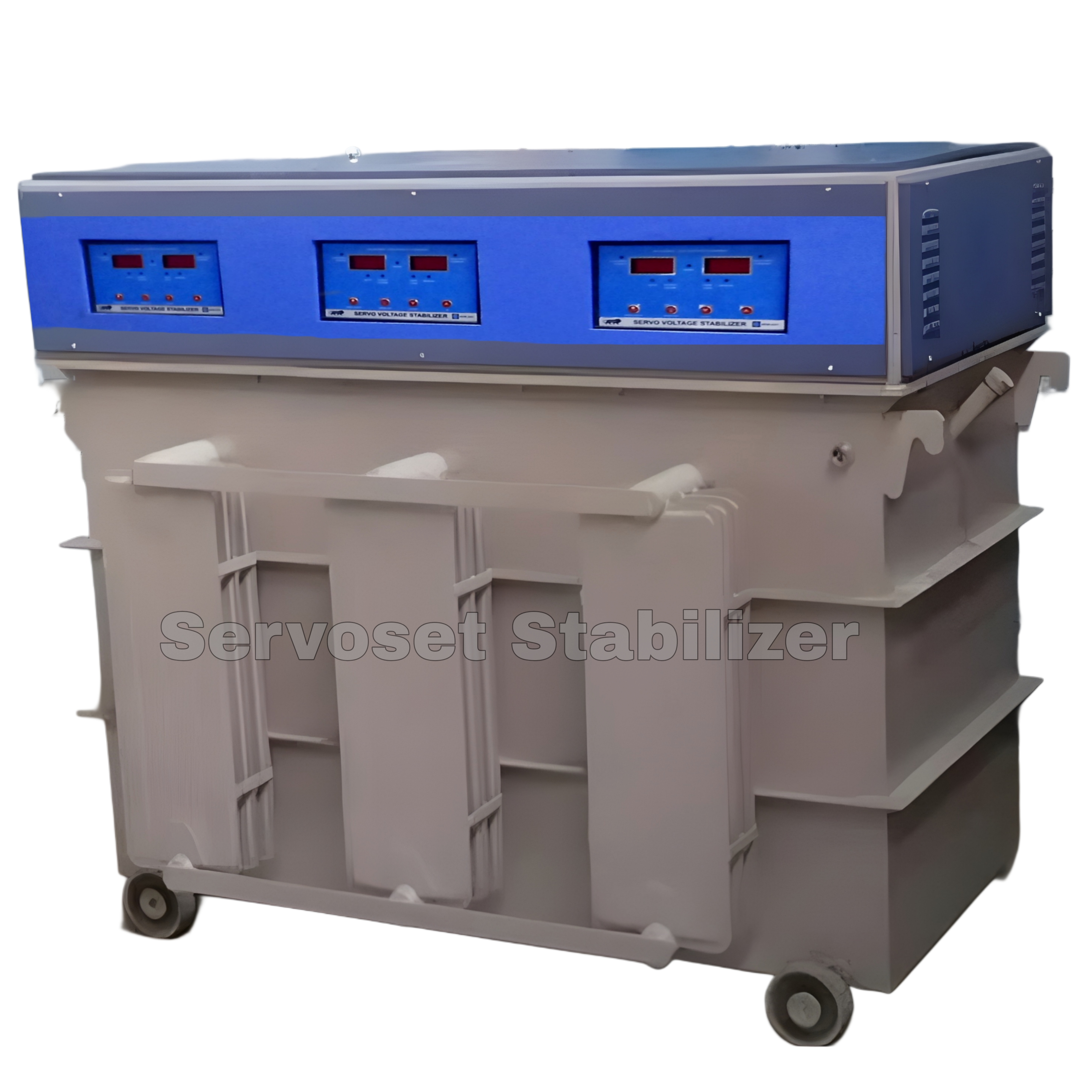
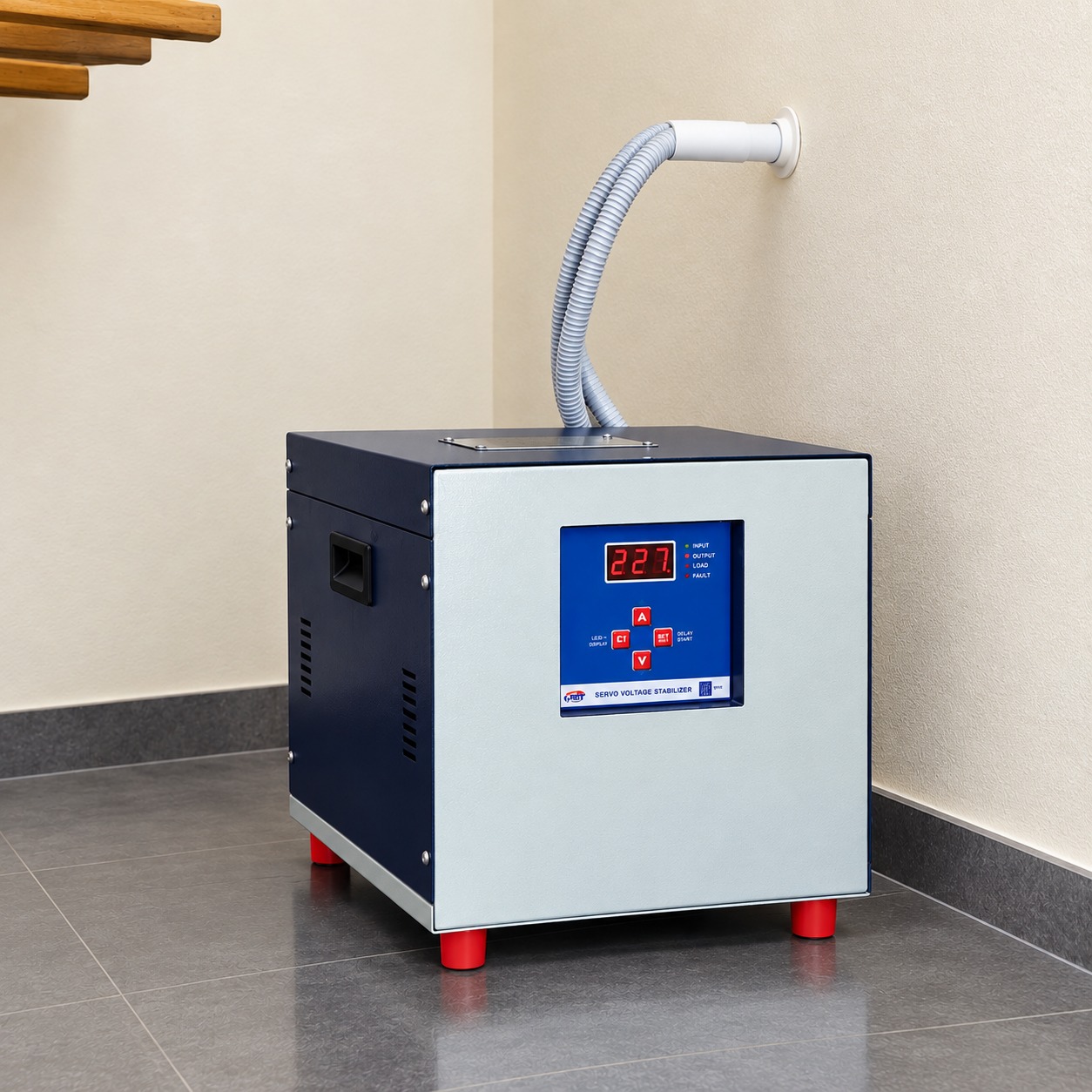
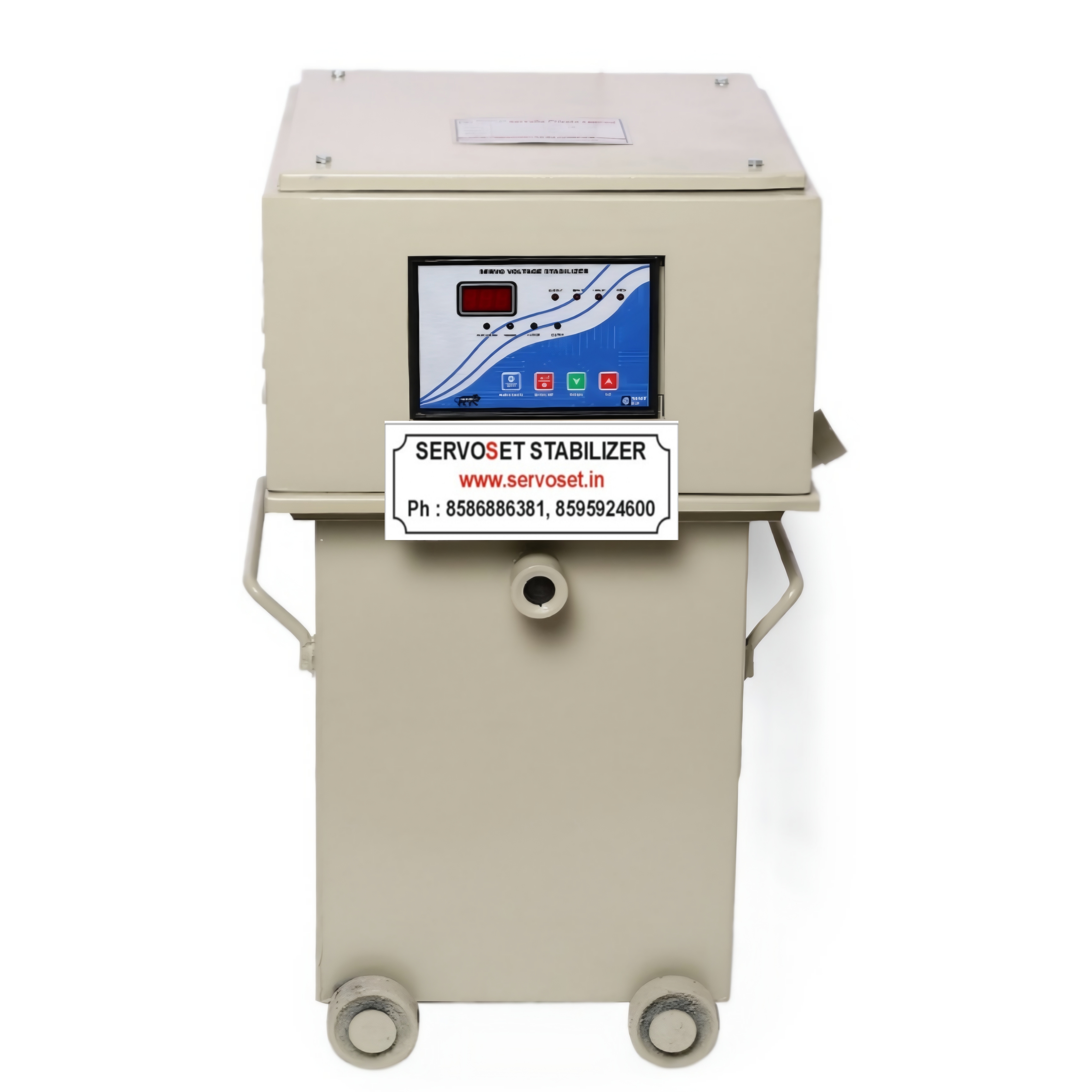
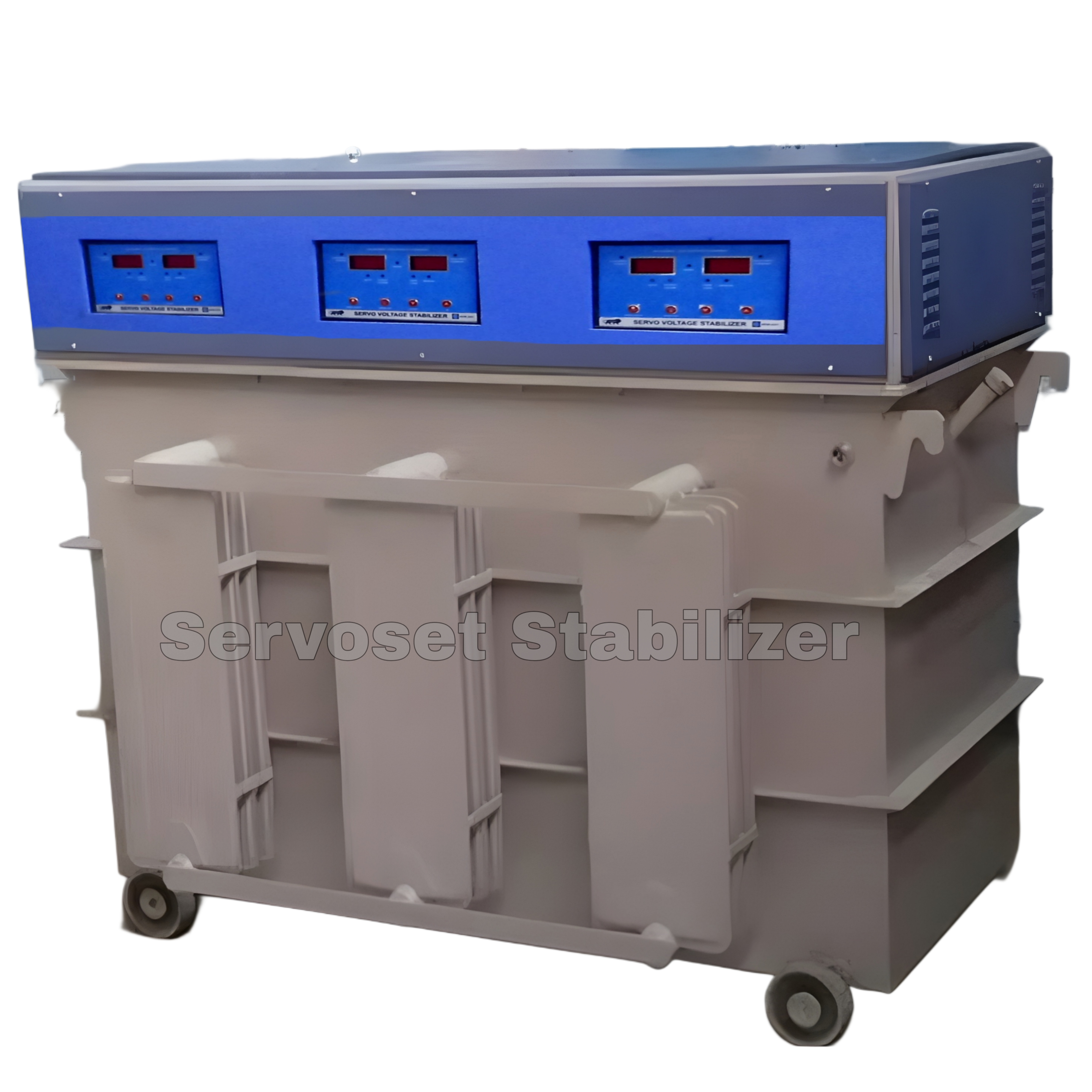
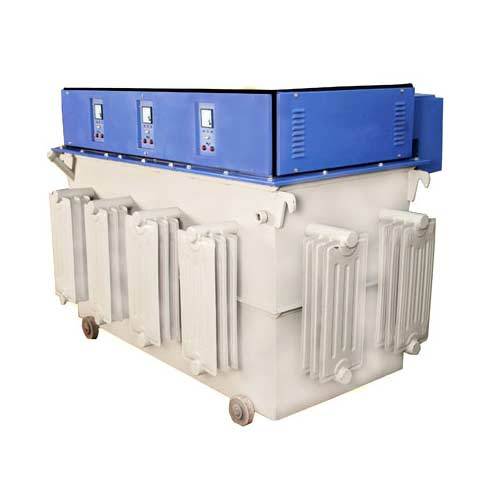
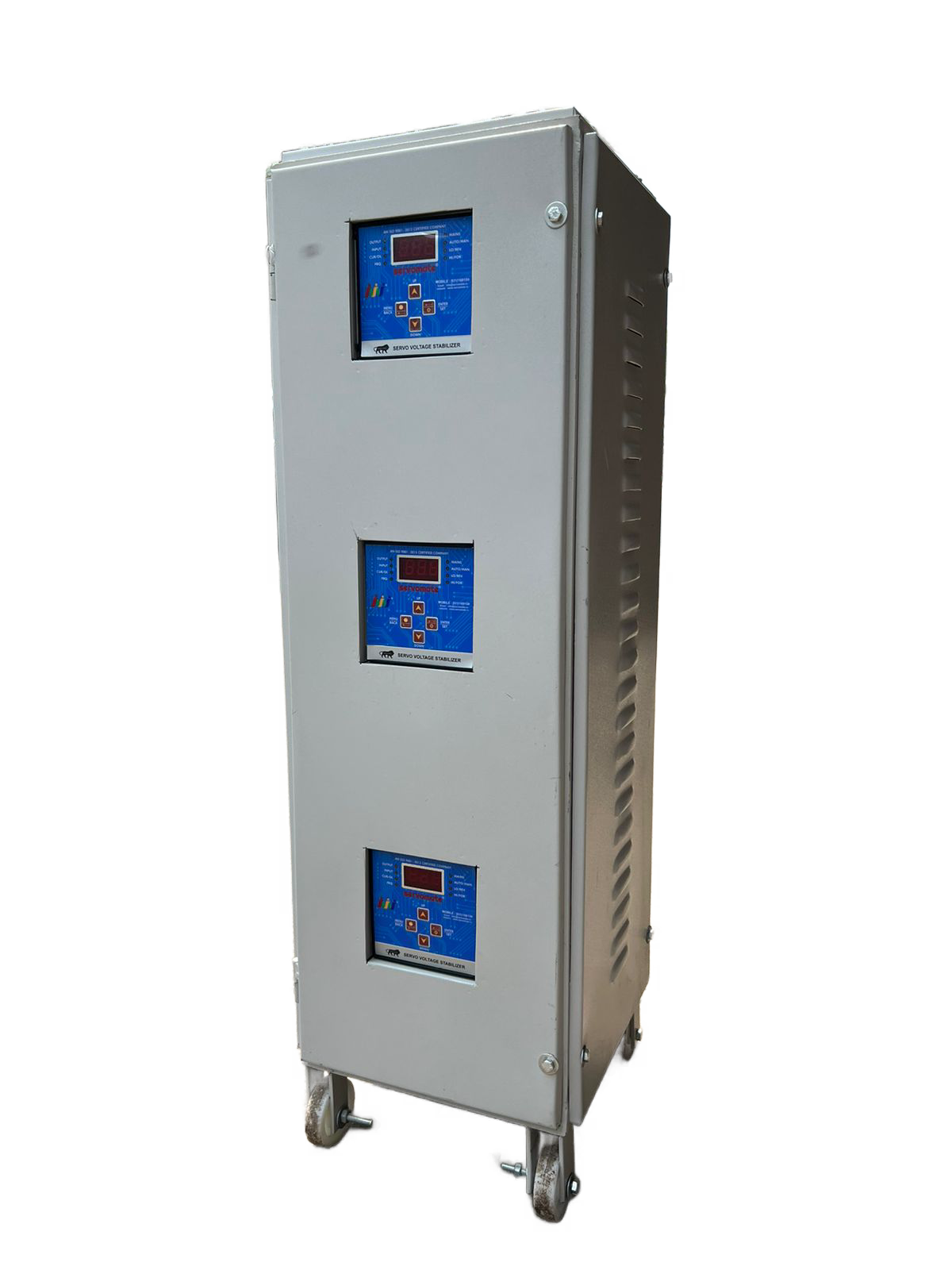
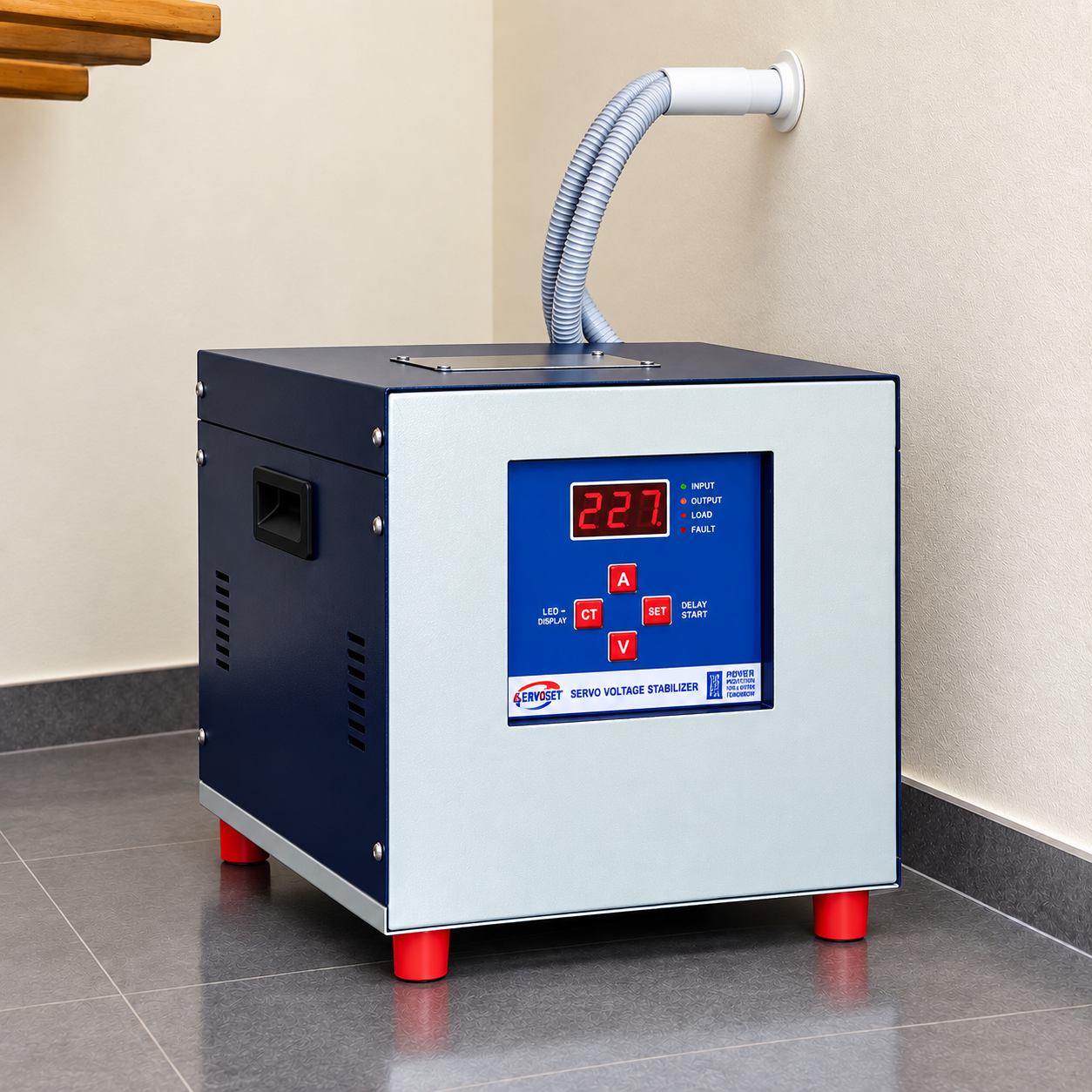
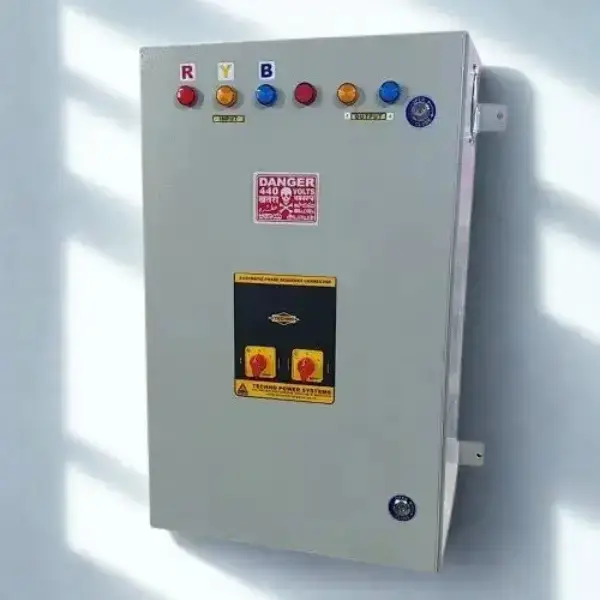
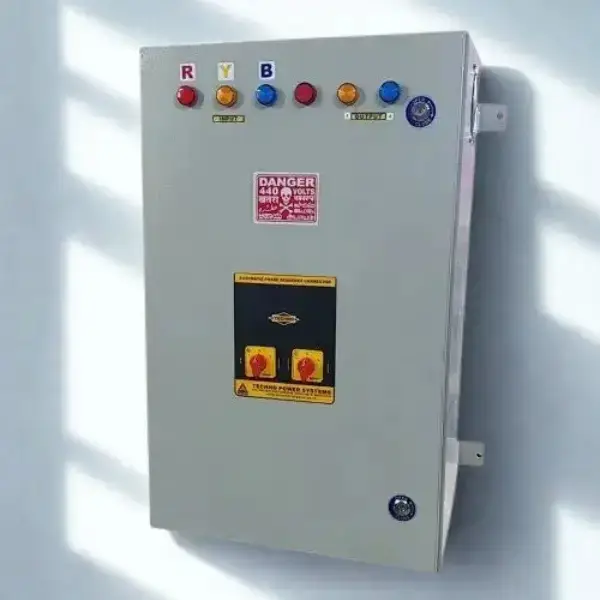
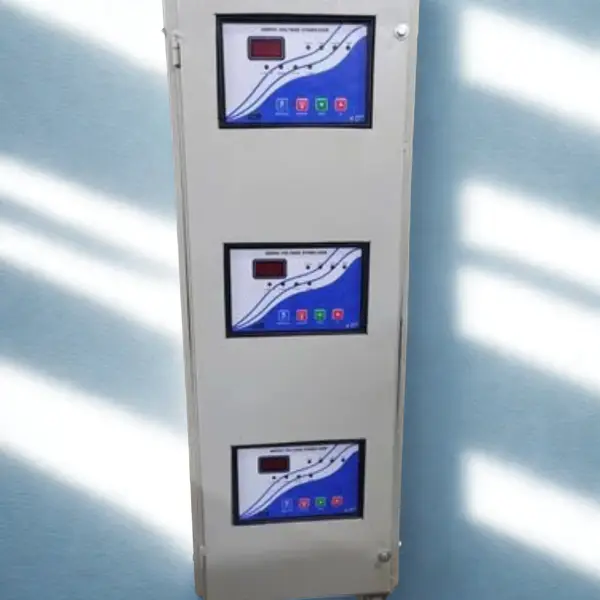
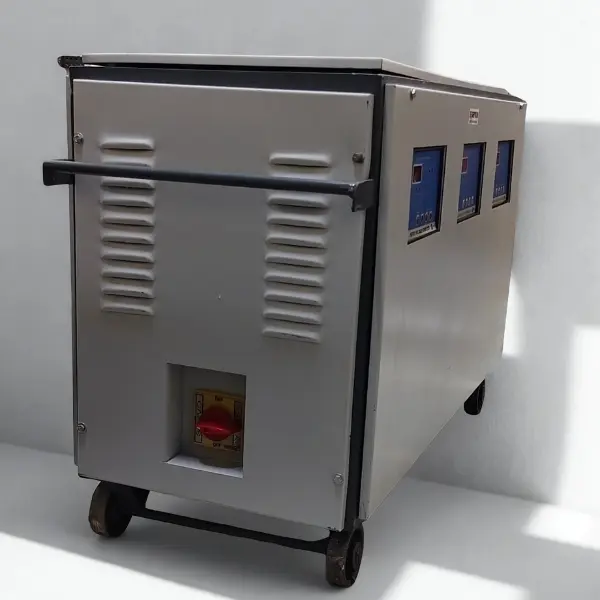
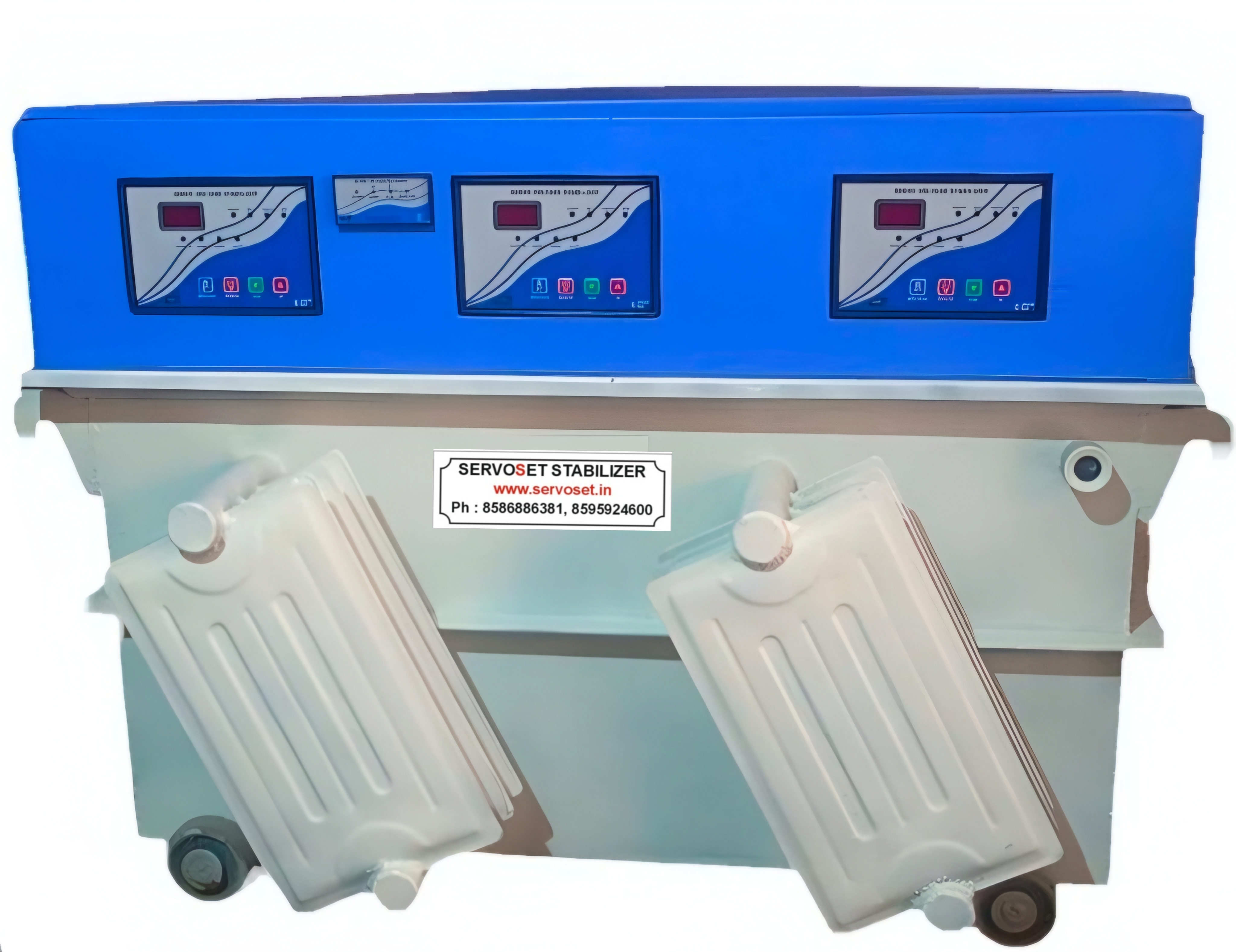
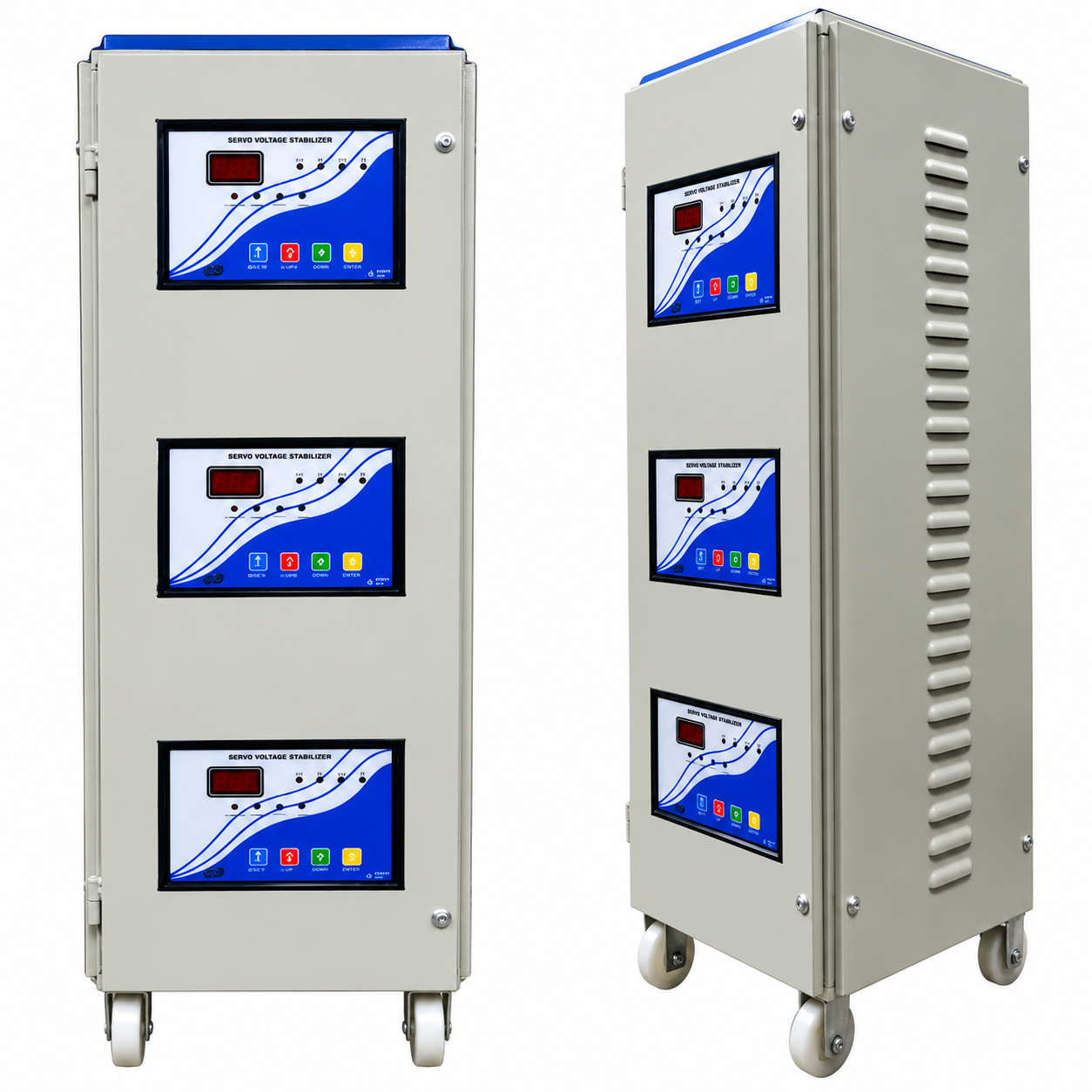
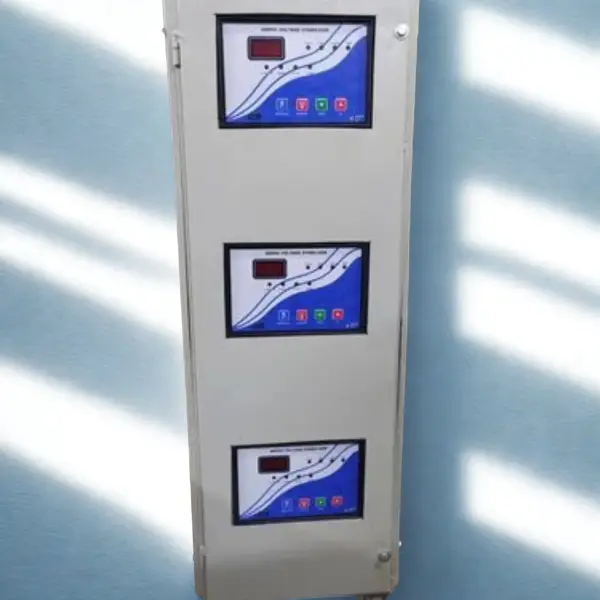
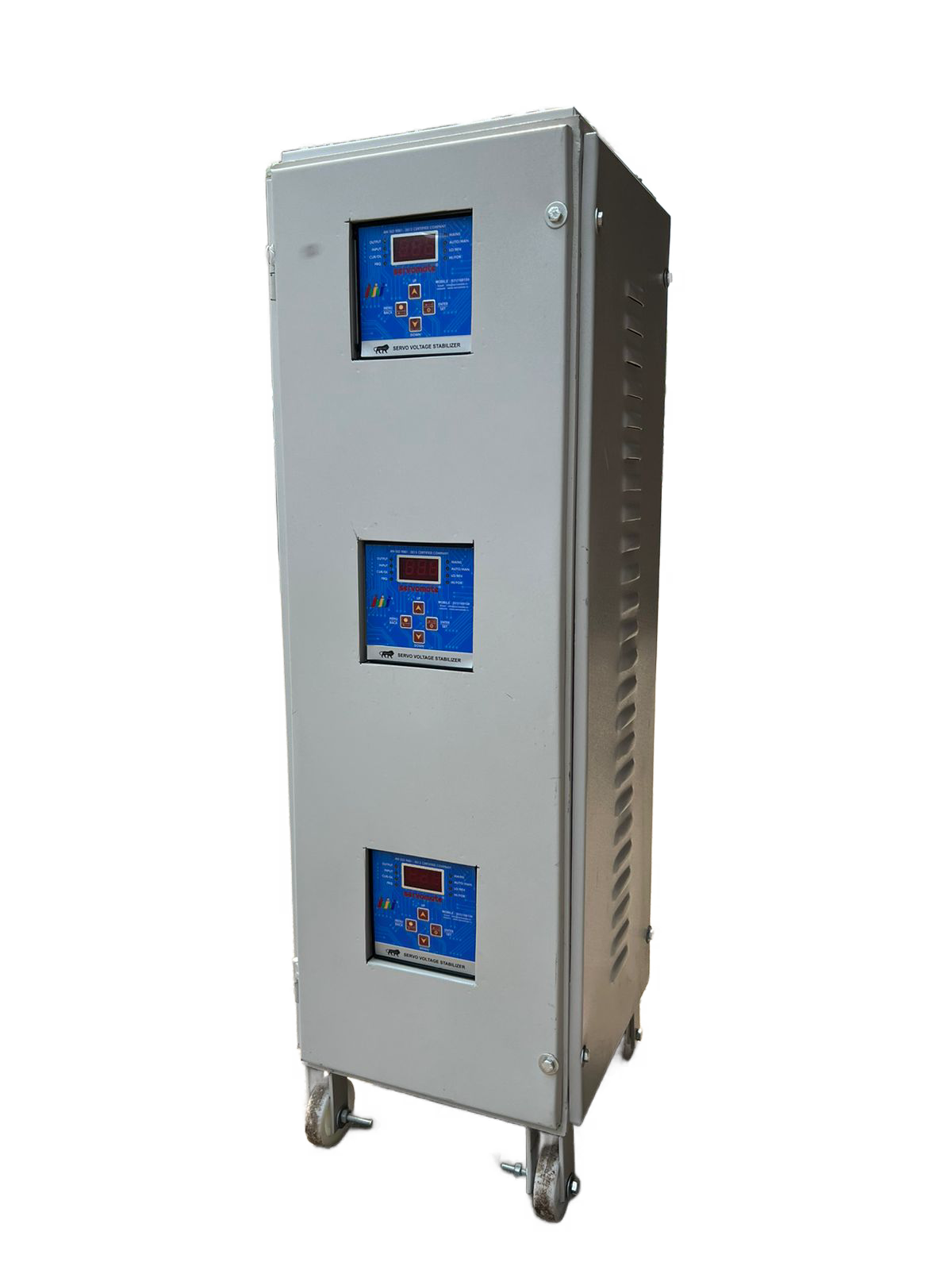
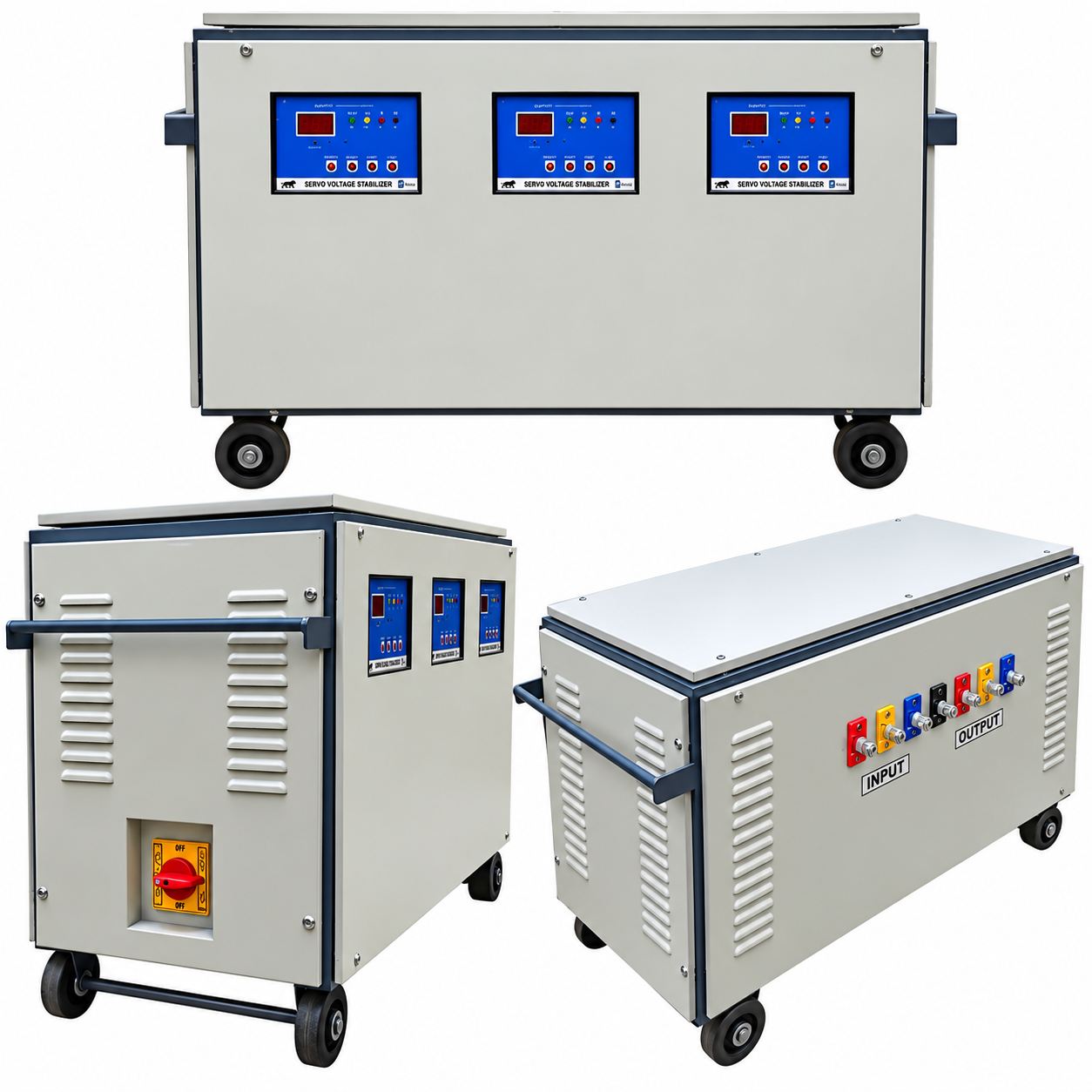
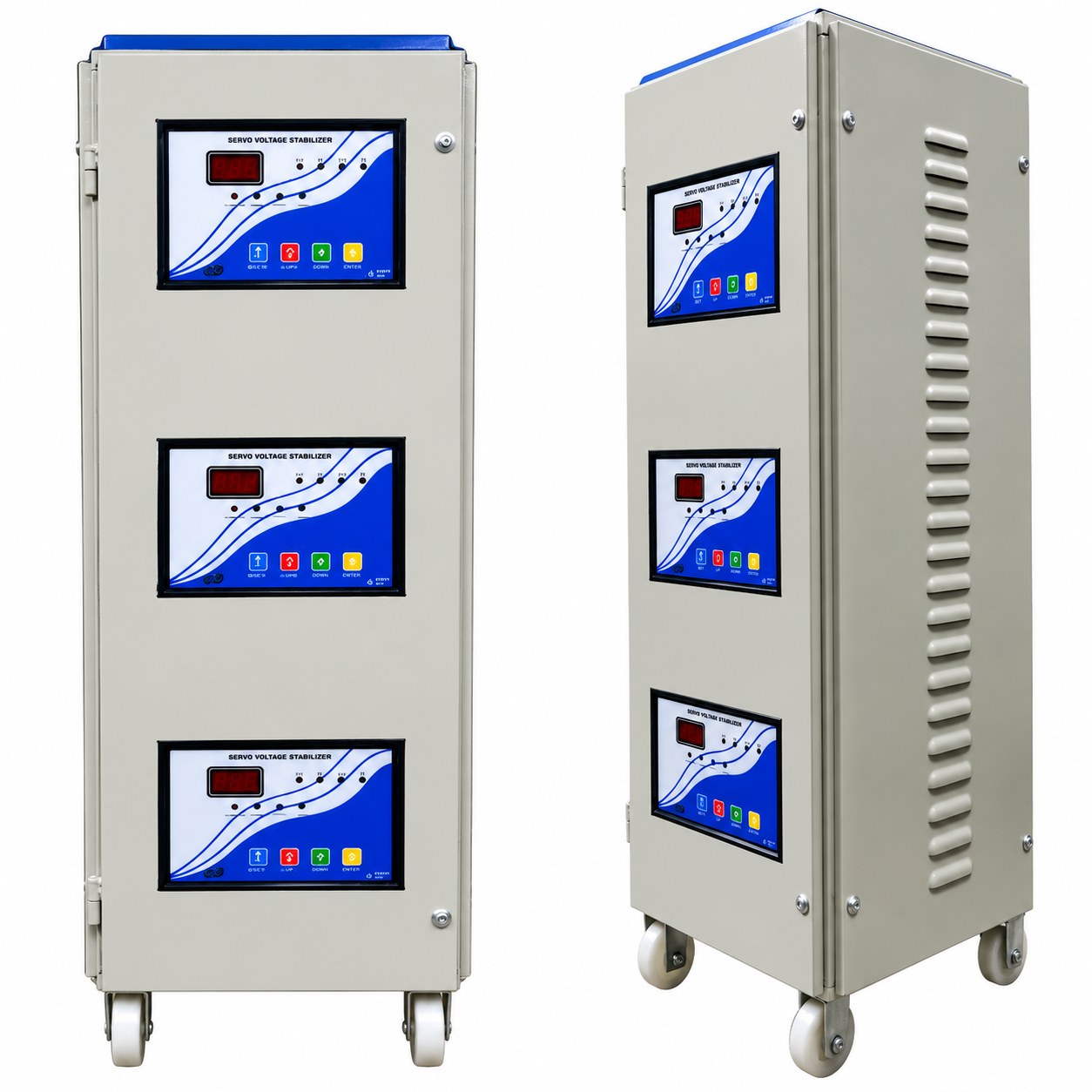
A three phase servo voltage stabilizer is an automatic voltage regulator made for three phase supply, usually 415V between phases. Its job is simple: no matter what voltage comes in from the grid, it delivers a steady, safe voltage to your machines.
Unlike basic protection devices that only switch off when voltage goes out of range, a servo stabilizer actively corrects the voltage and keeps your plant running. This is why it is widely used with motors, compressors, CNC machines, lifts, pumps, printing lines and other loads where a stable supply directly affects output and machine life.
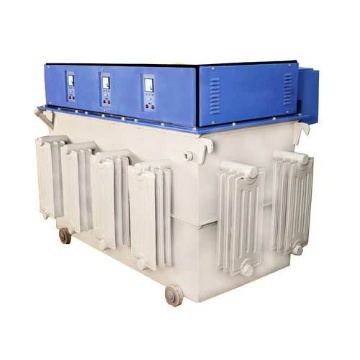
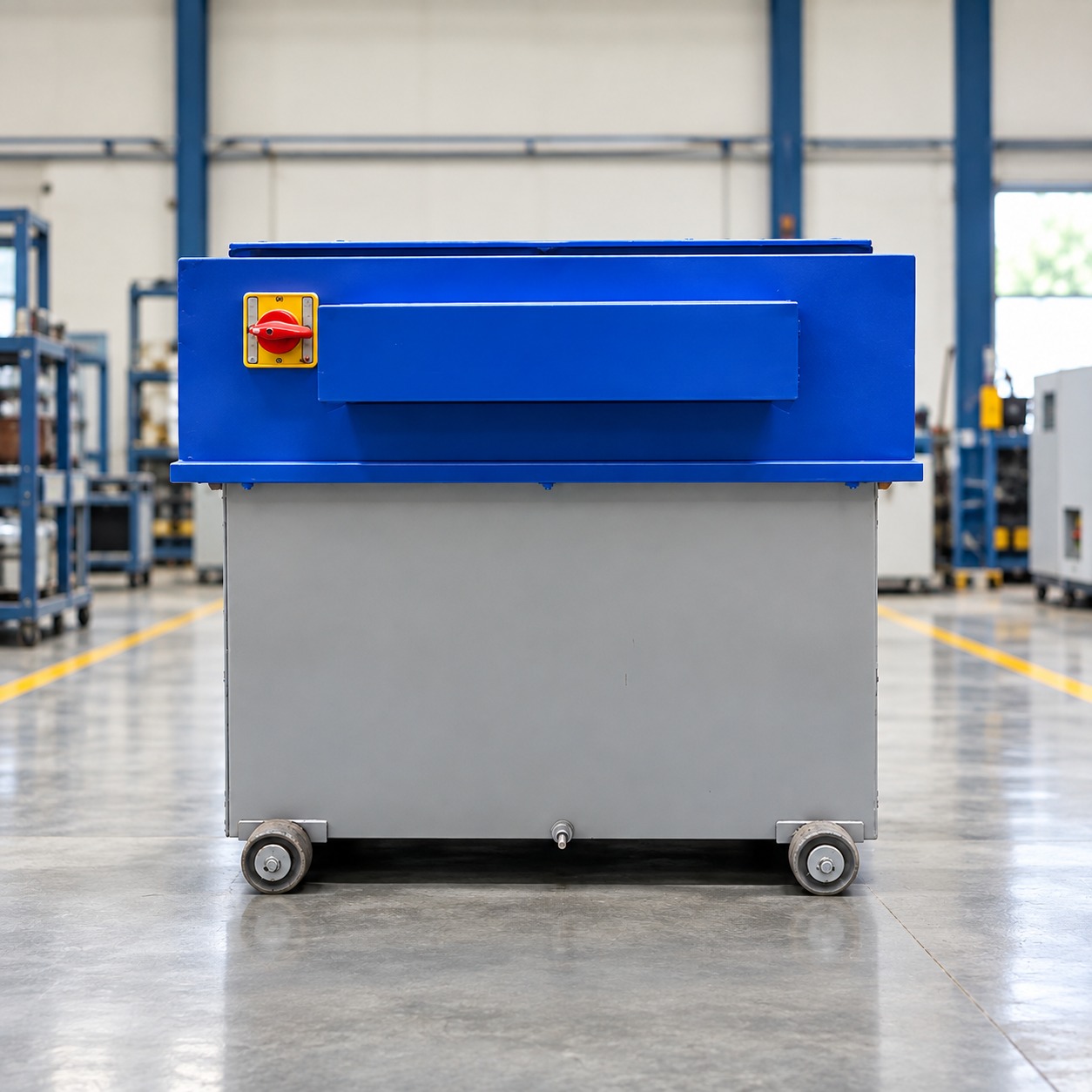
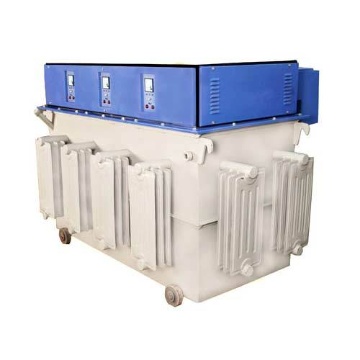
It is also called a servo-controlled voltage stabilizer because a small servo motor does the correction work. The word "servo" simply means the correction is controlled and precise rather than sudden. Capacities generally start from a few kVA and go up to several hundred kVA, so there is a size for a small workshop as well as a large factory.
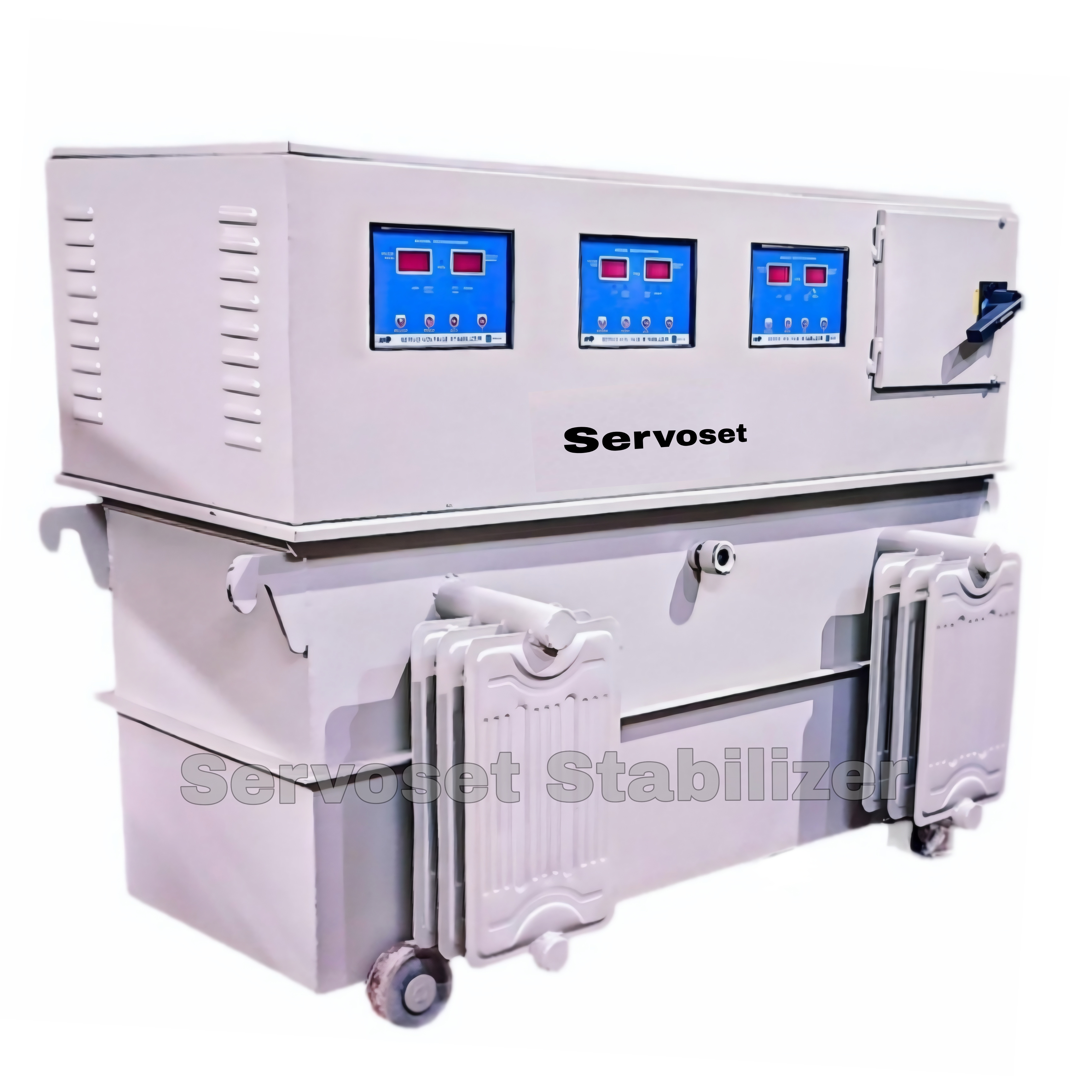
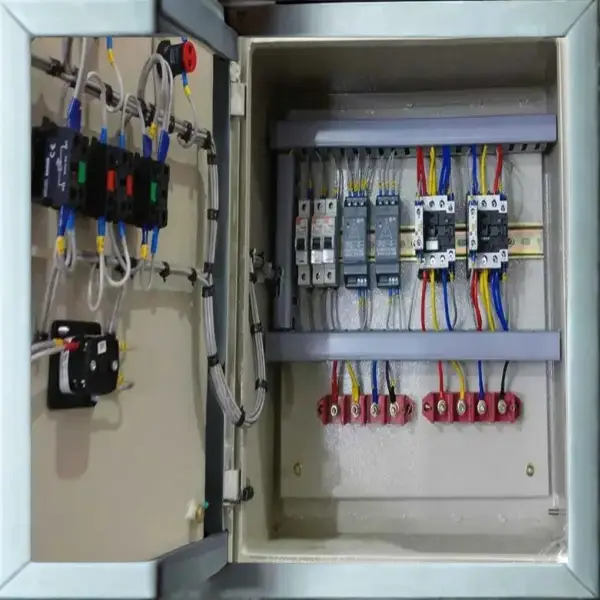
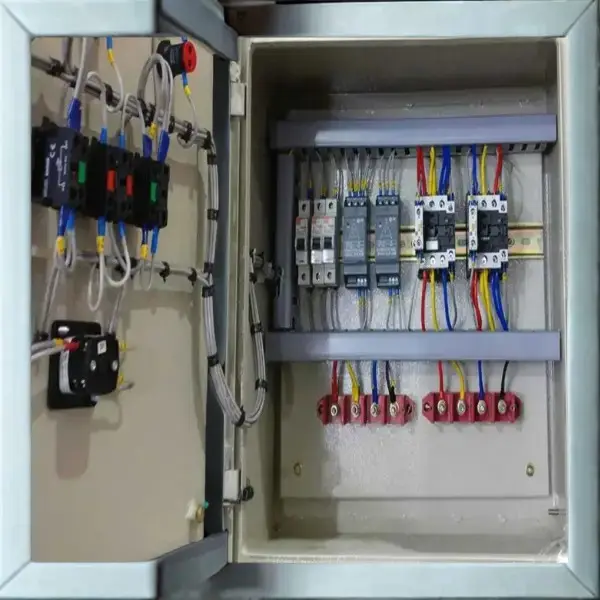
Inside, it combines a few key parts:
Variable autotransformer (dimmerstat): the part that actually adjusts the voltage.
Servo motor: turns the autotransformer's carbon brush to the right position.
Control card: keeps checking the output and tells the motor when to move.
Buck-boost transformer: adds or subtracts a small voltage to fine-tune the final output.
Protection circuits: guard the stabilizer and your load against overload, short circuit and extreme voltage.
How a Three Phase Servo Stabilizer Corrects Voltage, Step by Step
Here is what happens inside the unit every time your supply changes:
1. Sensing
The control card continuously measures the output voltage and compares it with the set value.
2. Decision
If the voltage is lower or higher than it should be, the card calculates how much correction is needed.
3. Movement
It sends a signal to the servo motor, which rotates in the right direction.
4. Adjustment
The motor moves the carbon brush on the autotransformer, which changes the voltage going to the buck-boost transformer.
5. Correction
The buck-boost transformer adds or reduces voltage, bringing the output back to normal.
6. Repeat
This cycle keeps running all day, so the correction is smooth and nearly unnoticeable to your machines.
The output typically stays within about ±1% of the set value. Because the correction is step-less and not jerky, sensitive electronics and drives are protected too.
Balanced vs Unbalanced: Choose Carefully
This is the point where many buyers go wrong.
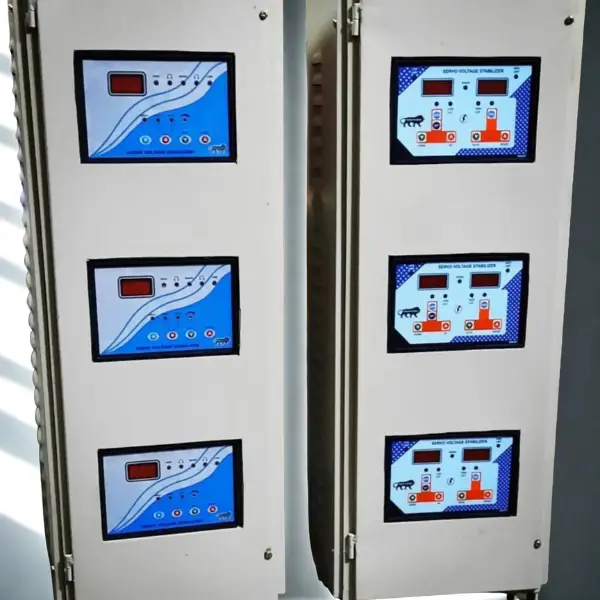
Balanced (Common Correction)
All three phases are corrected together, based on the average. It suits loads that draw nearly equal current on all phases, such as three phase motors and pumps.
Unbalanced (Independent Phase Correction)
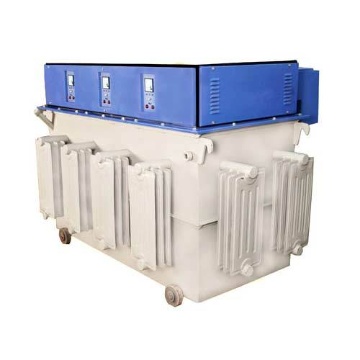
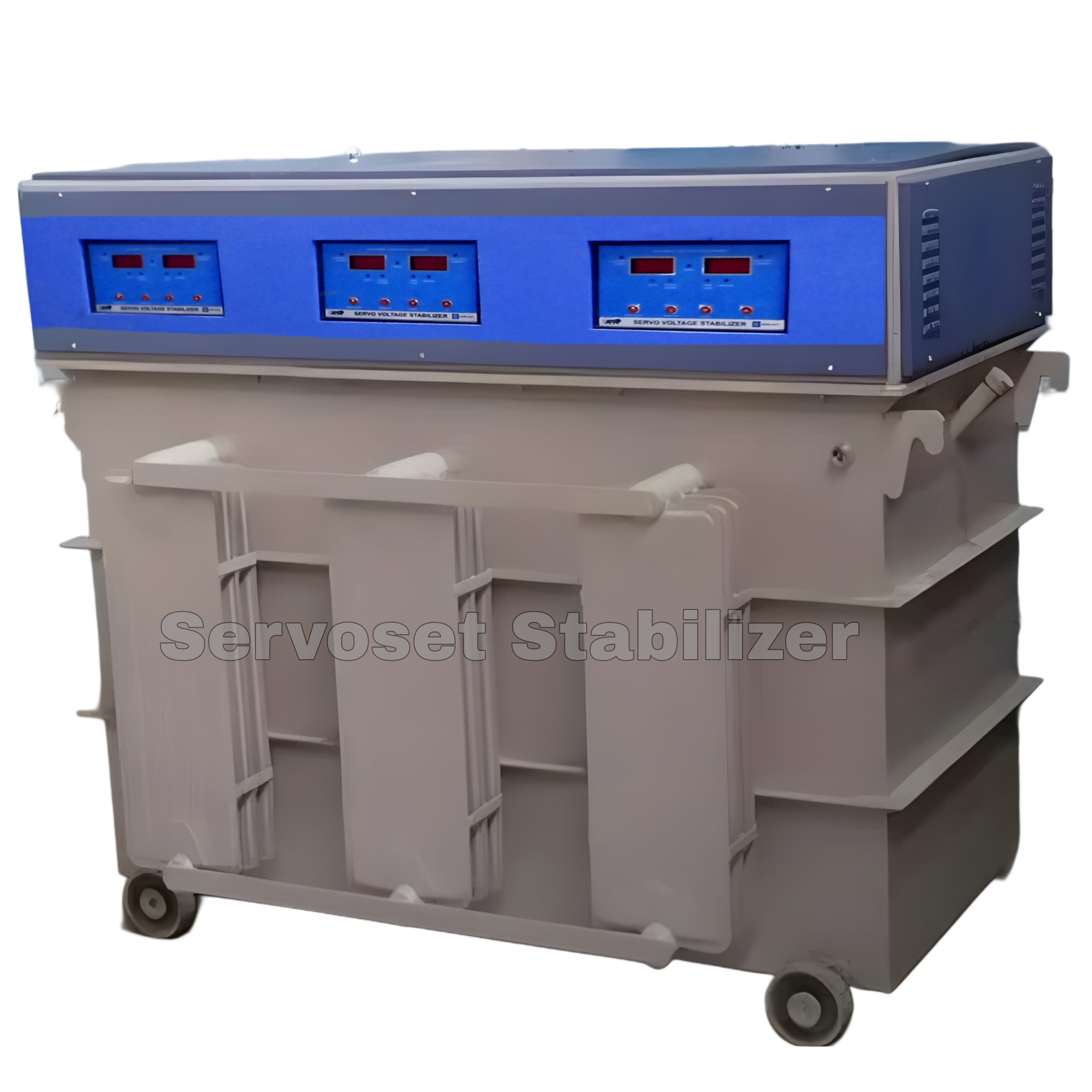
Each phase has its own servo system and corrects itself. It suits mixed loads, where single phase equipment, lighting, computers and office loads share the supply with three phase machines.
If your factory has a mix of loads, which is very common in Jaipur's small and medium units, an independent-phase model usually gives better protection.
Where Three Phase Servo Stabilizers Are Used in Jaipur
Jaipur's industries are very different from each other, and so are their power needs. Here is where these stabilizers make the biggest difference:
Stone and marble processing: cutting and polishing machines run on heavy motors that suffer badly from low voltage.
Gem and jewellery units: precision cutting, polishing and casting equipment needs a steady supply to keep quality consistent.
Textile, dyeing and block printing: drying machines, printing tables and stitching lines depend on stable power.
Handicraft and furniture workshops: woodworking machines and spray booths often run on long shifts.
Plastic, packaging and food units: extruders, sealing machines and chillers are sensitive to voltage swings.
IT parks, hospitals, hotels and showrooms: lifts, HVAC and server rooms need uninterrupted, clean power.
Whether your unit is in Sitapura, VKI, Mansarovar or on the Bagru side, the right stabilizer saves you from repeated motor repairs and unplanned stoppages.
How to Choose the Right Size
A rough method many engineers use:
1. Calculate Your Connected Load
Note the total connected load in kVA, or calculate it from voltage and current: kVA = (√3 × 415 × current in amps) ÷ 1000.
2. Add a Safety Buffer
Add a buffer of about 20 to 25% for future load and motor starting current.
3. Check Your Input Voltage Range
Check the real input voltage range at your site, since this decides which input range model you need.
4. Select the Nearest Higher Rating
Choose the nearest higher standard rating, never a lower one.
Example: A unit drawing about 100 amps on each phase has a load of roughly 72 kVA. With a buffer, a 90 to 100 kVA stabilizer would be a sensible choice.
What Else to Check Before Buying
Input voltage range: a wider range suits areas with deeper sags.
Correction speed: faster correction protects sensitive electronics.
Protections: look for overload, short circuit, single phasing and high/low cut-off.
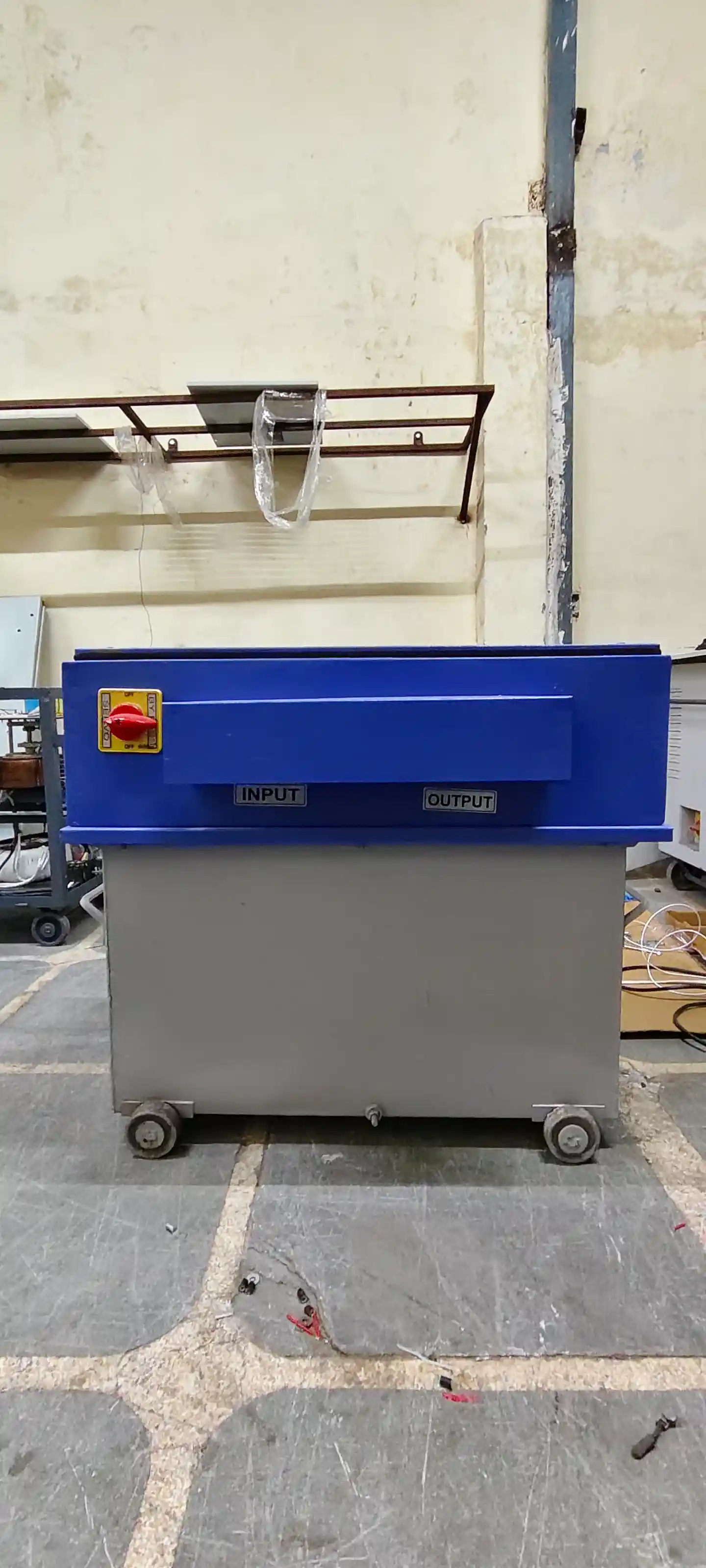
Bypass switch: lets you keep the load running during maintenance.
Build and service: quality of copper winding, carbon brush, and the availability of after-sales support in your city.
Benefits for Jaipur Businesses
Longer life for motors, compressors and drives.
Fewer unexpected breakdowns and production stops during summer peak.
Lower running heat and better power efficiency.
Steady output quality in precision work.
Better value from existing machines, without replacing them.
Basic Care Tips
Keep the unit in a ventilated, dry spot, especially during Jaipur's hot months. Clean dust from the vents regularly. Have the carbon brush and the servo mechanism checked at regular intervals. Tighten connections once in a while, since loose terminals heat up quickly. A little routine care goes a long way.
FAQs
1. Why do factories in Jaipur need a three phase servo stabilizer?
Summer load, long supply lines and uneven phase loading cause frequent voltage fluctuations in industrial areas. A servo stabilizer keeps the supply steady and protects machines from these swings.
2. Can one three phase stabilizer run single phase loads too?
Yes, but an independent-phase (unbalanced) model is the better choice for this, because each phase is corrected on its own.
3. How is a servo stabilizer different from a static stabilizer?
A servo stabilizer uses a motor and transformer for smooth, step-less correction and handles higher loads. Static types use electronic switching and are usually chosen for lighter or specialised applications.
4. Is a stabilizer needed if my machines already have built-in protection?
Built-in protection usually just cuts power when voltage goes out of range. A stabilizer corrects the voltage so the machine can keep running.
5. How often does it need servicing?
A routine check once or twice a year is a good habit, more often in dusty surroundings.
Conclusion
A three phase servo voltage stabilizer is not an extra expense. It is protection for the machines that earn your money. If you are setting up or upgrading a unit in Jaipur, start with your actual load and voltage readings, then match them to the right type and capacity.
Looking for the right three phase servo stabilizer for your Jaipur plant? Share your load details with the Servoset team and get a recommendation suited to your site.