Introduction
Nestled along the banks of the Parvati River, Kasol has grown from a quiet Himalayan hamlet into one of Himachal Pradesh's busiest backpacker and tourist destinations. Guesthouses, cafes, hostels, and homestays now line the narrow mountain roads, all running on electrical systems that were never designed for today's load. Anyone who has spent a monsoon evening in Kasol watching the lights flicker, dim, and surge knows the problem well: voltage instability is a way of life in the hills. This is exactly where a single phase servo voltage stabilizer earns its keep, protecting everything from refrigerators and water heaters to routers, televisions, and kitchen equipment from the damage that comes with an unpredictable power supply.
This guide walks through what a single phase servo voltage stabilizer is, how it works, why it matters especially in a hill town like Kasol, and how to choose and maintain one.
What Is a Single Phase Servo Voltage Stabilizer?
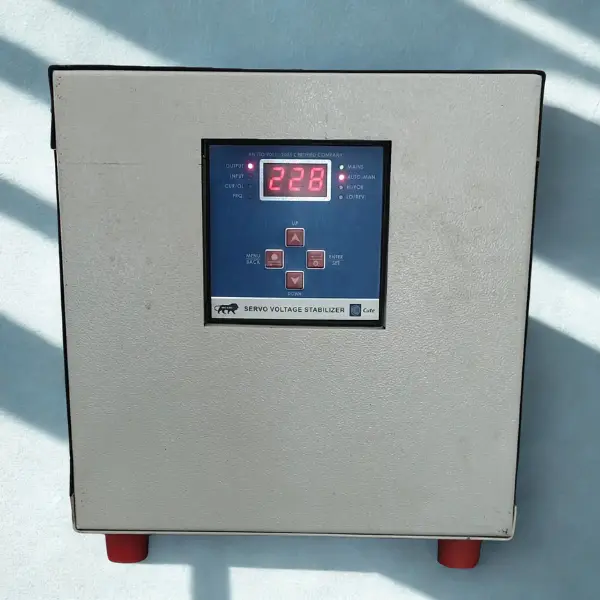
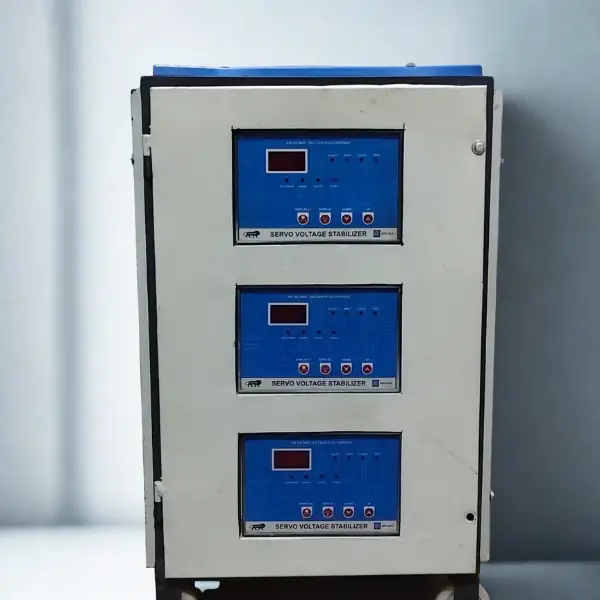
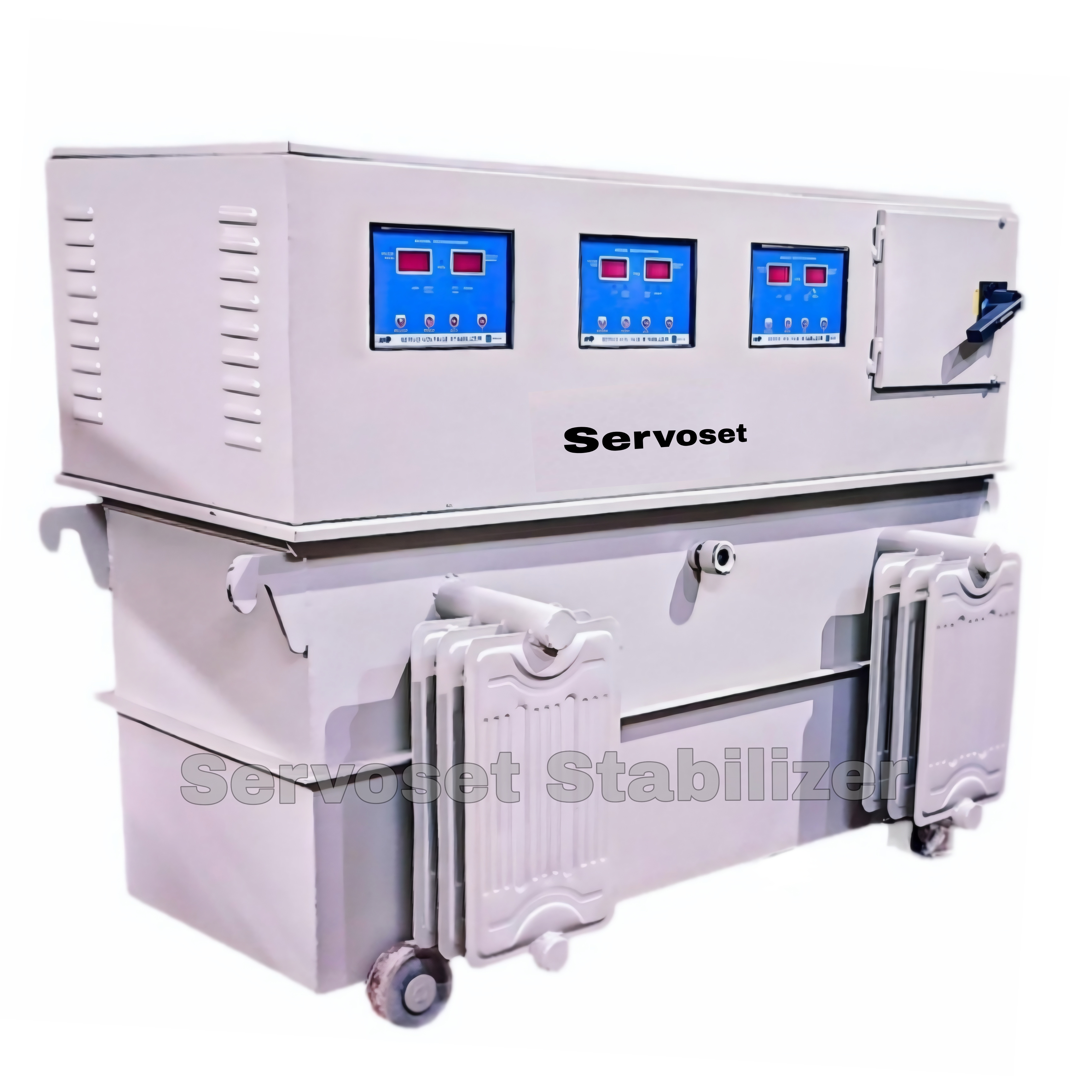
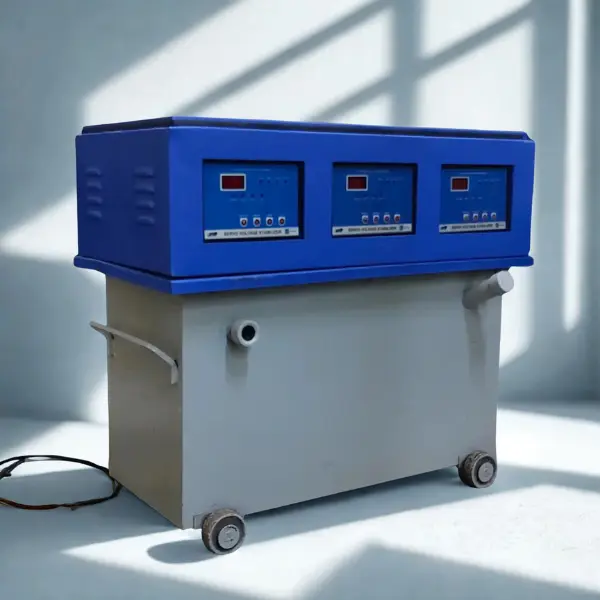
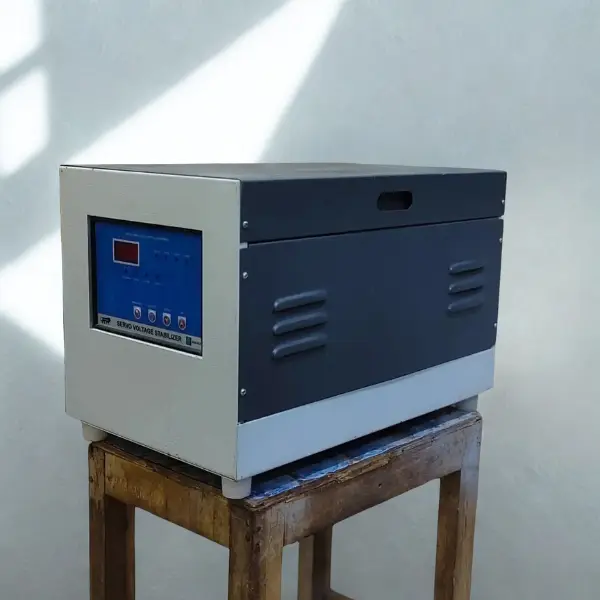
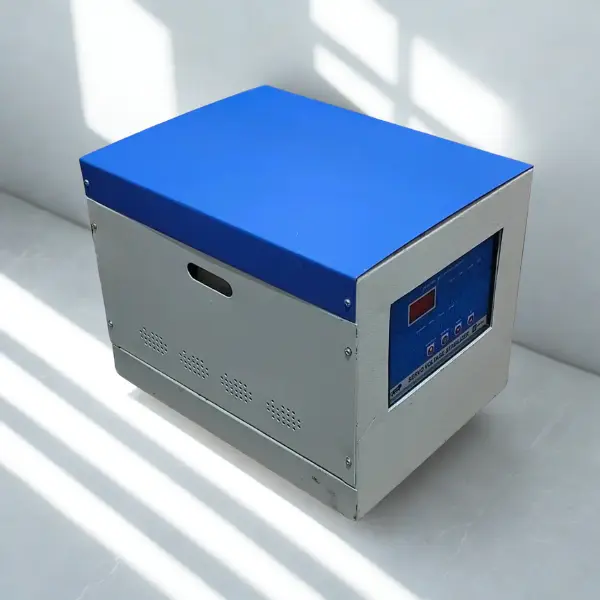
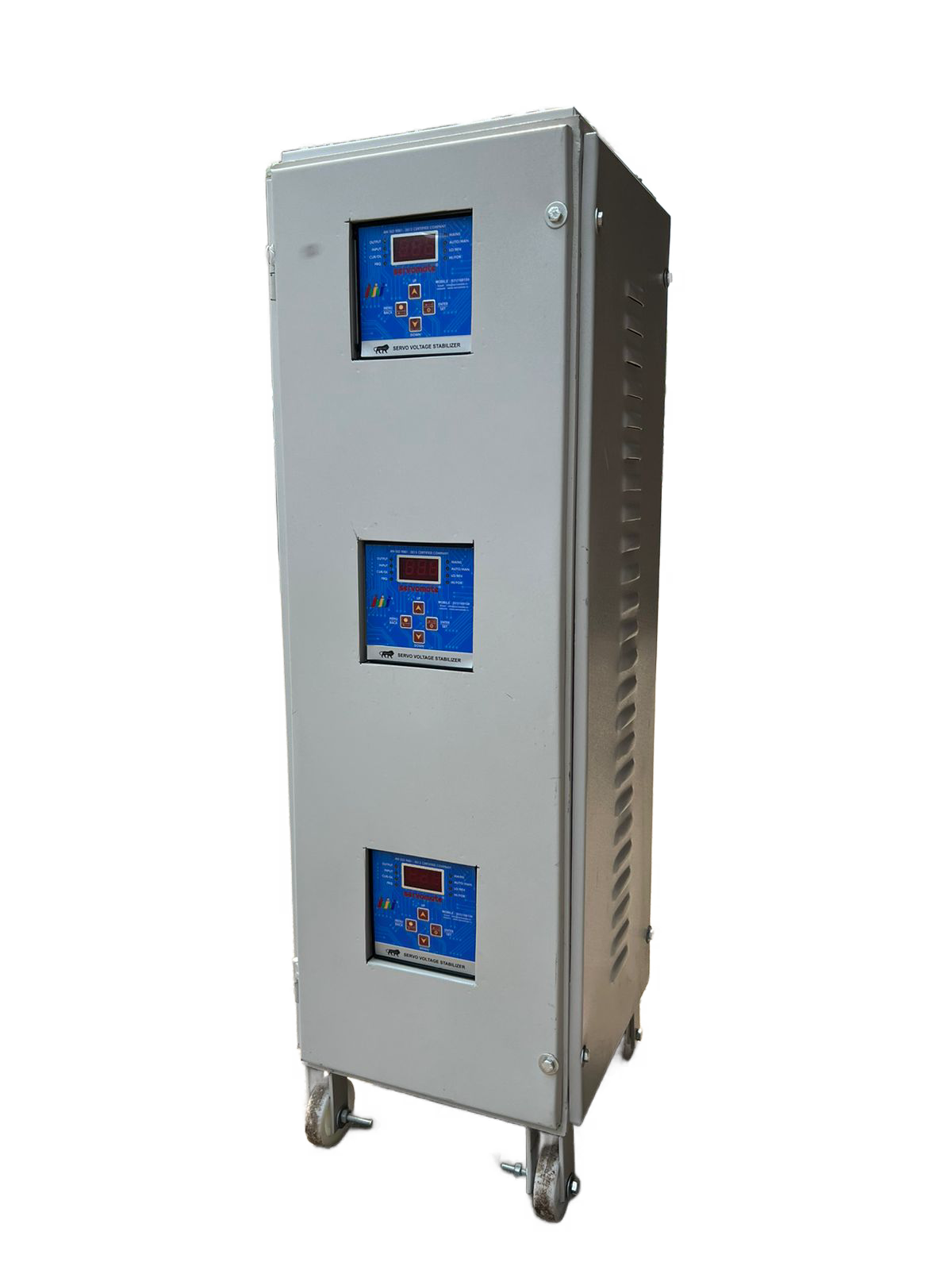
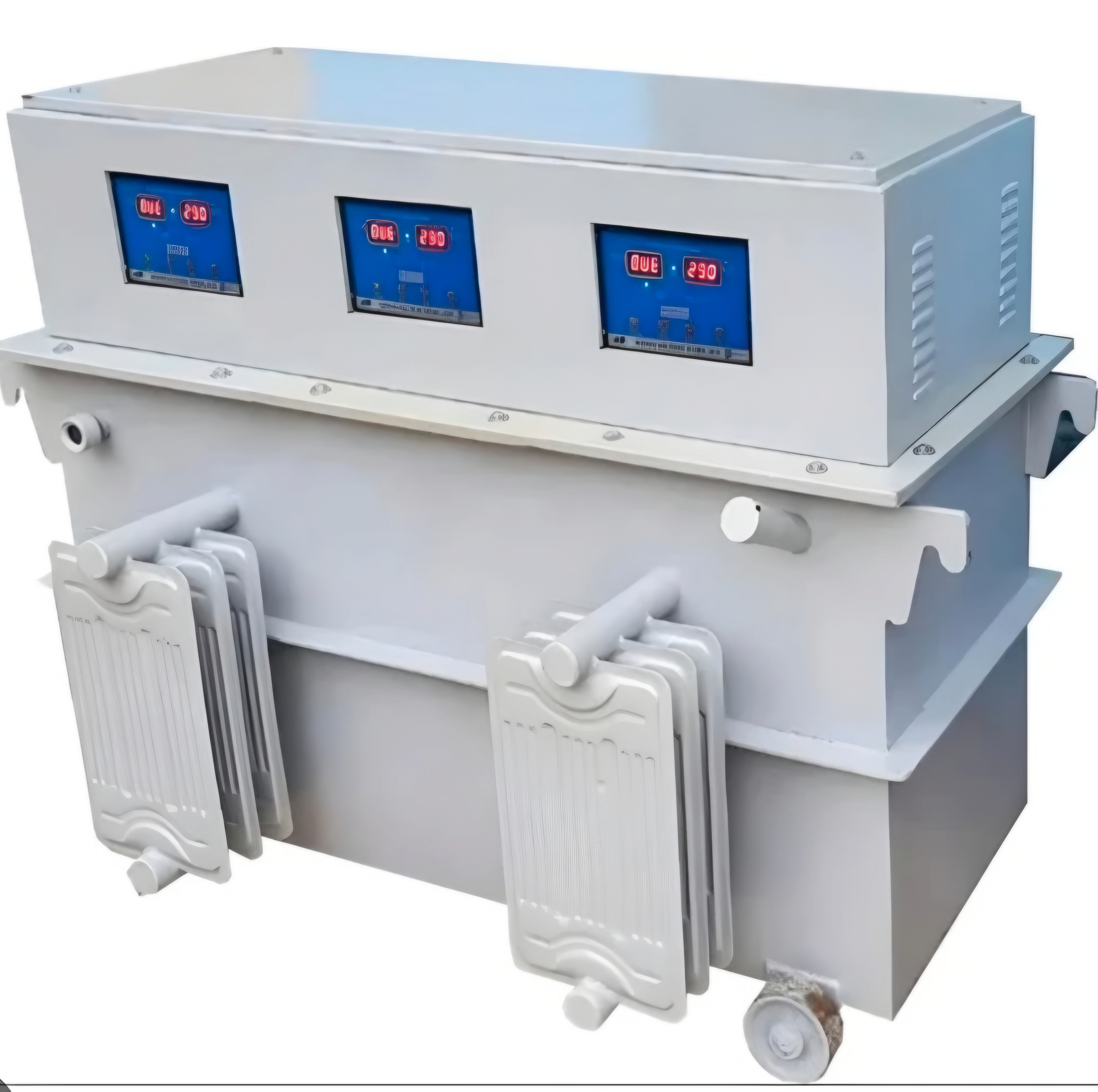
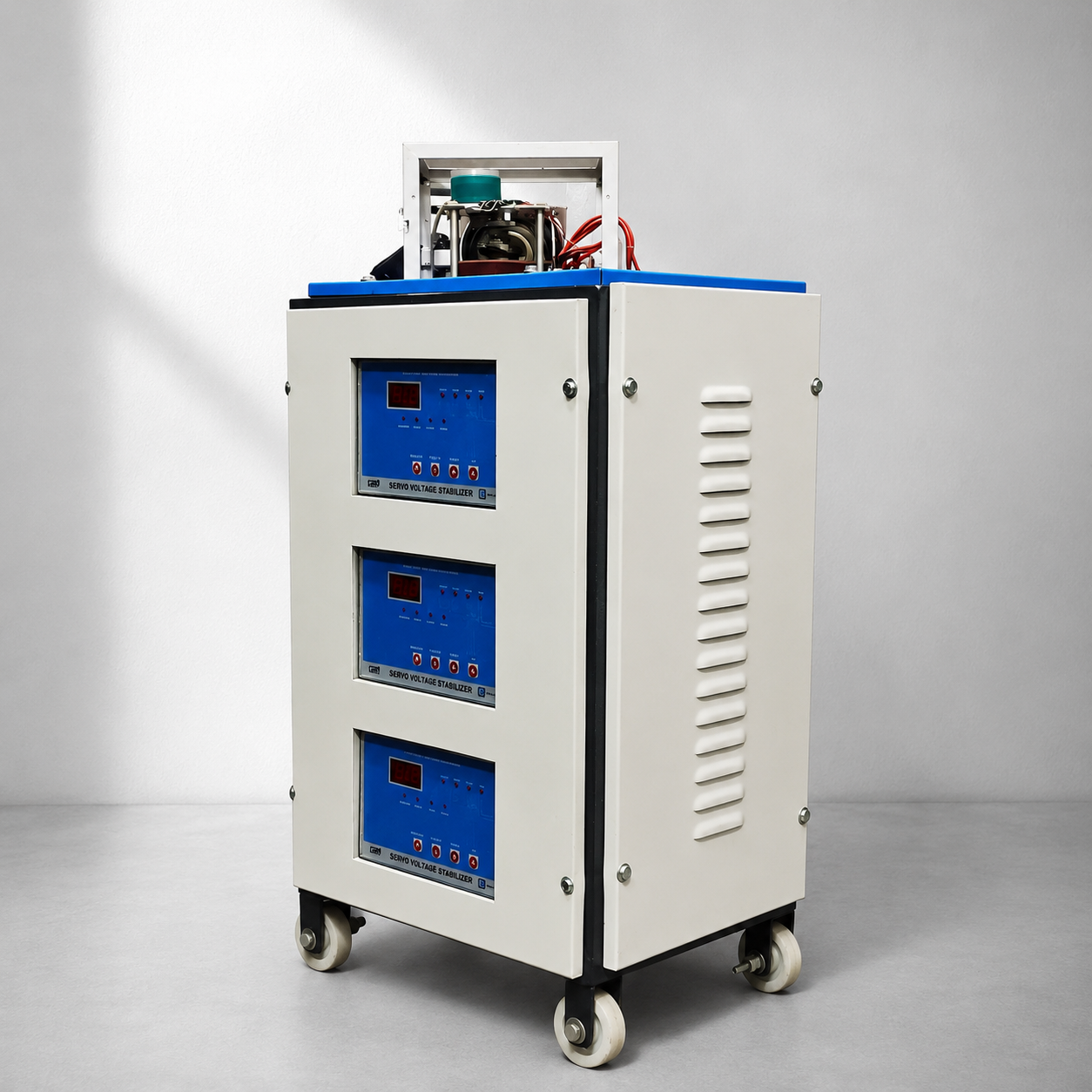
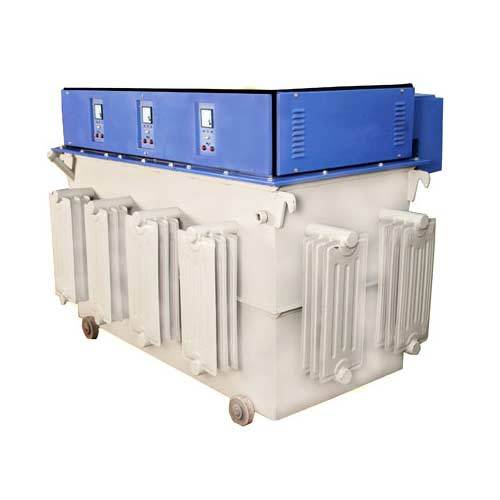
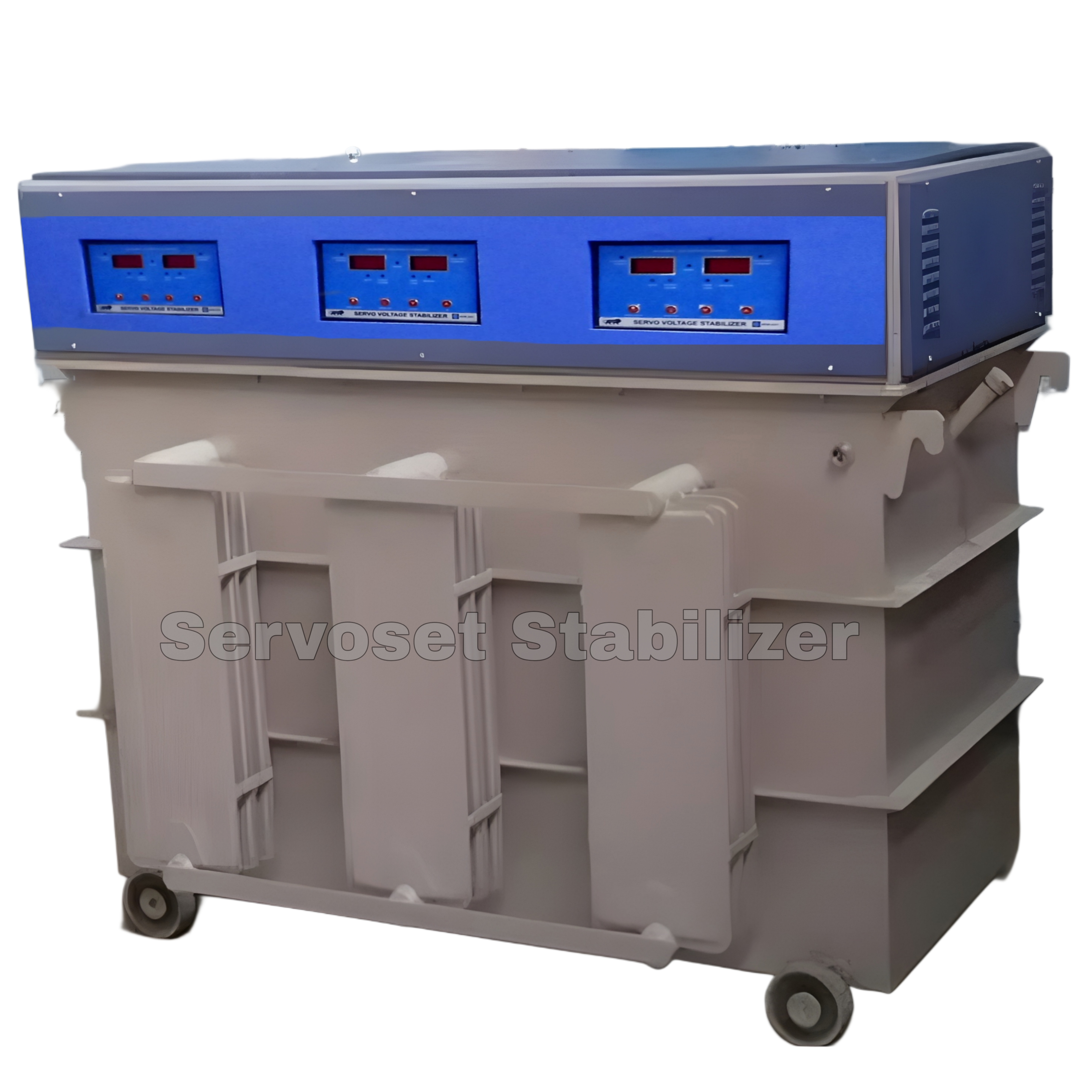
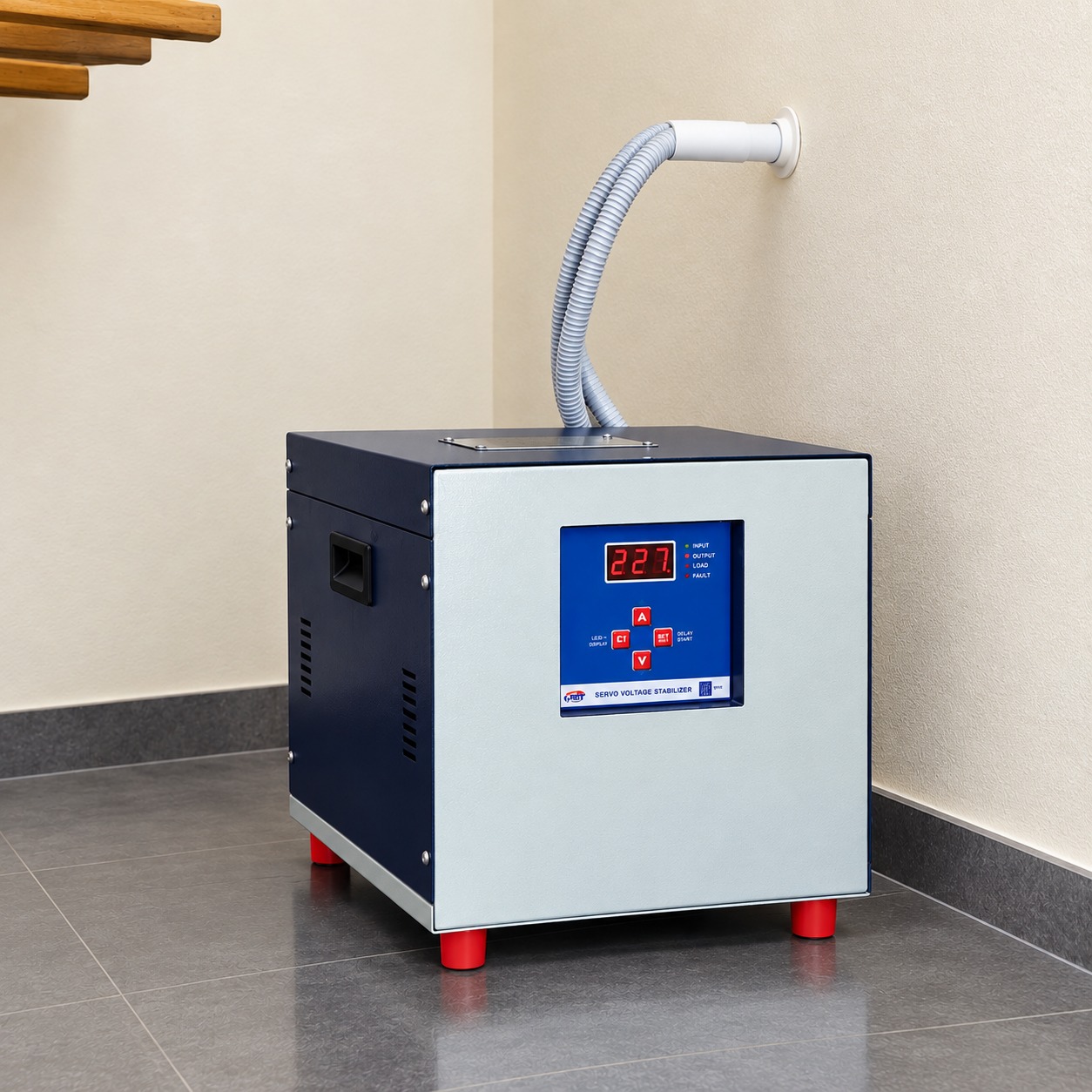
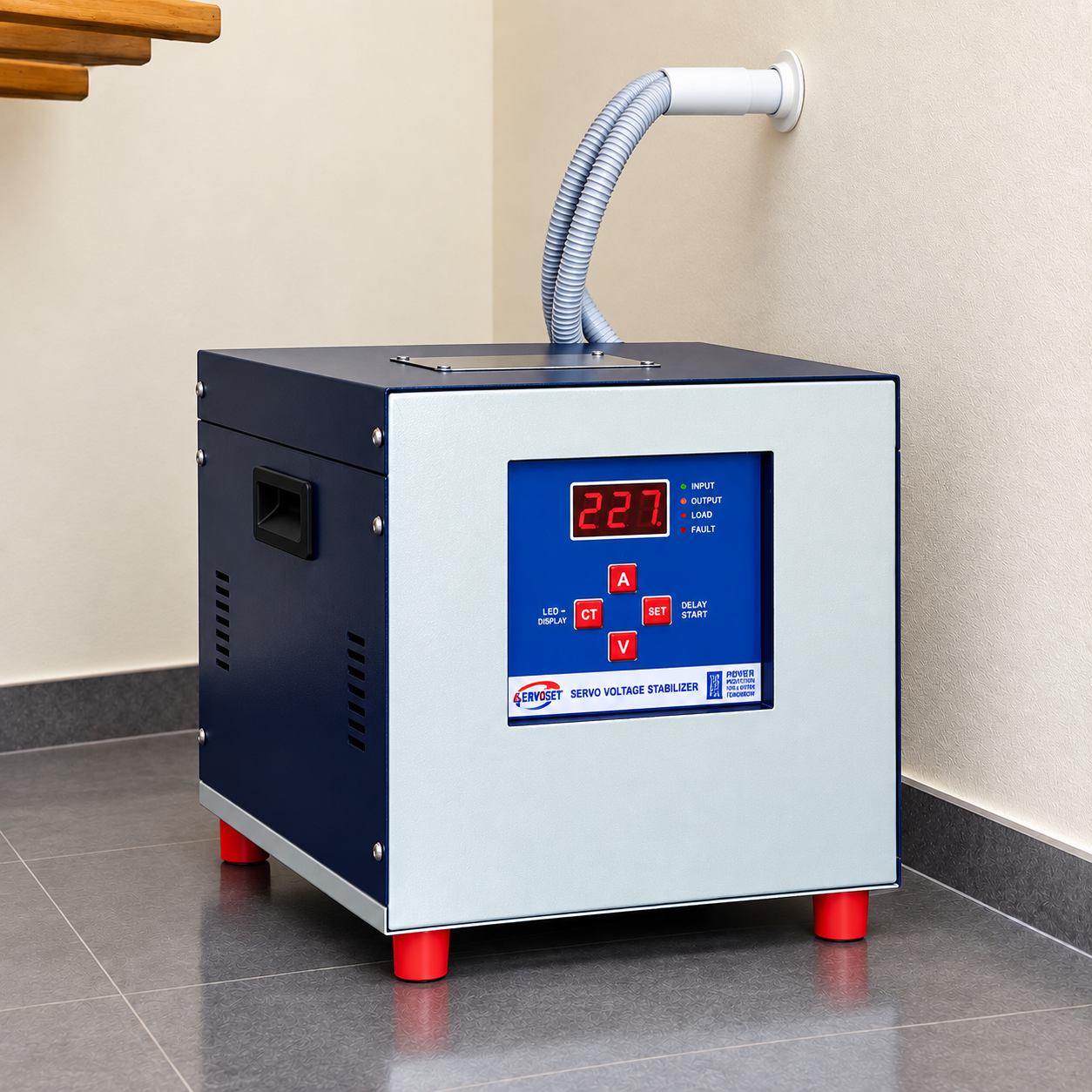
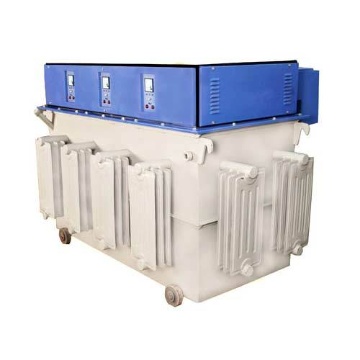
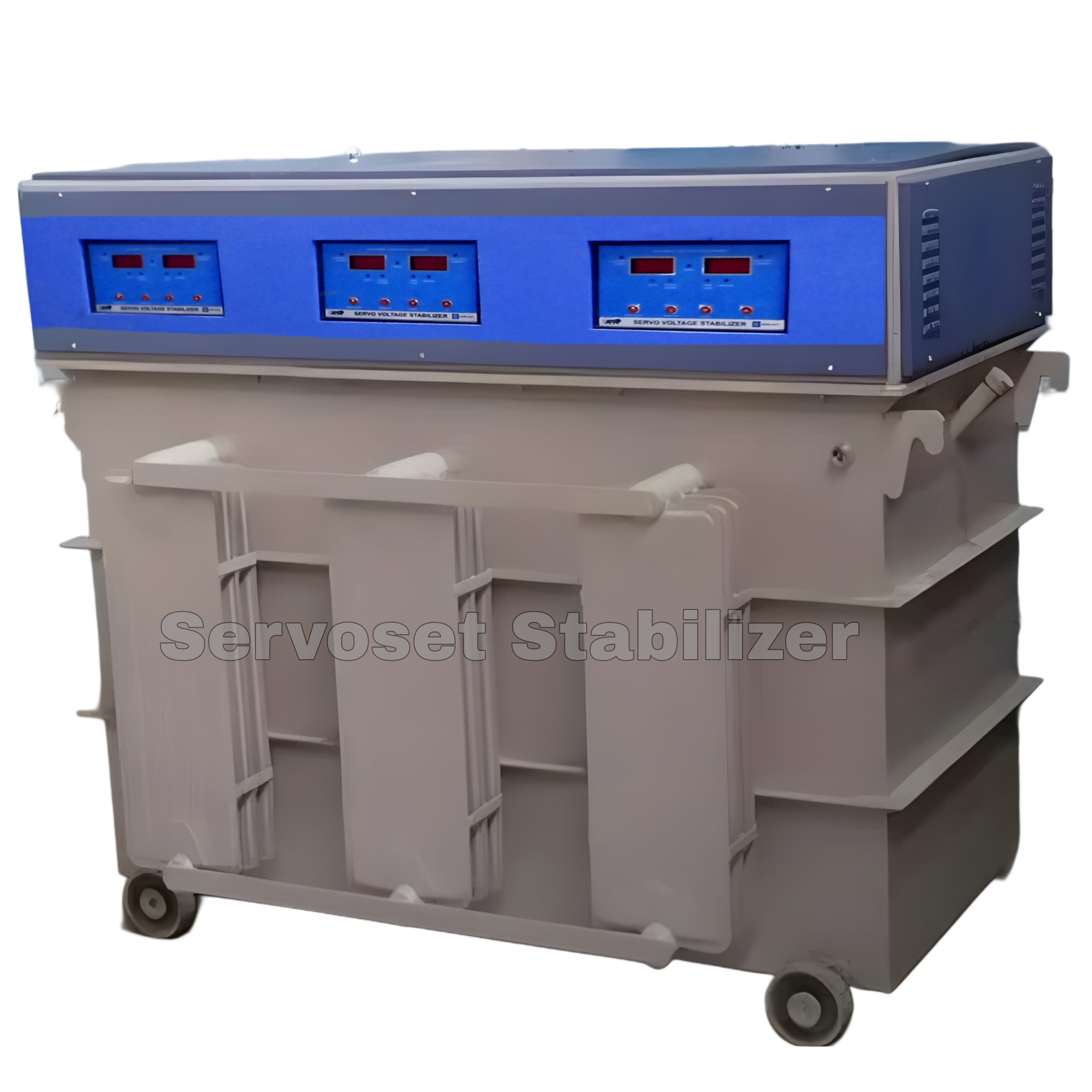
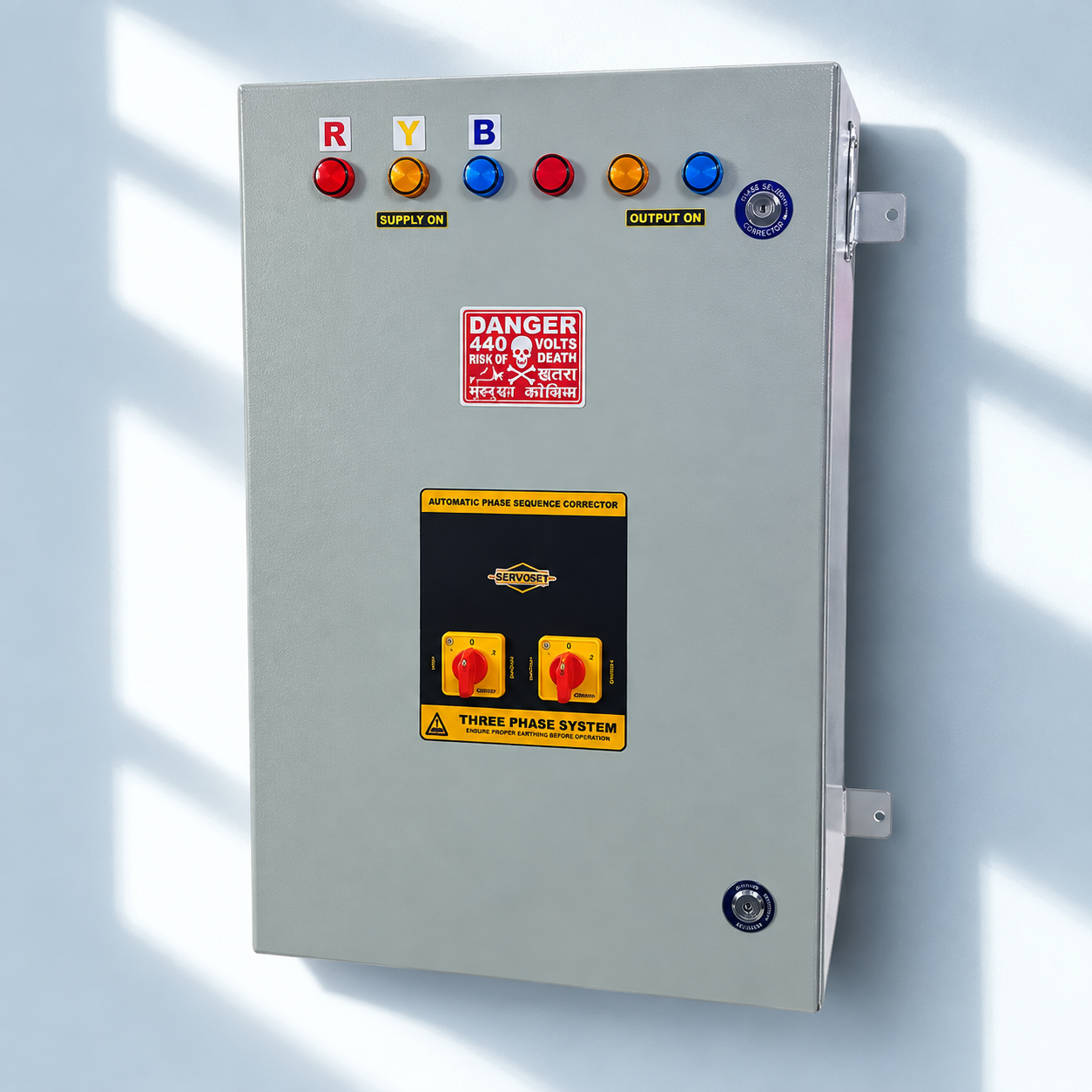
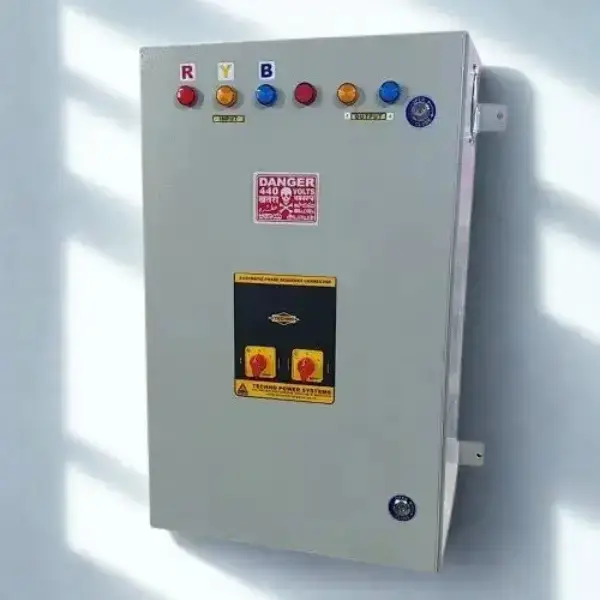
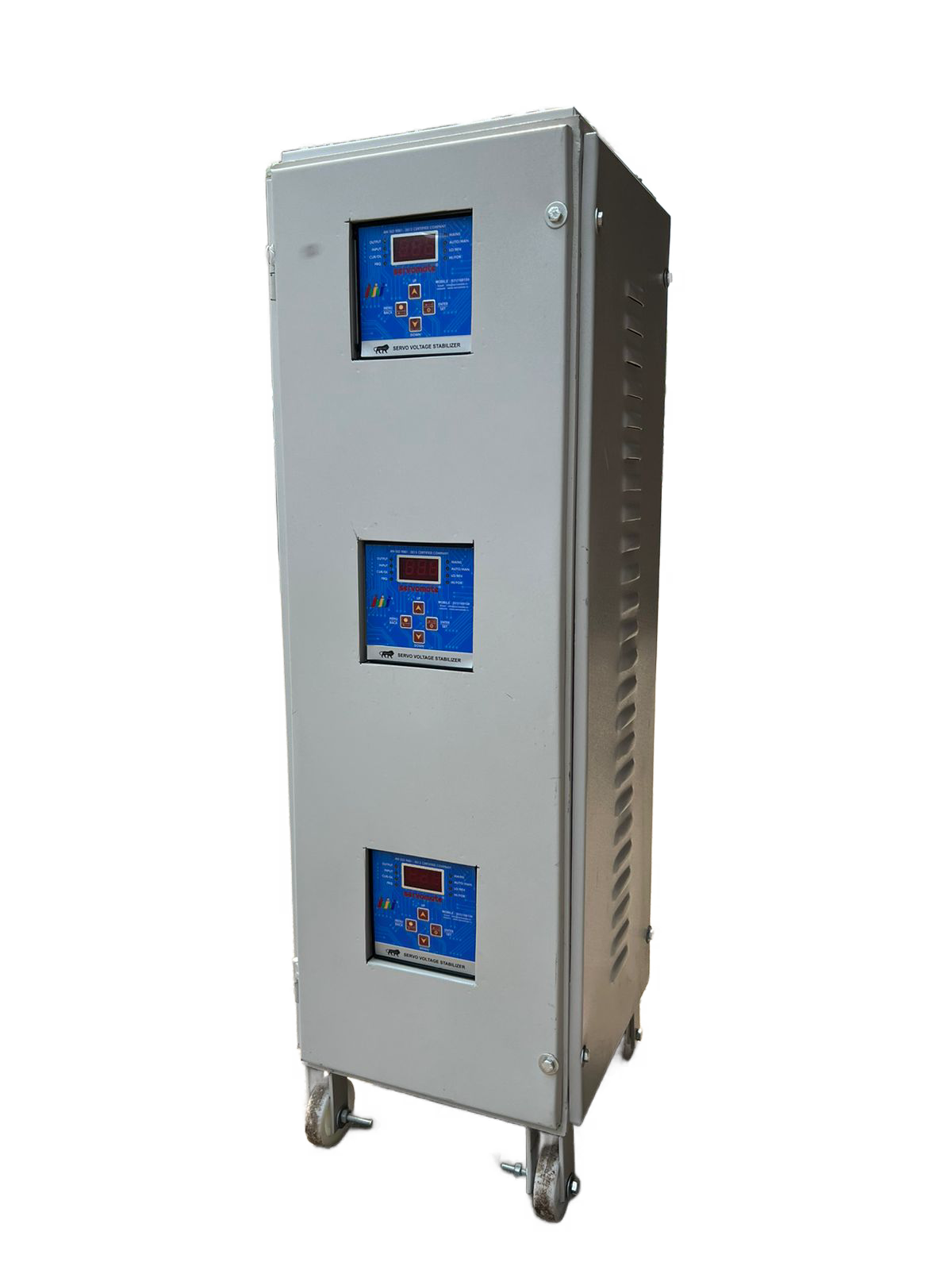
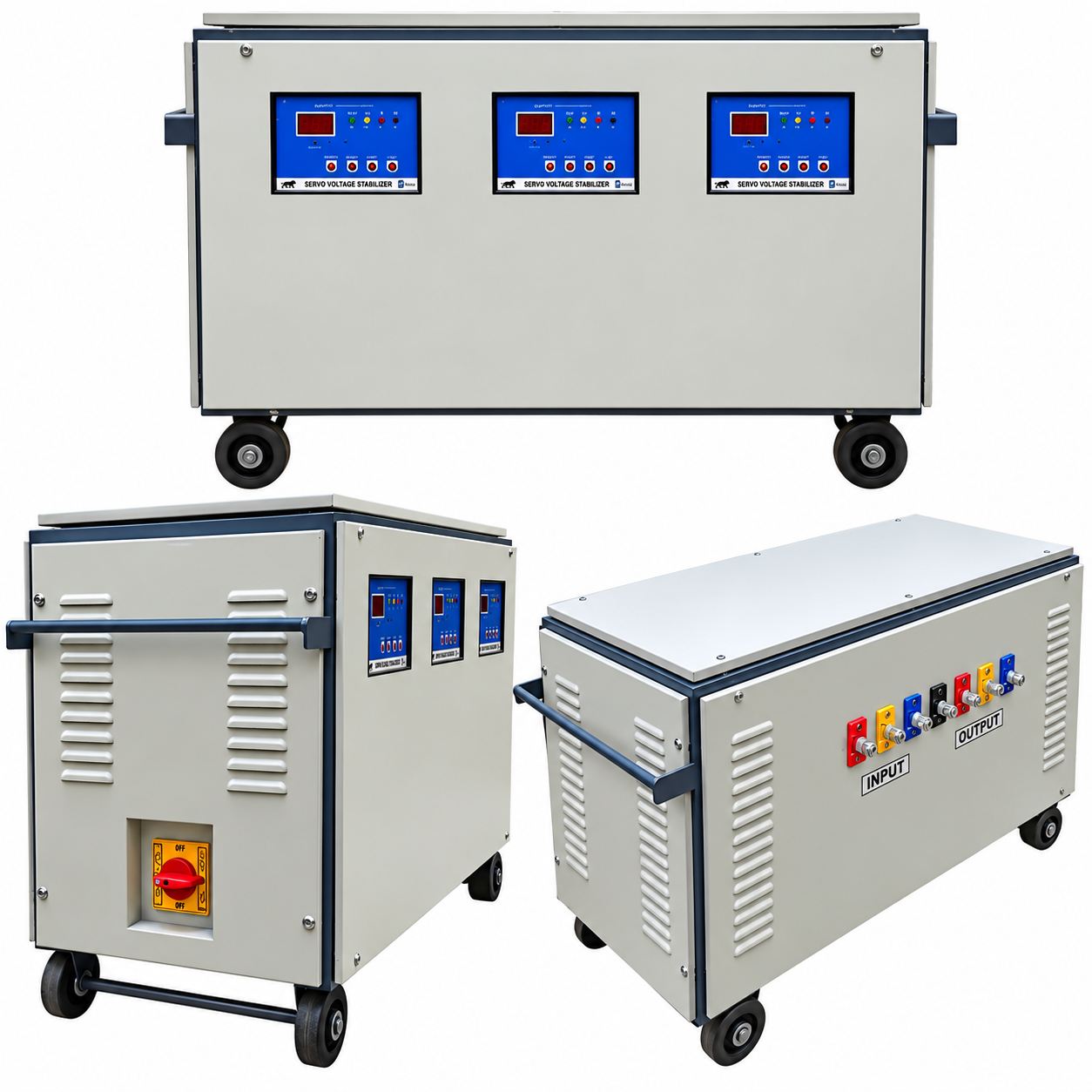
A voltage stabilizer is a device that takes an unstable input voltage from the grid and delivers a steady, regulated output voltage to connected appliances. A "single phase" stabilizer is designed for the standard 230V AC single-phase supply used in most homes, small shops, guesthouses, and light commercial establishments — as opposed to three-phase stabilizers, which serve heavier industrial loads.
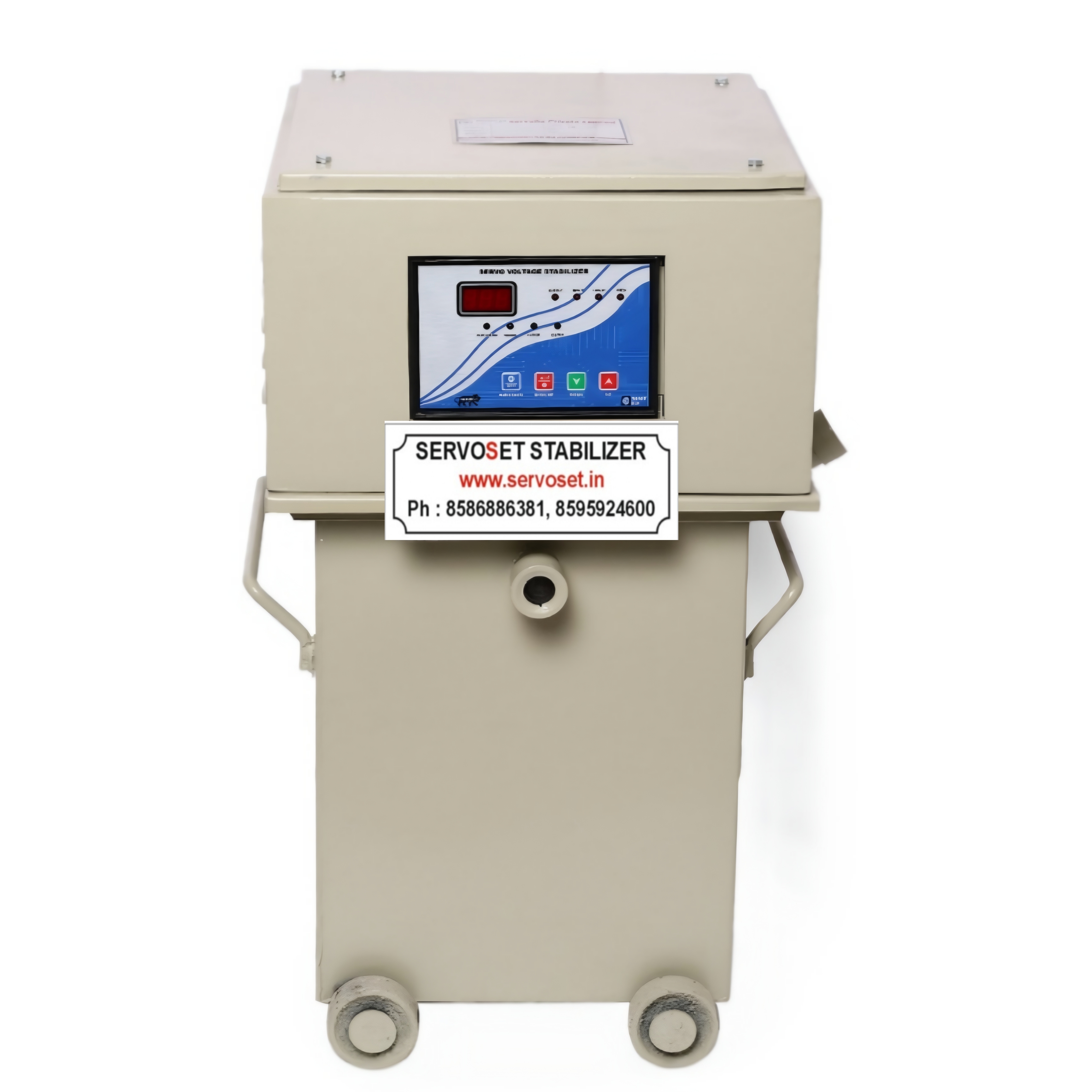
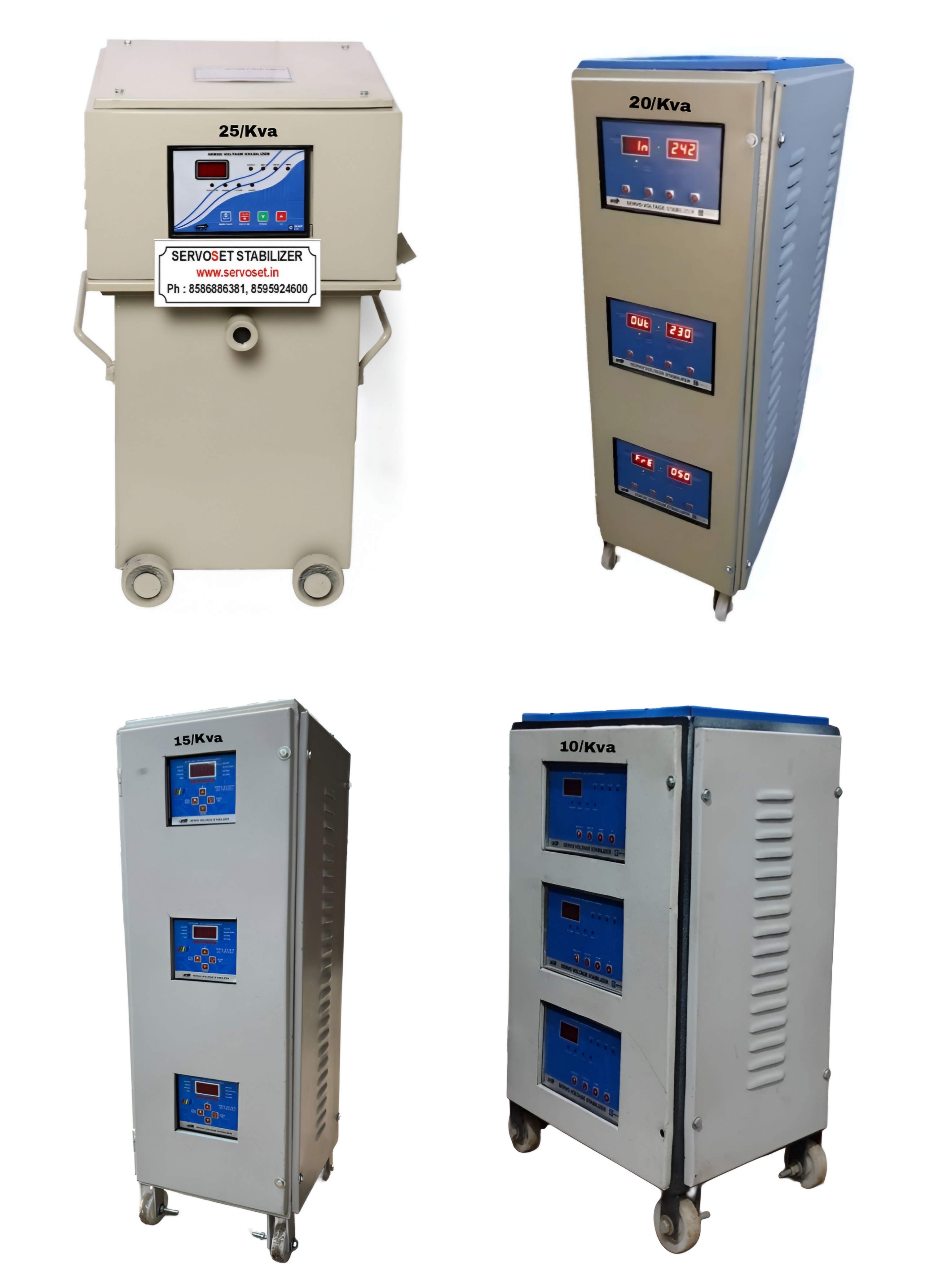
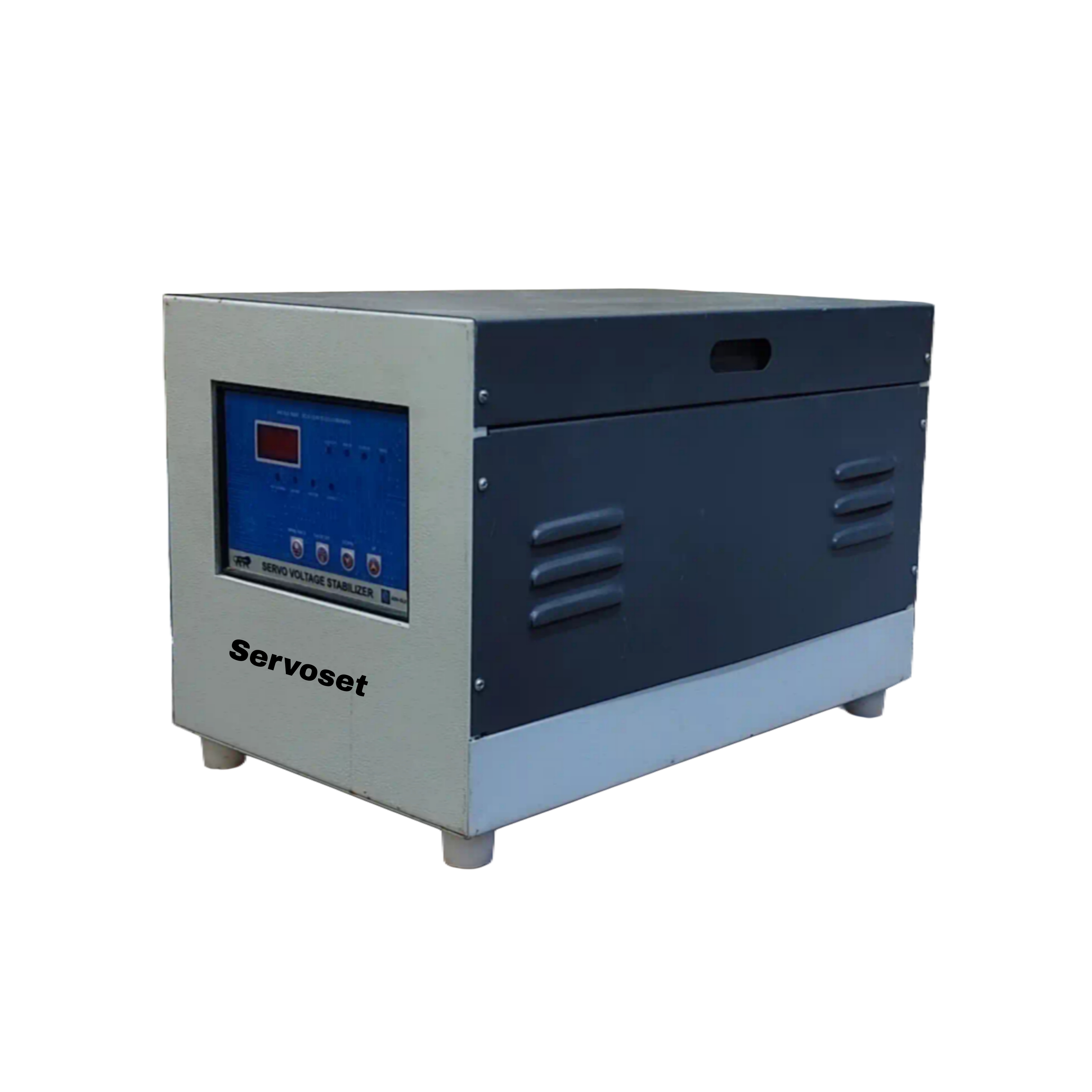
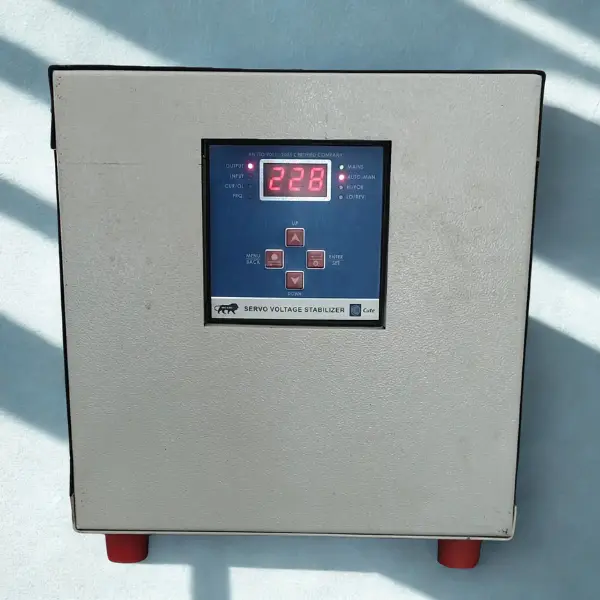
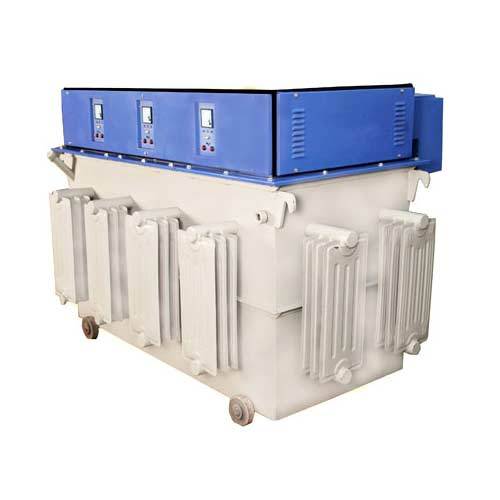
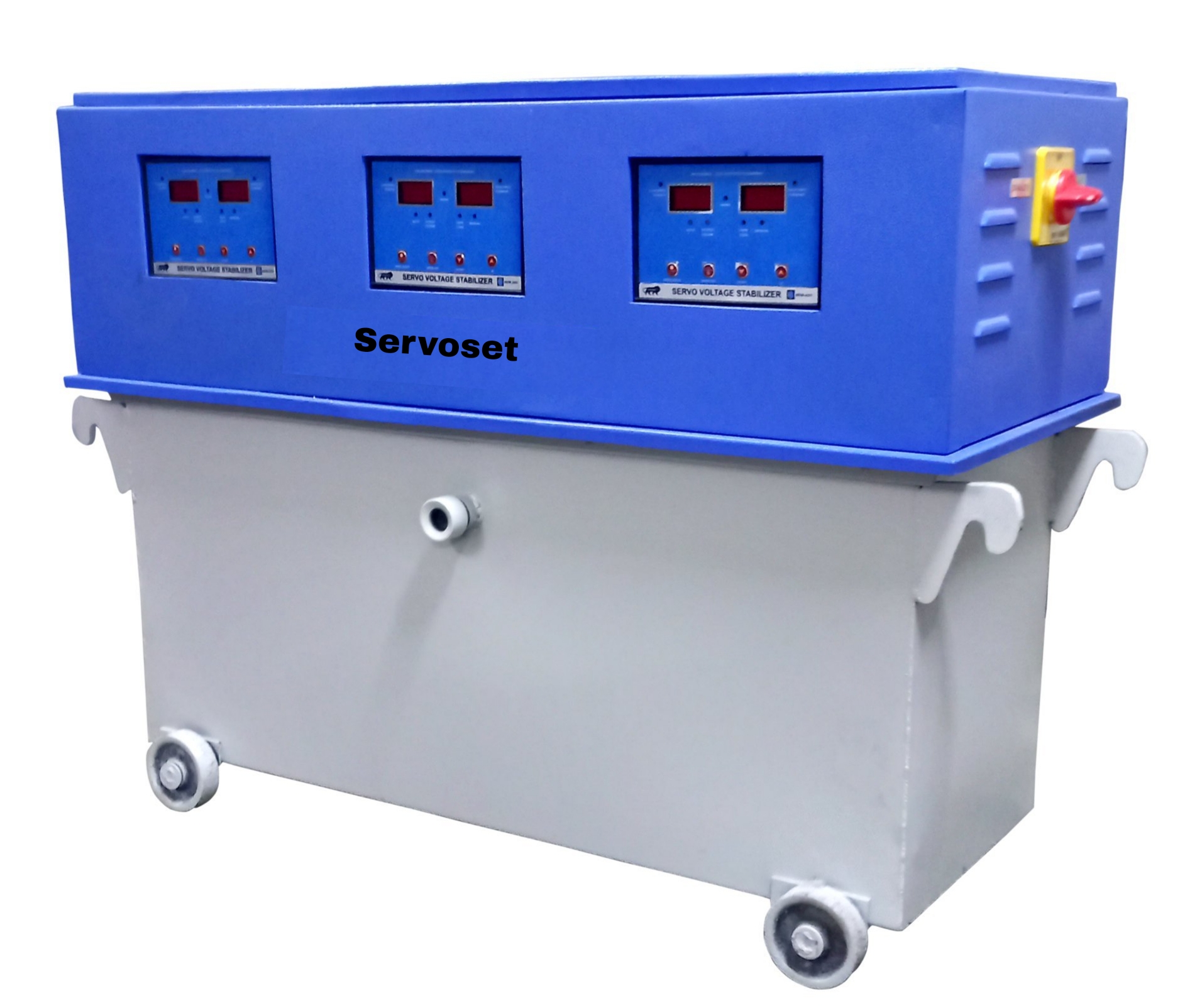
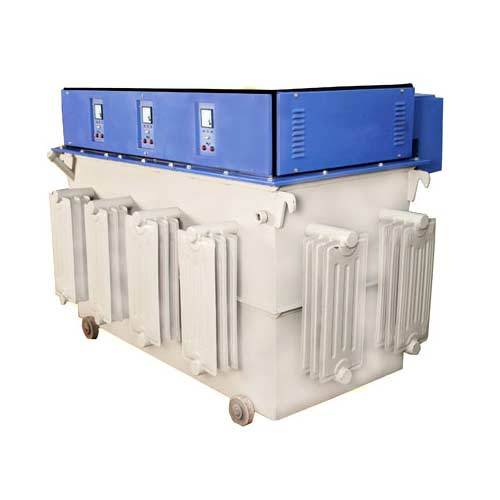
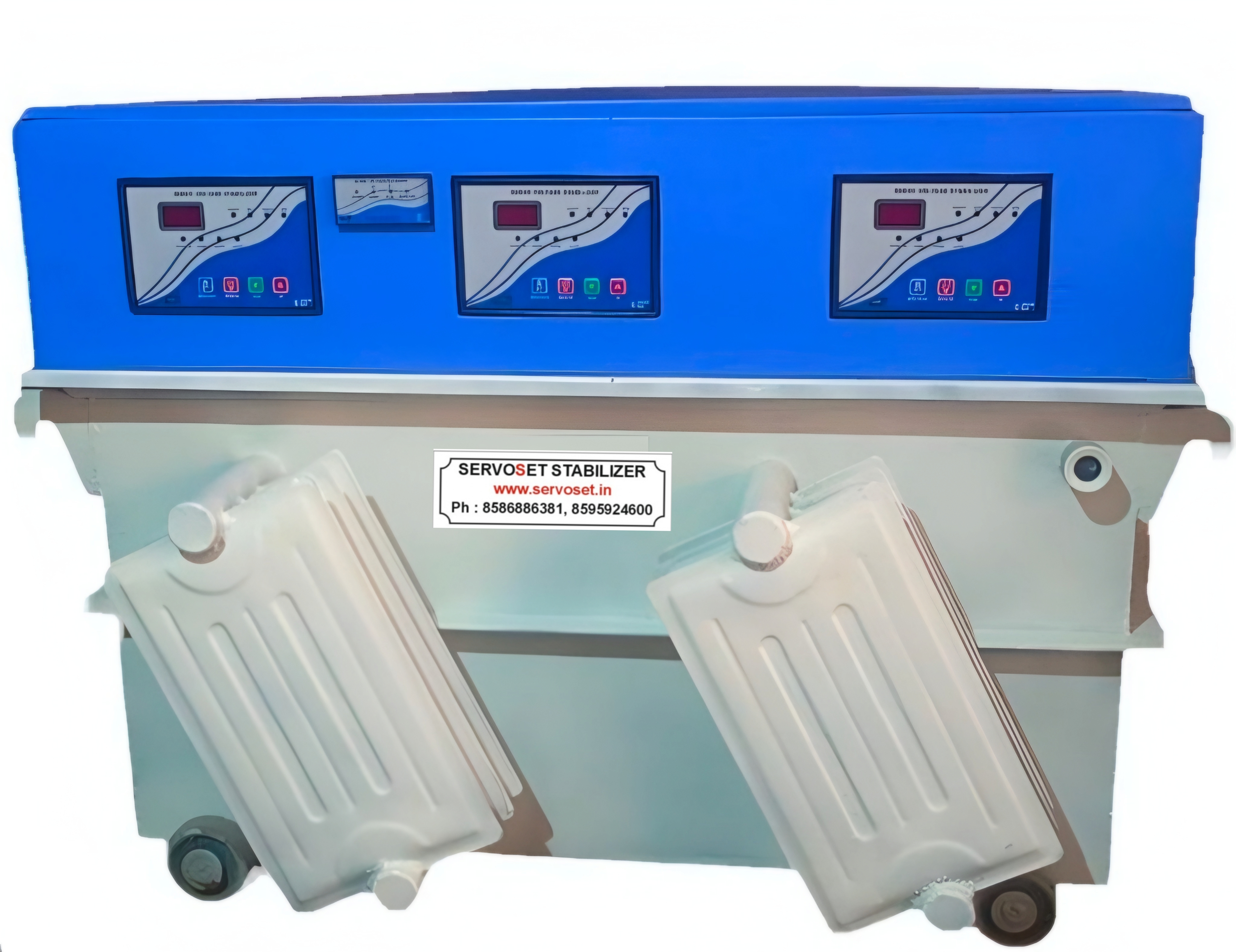
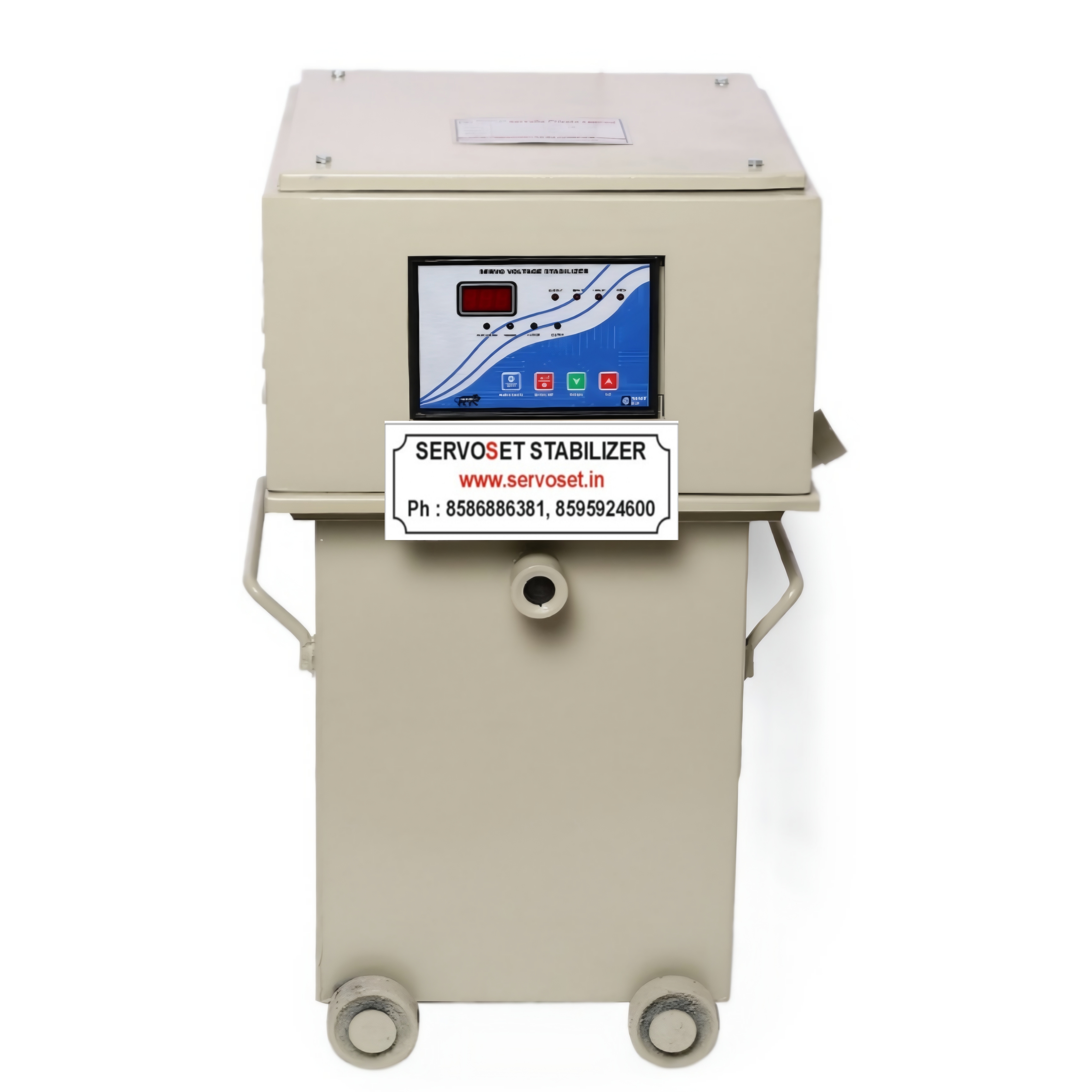
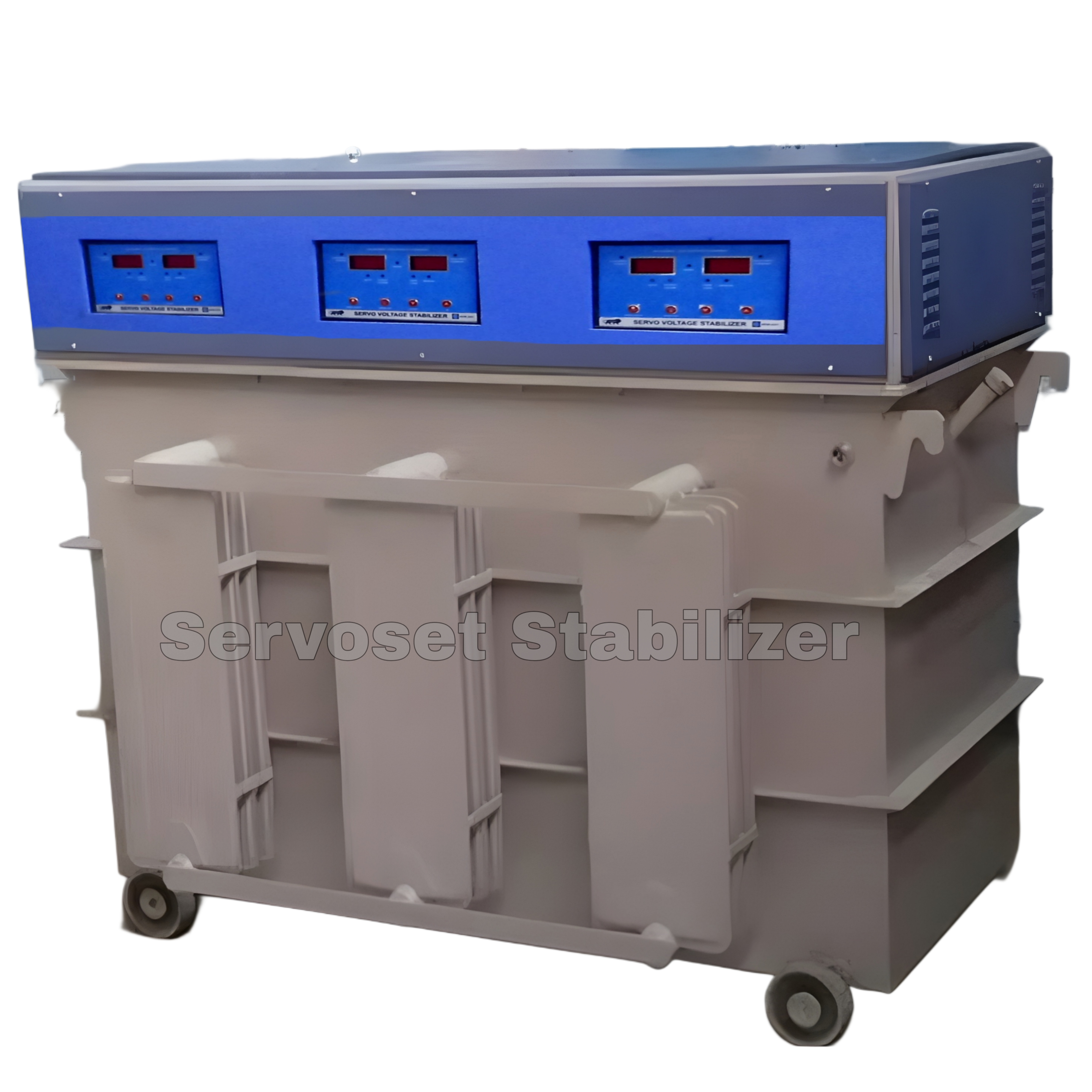
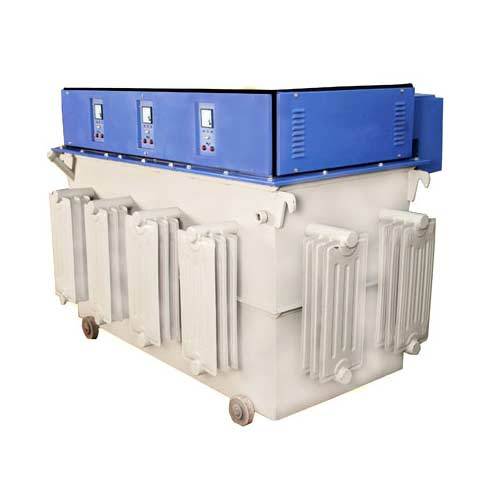
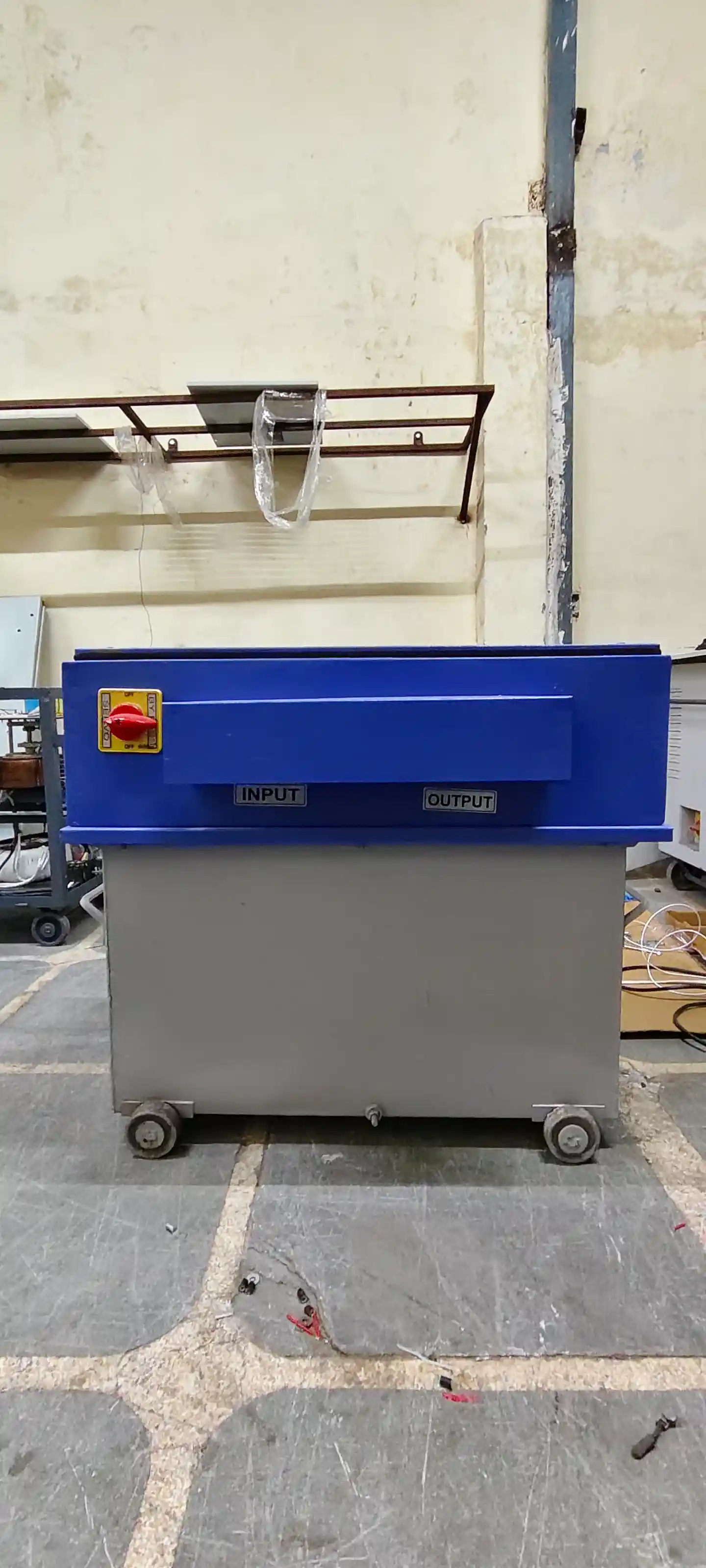
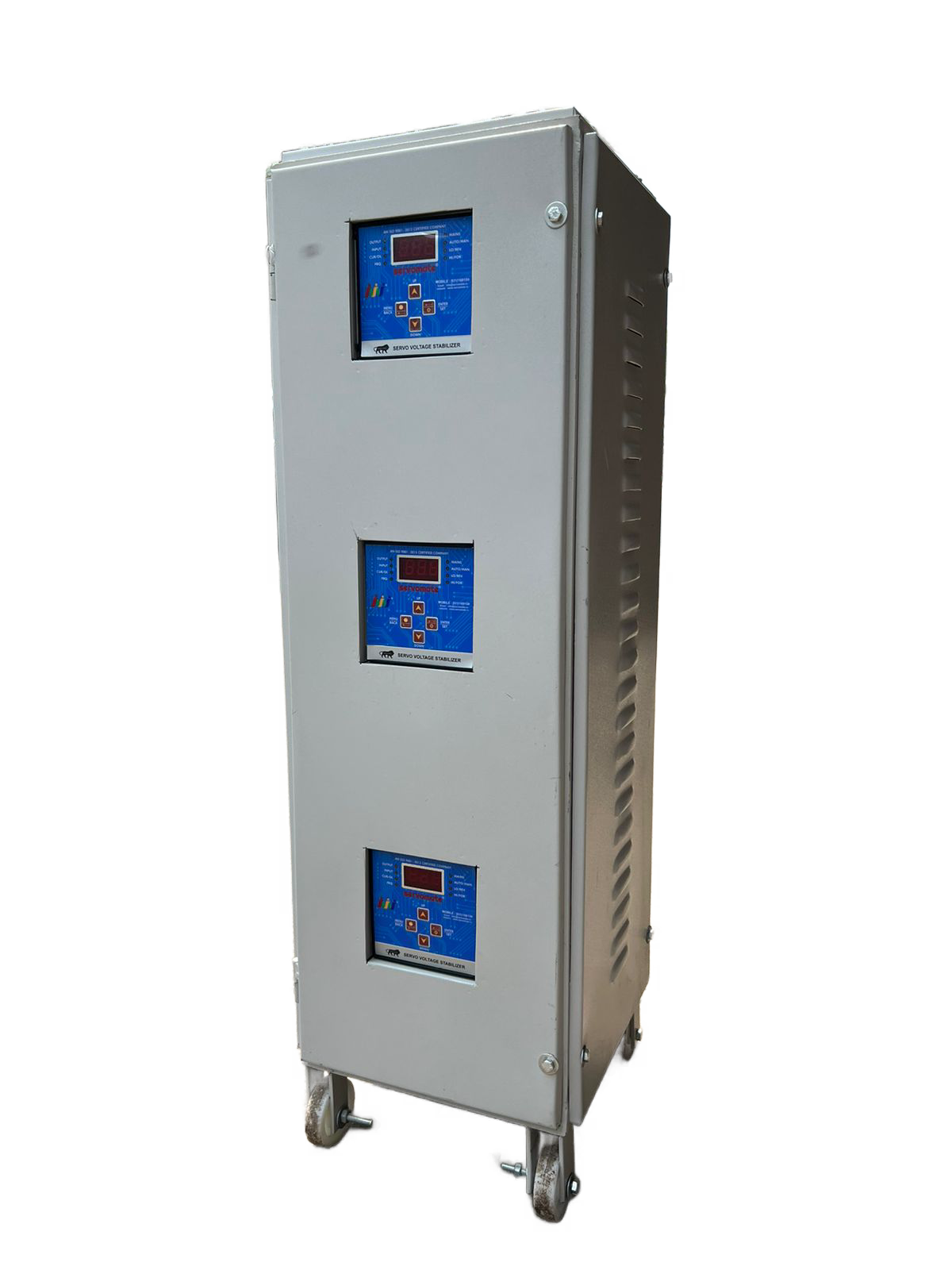
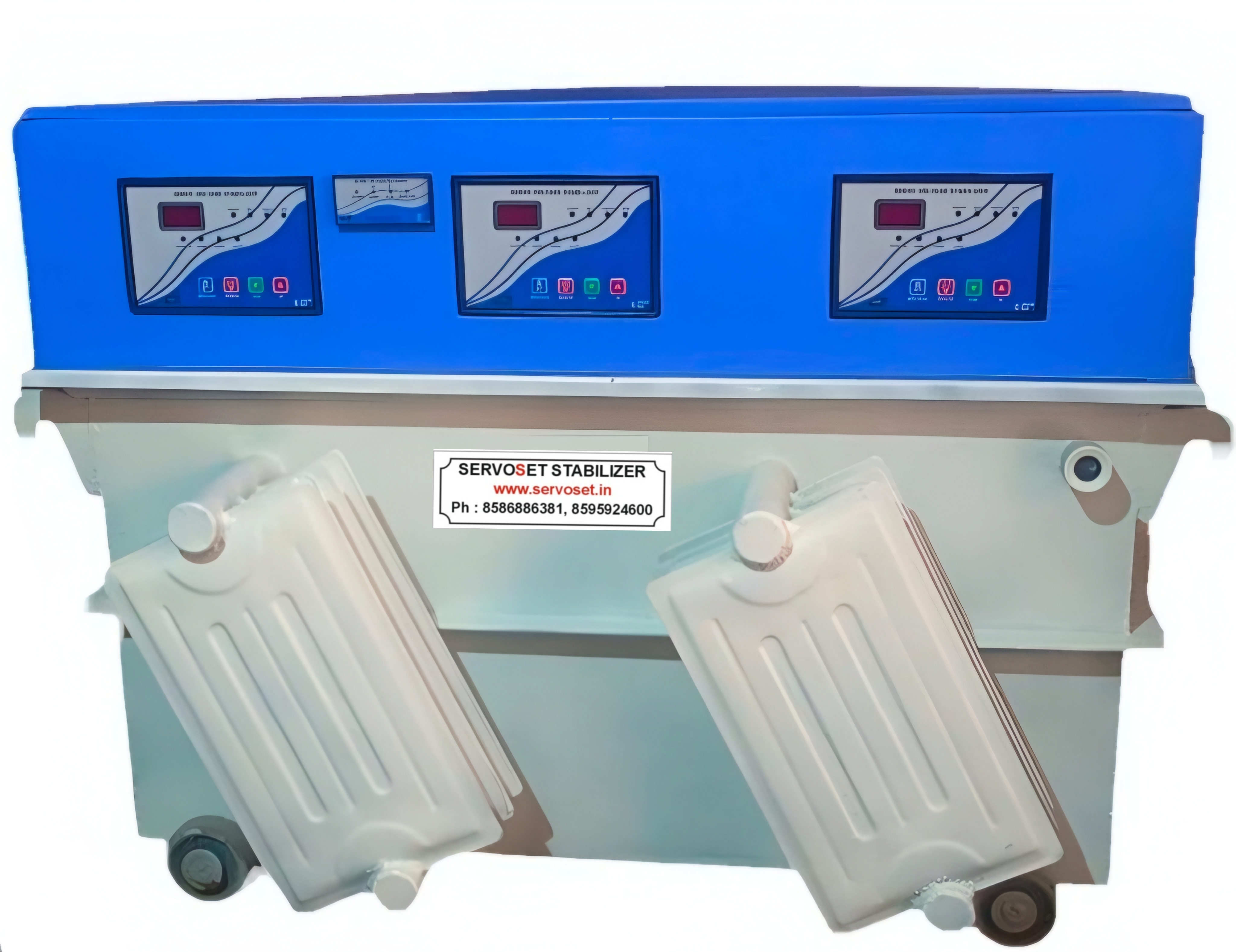
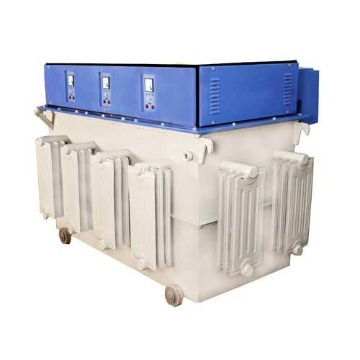
The word "servo" refers to the mechanism at the heart of the device: a servo motor. Inside a servo stabilizer, a small motor continuously drives a variable transformer (often called a variac or buck-boost transformer) to add or subtract voltage in real time. A sensing circuit constantly monitors the incoming voltage, compares it against the desired output range, and instructs the servo motor to rotate the transformer's wiper arm accordingly. If incoming voltage drops, the motor moves the arm to "boost" the output; if voltage spikes, it moves the arm to "buck" it down. The result is a smooth, continuously corrected output voltage, typically held within a tight band such as 200V–240V, regardless of fluctuations on the input side.
This mechanical, motor-driven correction is what sets servo stabilizers apart from static or relay-type stabilizers, which switch between fixed voltage taps in discrete steps rather than adjusting continuously.
Why Voltage Fluctuation Is a Serious Issue in Kasol
Kasol sits in a hilly terrain served largely by hydroelectric power distributed through long transmission lines that snake through the Parvati Valley. Several factors specific to this geography make voltage instability more common than in flatter, urban areas:
1. Long-distance, low-capacity distribution lines. Electricity in Himachal's hill towns often travels considerable distances over lines that were built for smaller loads than the current tourism-driven demand. Voltage drop over distance is a basic feature of electrical distribution, and it becomes pronounced when the same lines now serve dozens of new guesthouses, cafes, and homestays that didn't exist a decade ago.
2. Seasonal load swings. Kasol's population effectively multiplies during peak tourist seasons and shrinks in the off-season. This uneven, seasonal demand causes voltage levels to swing depending on how many properties are drawing power at a given time, especially during evenings when heaters, lights, geysers, and kitchen appliances are all switched on simultaneously.
3. Weather-related supply disruption. Heavy monsoon rain, landslides, and snow in nearby higher-altitude areas frequently affect transmission infrastructure. Even when supply isn't cut entirely, it often becomes unstable before or after such disruptions, with brownouts and sudden surges as the grid recovers.
4. Reliance on hydro generation. Hydropower output can vary with water flow and seasonal conditions, which sometimes translates into fluctuating supply voltage reaching end consumers, particularly during dry months when generation capacity is lower.
5. Growing but uneven electrical infrastructure. As Kasol has developed rapidly as a tourist hub, the pace of new construction and appliance use has, in many pockets, outstripped planned upgrades to local transformers and wiring, adding to localized voltage irregularities.
For a homestay running a geyser, WiFi router, refrigerator, television, and induction cooktop simultaneously, or a cafe running espresso machines and refrigeration units, these fluctuations aren't a minor inconvenience — they are a direct threat to expensive equipment and daily business continuity.
How a Servo Stabilizer Solves This Problem
A single phase servo stabilizer addresses these regional challenges in several concrete ways:
Continuous correction, not step-based switching. Because the servo motor adjusts the buck-boost transformer smoothly rather than jumping between fixed steps, the corrected output voltage is generally more stable and free of the small jolts associated with relay-based stabilizers. This matters for sensitive electronics like routers, televisions, and inverter-based appliances that don't respond well to abrupt voltage steps.
Wide input voltage range. Many servo stabilizers built for hill and semi-rural regions are designed to accept a wide input range — commonly starting well below 150V and extending above 270V — which suits areas like Kasol where voltage sag and surge can both occur, sometimes within the same day.
Protection against both undervoltage and overvoltage. A well-specified servo stabilizer doesn't just prevent brownout damage; it also clamps down excessive voltage surges that can occur when supply is restored abruptly after an outage, a common pattern in hill circuits.
Built-in protection features. Most quality servo stabilizers include time-delay mechanisms that prevent immediate restart after a power cut (protecting compressor-based appliances like refrigerators and air conditioners), along with overload cutoffs and short-circuit protection.
Durability suited to variable climates. Kasol experiences cold winters, humid monsoons, and dusty summers. Stabilizers intended for such environments are typically built with robust enclosures and components rated for a wider temperature and humidity tolerance than standard indoor-only models.
Key Components and Working Principle
To understand why servo stabilizers are so effective, it helps to look at their core components:
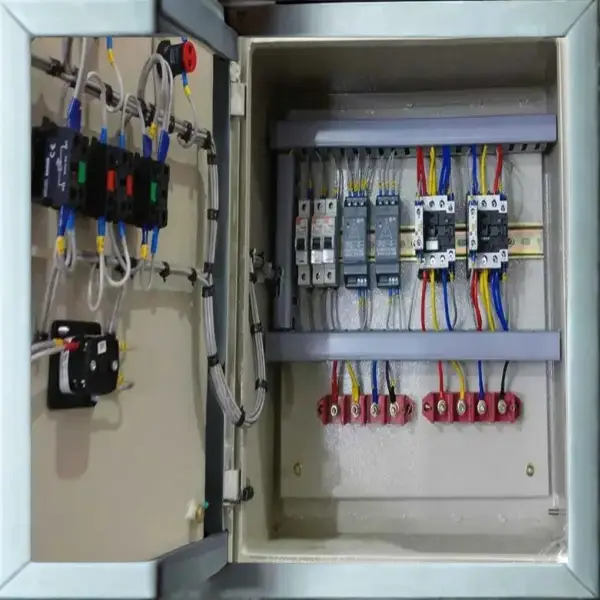
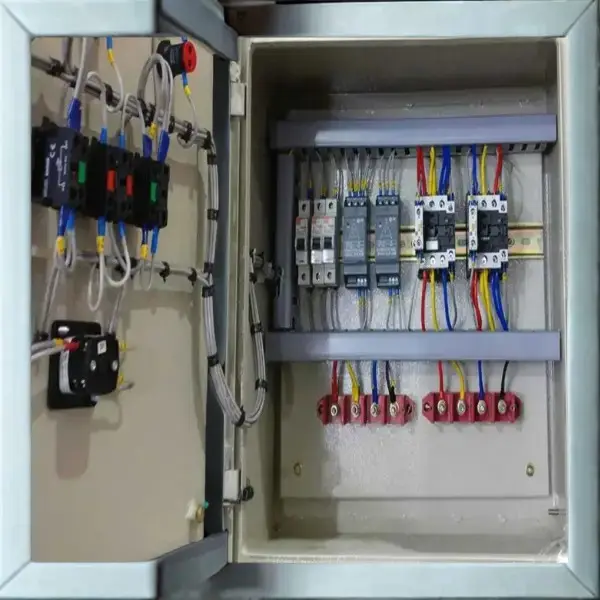
- Sensing/control circuit: Continuously measures the incoming AC voltage and compares it to the reference output range.
- Servo motor: A small DC or AC motor that physically rotates the wiper of the variac based on signals from the control circuit.
- Buck-boost transformer (variac): The variable transformer whose winding ratio changes as the servo motor rotates its arm, thereby increasing or decreasing the output voltage.
- Relay and cutoff protection: Provides overload, short-circuit, and time-delay protection.
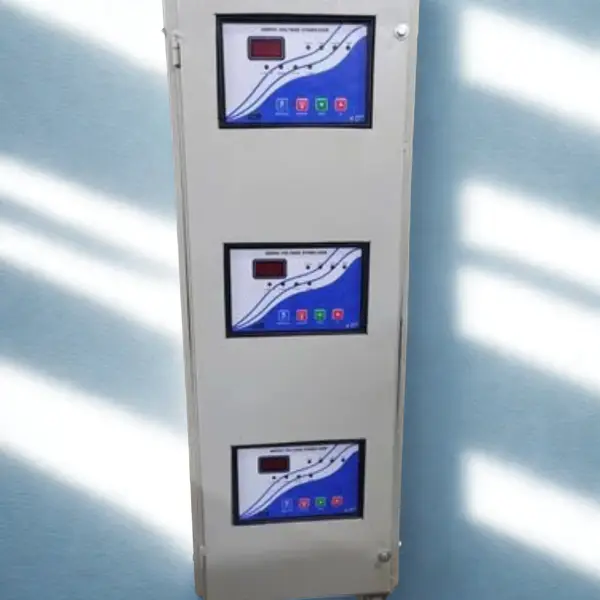
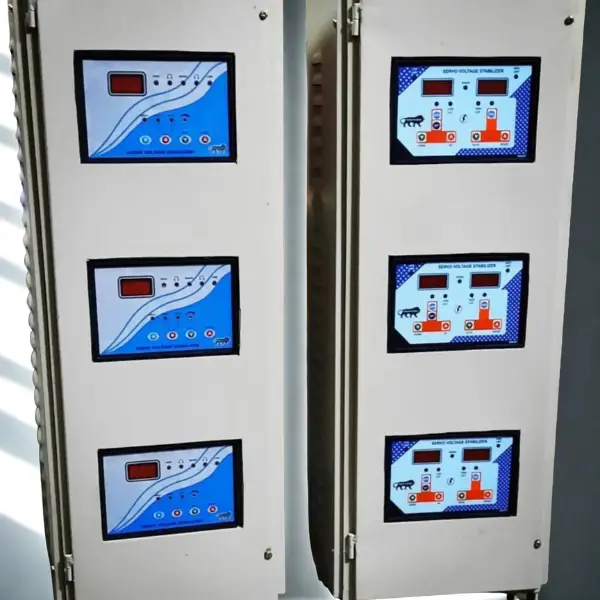
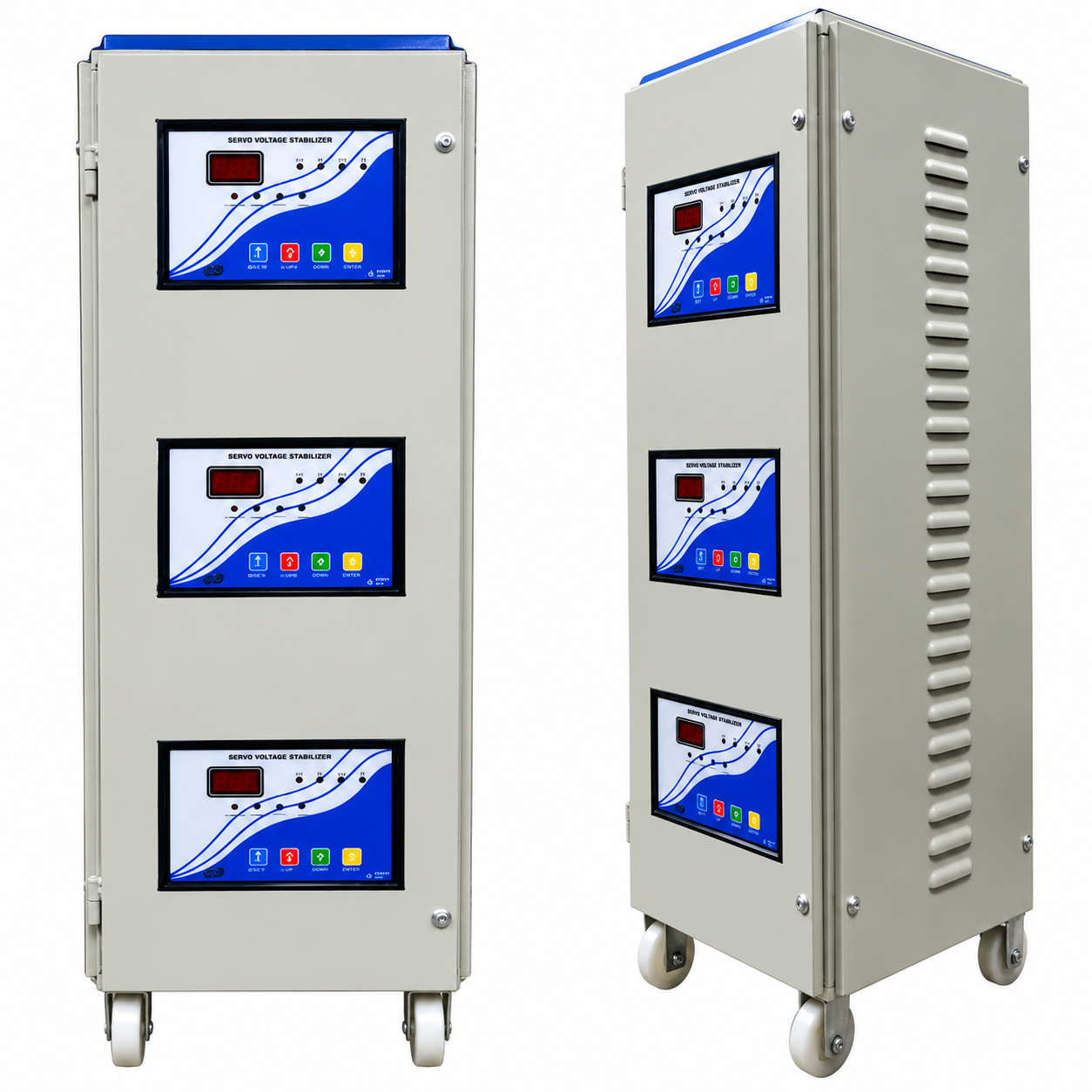
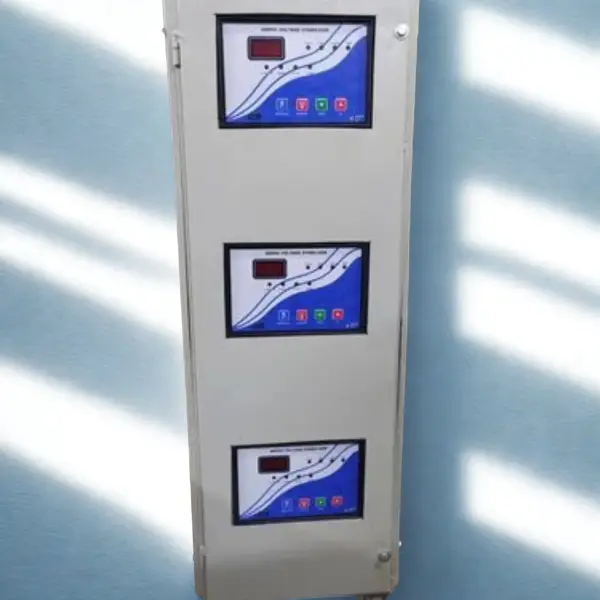
- Display/meter (in many models): Shows real-time input and output voltage, useful for monitoring supply quality over time.
The working cycle is straightforward: incoming voltage is sensed → the control circuit calculates the deviation from the target output → the servo motor rotates the buck-boost transformer's arm in the required direction → output voltage is corrected within milliseconds to seconds, depending on the model → the cycle repeats continuously as the input fluctuates.
This continuous feedback loop is what allows servo stabilizers to maintain a narrow output voltage band even when input voltage swings widely — a scenario that matches Kasol's electrical reality closely.
Choosing the Right Servo Stabilizer for Your Property in Kasol
Selecting an appropriately sized and specified stabilizer matters as much as choosing the right type. A few practical considerations:
1. Calculate your load correctly. Add up the wattage of everything you intend to protect — refrigerators, water heaters, routers, televisions, washing machines, kitchen equipment — and choose a stabilizer rated with sufficient headroom (commonly 20–25% above your calculated peak load) to avoid overloading it during simultaneous use.
2. Match the input voltage range to your local conditions. In areas prone to significant voltage dips, such as during peak evening hours or after weather disruptions, a stabilizer with a wider working input range (for example, 90V–290V rather than 160V–260V) offers more reliable protection, even though it may cost slightly more.
3. Decide between whole-house and appliance-specific units. Larger guesthouses and cafes often benefit from a single higher-capacity stabilizer installed at the main distribution board, protecting the whole property. Smaller homes or single high-value appliances (like a refrigerator or a geyser) may be adequately served by a smaller, dedicated unit.
4. Prioritize models with digital metering. A digital display showing real-time input and output voltage is genuinely useful in a place like Kasol, letting property owners track just how unstable their local supply actually is and plan accordingly.
5. Check for after-sales service availability. Given Kasol's remote location relative to larger service centers in Kullu, Bhuntar, or Manali, choosing a brand with accessible service support or easily available spare parts can save considerable downtime if repairs are ever needed.
6. Look for ISI certification and standard safety features. Certified products meeting relevant Indian safety standards typically include better-built protection circuits, which matters for long-term reliability in variable climate conditions.
Installation and Placement Tips
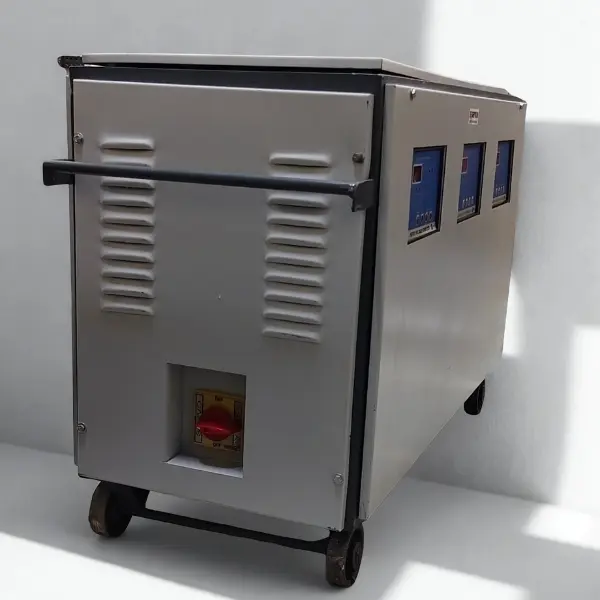
- Ventilated, dry location: Servo stabilizers generate some heat during operation and should be installed in a well-ventilated space, away from direct moisture — an important consideration during Kasol's humid monsoon months.
- Stable, level surface: The internal servo motor mechanism performs best when the unit is mounted or placed on a stable, vibration-free surface.
- Proper earthing: Given the frequent lightning activity in hill regions during monsoon season, ensuring correct earthing of both the stabilizer and connected appliances is essential for safety.
- Distance from heat sources: Avoid placing stabilizers near geysers, kitchen equipment, or direct sunlight, which can affect internal component life.
Maintenance for Long-Term Reliability
A servo stabilizer, being an electromechanical device, benefits from periodic upkeep:
- Dust cleaning: Kasol's dusty summer conditions and proximity to unpaved mountain roads mean internal components can accumulate dust faster than in cleaner urban environments. Periodic cleaning of vents and internal parts helps maintain airflow.
- Carbon brush inspection: The servo motor typically uses carbon brushes that wear over time and may need periodic replacement, especially in units that see continuous fluctuation correction.
- Checking connections: Loose wiring connections, more likely in units transported to remote hill locations, should be checked periodically to prevent arcing or intermittent faults.
- Humidity protection: In monsoon-heavy months, using the unit in a slightly elevated, dry location reduces the risk of moisture ingress affecting internal circuitry.
Frequently Asked Questions
1. What is the difference between a servo stabilizer and a static (relay-type) stabilizer?
Servo stabilizers correct voltage continuously using a motor-driven transformer. Relay-type units switch between fixed voltage steps instead.
2. Can one servo stabilizer protect an entire homestay or guesthouse in Kasol?
Yes, a correctly sized unit installed at the main board can cover the whole property. Very large properties may need multiple units.
3. What input voltage range should I choose for Kasol's power conditions?
A wider range, such as 90V–290V, handles hill-terrain fluctuations better. It protects appliances even during severe voltage swings.
4. Does a servo stabilizer protect against power cuts as well?
No, it only regulates voltage while power is present. A separate inverter or UPS is needed for complete outages.
5. How long does a good quality servo stabilizer typically last?
A quality unit typically lasts 8–10 years or more. Proper maintenance and ventilation help extend this lifespan.
6. Is a time-delay feature really necessary?
Yes, it protects compressor-based appliances from sudden restarts. This prevents damage right after a power cut.
7. Where is the best place to install a servo stabilizer in a hill property?
Choose a dry, ventilated, and well-earthed spot. Keep it away from direct heat and moisture sources.
Conclusion
Voltage instability isn't a rare inconvenience in Kasol — it's a structural feature of the region's electrical supply, driven by long transmission lines, seasonal tourism load, hydro-dependent generation, and weather-related disruptions. A correctly sized single phase servo stabilizer directly addresses this reality, smoothing out both dips and surges before they reach sensitive appliances.
For homeowners, homestay operators, and small business owners across Kasol and the wider Parvati Valley, a single phase servo voltage stabilizer isn't a luxury add-on — it's a practical necessity dictated by the region's specific electrical environment. Long transmission lines, seasonal tourism-driven load spikes, weather-related disruptions, and hydro-dependent generation all combine to make voltage fluctuation a persistent local reality rather than an occasional inconvenience.
Investing in a correctly sized, well-specified servo stabilizer protects expensive appliances from premature failure, reduces unexpected repair costs, and ensures a more comfortable, reliable experience for both residents and the steady stream of travelers who choose Kasol as their Himalayan getaway. As the town continues to grow and its electrical demands increase, thoughtful voltage protection at the property level will only become more important — making the humble servo stabilizer one of the most quietly valuable pieces of equipment a Kasol property owner can install.