Introduction
If you run a factory, workshop, or commercial building, you already know what a sudden voltage drop can do. A motor starts humming, a drive trips, or a machine stops in the middle of a job. A three phase servo stabilizer is designed to help prevent exactly these problems. It keeps the voltage stable so your equipment can operate properly despite fluctuations in the incoming power supply.
For businesses in Lucknow, from Amausi and Sarojini Nagar to Chinhat and Transport Nagar, a good stabilizer is not a luxury. It is an important investment in protecting machinery and maintaining production schedules. In this guide, we explain how a servo stabilizer works, how to choose the right model, and how to maintain it for years of reliable service.
What Is a Three Phase Servo Stabilizer?
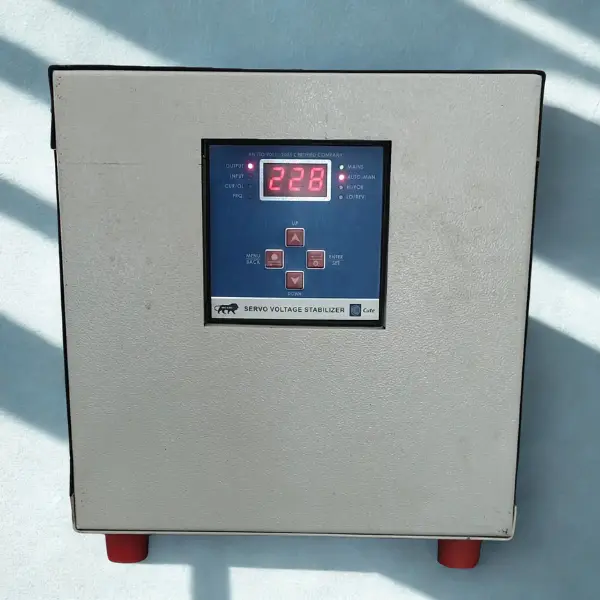
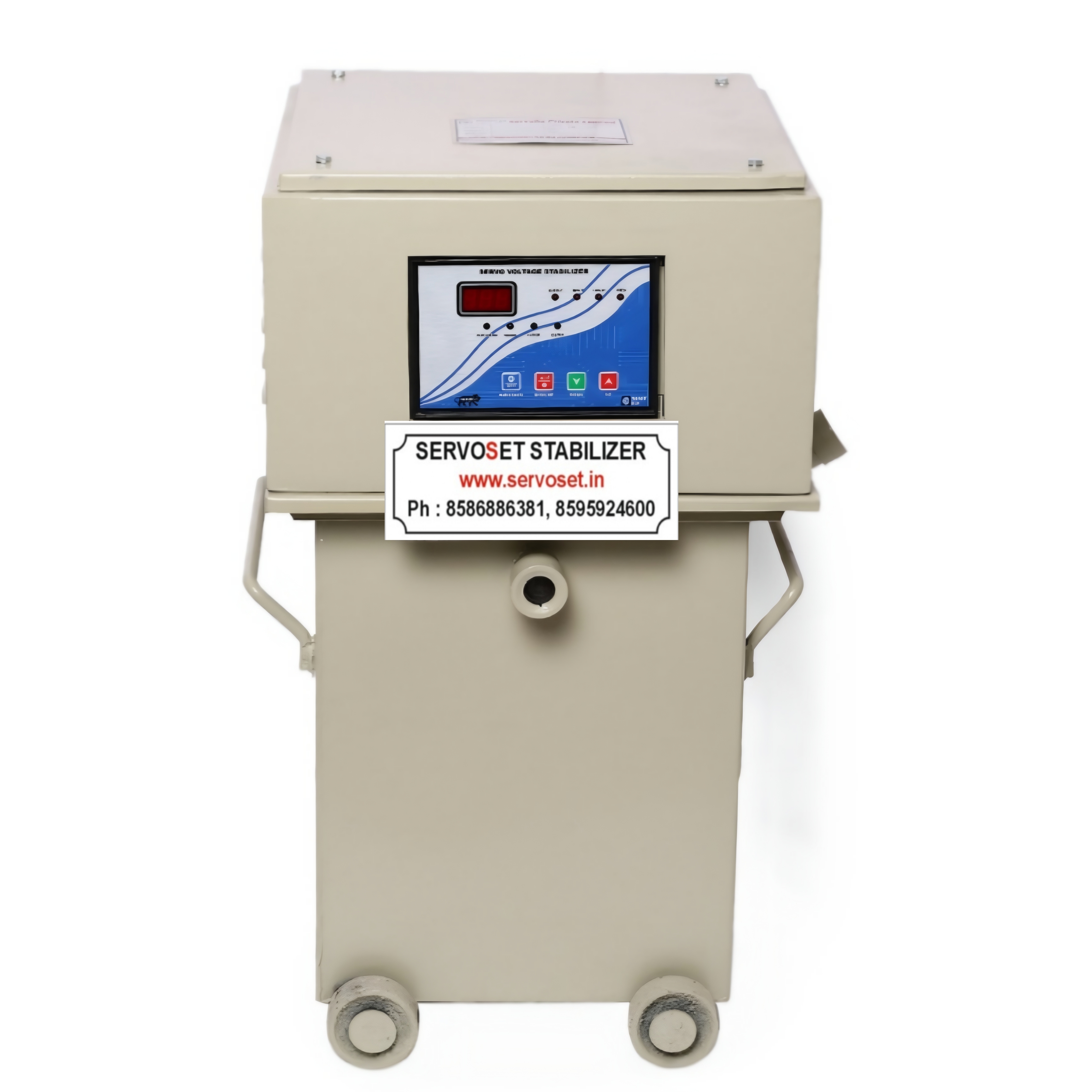
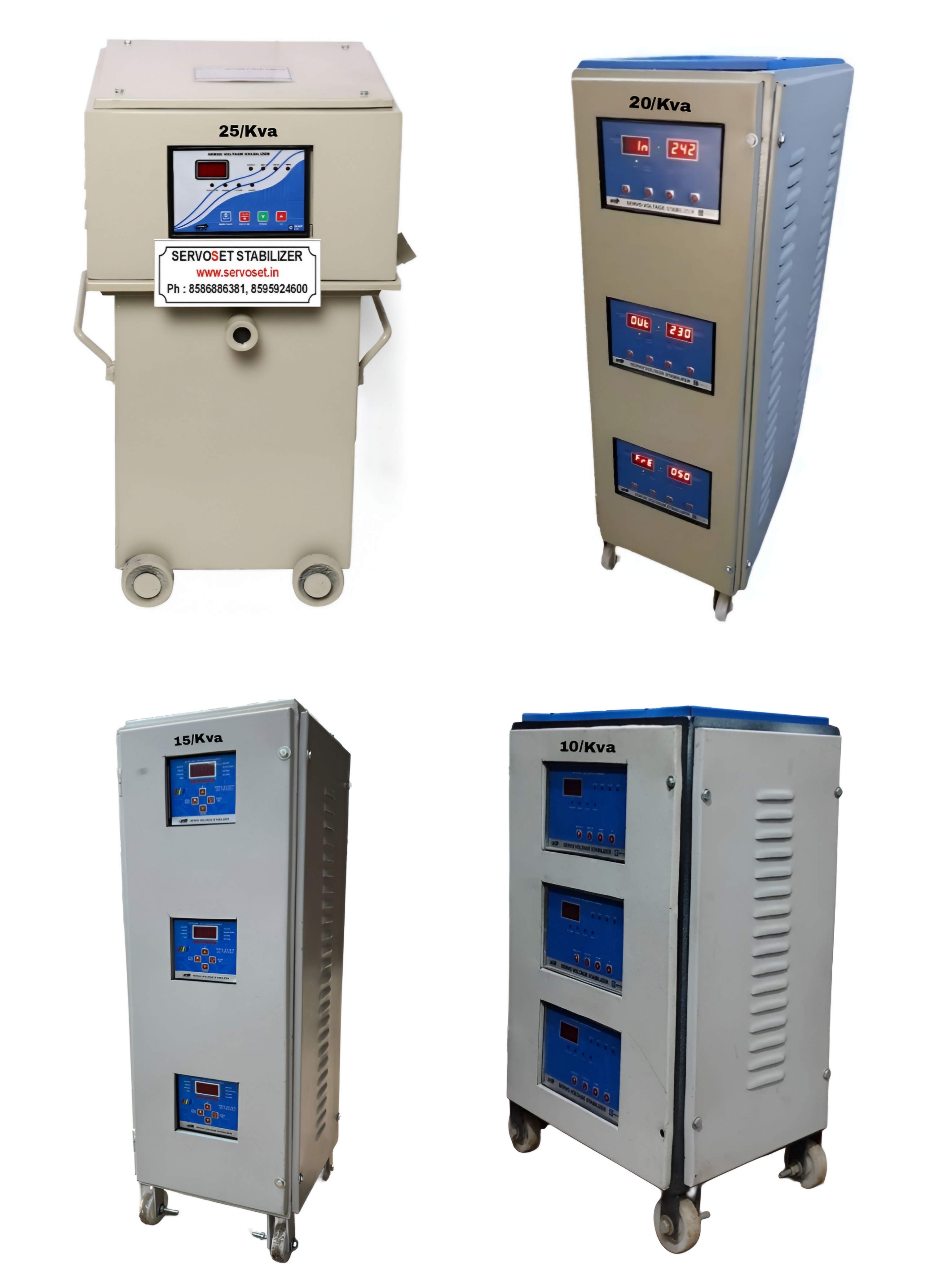
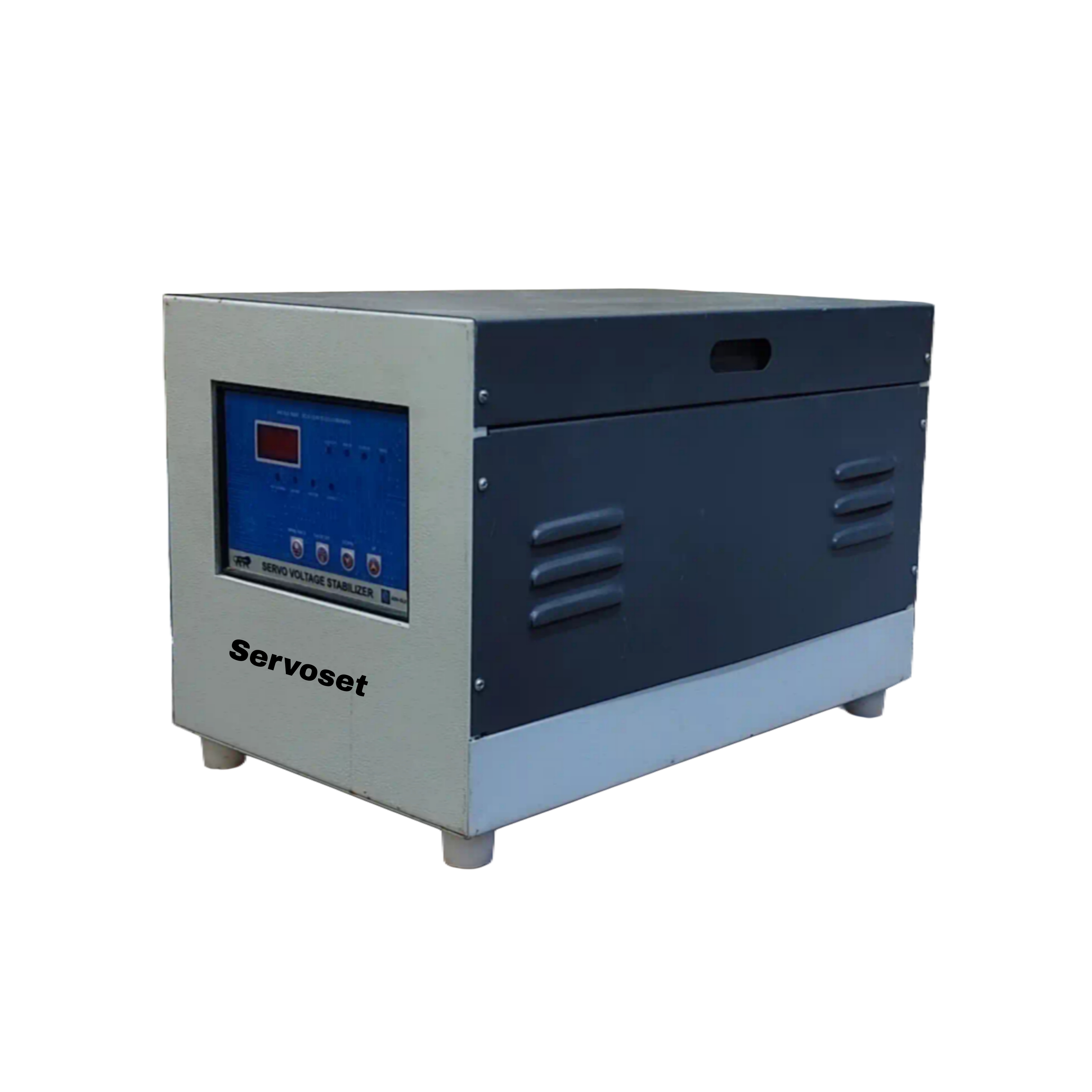
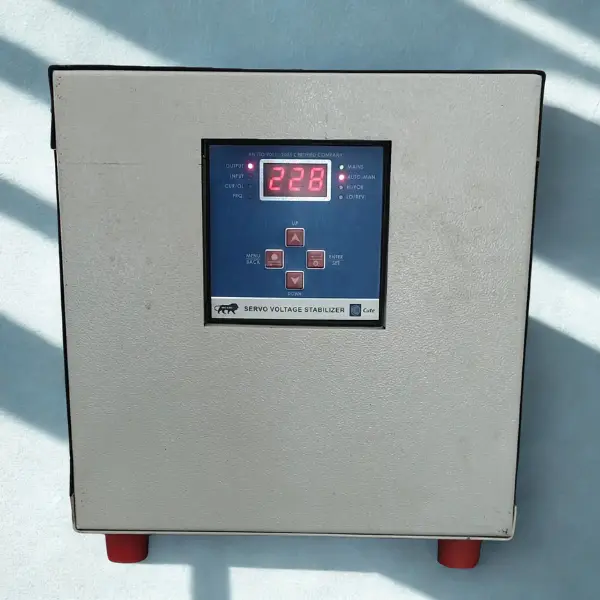
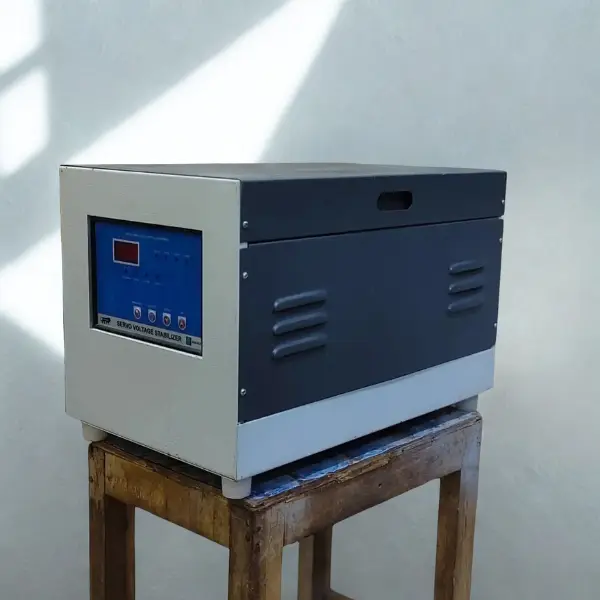
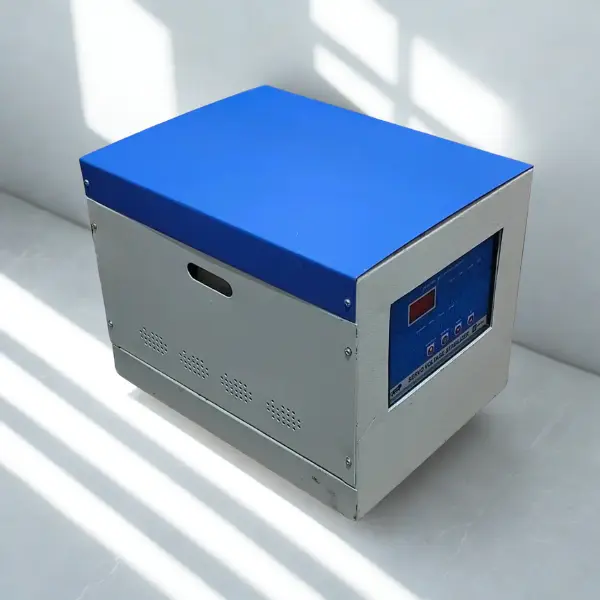
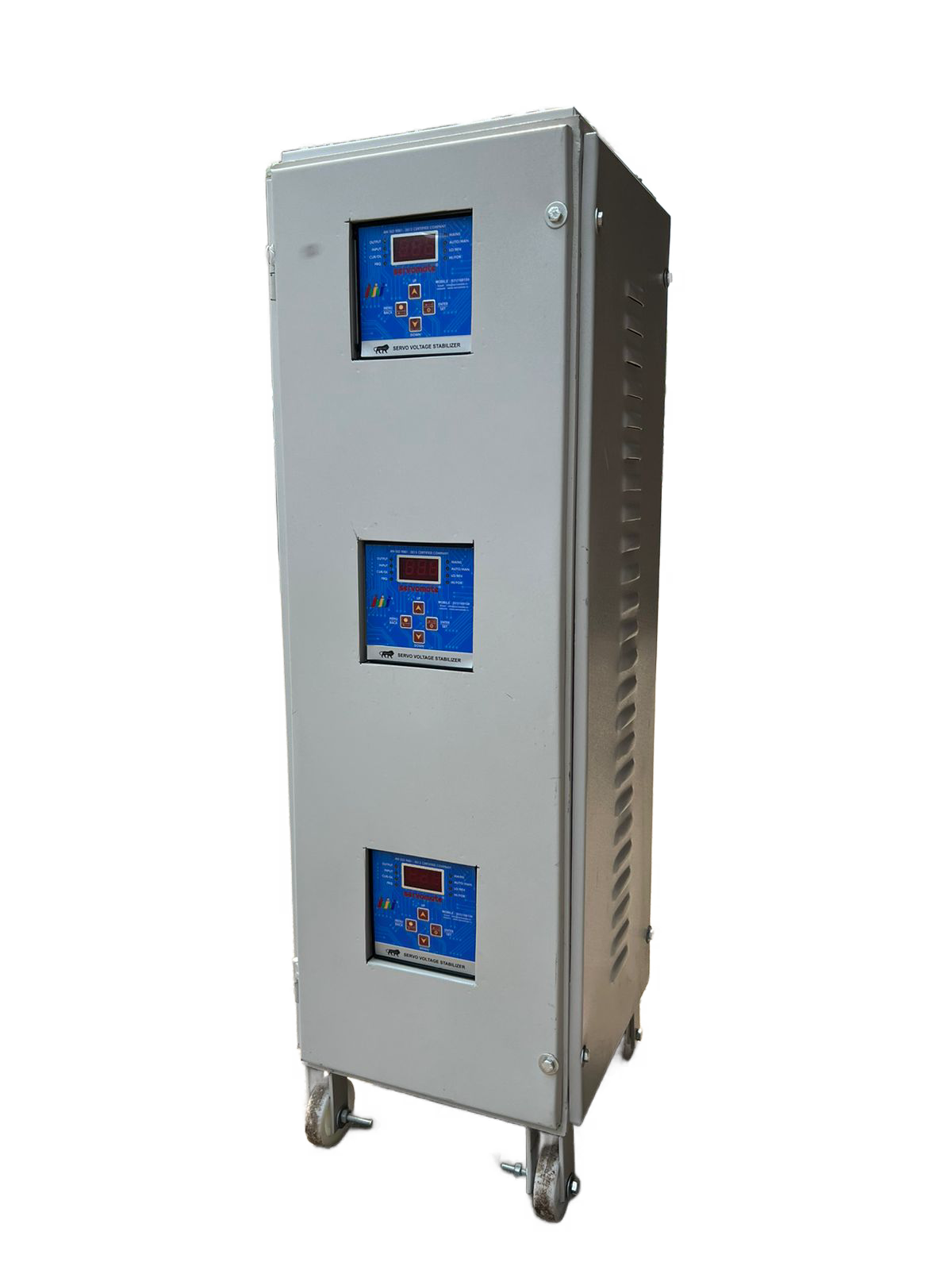
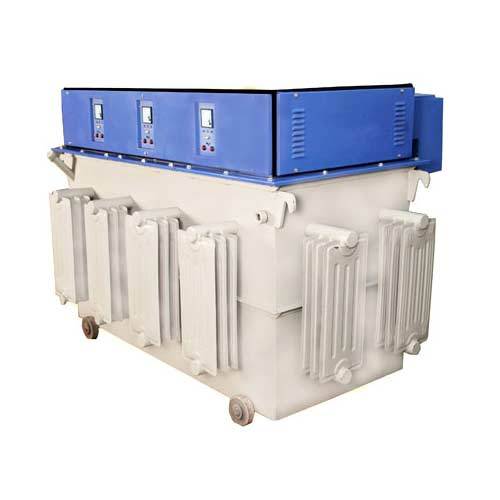
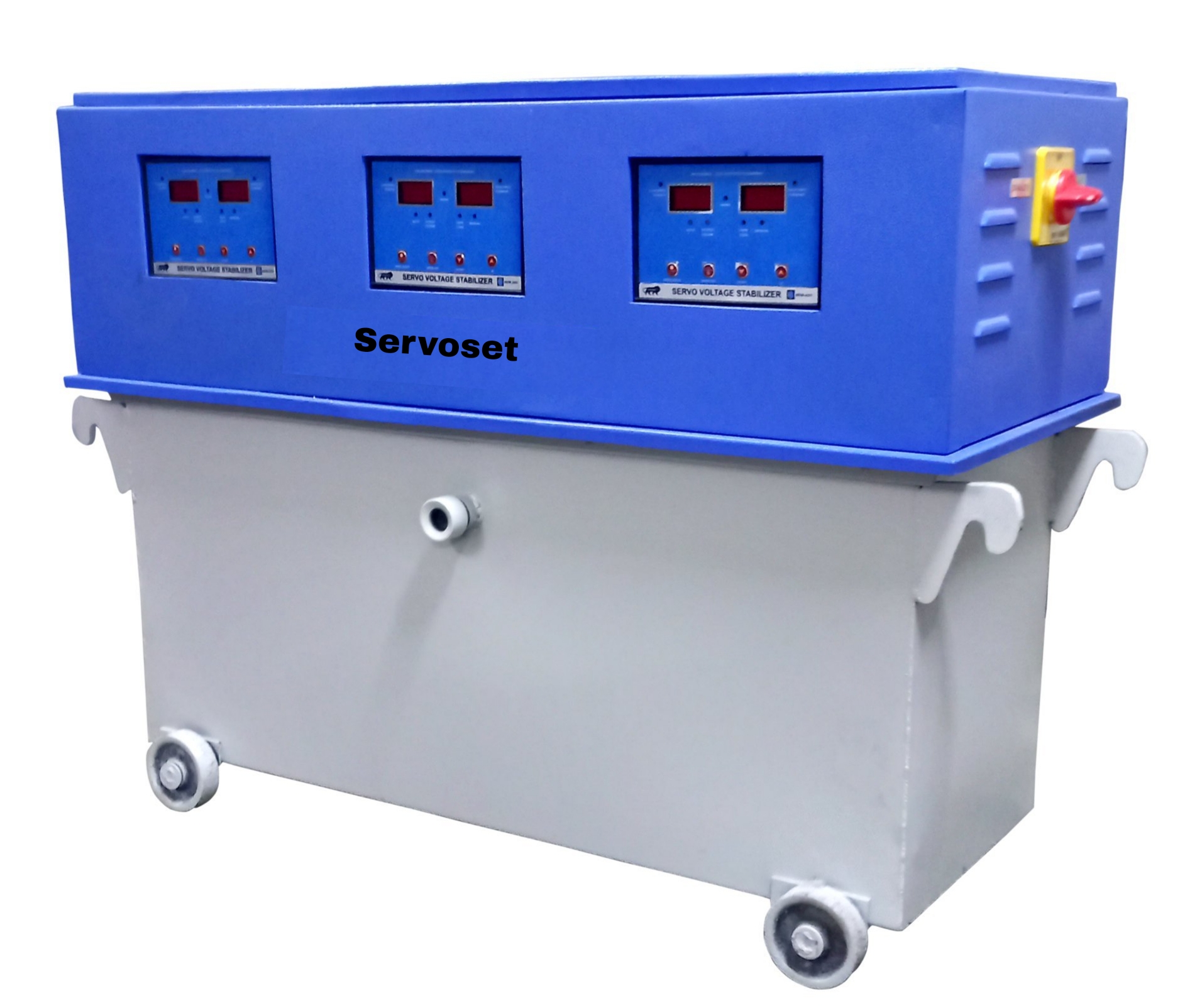
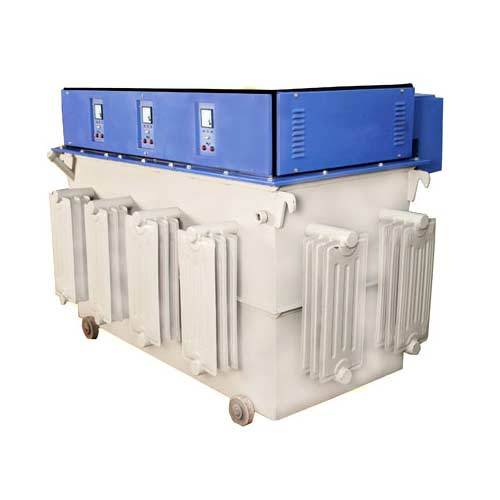
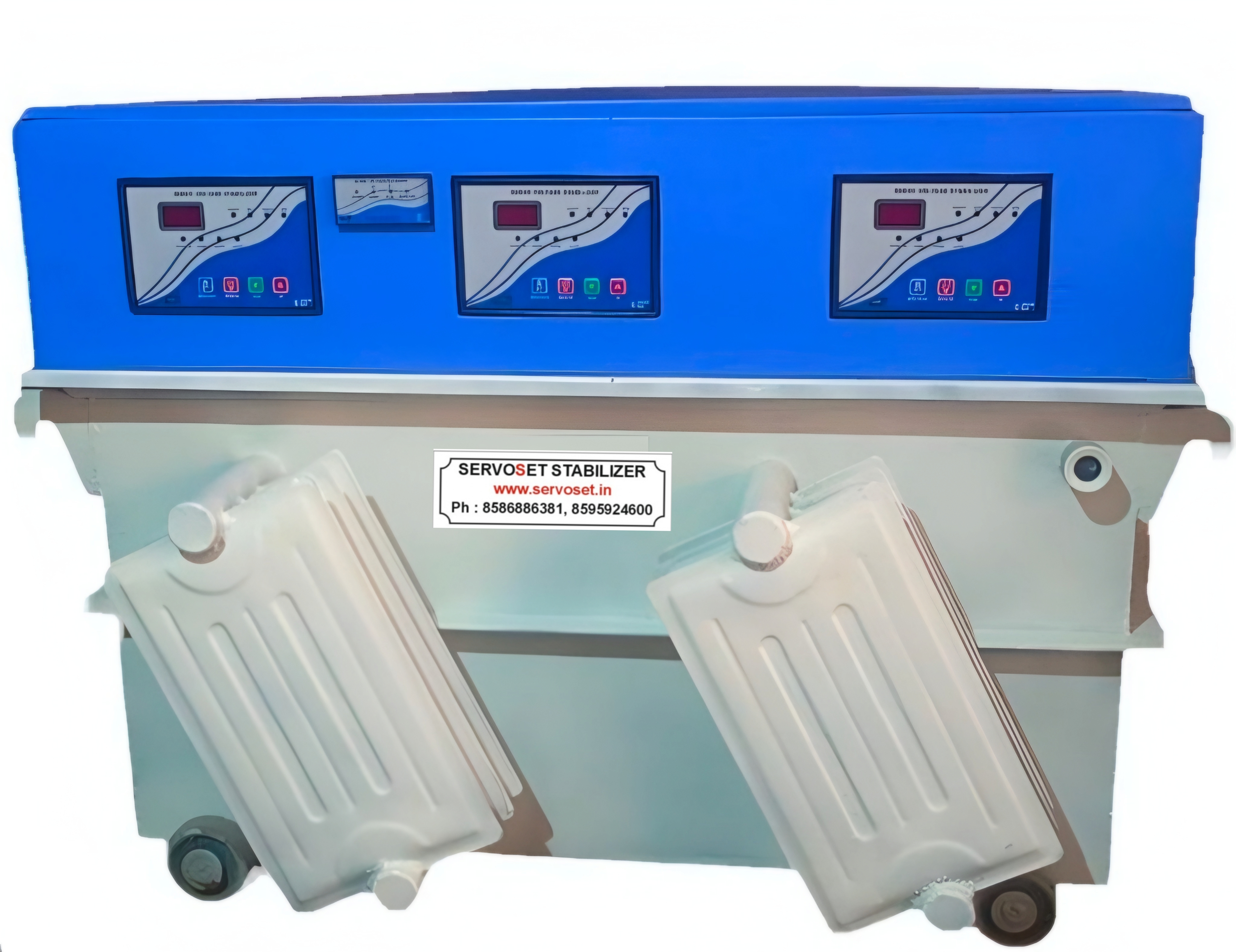
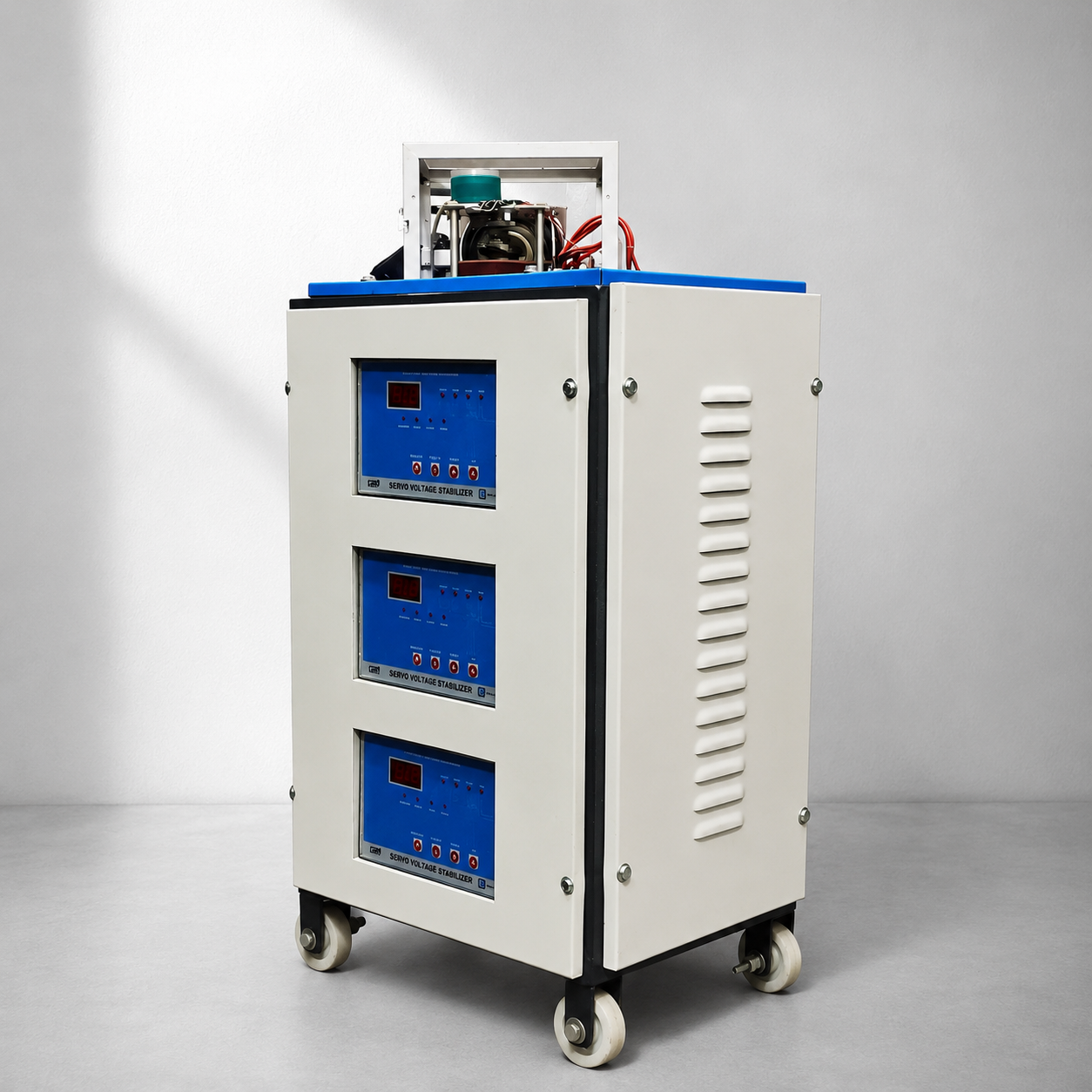
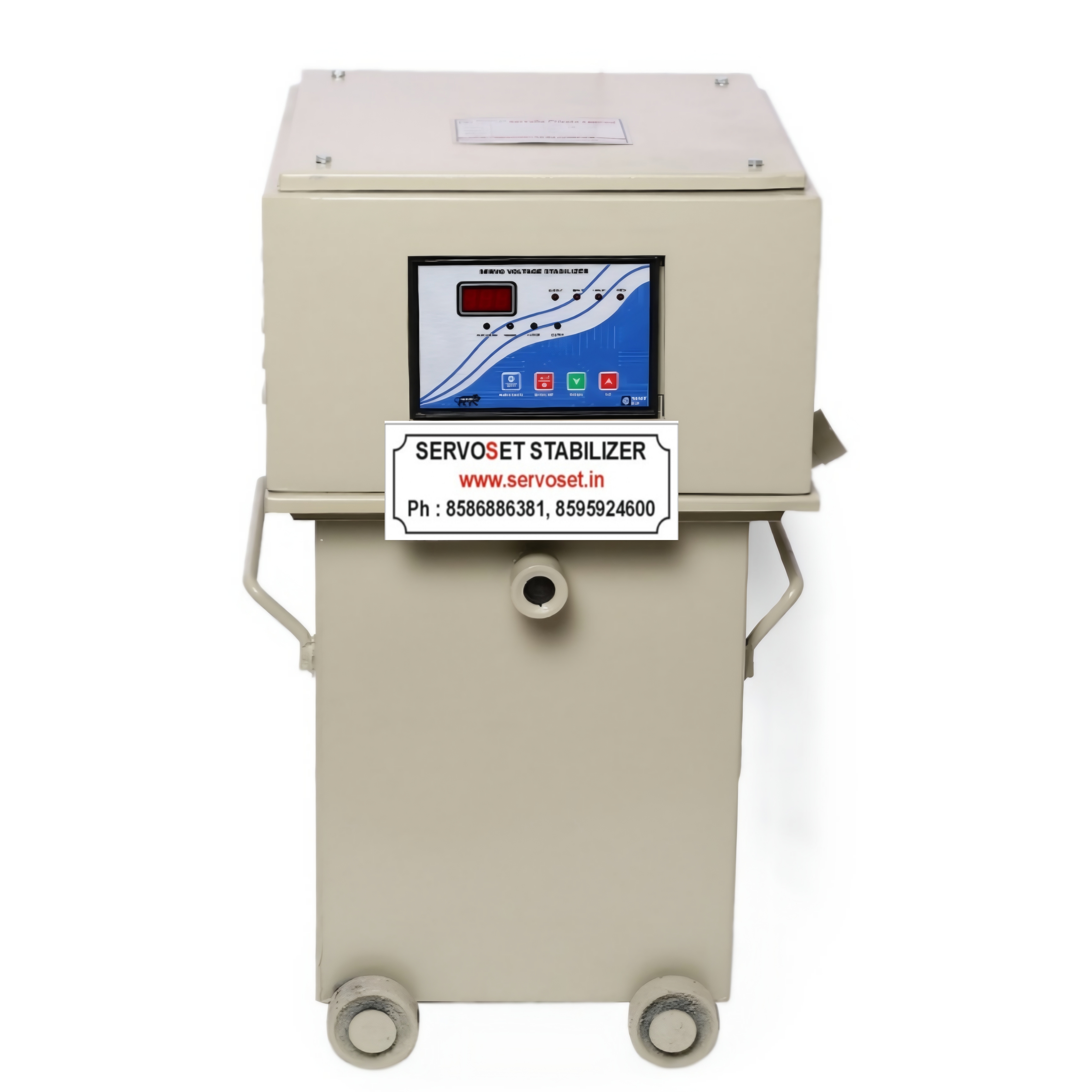
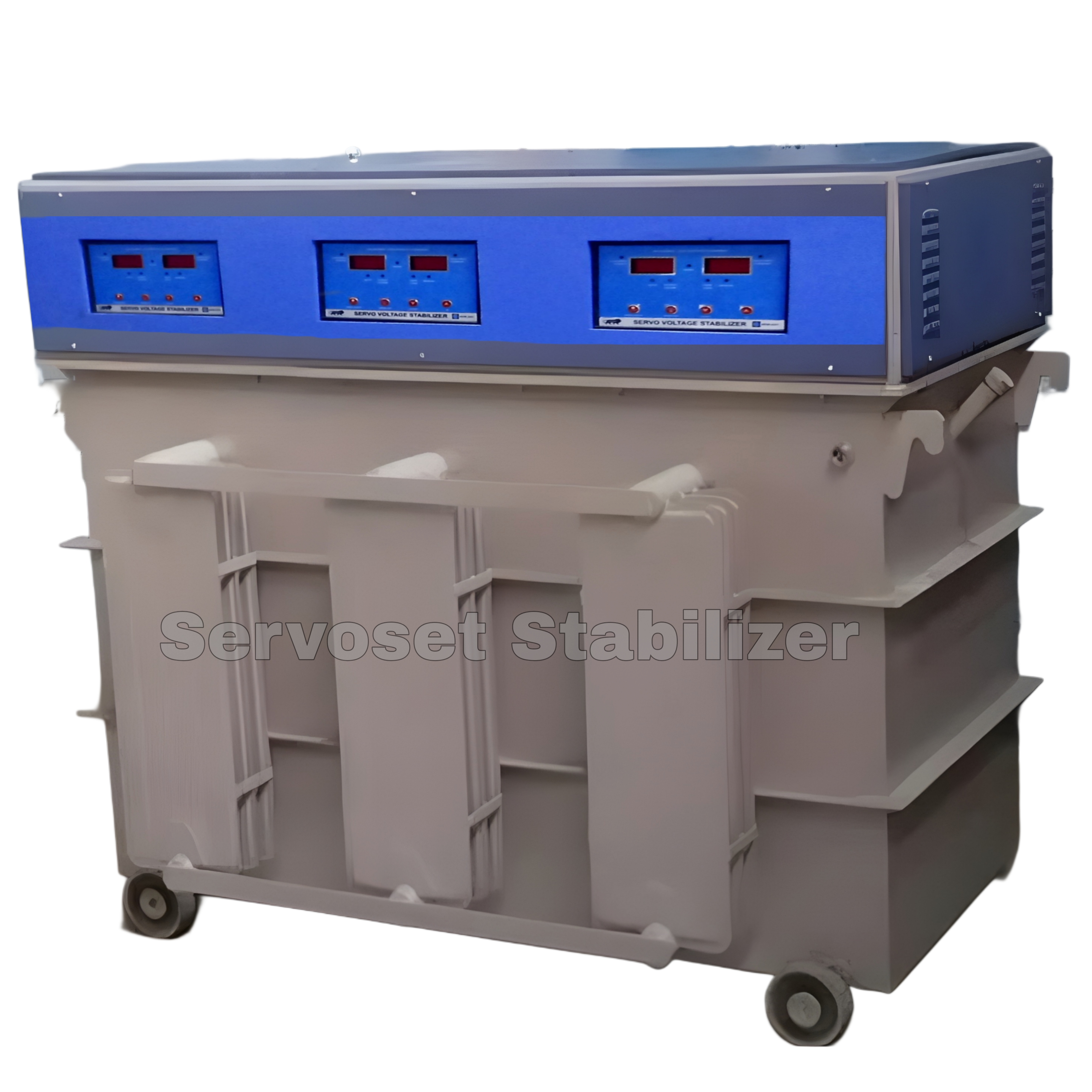
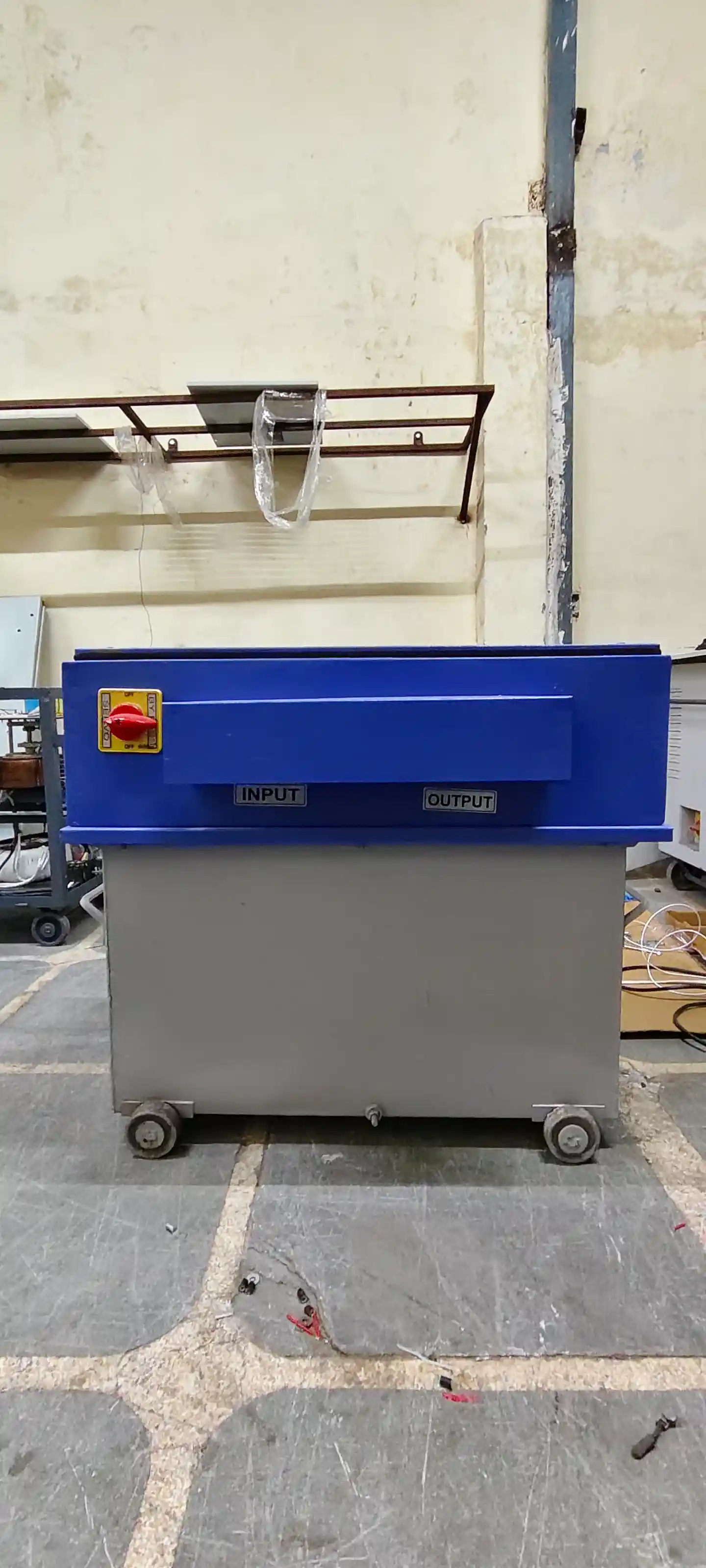
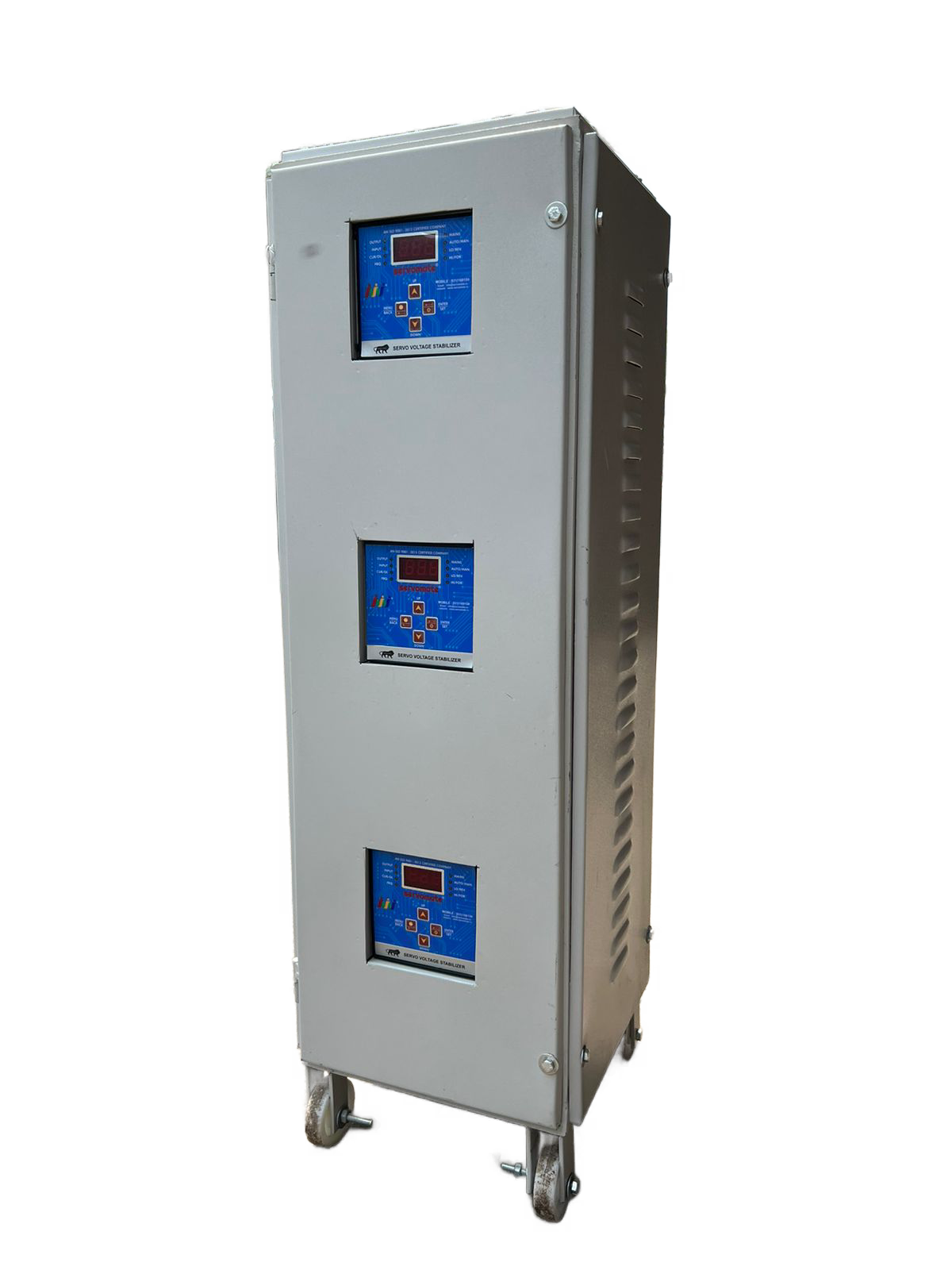
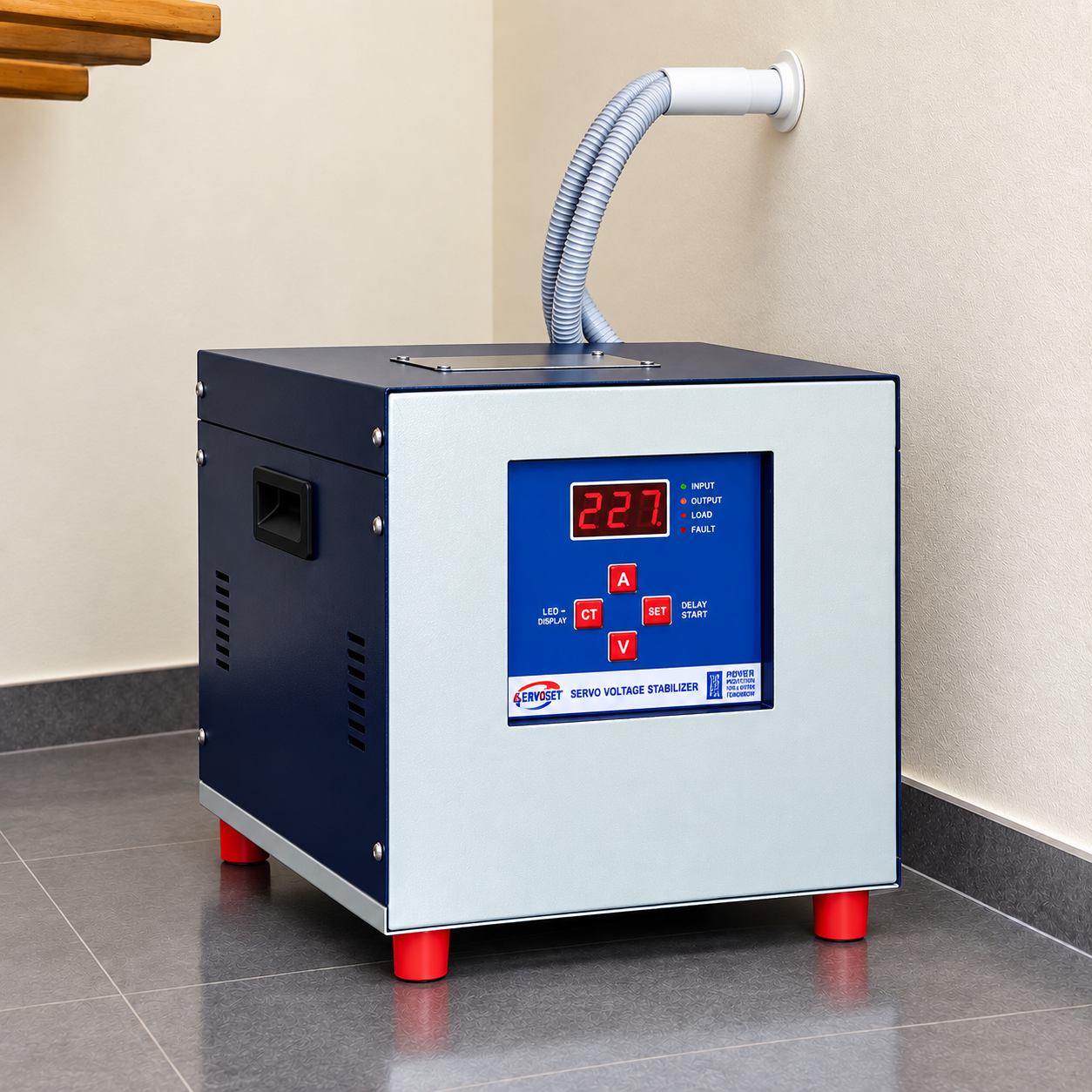
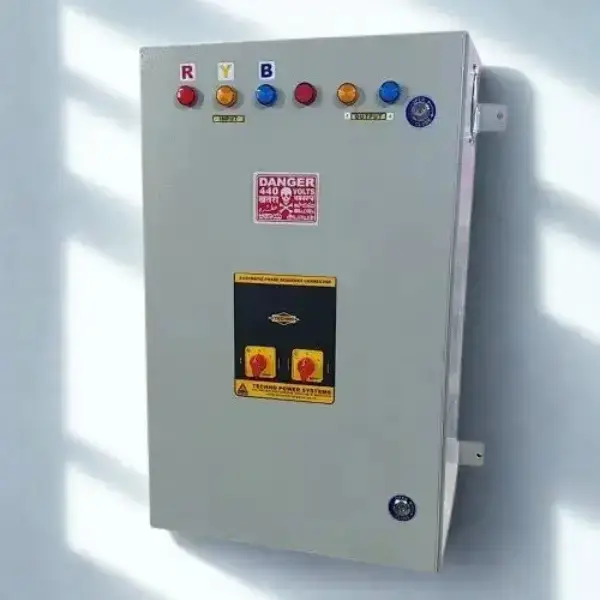
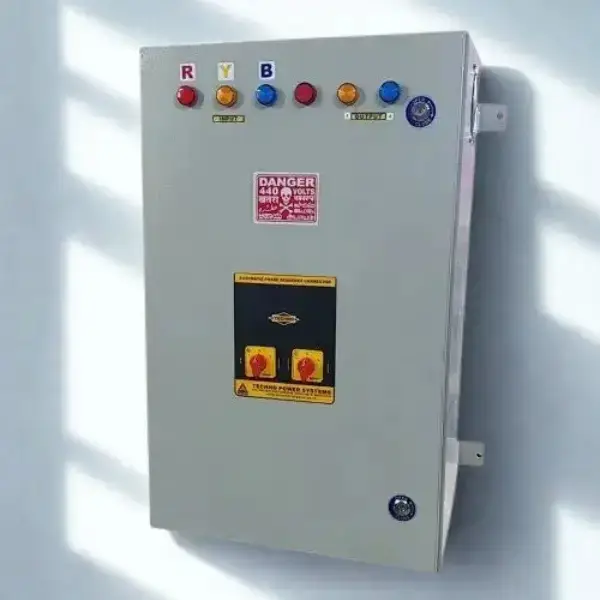
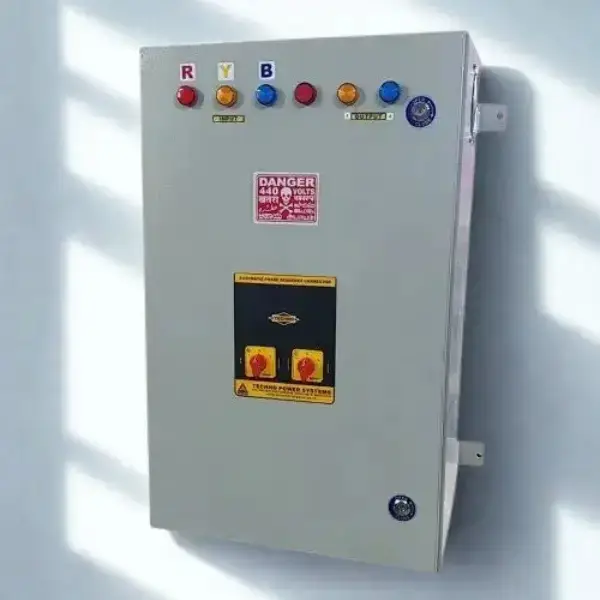
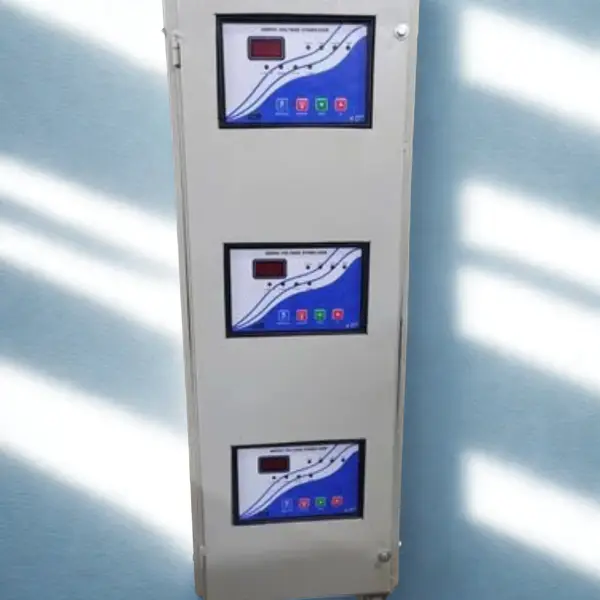
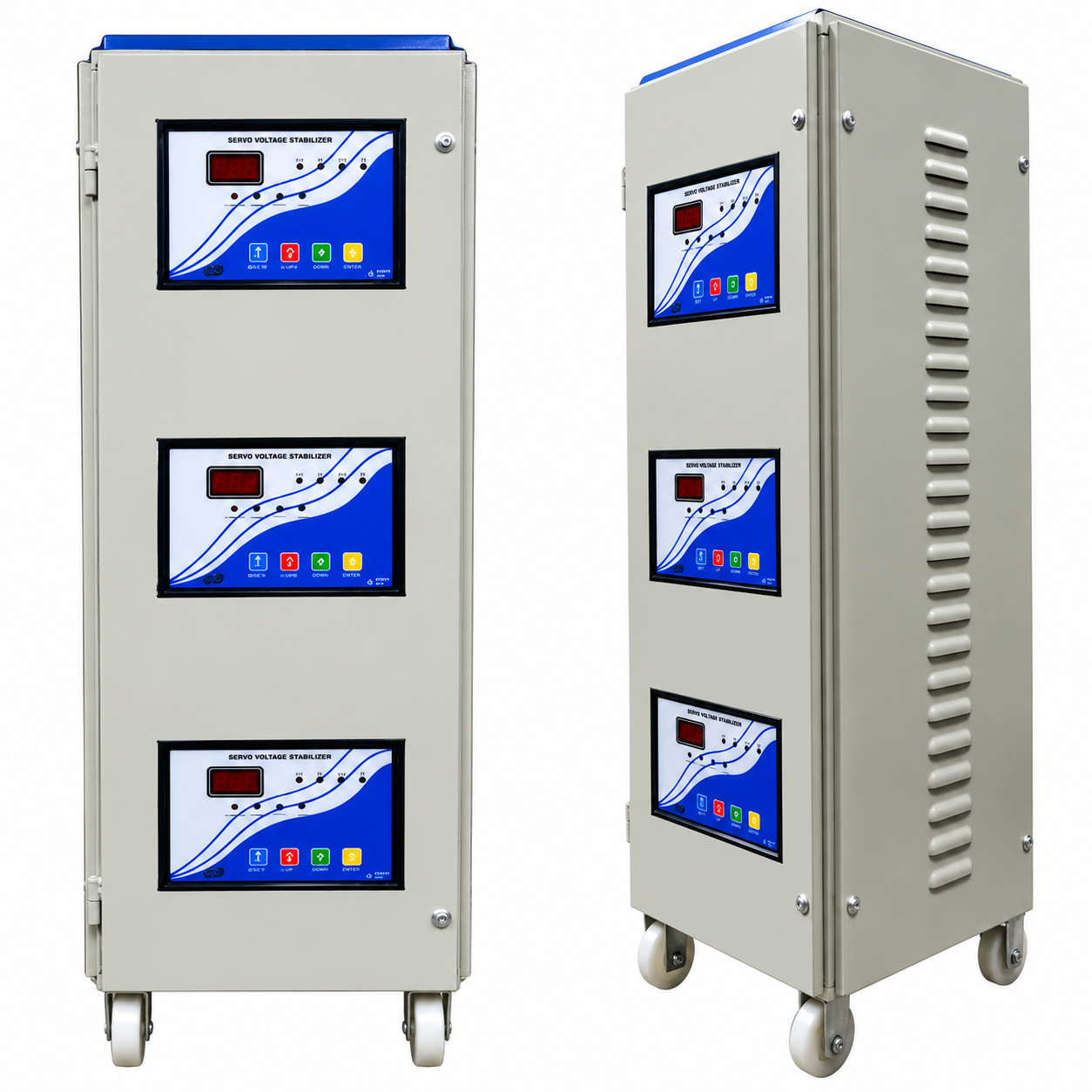
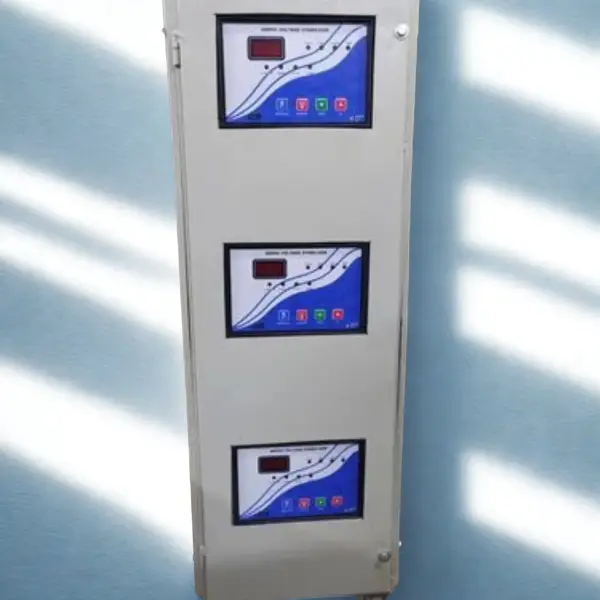
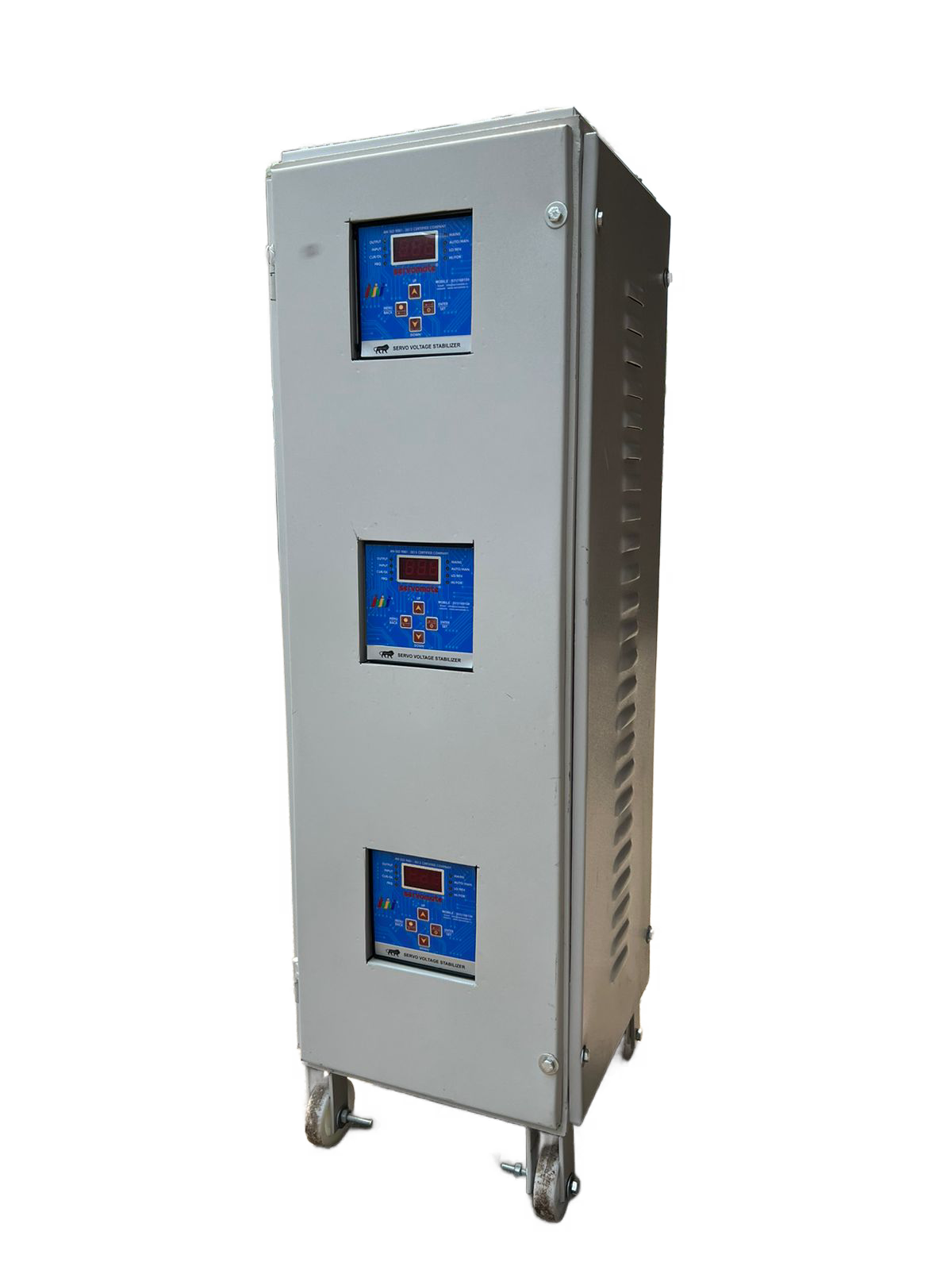
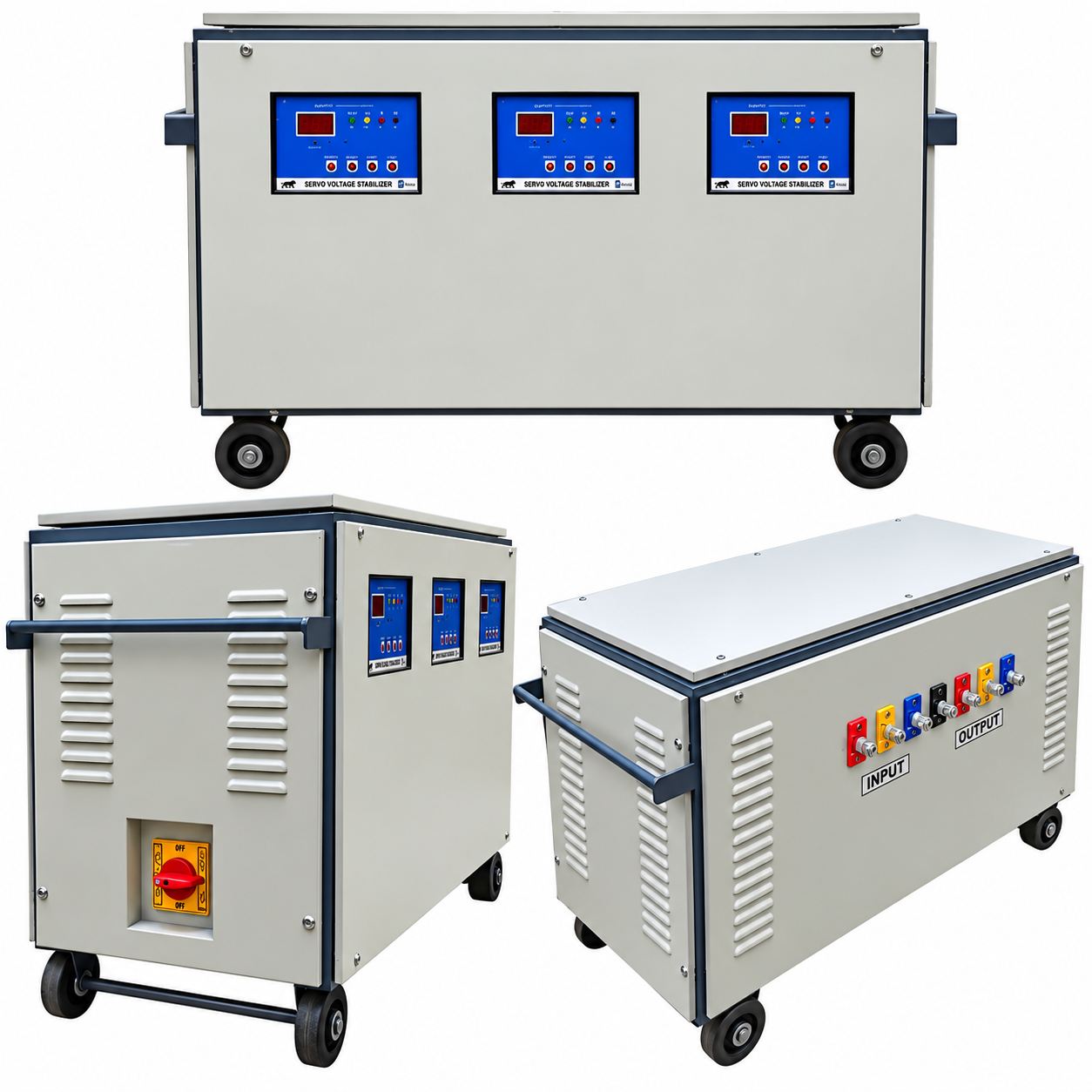
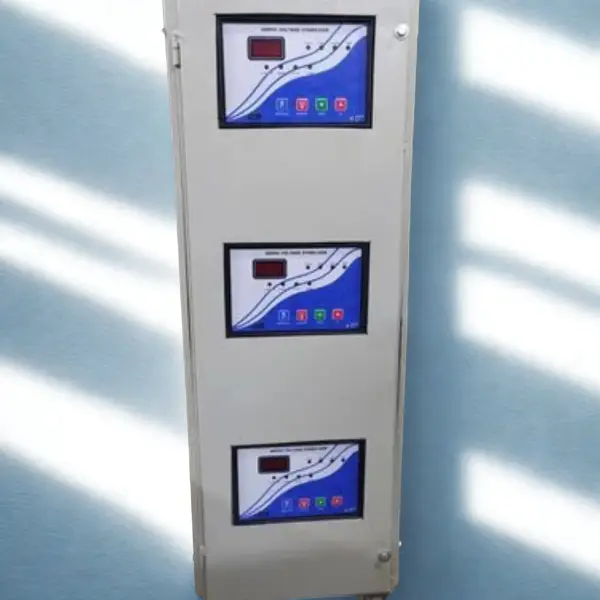
A three phase servo stabilizer is an electrical device installed between the incoming power supply and your machinery. Its purpose is simple: regardless of fluctuations in the input voltage, it provides a stable and regulated output voltage.
Most industrial machines are designed to operate within a specified voltage range. A servo stabilizer helps ensure that they receive suitable voltage even when the incoming supply is unstable.
When the input voltage rises or falls, the stabilizer corrects it and delivers a regulated output, typically around 415V between the phases in a standard three phase system.
The term "servo" refers to the servo motor inside the unit. This motor moves a carbon brush along a transformer winding to adjust the voltage smoothly and automatically. There is no need for repeated manual adjustments, allowing your team to focus on production instead of monitoring the power supply.
Why Does Voltage Fluctuate in the First Place?
Voltage is not always perfectly stable. It depends on how much electricity other users connected to the same supply line are consuming, how far your facility is from the transformer, and the overall condition of the electrical distribution network.
This means even a well-managed factory can experience low or high voltage without any fault in its own electrical system.
In industrial areas, heavy electrical loads are often a major reason for voltage fluctuations. When multiple units connected to the same feeder operate their machinery simultaneously, the voltage can drop across the network.
Long cable runs can contribute to the problem because some voltage is lost during transmission. Large motors starting or stopping nearby may also cause sudden voltage dips or rises.
During summer, increased demand for air conditioning and cooling equipment puts additional pressure on the electrical network. Older or overloaded local electrical infrastructure can make the situation worse.
You cannot control all these external factors, but you can regulate the voltage reaching your machines. This is where a servo stabilizer becomes useful.
How Does a Servo Stabilizer Work?
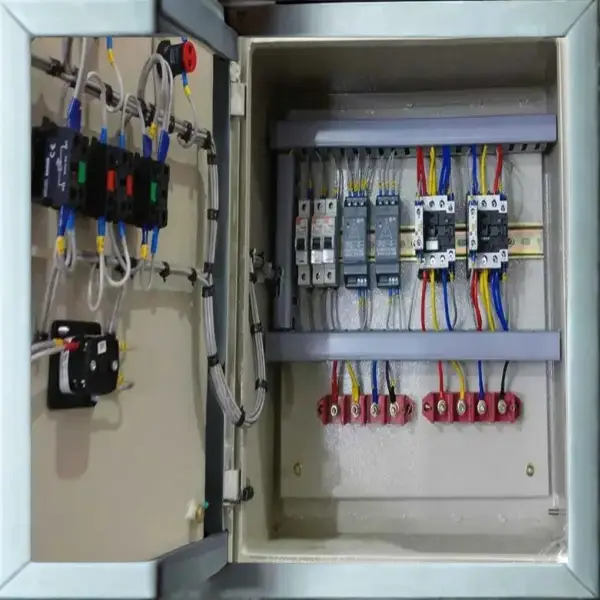
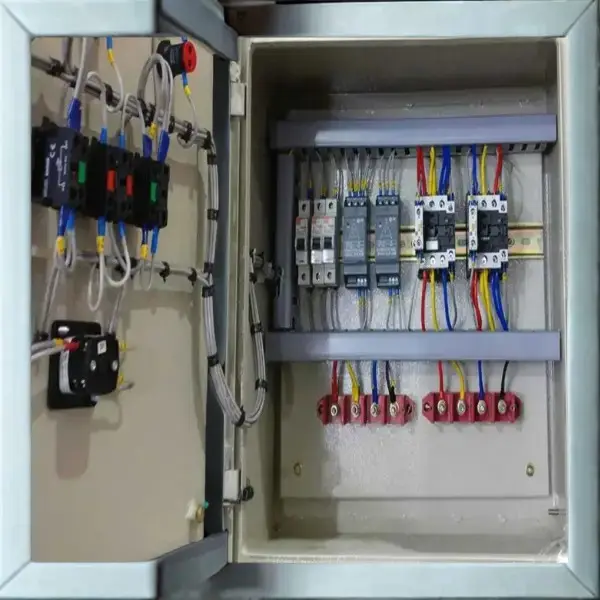
Inside a servo stabilizer, several components work together continuously. The control card acts as the brain, the servo motor performs the movement, and the transformer system makes the actual voltage correction.
Because the entire process is automatic, no operator needs to stand beside the unit and make repeated adjustments.
The control card continuously monitors the output voltage. When the voltage moves away from the preset value, the card sends a signal to the servo motor.
The motor then rotates a dimmer, also known as a variac. This changes the voltage supplied to the buck-boost transformer. The transformer adds or subtracts voltage as required, bringing the output closer to the desired level.
The correction process is automatic and smooth. The actual response time depends on the stabilizer design, the amount of voltage variation, and the connected load.
Main Parts of a Servo Stabilizer
Understanding the main components helps you ask the right questions when speaking with a supplier. The quality of these parts plays an important role in the stabilizer's performance, reliability, and service life.
- Control Card: Monitors voltage and sends instructions to the servo motor when correction is required.
- Servo Motor: Moves the carbon brush across the dimmer to adjust the voltage.
- Dimmer or Variac: Provides adjustable voltage to the transformer system.
- Buck-Boost Transformer: Adds or reduces voltage to maintain the desired output.
- Carbon Brush: Moves along the dimmer track and maintains electrical contact during voltage adjustment.
- Protection Devices: Disconnect the supply or provide warnings when abnormal operating conditions occur, depending on the model.
A stabilizer manufactured with quality copper windings, a reliable servo motor, and durable components can provide better long-term performance than a unit built with inferior parts.
Why Voltage Stabilization Matters for Industry
In most factories, voltage problems do not always cause dramatic failures. Instead, machinery may gradually deteriorate, motors may run hotter than normal, and maintenance expenses may continue to increase.
Because the damage can develop gradually, many business owners identify the underlying problem only after spending considerable time and money on repairs.
When voltage is low, motors may draw excessive current to deliver the required output, causing overheating and potentially shortening their service life.
High voltage can place additional stress on electronic components, drives, and control cards. CNC and PLC machines may experience errors, while compressors and pumps may suffer premature wear.
Unfavourable voltage conditions can also contribute to energy losses and excessive heating in some equipment.
A properly selected servo stabilizer helps regulate voltage and reduce these risks. Over time, reduced repair expenses and less production downtime may help offset the initial investment. Actual savings depend on the equipment, electrical conditions, and operating environment.
Signs That Your Unit Needs a Stabilizer
Voltage problems often leave clues, but they can easily be mistaken for other technical faults. If your maintenance team repeatedly encounters similar problems, the incoming power supply may be one of the causes.
Look for the following warning signs:
- Motors becoming unusually hot or producing a persistent humming sound.
- Machines stopping or restarting without an obvious reason.
- Repeated errors in drives, PLC systems, or CNC machines.
- Frequent failures of contactors, relays, or MCBs.
- Lights flickering or changing brightness during the day.
- Maintenance and repair costs increasing month after month.
If you notice two or three of these symptoms, have the electrical supply checked and record the actual voltage readings before deciding whether a stabilizer is necessary.
Key Benefits of Using a Three Phase Servo Stabilizer
One of the first benefits is more consistent production. When the voltage remains within the required range, machines can operate under more consistent electrical conditions, helping maintain production quality.
Operators may spend less time restarting equipment and troubleshooting voltage-related interruptions.
Another major benefit is protecting equipment from electrical stress. Motors, drives, and electronic control systems may experience fewer voltage-related problems when supplied with properly regulated power.
A servo stabilizer provides automatic voltage correction and can be designed for heavy industrial loads. However, overload capacity varies by model, so the manufacturer's specified operating limits must always be followed.
Over time, these benefits can contribute to more reliable production, potentially lower maintenance costs, and greater operational confidence.
Balanced vs. Unbalanced Servo Stabilizers: Which One Do You Need?
Three phase stabilizers are available in different configurations. The main difference is how they correct voltage across the three phases.
Selecting the right configuration depends on how the electrical load is distributed across your facility.
Balanced Servo Stabilizer
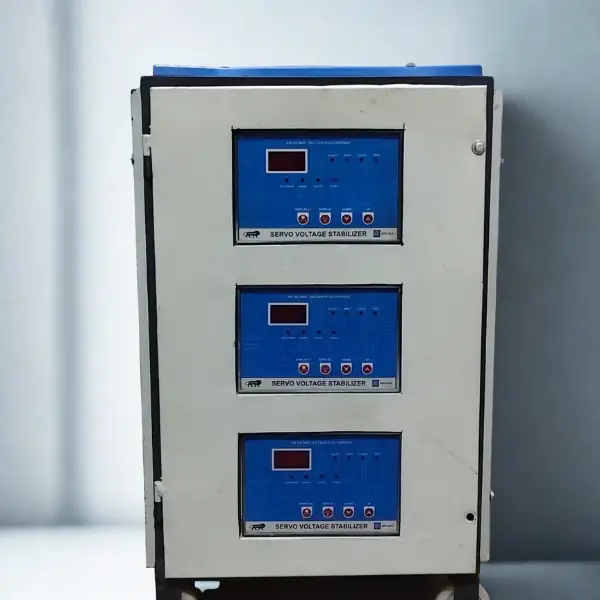
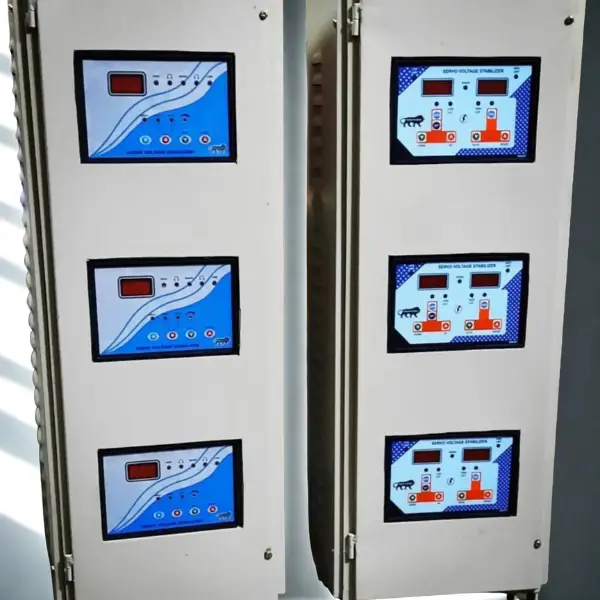
A balanced stabilizer corrects all three phases together. It may be suitable for facilities where the load is distributed relatively evenly across the phases, such as factories that primarily operate three phase motors.
Unbalanced Servo Stabilizer
An unbalanced stabilizer, also known as an independent-phase correction stabilizer, adjusts the voltage of each phase separately.
This arrangement may be suitable for workshops that operate single phase equipment alongside three phase machinery, particularly when one phase carries more load than the others.
If you are unsure which model to select, first check how your electrical load is distributed across the three phases. Choosing the wrong configuration may prevent the system from providing the required voltage regulation on each phase.
Air-Cooled vs. Oil-Cooled Servo Stabilizers
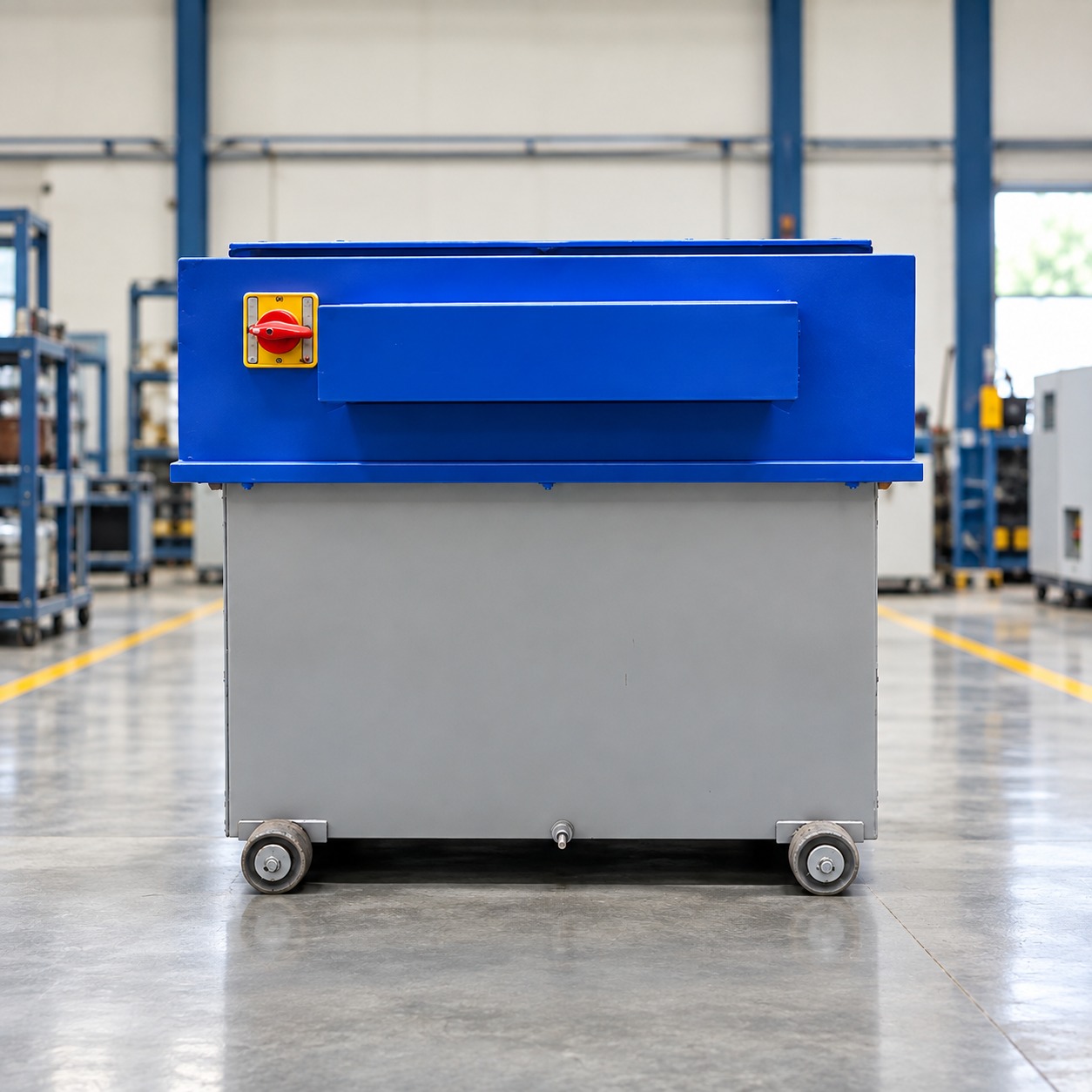
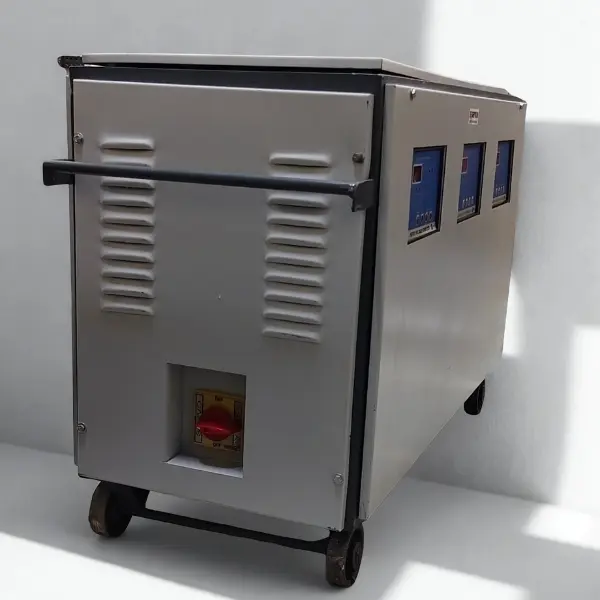
Servo stabilizers generate heat during operation. This heat must be managed to ensure safe and reliable performance. The cooling method mainly depends on the stabilizer's capacity, installation location, and operating conditions.
Air-Cooled Servo Stabilizers
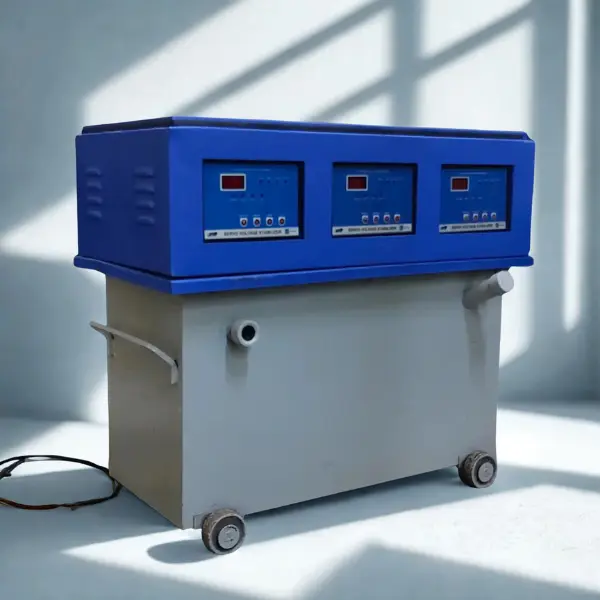
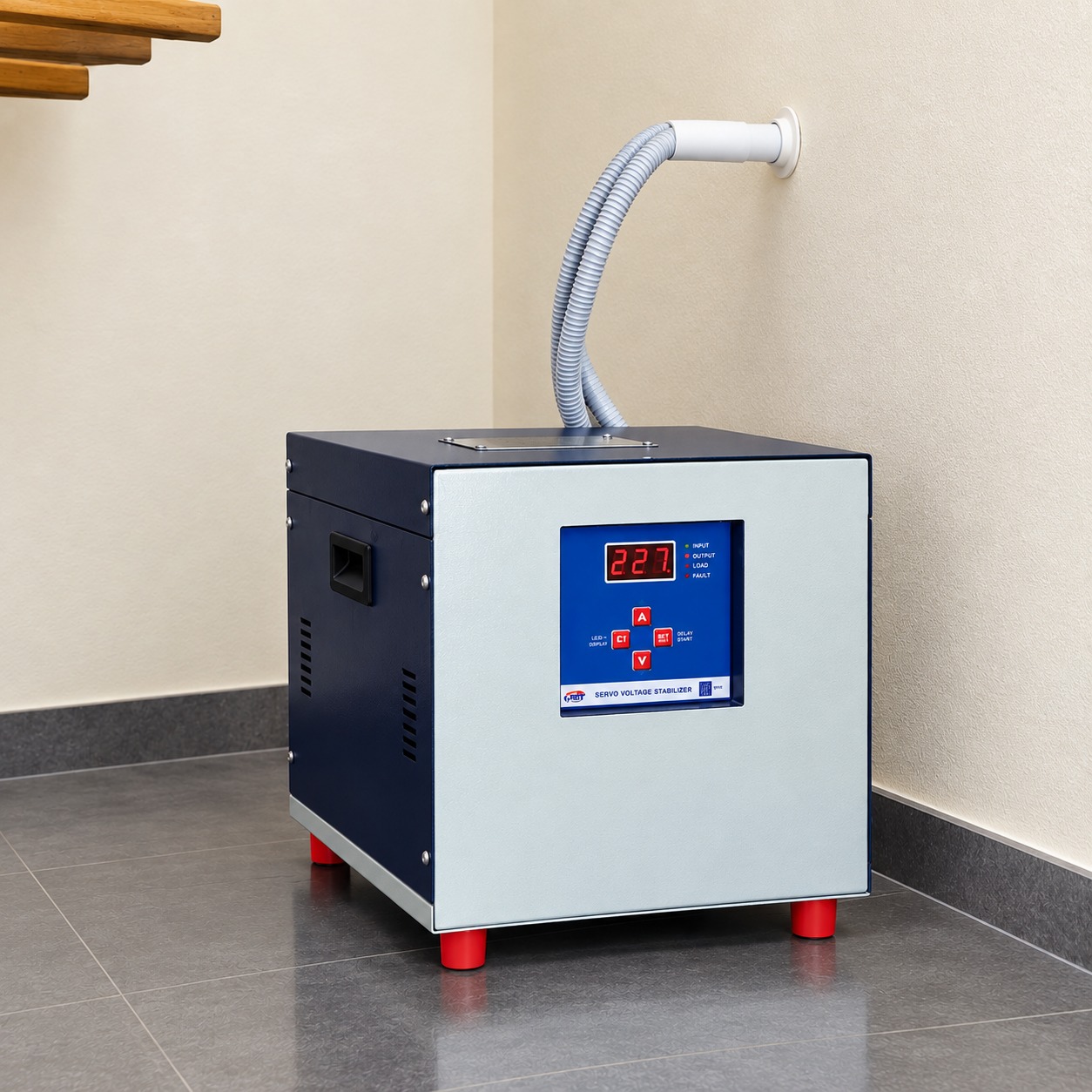
Air-cooled models are generally simple, lighter, and easier to service. They are commonly considered for small and medium-capacity applications installed in clean, well-ventilated environments.
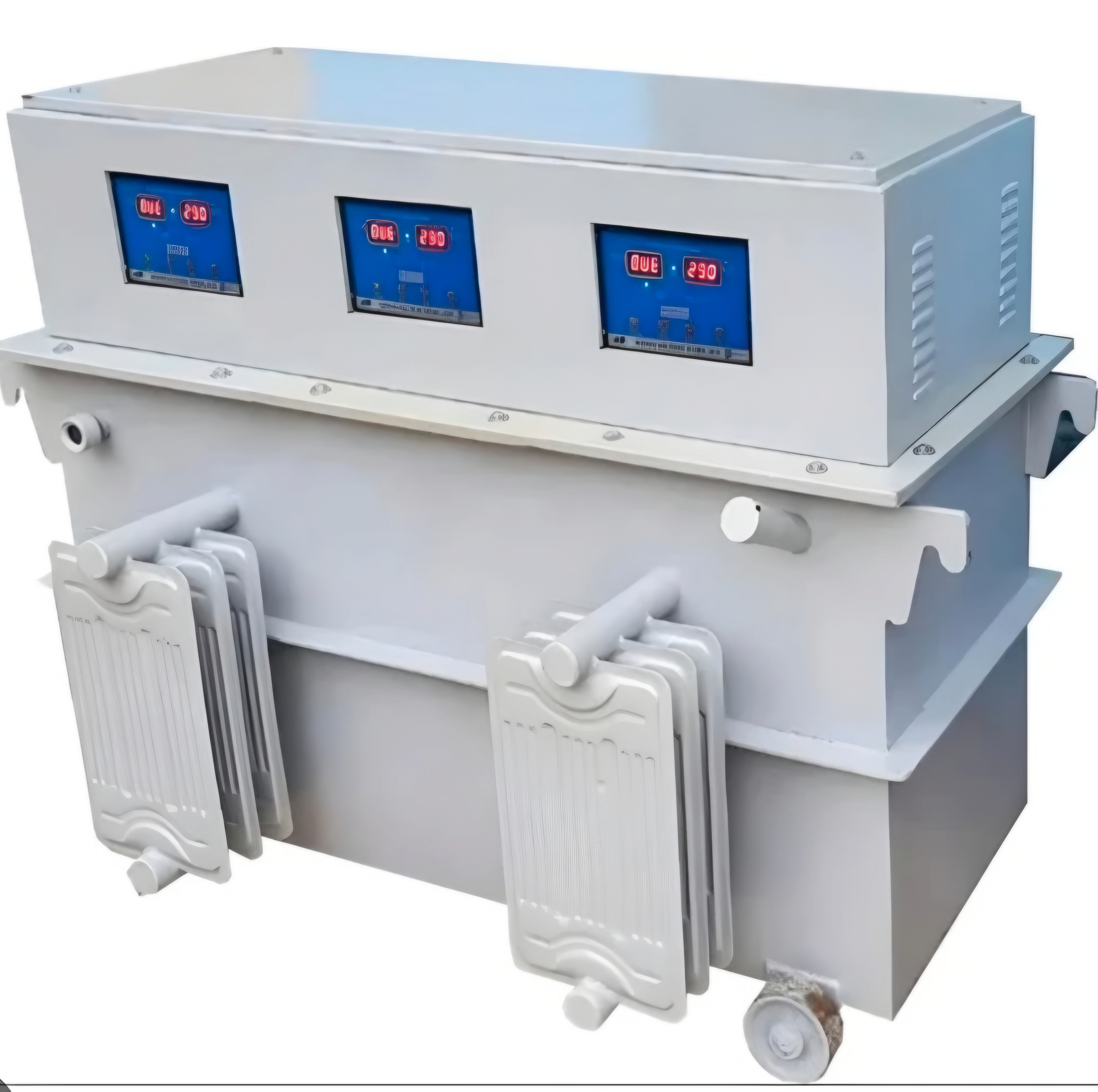
Oil-Cooled Servo Stabilizers
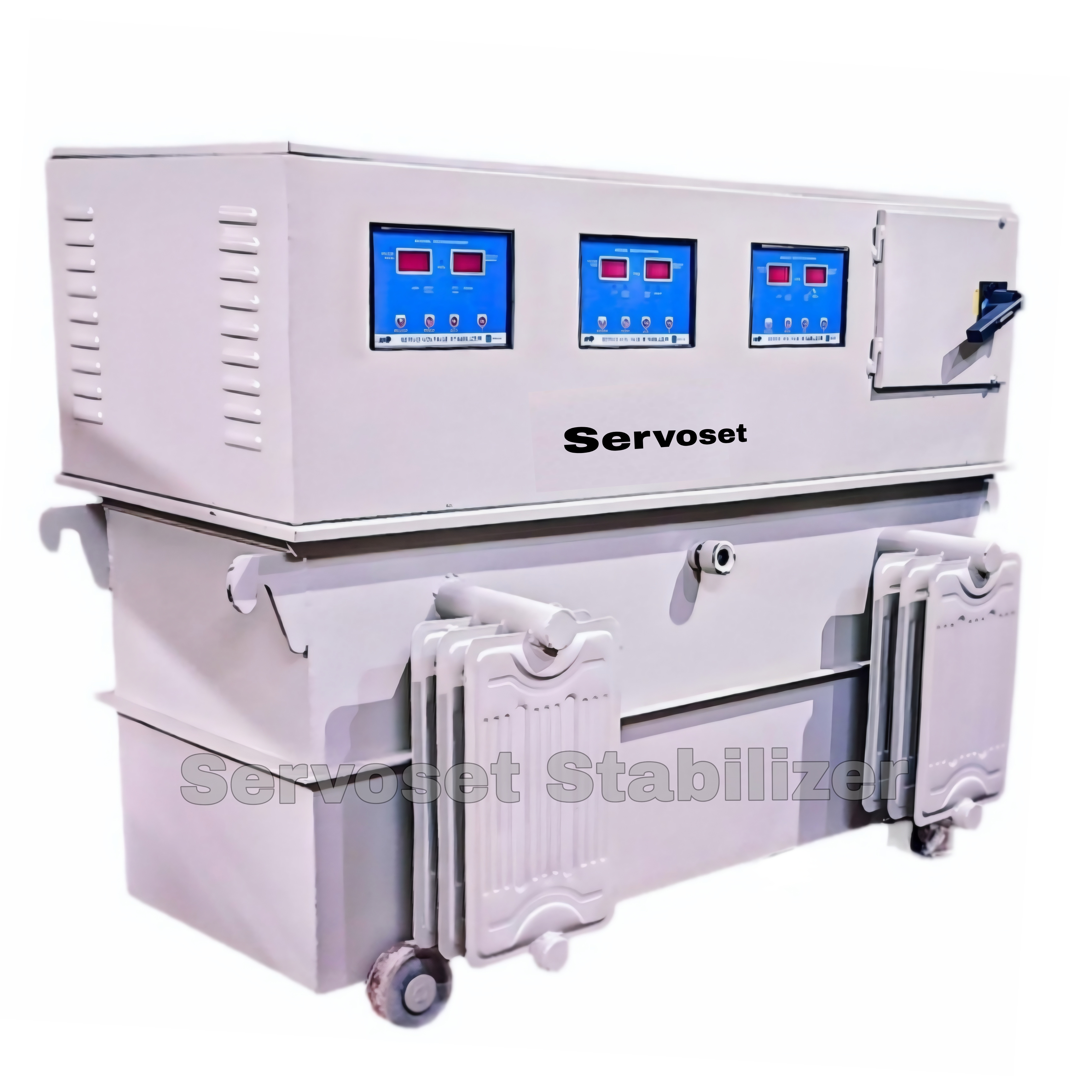
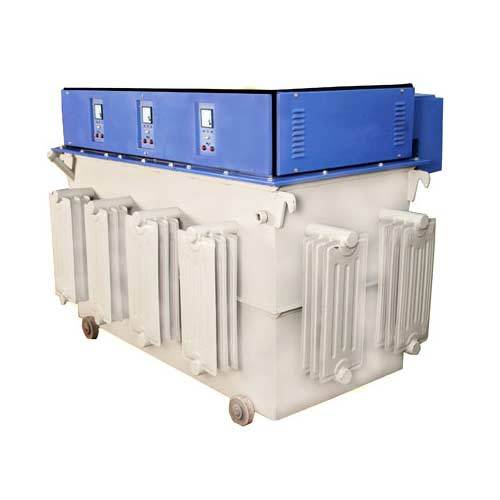
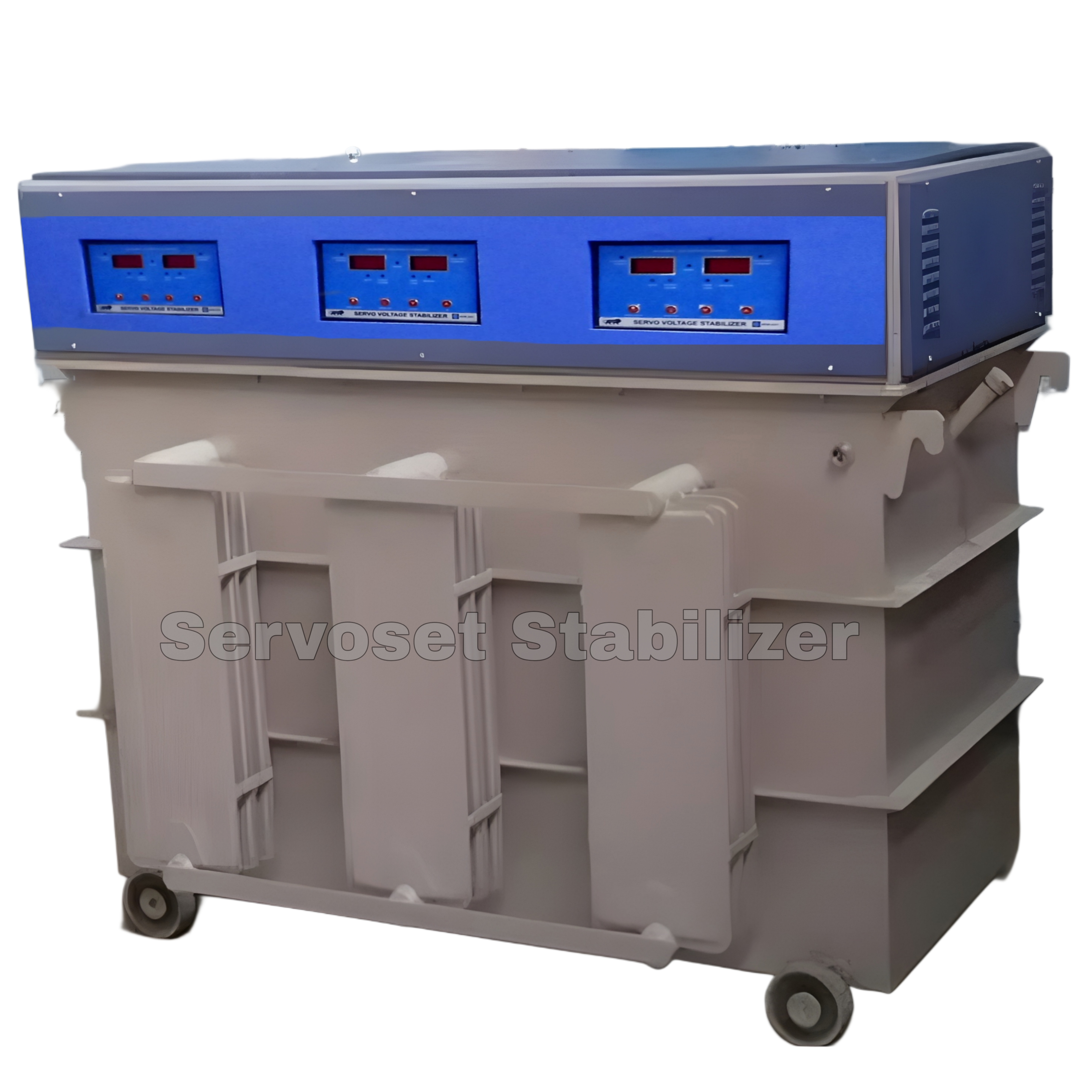
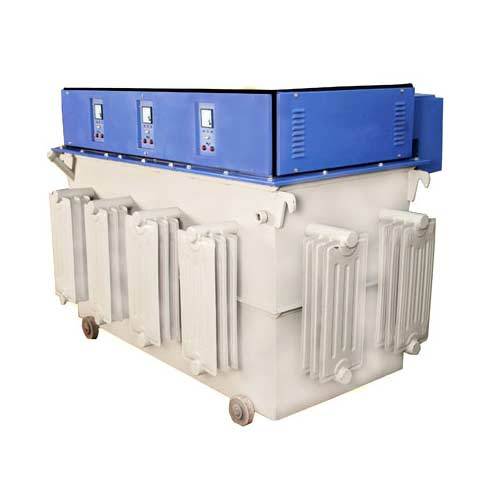
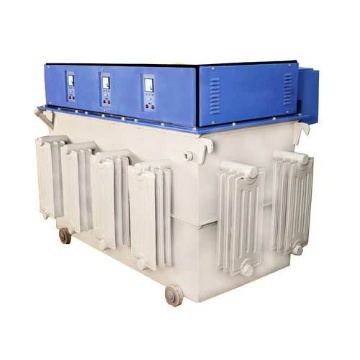
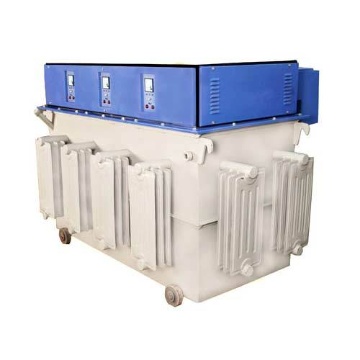
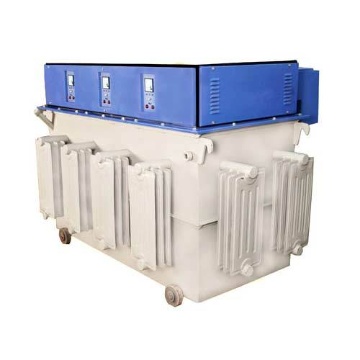
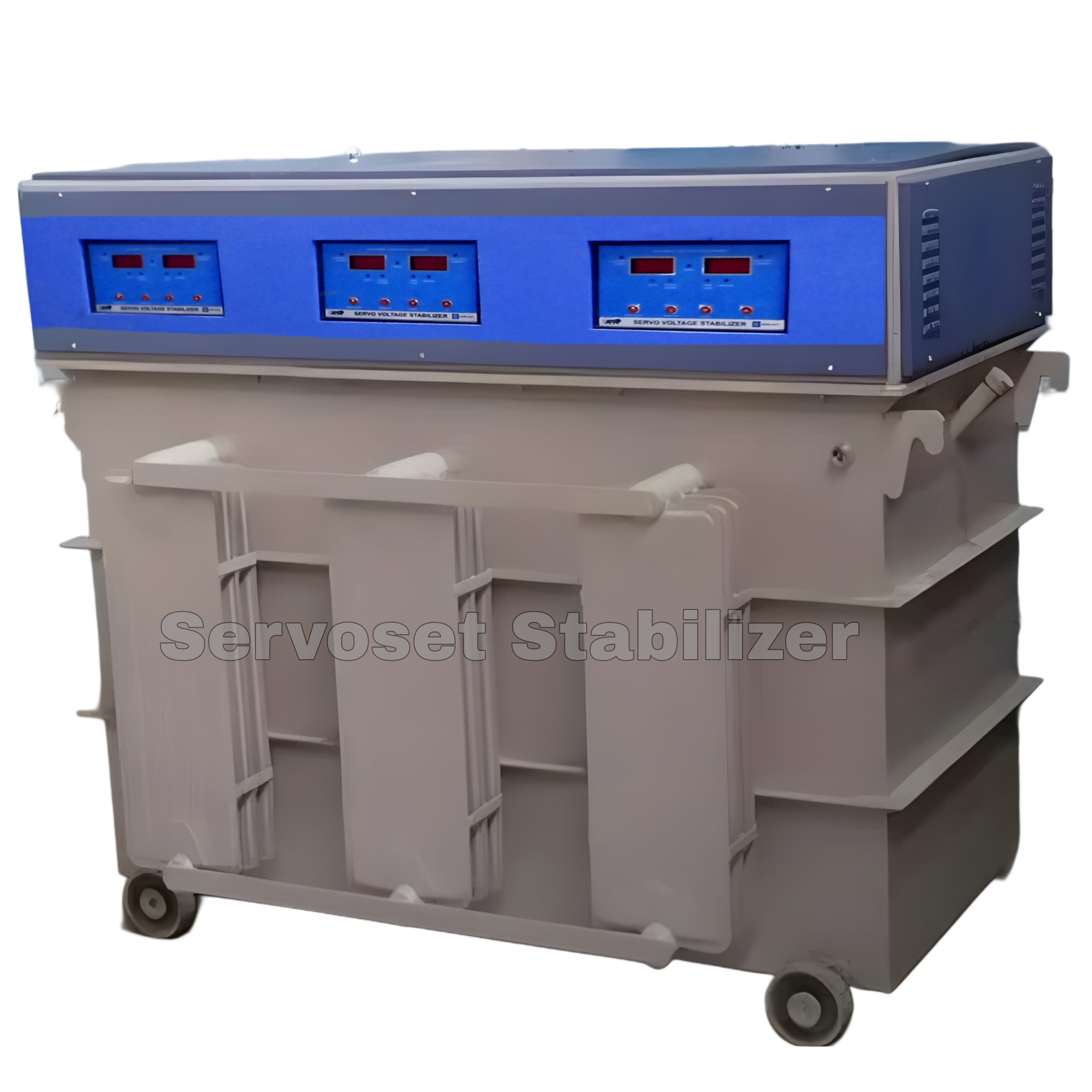
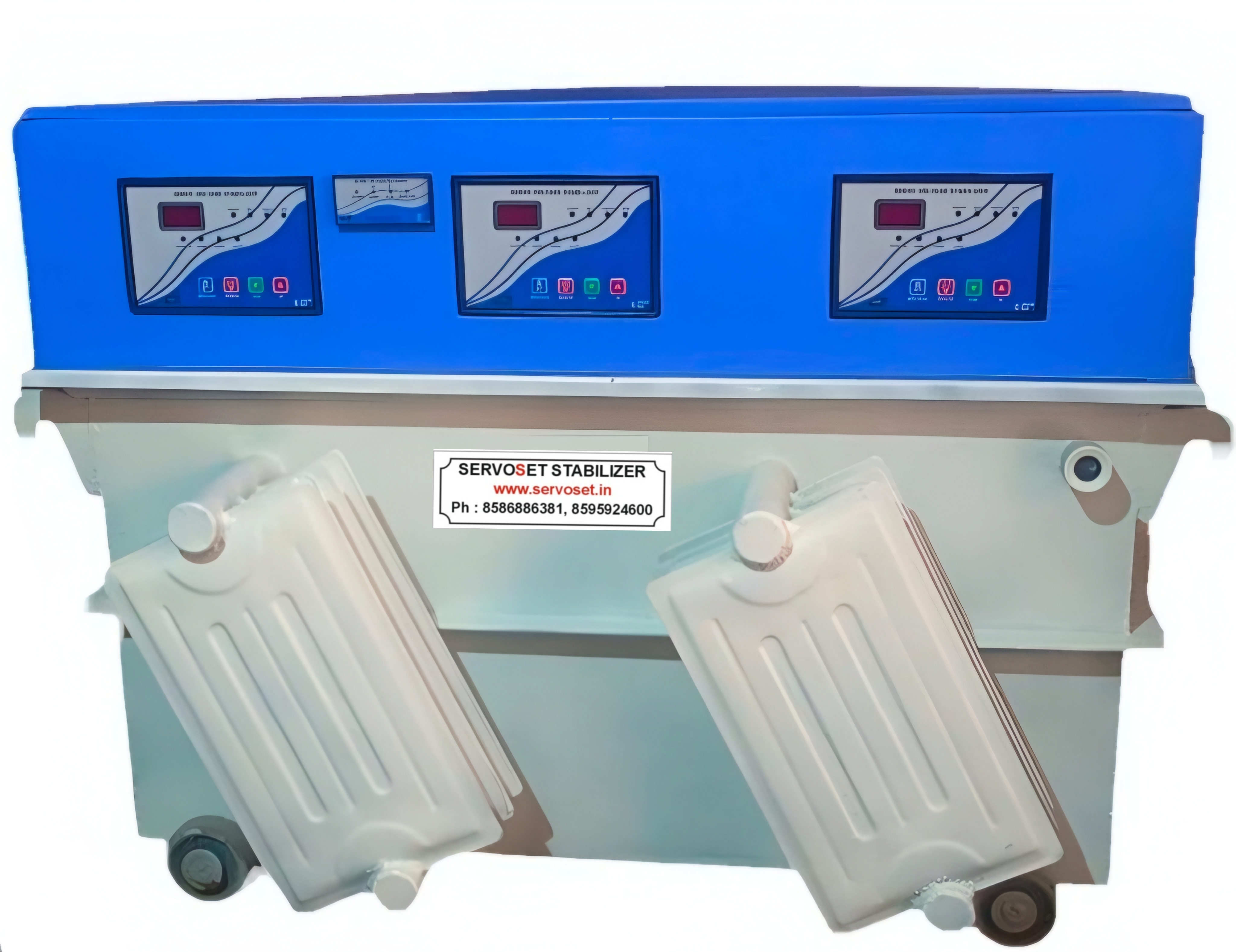
Oil-cooled models can be useful for managing heat in higher-capacity stabilizers and certain demanding industrial environments. They may be considered for large industrial loads and locations with challenging operating conditions.
Ask your supplier which cooling arrangement is appropriate for your capacity and working environment. The right choice can influence the stabilizer's performance, maintenance requirements, and service life.
How to Choose the Right Stabilizer Capacity
Capacity determines how much electrical load a stabilizer can handle safely. If the unit is undersized, it may overheat or trip. If it is significantly oversized, you may spend more than necessary.
The goal is to select a stabilizer that supports your current machinery while leaving sufficient room for starting requirements and possible future expansion.
Stabilizer capacity is measured in kVA. To estimate the required capacity, add the total power consumption of the machines that will operate simultaneously in kW and divide it by the power factor.
Formula:
kVA = Total Load (kW) ÷ Power Factor
If the power factor is unknown, 0.8 can be used for an initial estimate. You should then consider an additional margin of approximately 20% to 25%, depending on motor starting current and future load expansion.
Example: A 40 kW load at a power factor of 0.8 corresponds to approximately 50 kVA. After adding a suitable capacity margin, a 60 kVA stabilizer may be worth considering.
Avoid choosing a stabilizer whose rated capacity exactly matches the estimated load without considering motor starting requirements and load variations.
Before finalising the purchase, have the electrical load assessed by a qualified electrical engineer to confirm the appropriate stabilizer rating.
Things to Check Before You Buy
Two stabilizers may look identical from the outside but perform very differently. Their internal components, manufacturing quality, and after-sales support can make a significant difference.
- Input Voltage Range: A wider input range can be useful in locations with significant voltage fluctuations. For example, a range of 340V to 480V may suit certain applications, but the correct range must be selected based on actual site measurements and the manufacturer's specifications.
- Output Accuracy: Consider specifications such as ±1% for sensitive equipment. ±3% may be acceptable for some general motor applications, provided the equipment's voltage requirements allow it.
- Correction Speed: Faster correction may help protect equipment from sudden voltage changes.
- Protection Features: Check for overload protection, short-circuit protection, overvoltage and undervoltage cut-off, and single-phasing protection.
- Build Quality: Copper windings, a reliable servo motor, and a suitable enclosure contribute to long-term performance.
- Service Support: Choose a supplier that can provide timely technical assistance when maintenance or repairs are needed.
Common Mistakes to Avoid When Buying a Stabilizer
Many stabilizer-related problems begin with the purchasing decision rather than the product itself. A few avoidable mistakes can lead to overheating, poor voltage regulation, or premature failure.
The most common mistake is selecting a stabilizer whose capacity exactly matches the estimated load without allowing for motor starting current or future expansion.
Another mistake is ignoring how the load is distributed across the three phases. This can result in purchasing the wrong type of stabilizer.
Some buyers choose the cheapest available model without checking the quality of its windings and internal components. This can lead to additional repair expenses within a few years.
Others overlook important protection features to reduce the purchase price, potentially increasing the risk of damage to the stabilizer or connected machinery.
Finally, many buyers forget to ask about the warranty, spare parts availability, and after-sales service. These factors are especially important when the equipment is expected to operate for a decade or longer.
Installation Tips
Even a high-quality stabilizer can underperform if it is installed incorrectly. The installation location and wiring arrangements are important for safe and reliable operation.
- Install the stabilizer in a clean, dry, and well-ventilated location.
- Leave sufficient space around the unit for airflow and servicing.
- Keep it away from water leakage, excessive dust, and direct heat sources.
- Use appropriately sized cables and ensure that all connections are clean and secure.
- Remember that loose connections can cause overheating and voltage drops.
- Always have the installation completed by a qualified electrician.
- Check the output voltage after installation and before starting the connected machinery.
Where Are Three Phase Servo Stabilizers Used?
Servo stabilizers can be useful wherever heavy machinery operates on a three phase power supply. They are used in small workshops, large industrial plants, and commercial buildings where reliable equipment operation is important.
- Manufacturing units and fabrication workshops.
- CNC, laser-cutting, and press machines.
- Printing and packaging plants.
- Cold storage facilities and pharmaceutical units.
- Hospitals, hotels, and commercial complexes.
- Lifts, pumps, and HVAC systems.
Simple Servo Stabilizer Maintenance Tips
A servo stabilizer is a long-term investment, and like any machine, it performs best with regular maintenance. Fortunately, routine care is straightforward and does not necessarily require significant time or expense.
With proper maintenance and suitable operating conditions, some stabilizers can operate for 15 years or longer. Actual service life depends on the model, workload, component quality, and maintenance practices.
Keep the unit in a clean, ventilated location away from dust and moisture. Every few months, arrange an inspection of the carbon brush and dimmer track for wear. Terminal connections should also be checked during routine servicing.
Never operate the stabilizer beyond its rated capacity, as overloading can accelerate wear and reduce service life.
It is also advisable to schedule annual servicing by a trained technician. Regular inspections can help identify minor problems before they develop into major breakdowns.
Frequently Asked Questions
1. What Is the Difference Between a Servo Stabilizer and a Static Stabilizer?
A servo stabilizer uses a motor-driven mechanism and transformers to provide smooth voltage correction and can be suitable for many heavy industrial loads. A static stabilizer uses electronic switching and is generally associated with faster correction. The right choice depends on the application, load characteristics, and required response time.
2. Can One Three Phase Stabilizer Run Single Phase Loads?
Yes, provided the stabilizer is designed and connected for the application. Where the load is unevenly distributed across phases, an independent-phase correction model may be more appropriate than a balanced model.
3. How Long Does a Servo Stabilizer Last?
With proper maintenance and suitable operating conditions, many servo stabilizers can operate for 10 to 15 years or longer. Their actual service life depends on build quality, workload, and the surrounding environment.
4. Does a Stabilizer Reduce Electricity Bills?
A stabilizer does not automatically reduce electricity bills. However, maintaining suitable voltage conditions can help some equipment operate properly and may reduce losses associated with unfavourable operating conditions.
5. Will a Stabilizer Work During a Power Cut?
No. A stabilizer regulates voltage but does not generate electricity when the incoming supply is interrupted. You need a suitable UPS, generator, or other backup system to maintain power during an outage.
6. Should I Install One Stabilizer for the Entire Facility or One for Each Machine?
Both arrangements are possible. Many facilities install a large stabilizer at the main incoming supply, while others use separate stabilizers for sensitive machinery. The right approach depends on the total load, equipment requirements, and electrical system design.
Conclusion
Unstable voltage is a problem that most factories may face sooner or later. A three phase servo stabilizer is one way to help manage this issue. It supports the protection of motors and machinery, can reduce voltage-related breakdowns, and helps maintain more consistent production conditions.
The key is to make the right choice. Select a stabilizer that matches your load characteristics, allow sufficient capacity margin, and purchase from a supplier that provides quality products and dependable after-sales service.