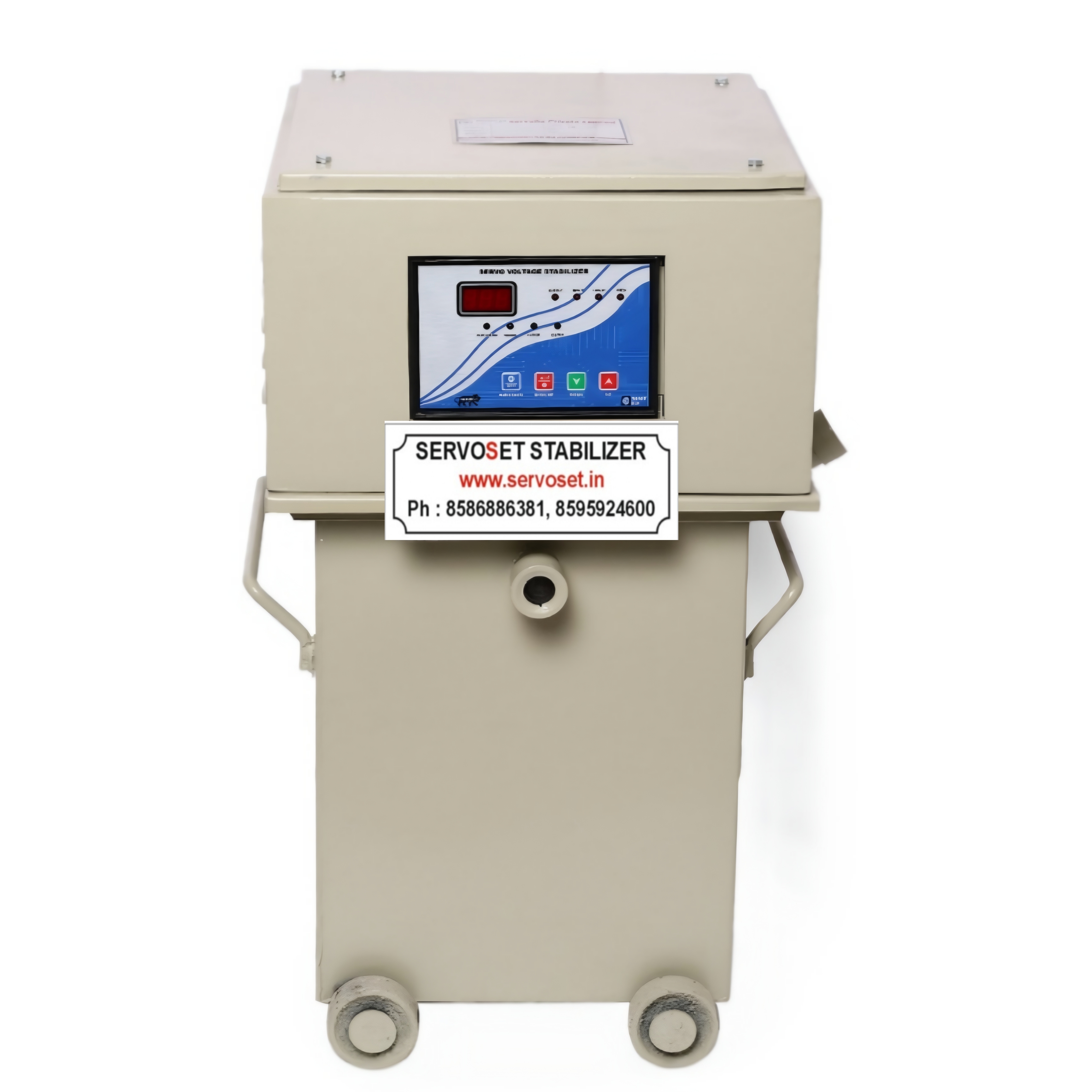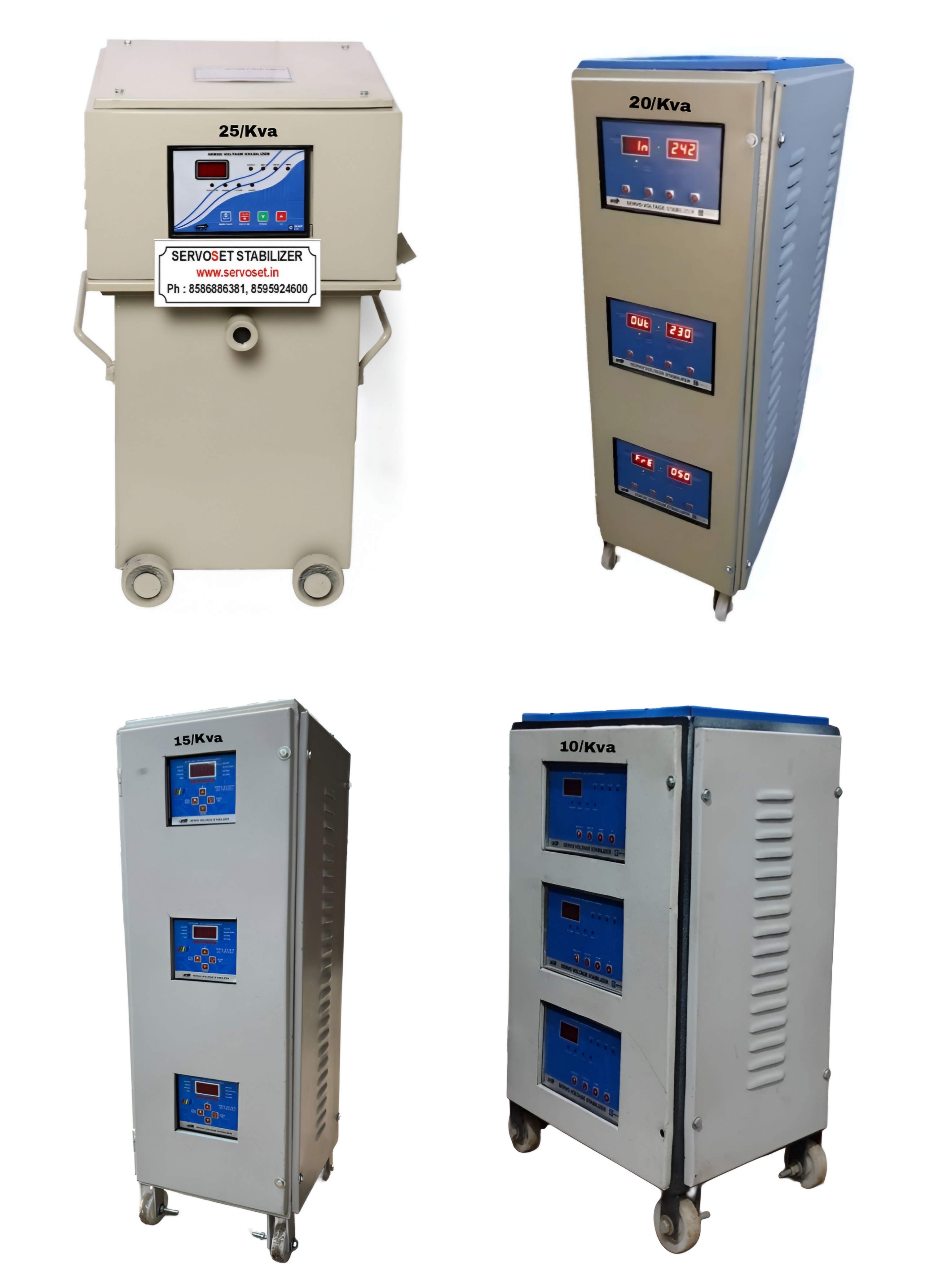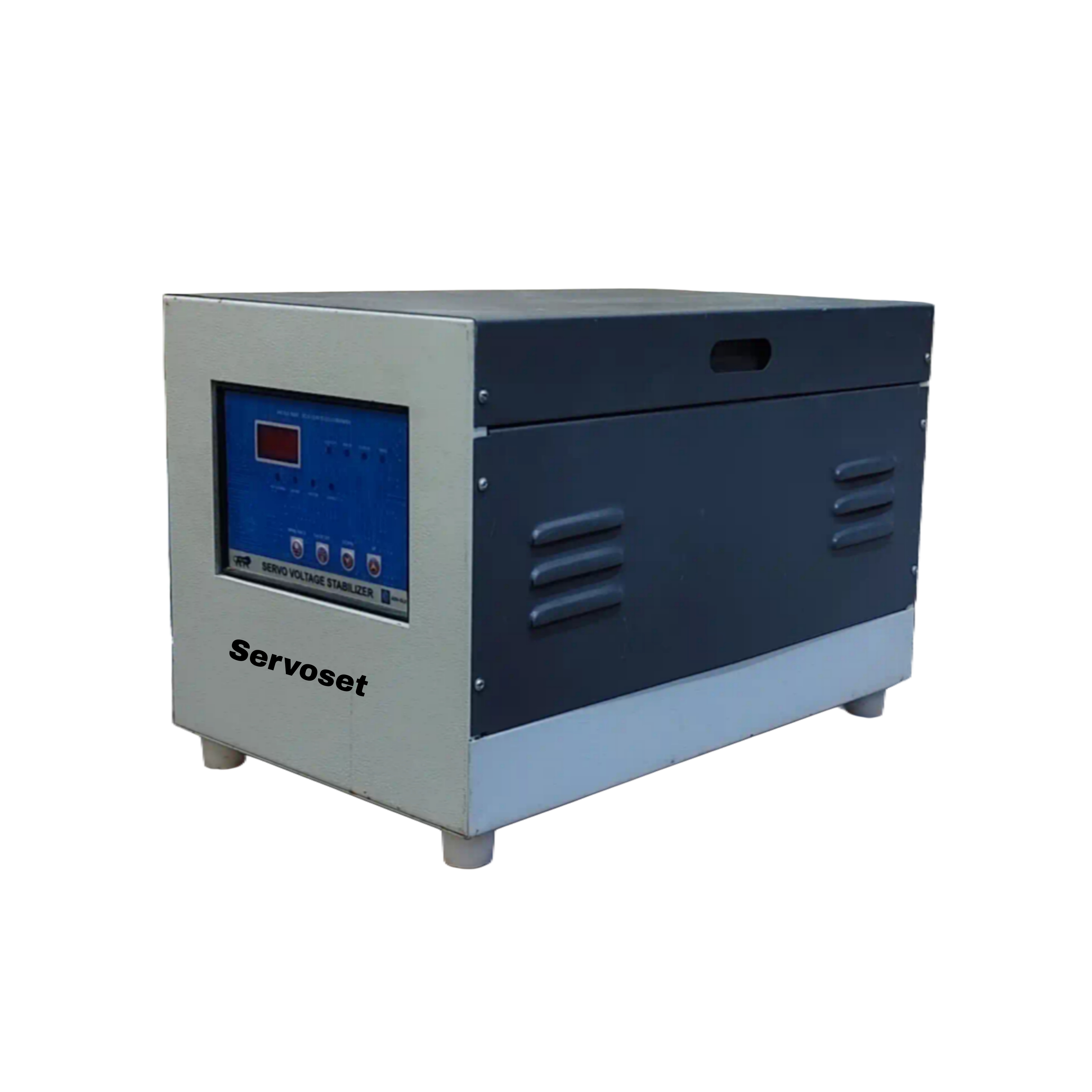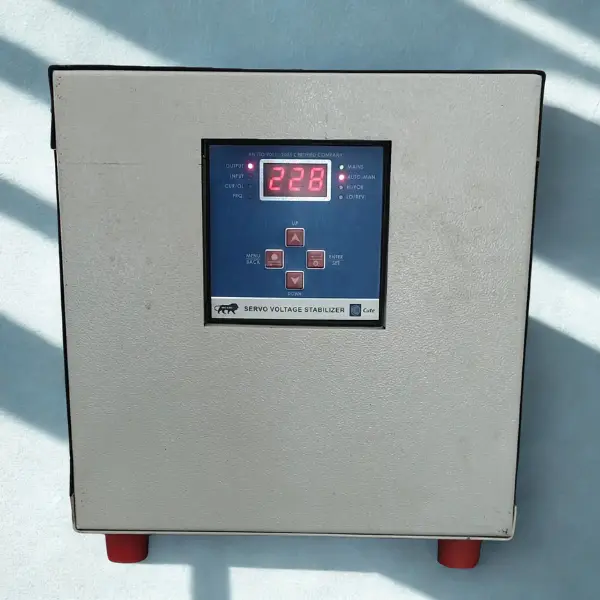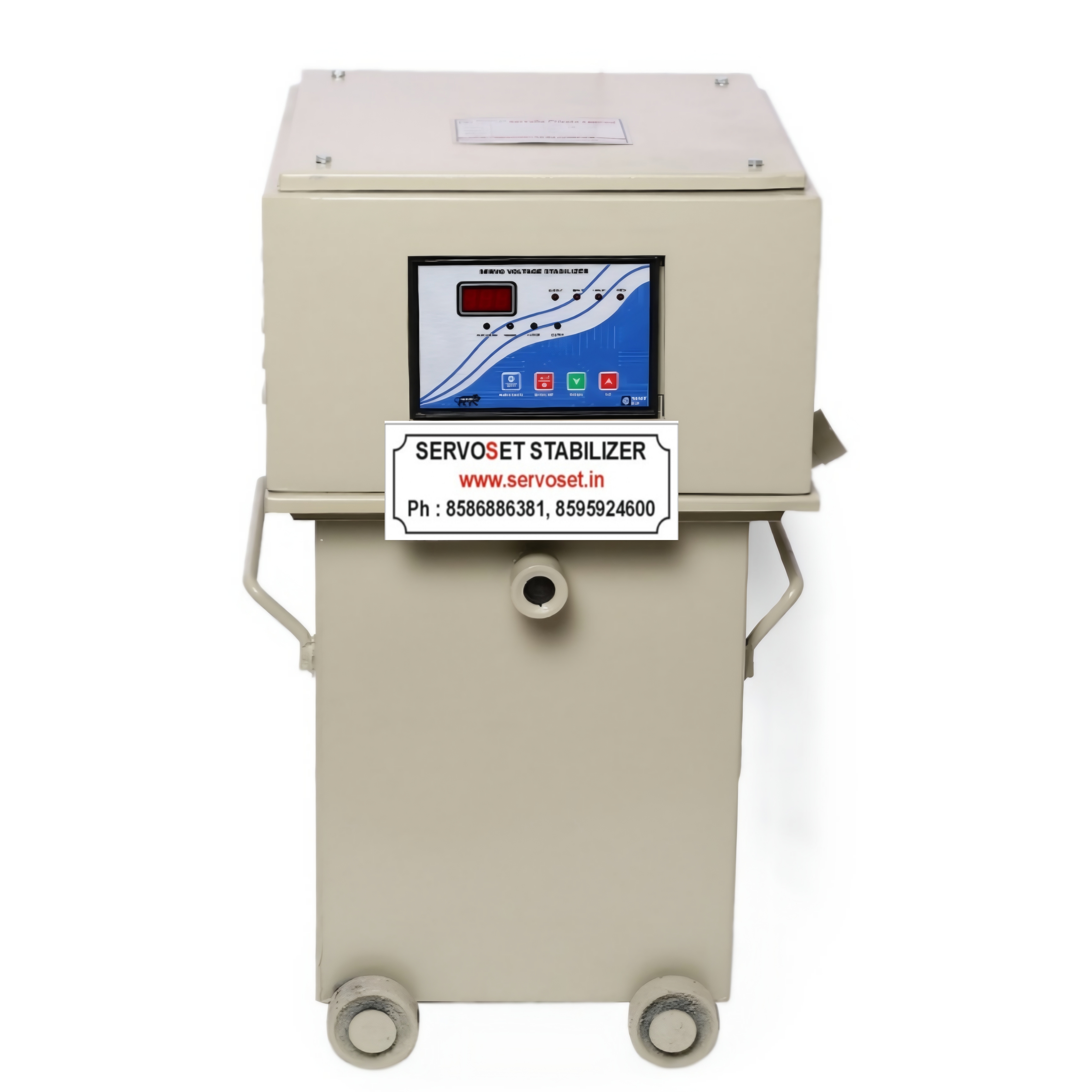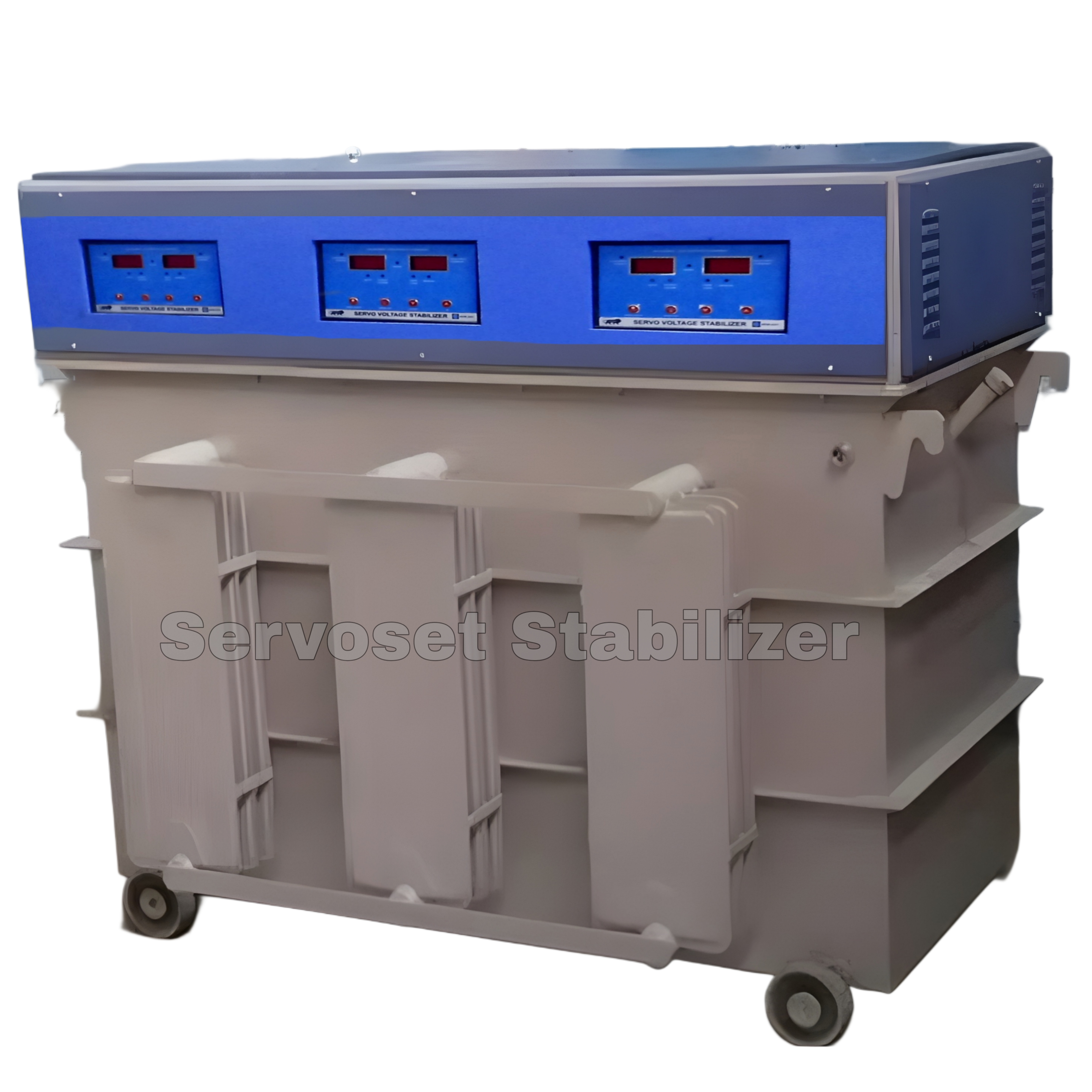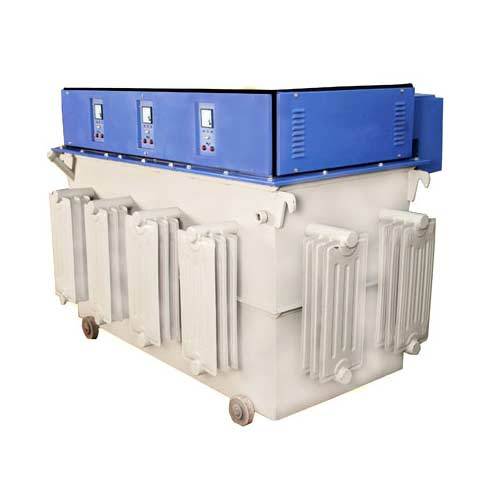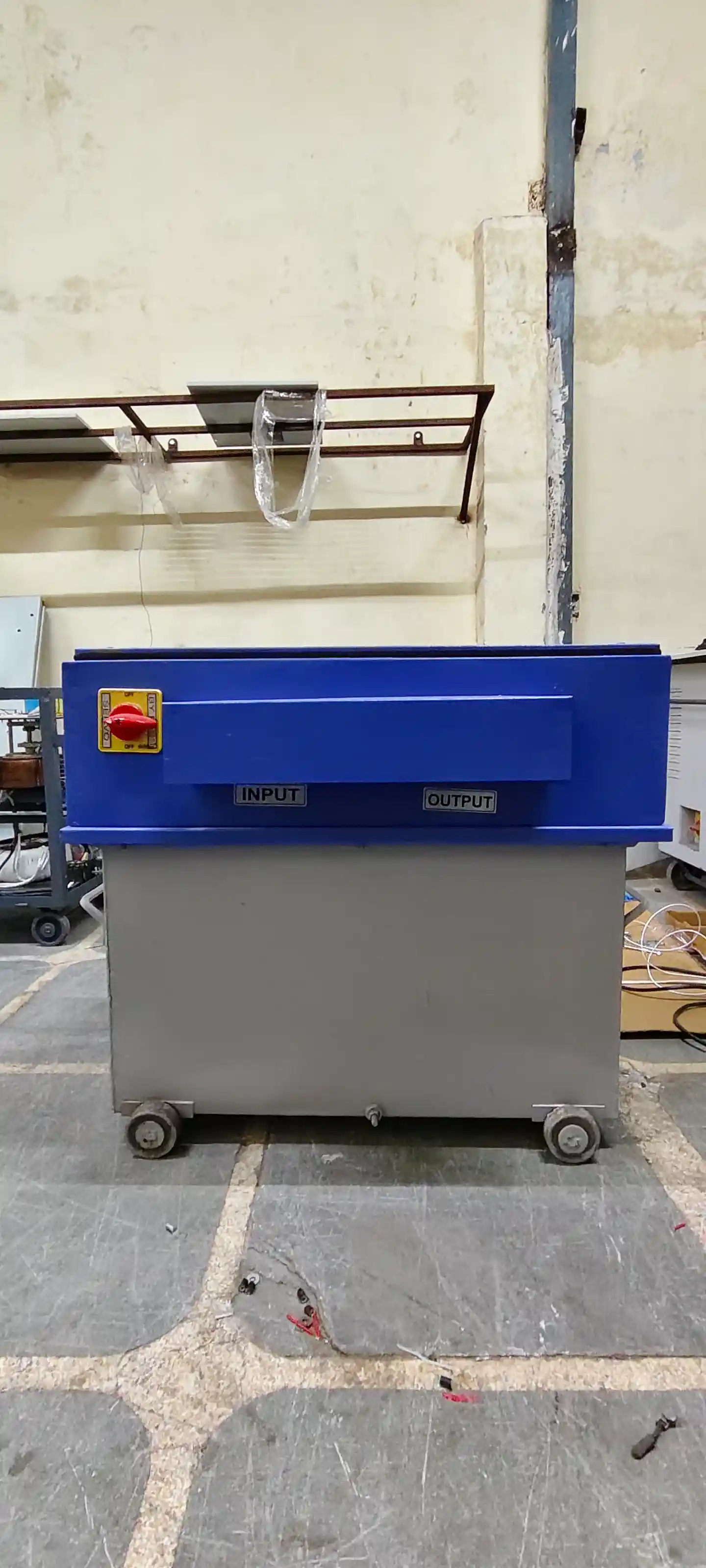
Introduction
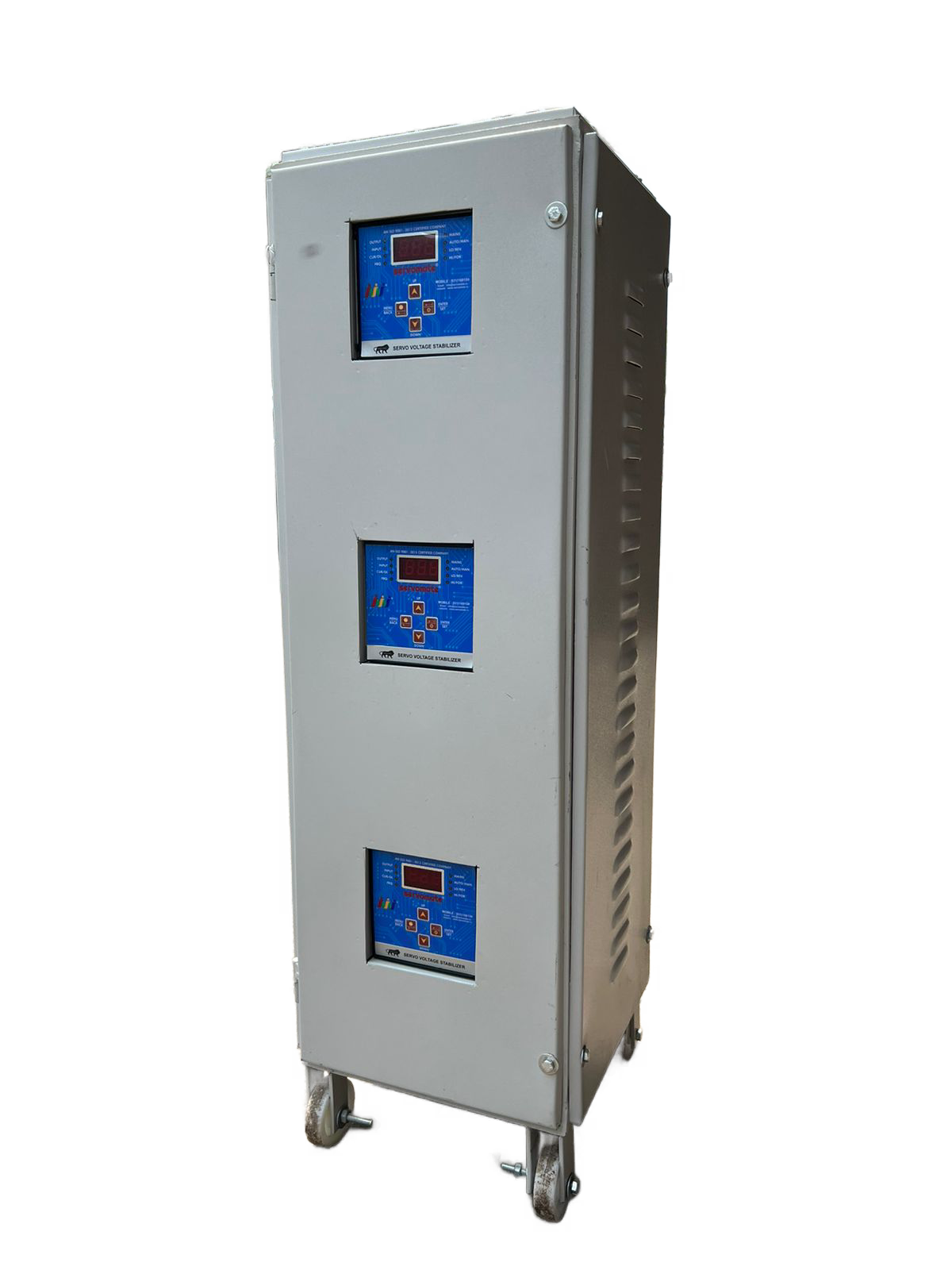
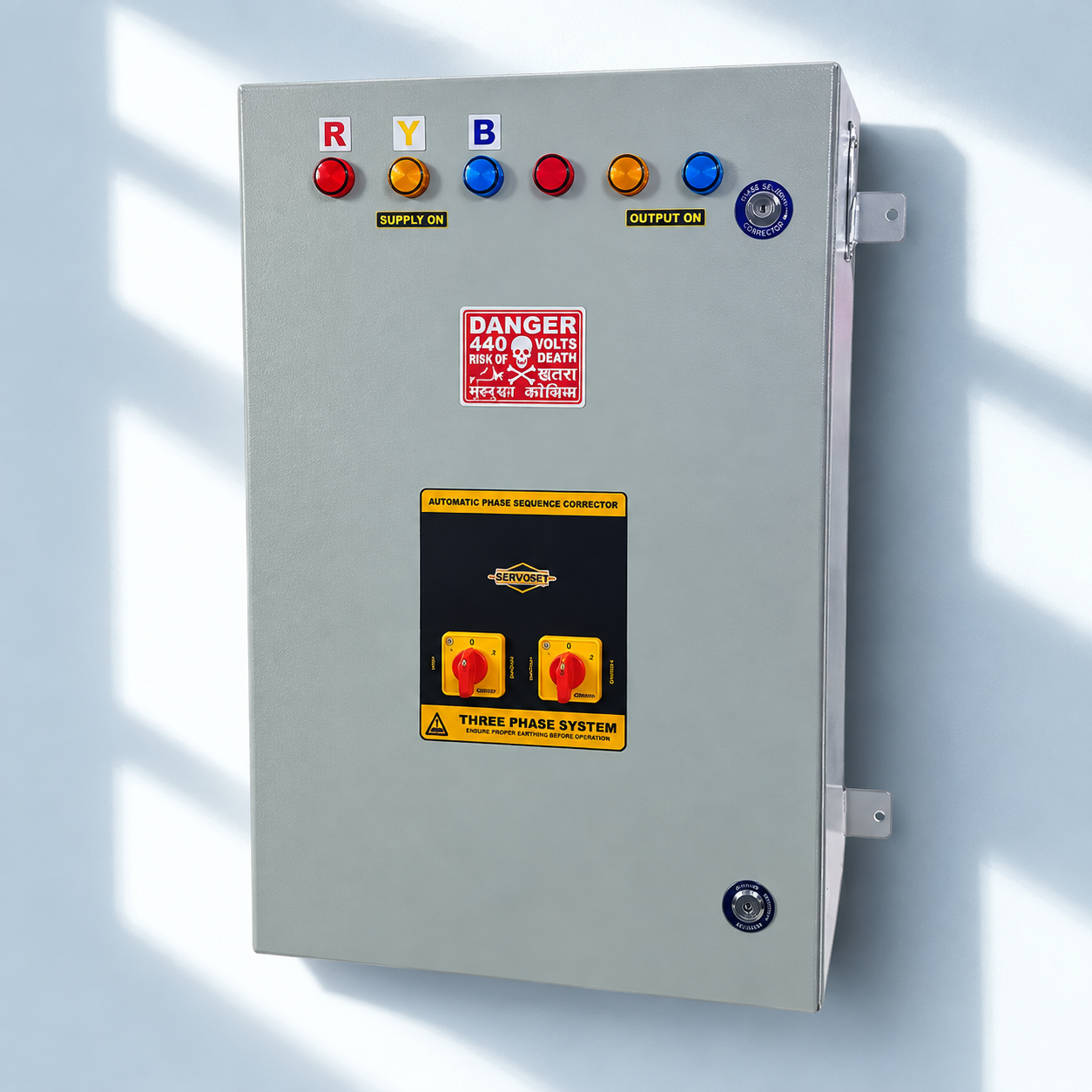
Reliable three-phase power is essential for modern industrial and commercial operations. Manufacturing plants, workshops, automation systems, commercial buildings, pumps, compressors, conveyors, and other electrical equipment often depend on a consistent phase sequence for proper operation. A 50A Automatic Phase Sequence Corrector is designed to help manage phase sequence automatically and maintain the required phase arrangement for connected equipment.
For businesses in Pune, where manufacturing, engineering, automobile, technology, logistics, and commercial activities are widespread, dependable electrical systems are important for day-to-day operations. The Servoset 50A Automatic Phase Sequence Corrector can be considered for applications where automatic phase sequence monitoring and correction are required.
Understanding Phase Sequence in Three-Phase Systems
A three-phase electrical supply consists of three alternating phases that follow a particular sequence. This order is known as the phase sequence. It plays an important role in determining the direction of rotation of three-phase motors.
When two phases are interchanged, the direction of rotation of a three-phase motor can change. This can be particularly important for equipment such as pumps, compressors, conveyors, fans, and machine tools that are designed to operate in a specific direction.
Maintaining the intended phase sequence can therefore be an important consideration when designing and operating industrial electrical systems.
What Is a 50A Automatic Phase Sequence Corrector?
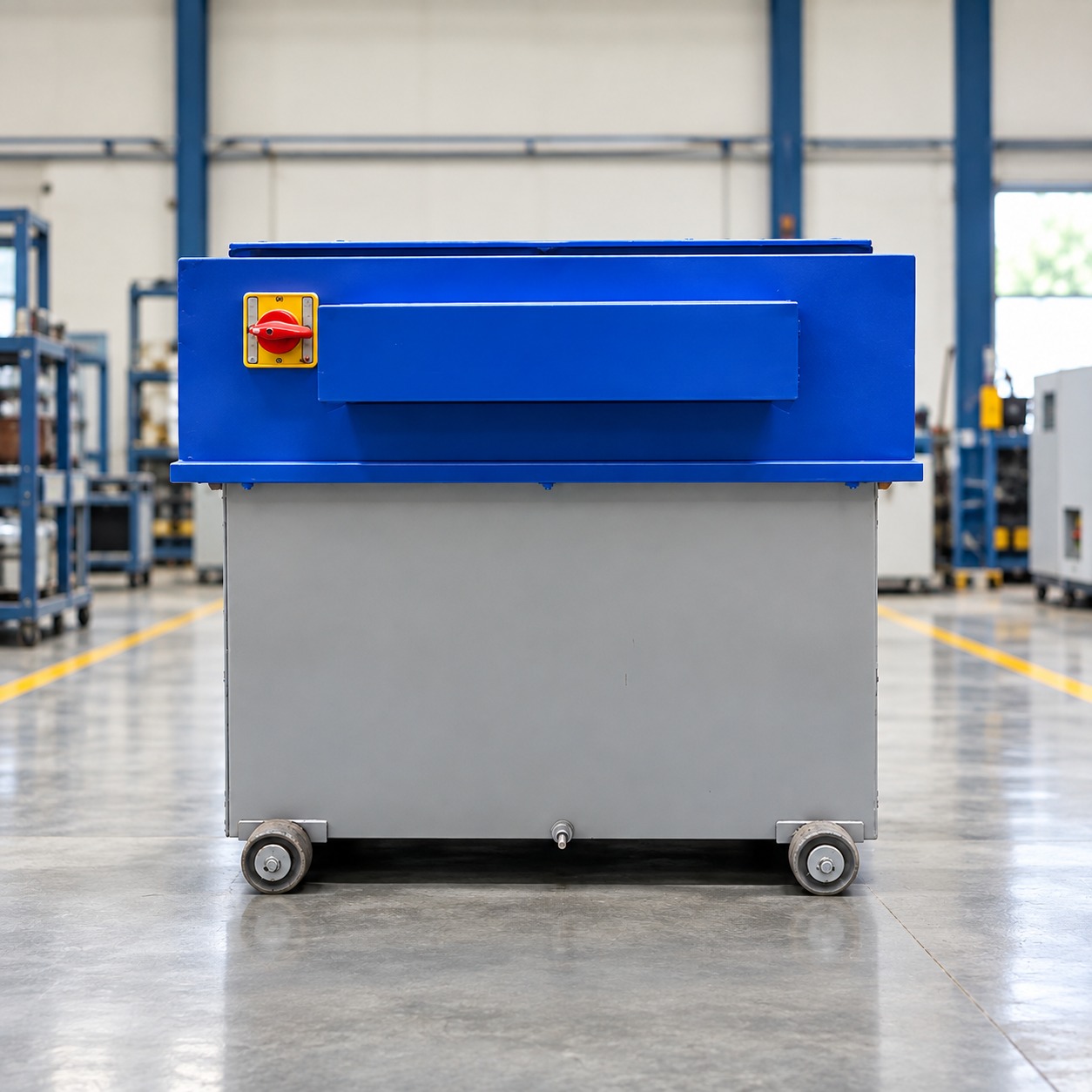
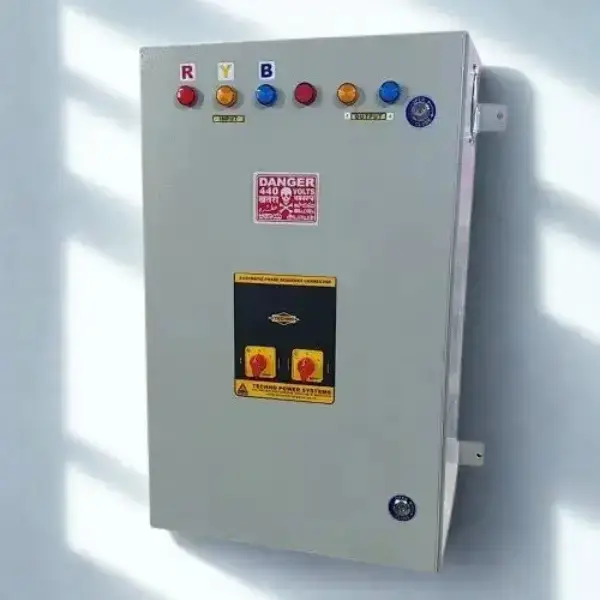
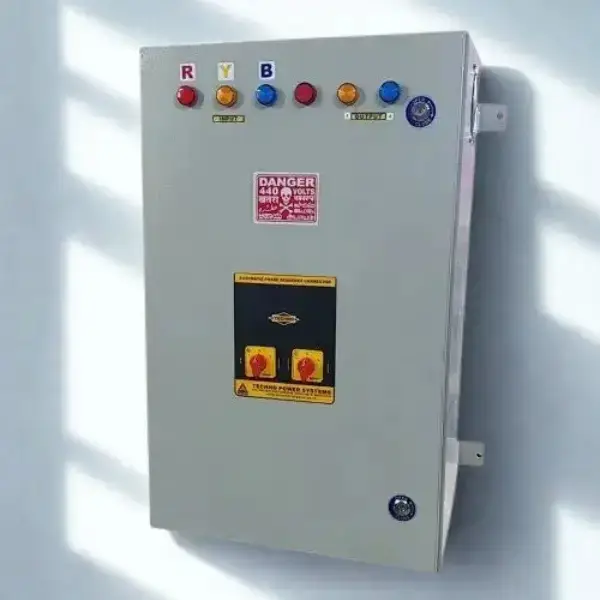
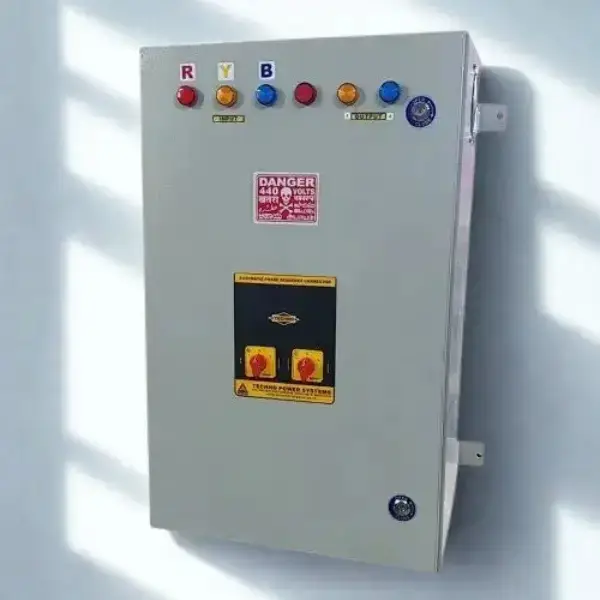
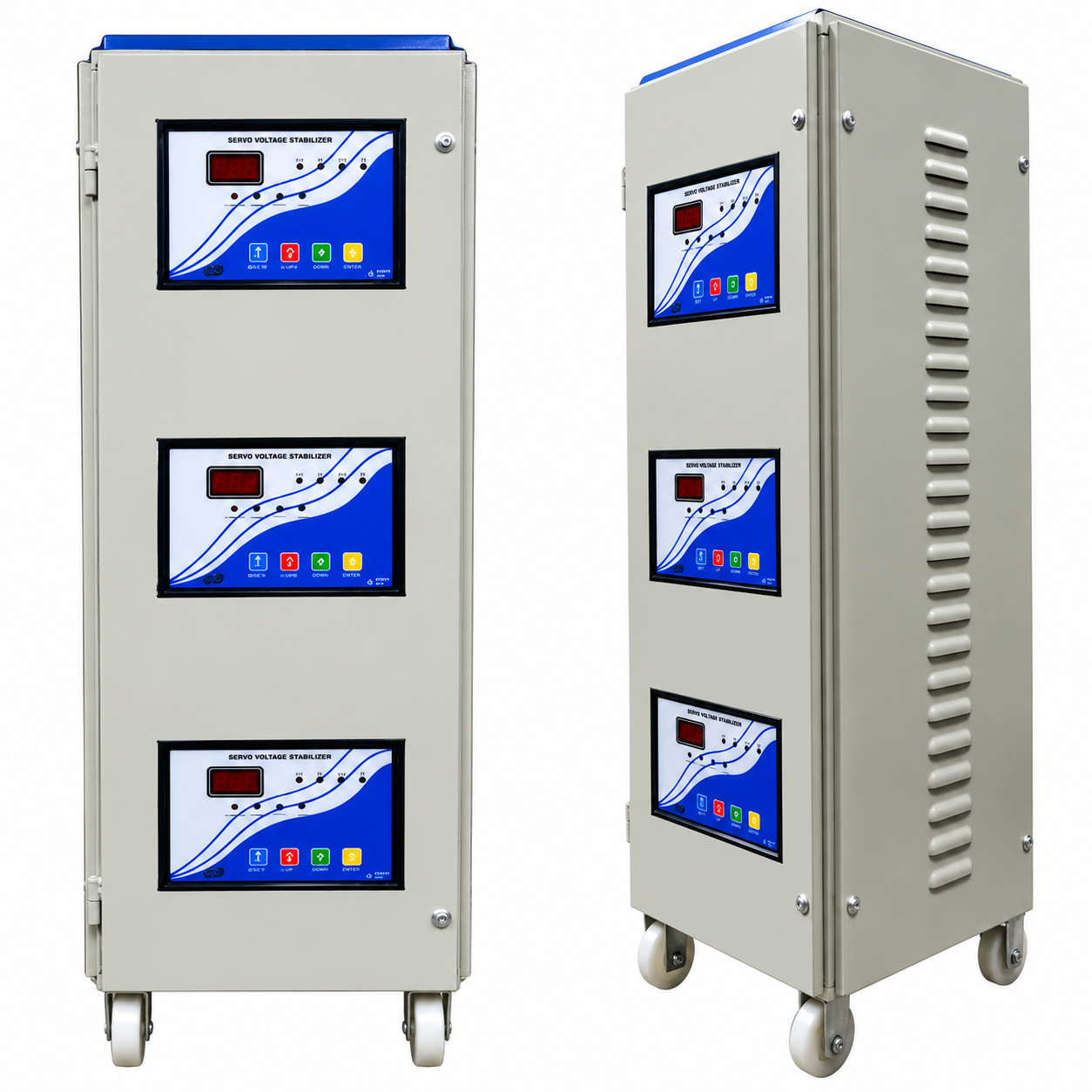
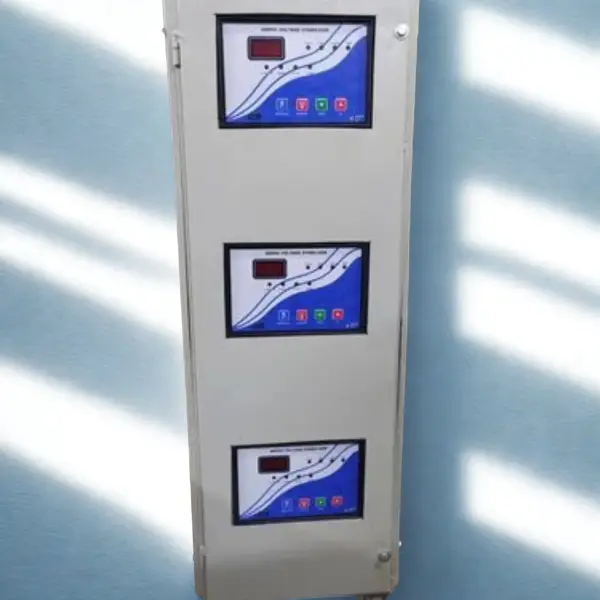
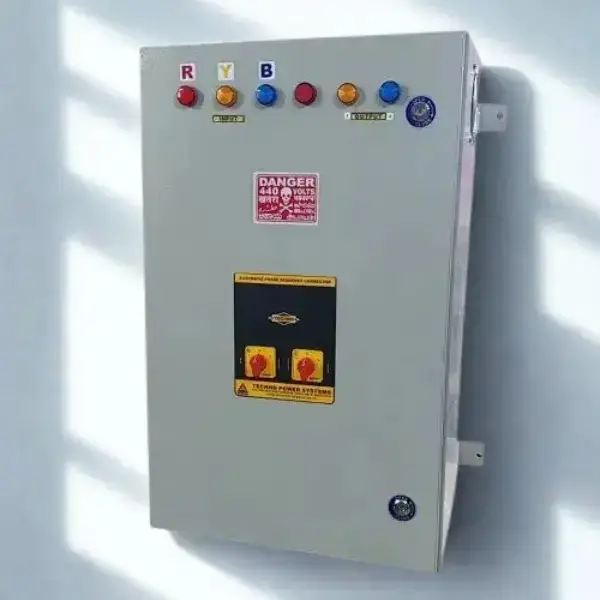
A 50A Automatic Phase Sequence Corrector is an electrical control device designed to monitor the order of phases in a three-phase power supply and automatically correct the arrangement when an incorrect sequence is detected.
The 50A designation indicates the rated current capacity of the particular model. However, current rating is only one factor when selecting the equipment. Voltage, frequency, load type, switching capacity, installation conditions, and manufacturer specifications should also be considered.
Instead of manually interchanging phases when the sequence changes, an automatic corrector can perform the required phase arrangement according to its operating design.
How Does Automatic Phase Sequence Correction Work?
The device continuously monitors the incoming three-phase supply and identifies the order of the phases. It then determines whether the incoming sequence matches the required arrangement.
If the phase sequence is correct, the system maintains the appropriate connection. If the sequence is incorrect, the internal switching mechanism can change the phase arrangement to provide the required sequence to the connected system.
This automatic operation can reduce manual intervention and can be useful in electrical systems where phase connections may change during maintenance, generator operation, supply modifications, or other electrical work.
Why Phase Sequence Matters for Industrial Equipment
Many industrial machines depend on three-phase motors and rotating equipment. The direction in which these motors rotate is directly related to the phase sequence of the incoming supply.
For example, a pump may be designed to rotate in a particular direction to perform correctly. If the phase sequence is reversed, the motor may rotate in the opposite direction. Similar considerations apply to conveyors, compressors, fans, and machine tools.
An automatic phase sequence correction system can help maintain the required phase order without relying entirely on manual phase interchange.
Applications of a 50A Automatic Phase Sequence Corrector
A 50A automatic phase sequence corrector can be considered for various industrial and commercial applications involving three-phase electrical equipment. Its suitability depends on the electrical requirements of the specific installation.
Common application areas can include:
- Industrial motor control systems
- Manufacturing machinery
- Industrial pumps
- Air compressors
- Conveyor systems
- HVAC equipment
- Machine tools
- Production lines
- Automation panels
- Commercial electrical systems
The final product selection should be based on the actual electrical load, system voltage, current requirements, and equipment specifications.
Phase Sequence Correction for Industries in Pune
Pune is an important industrial and commercial hub with a strong presence of automobile manufacturing, engineering, electronics, pharmaceuticals, logistics, IT infrastructure, and other industries. Many facilities in the region use three-phase electrical systems for machinery and building equipment.
Industrial areas such as Chakan, Bhosari, Pimpri-Chinchwad, Talegaon, Ranjangaon, and surrounding regions contain manufacturing and engineering facilities where reliable electrical control can be an important requirement.
For such applications, an automatic phase sequence correction solution can help simplify the management of three-phase electrical equipment where maintaining the correct phase order is necessary.
Benefits of Automatic Phase Sequence Correction
One of the main advantages of automatic phase sequence correction is reduced manual intervention. If the incoming phase sequence changes, technicians may otherwise need to identify the issue and manually interchange two phases.
An automatic system can handle the phase arrangement according to its design, making it useful for installations where phase sequence needs to remain consistent.
Automatic correction can also provide convenience during electrical maintenance, supply changes, or generator changeover arrangements where the phase order may differ from the normal utility supply.
It can be incorporated as part of a broader electrical control and protection system alongside suitable circuit breakers, contactors, overload protection, monitoring equipment, and other components.
Important Specifications to Check Before Selection
Selecting a phase sequence corrector requires consideration of several technical parameters. The current rating is important, but it should not be the only selection criterion.
The 50A rating should be considered alongside the operating voltage and frequency of the electrical system. The characteristics of the connected load are also important, particularly when the system contains motors or other inductive equipment.
Other specifications that may need to be evaluated include switching capacity, operating conditions, response characteristics, enclosure requirements, installation method, terminal configuration, and compatibility with the existing electrical control system.
Checking the manufacturer's technical datasheet before purchase can help ensure that the product is appropriate for the intended application.
Integration With Electrical Control Panels
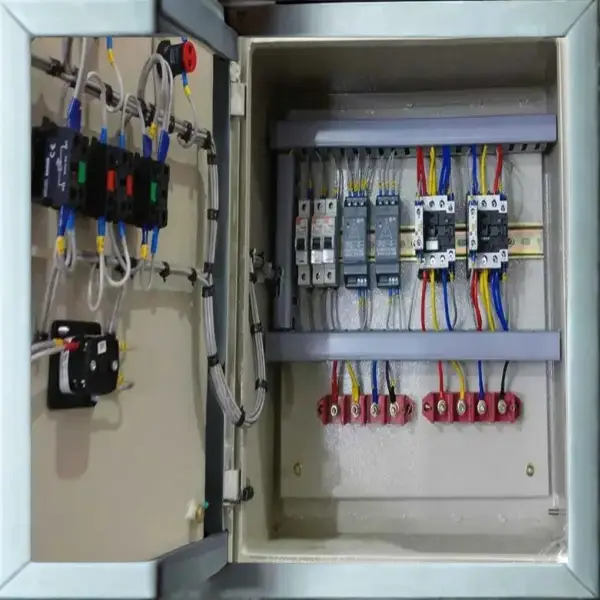
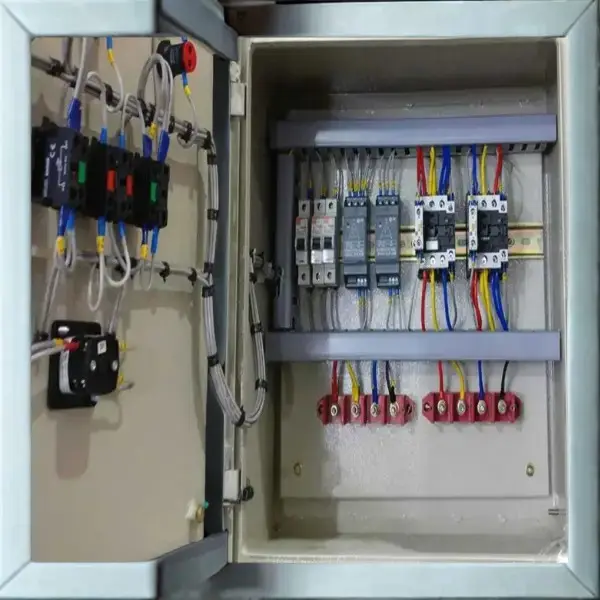
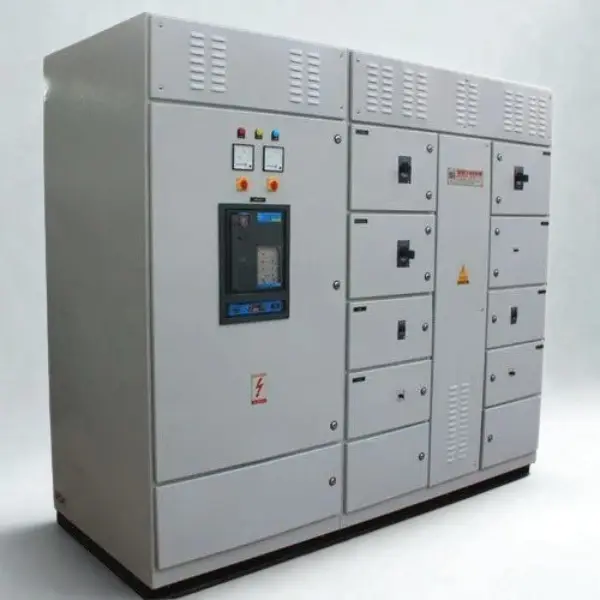
An automatic phase sequence corrector can be integrated into an electrical control panel depending on the application. Industrial panels commonly contain circuit breakers, contactors, overload relays, meters, controllers, monitoring devices, and other electrical components.
The phase sequence corrector should be installed according to the manufacturer's wiring diagram and technical instructions. Proper coordination with upstream and downstream protection is important for maintaining a reliable electrical system.
The control panel should also provide suitable space for installation, proper cable management, appropriate ventilation where required, and convenient access for inspection and maintenance.
Supporting Motor-Driven Equipment
Three-phase motors are widely used in manufacturing and industrial environments. They power equipment such as pumps, compressors, conveyors, fans, machine tools, and production machinery.
Because motor rotation depends on phase sequence, an incorrect phase arrangement can cause the motor to rotate in the opposite direction. In applications where direction is important, maintaining the required sequence can help support the intended operation of the equipment.
A phase sequence corrector can therefore form part of the electrical arrangement for suitable motor-driven applications. Appropriate motor protection and control equipment should still be used according to the specific installation.
Installation Considerations for a 50A Corrector
Installation of a 50A automatic phase sequence corrector should be performed by a qualified electrical professional. The incoming supply, voltage, phase arrangement, current requirements, and connected load should be checked before installation.
Wiring should follow the manufacturer's recommended connection diagram. Suitable conductors, terminals, protective devices, earthing arrangements, and isolation provisions should be used according to the electrical design.
After installation, the system should be tested to verify that the required phase sequence is being provided under the intended operating conditions.
Maintenance and Periodic Inspection
Regular inspection can help maintain the reliability of electrical equipment. Maintenance requirements depend on the product design and the environment in which the phase sequence corrector is installed.
Technicians can inspect terminals and connections for signs of loosening, overheating, or damage. The enclosure can also be checked for dust, moisture, physical damage, and other conditions that could affect performance.
Industrial environments with dust, vibration, heat, or humidity may require maintenance practices appropriate to the specific operating conditions.
Why Consider Servoset for Phase Sequence Solutions?
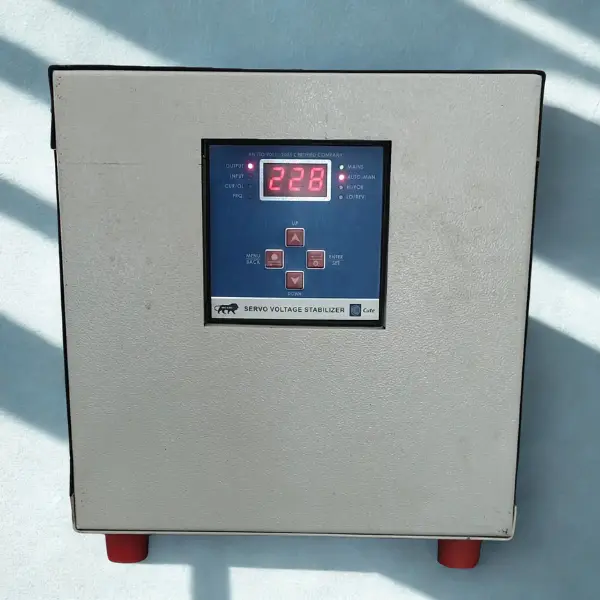
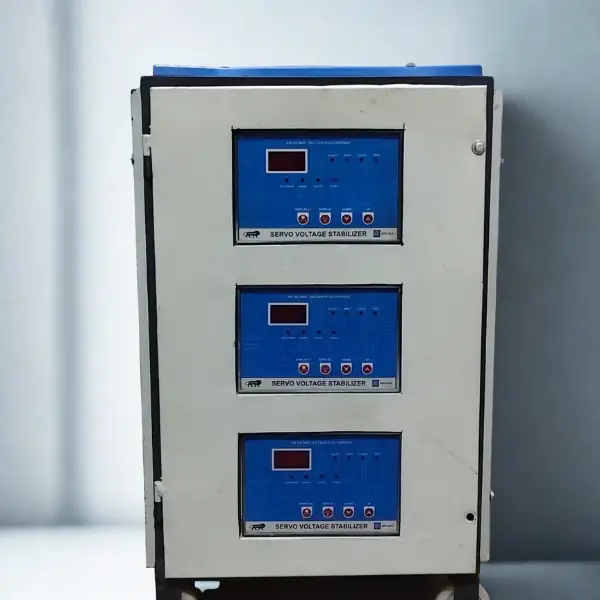
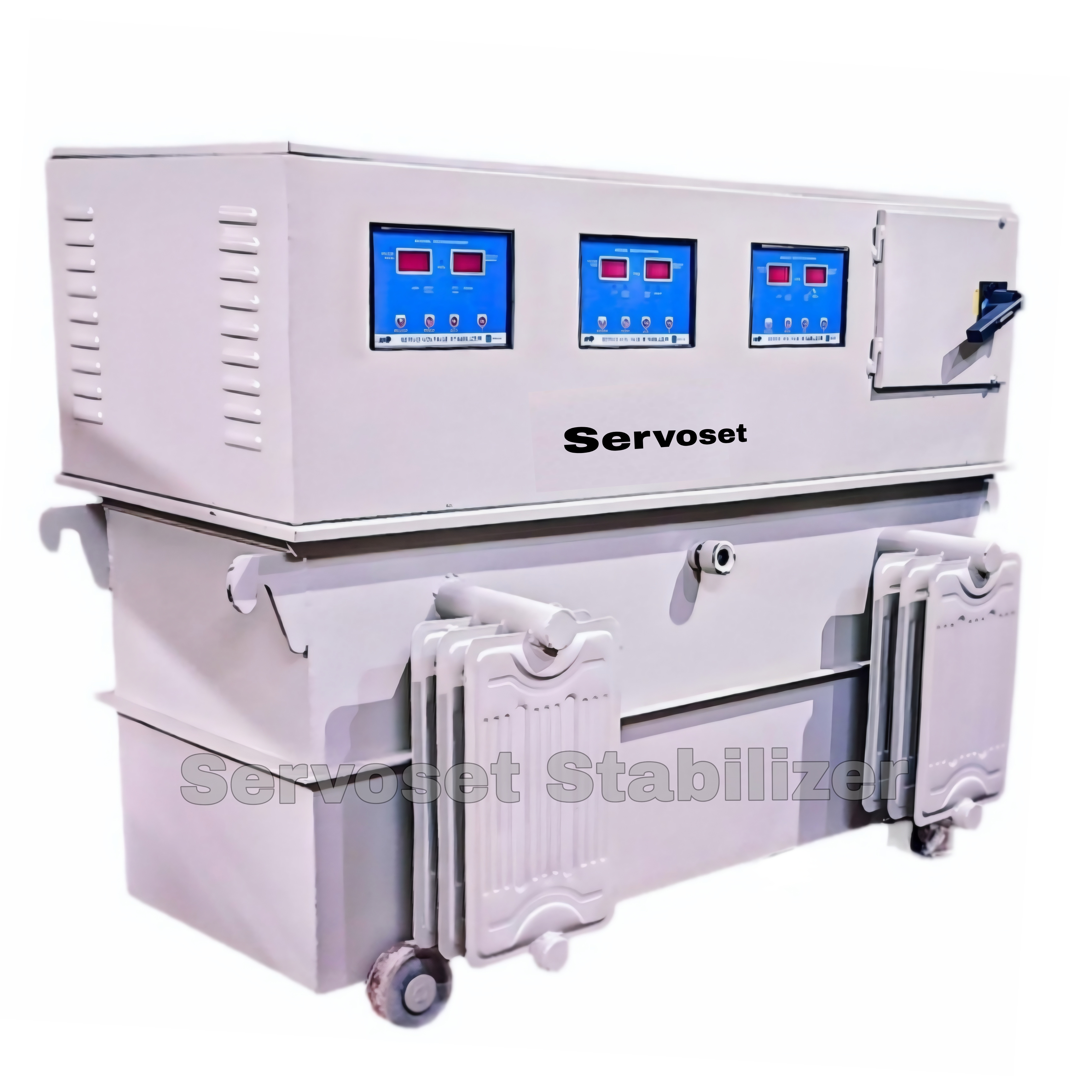
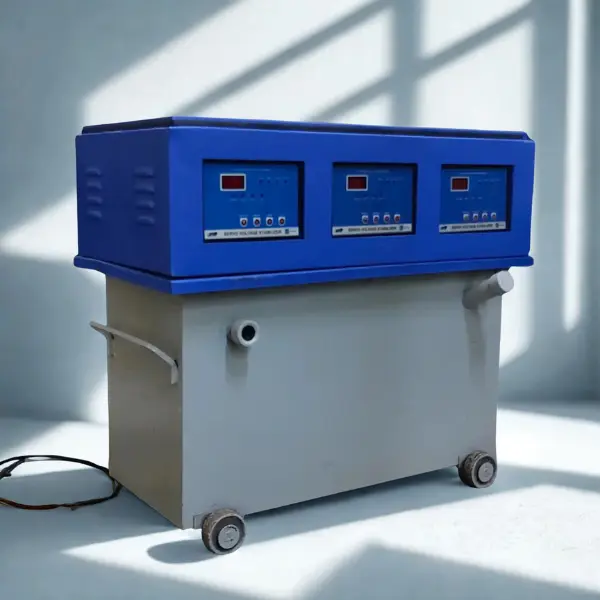
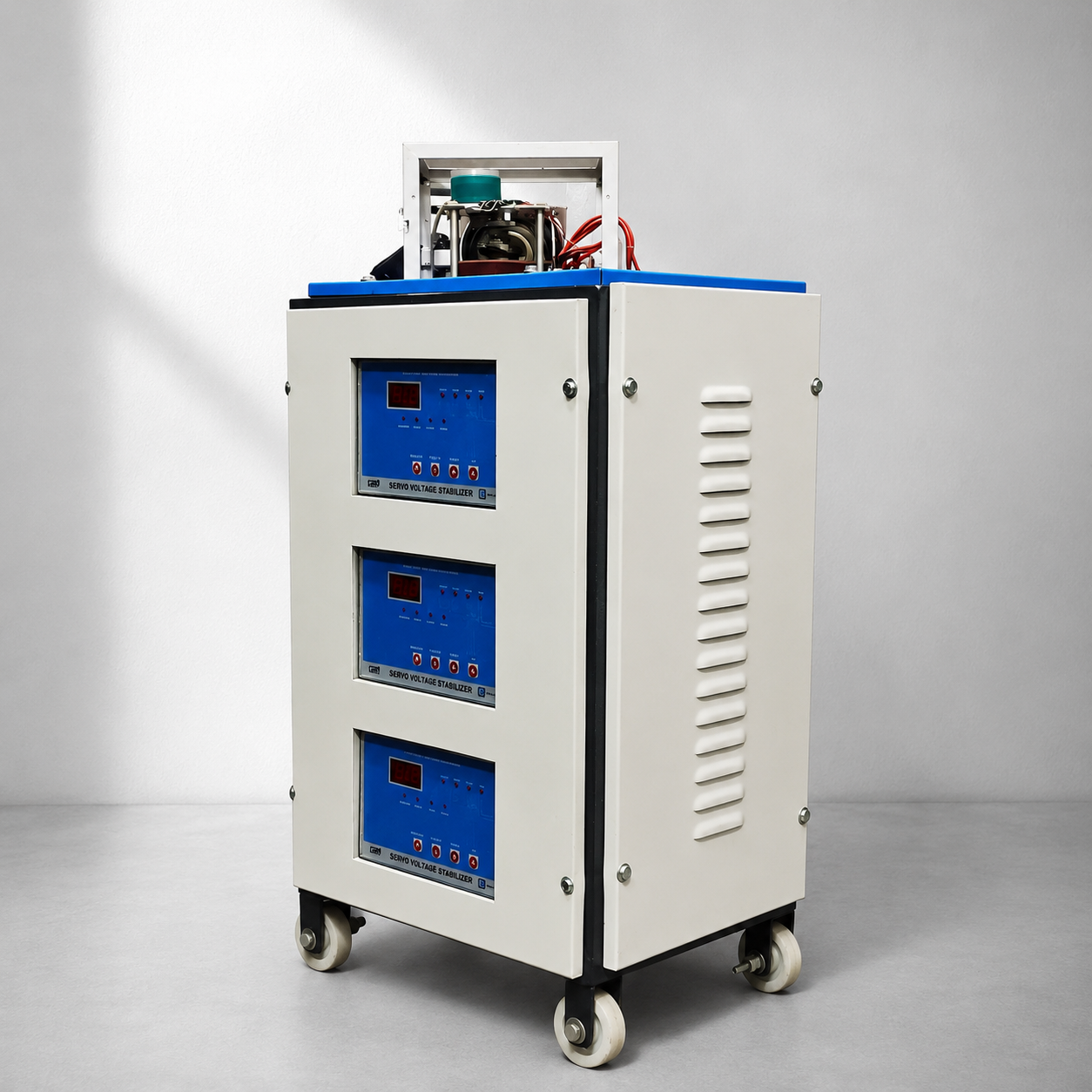
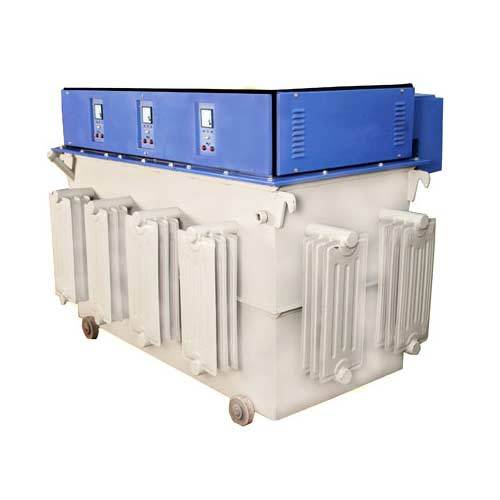
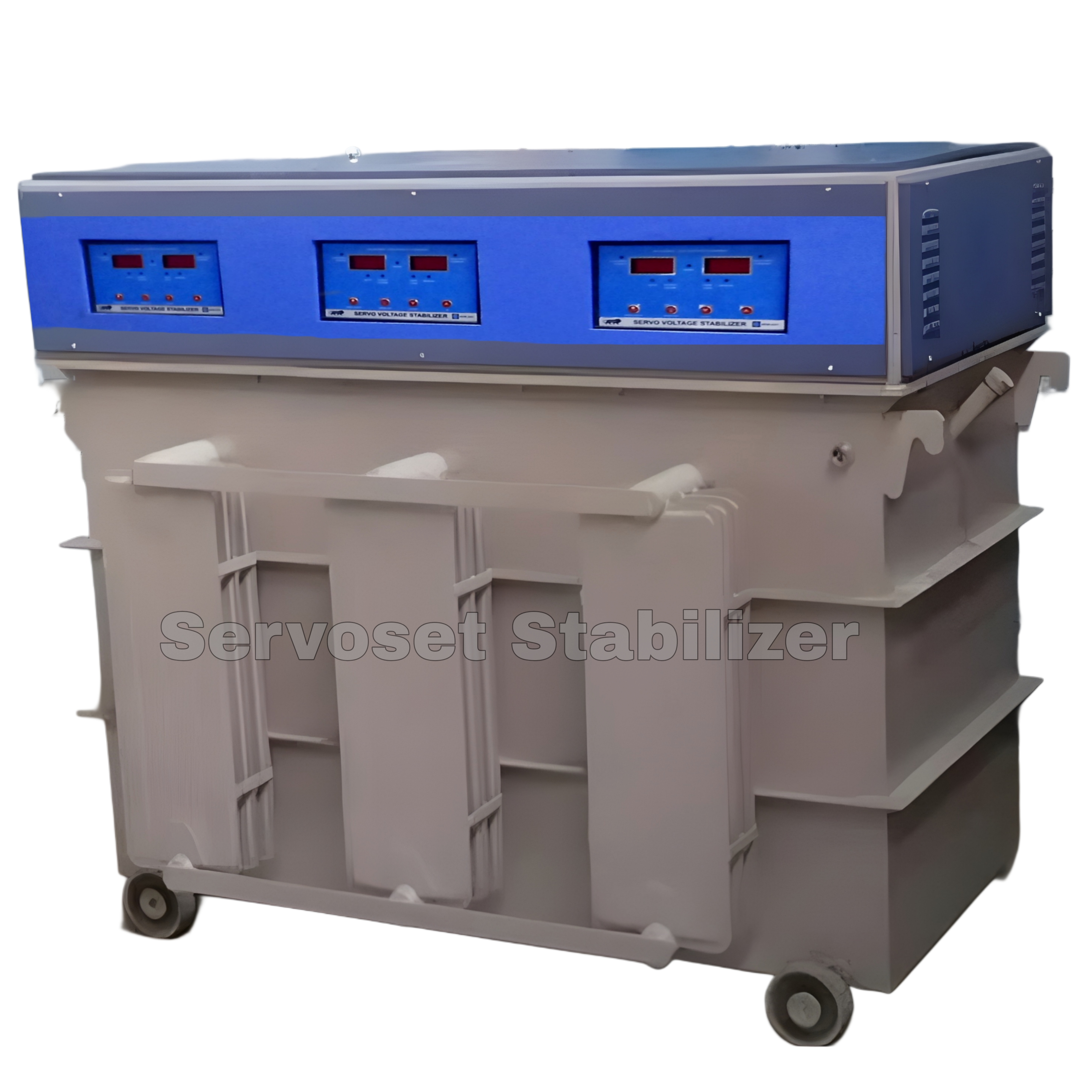
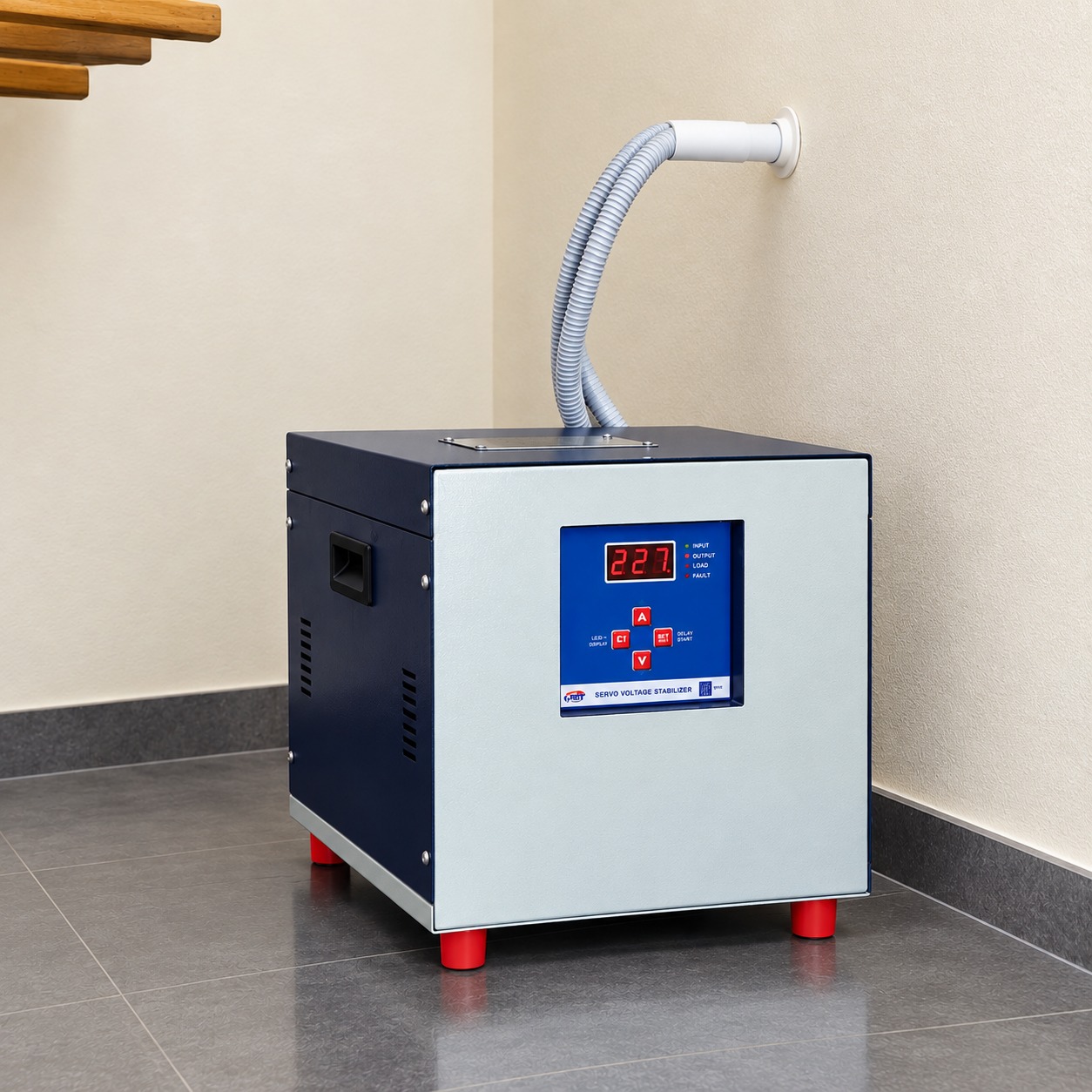
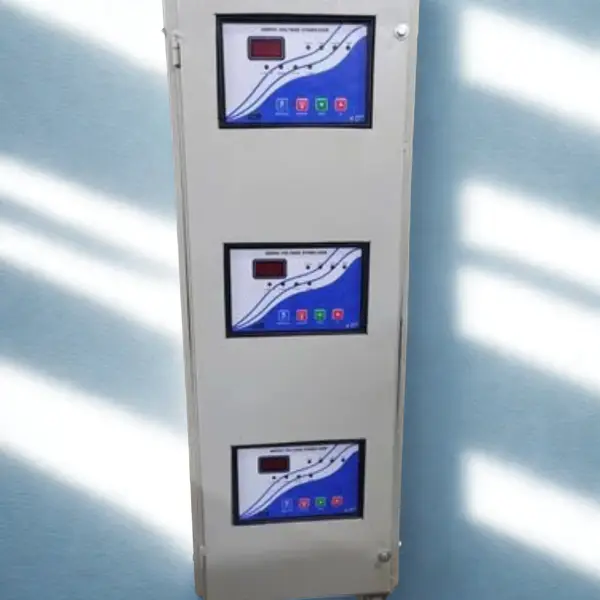
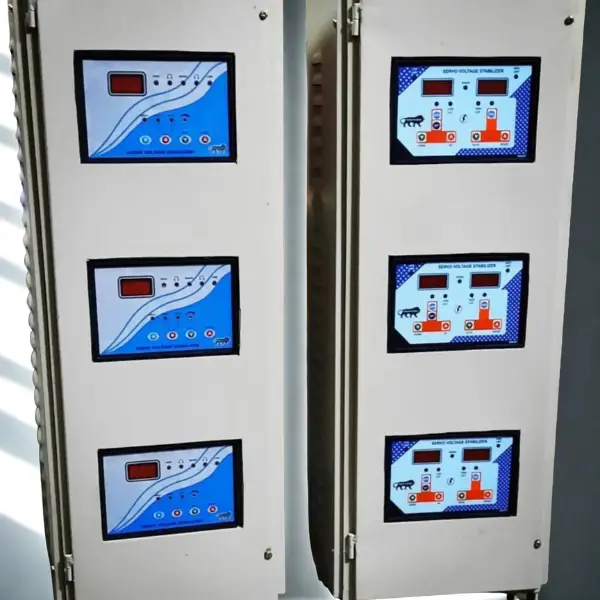
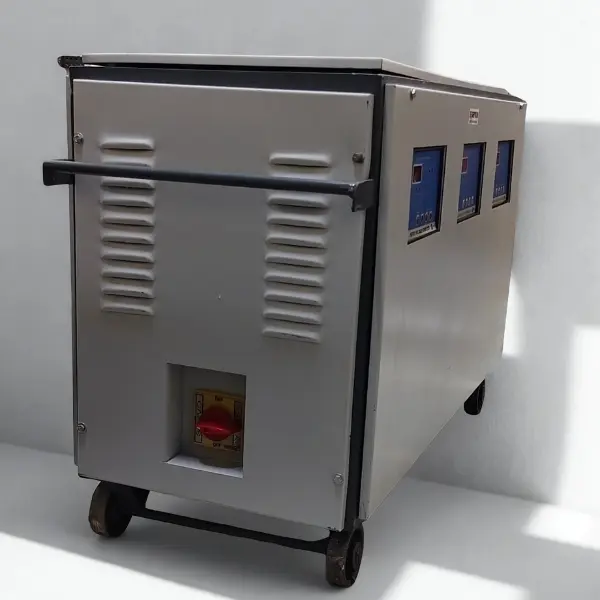
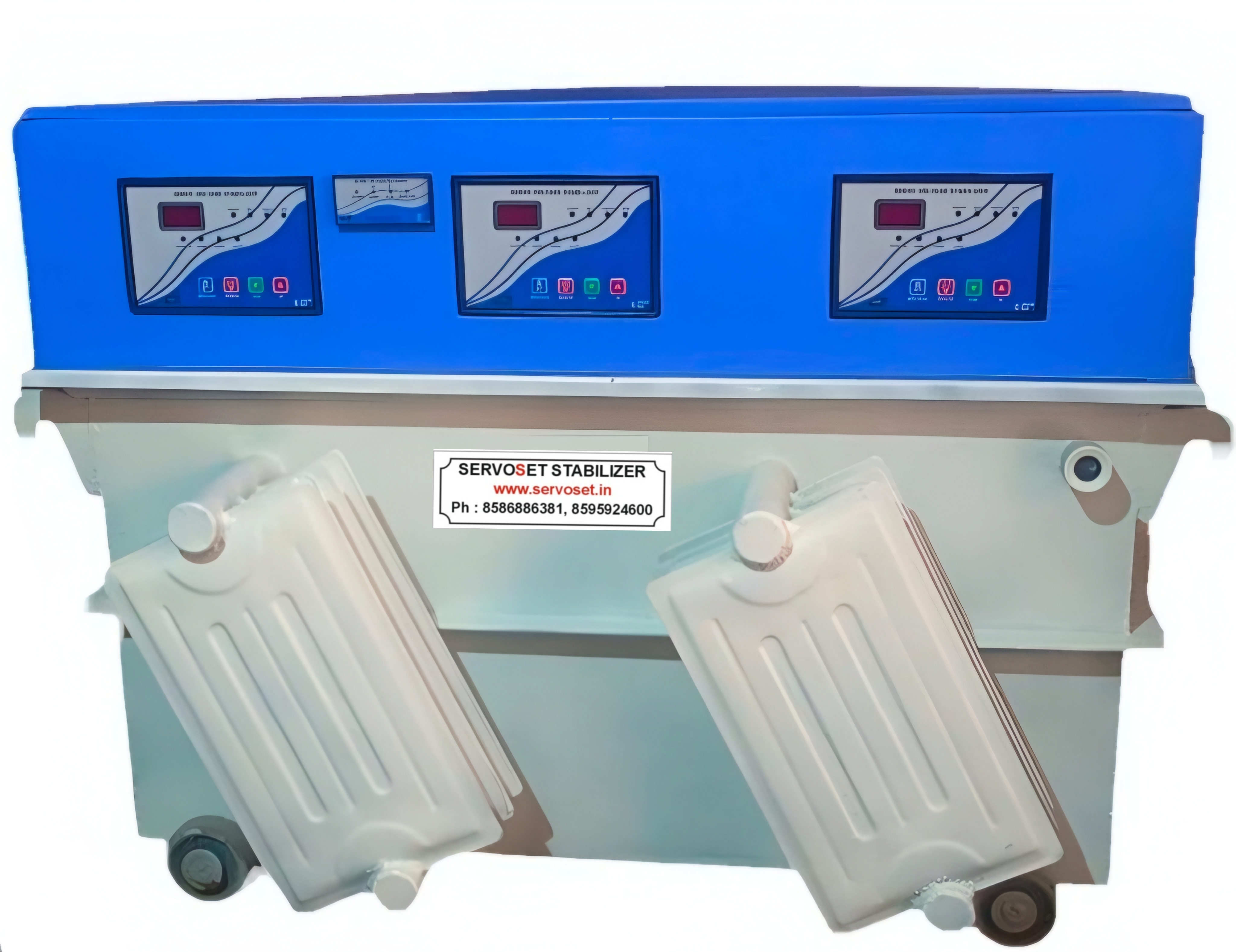
Servoset provides electrical products and solutions for applications involving power management, voltage regulation, and electrical control. The 50A Automatic Phase Sequence Corrector from Servoset can be considered for installations that require automatic phase sequence management.
For customers in Pune, product selection should be based on the specific requirements of the electrical installation. Current capacity, voltage, load characteristics, operating conditions, and connected equipment should all be evaluated before choosing the appropriate solution.
Choosing the Right Phase Sequence Solution
Every electrical installation has different requirements. A 50A phase sequence corrector may be suitable for one application but not necessarily for another. The connected load, motor characteristics, control architecture, operating environment, and protection system should therefore be evaluated before selection.
For installations containing multiple motors or complex automation systems, additional monitoring and protection components may also be required. A phase sequence corrector should be considered as one component of the complete electrical system and not as a replacement for circuit protection.
Safety Considerations for Three-Phase Systems
Three-phase electrical systems can involve high voltages and currents and should always be handled carefully. Installation, testing, troubleshooting, and maintenance should be performed by qualified personnel.
Appropriate electrical isolation procedures should be followed before working on the system. Suitable protective equipment, testing instruments, earthing arrangements, and protective devices should also be used according to the installation requirements.
A phase sequence corrector manages phase order but does not replace the need for appropriate short-circuit protection, overload protection, earthing, and other electrical safety measures.
FAQs About 50A Automatic Phase Sequence Corrector
What is a 50A Automatic Phase Sequence Corrector?
It automatically monitors and corrects the phase sequence of a three-phase power supply.
Why is phase sequence important?
It determines the rotational direction of three-phase motors.
What does the 50A rating mean?
It indicates the device's rated current capacity under specified conditions.
Where can it be used?
It can be used in suitable industrial and commercial three-phase applications.
Can it be used with industrial motors?
Yes, it can support suitable motor applications where phase sequence is important.
Is professional installation required?
Yes, installation should be performed by a qualified electrical professional.
Can every 50A load use a 50A corrector?
No. Voltage, load type, switching capacity, and other specifications must match.
Is it useful for industries in Pune?
Yes, it can be considered for suitable three-phase industrial applications in Pune.
How often should it be maintained?
Maintenance should follow the manufacturer's recommendations and site conditions.
Conclusion
A 50A Automatic Phase Sequence Corrector provides an automated method for managing phase order in three-phase electrical systems. By monitoring the incoming supply and correcting the phase arrangement when required, it can support applications where maintaining the intended phase sequence is important.
For manufacturing plants, engineering facilities, automation systems, warehouses, commercial buildings, and other three-phase applications in Pune, appropriate phase sequence management can be an important part of electrical system planning. The correct solution should be selected after evaluating current requirements, voltage, load characteristics, motor specifications, installation conditions, and the overall electrical design.
Servoset offers solutions for electrical and power-management applications, including phase sequence correction. Before installing a 50A Automatic Phase Sequence Corrector, users should review the manufacturer's specifications and consult a qualified electrical professional to ensure that the selected equipment is appropriate for the intended application.