Introduction
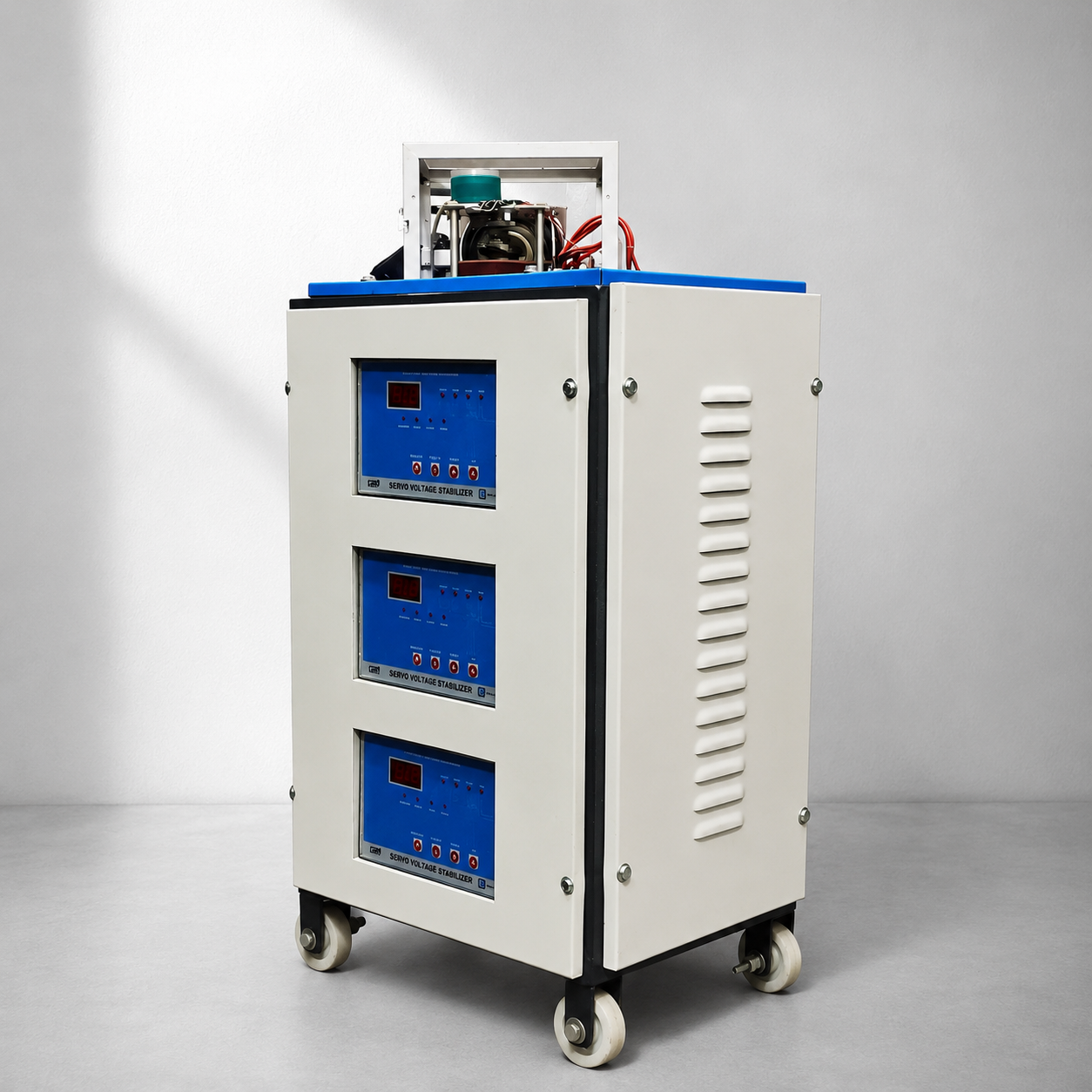
Reliable voltage regulation is essential for protecting electrical and industrial equipment from voltage fluctuations. An oil cooled servo voltage stabilizer provides automatic voltage correction and is designed for applications where stable power supply and continuous operation are important.
What Is an Oil Cooled Servo Voltage Stabilizer?
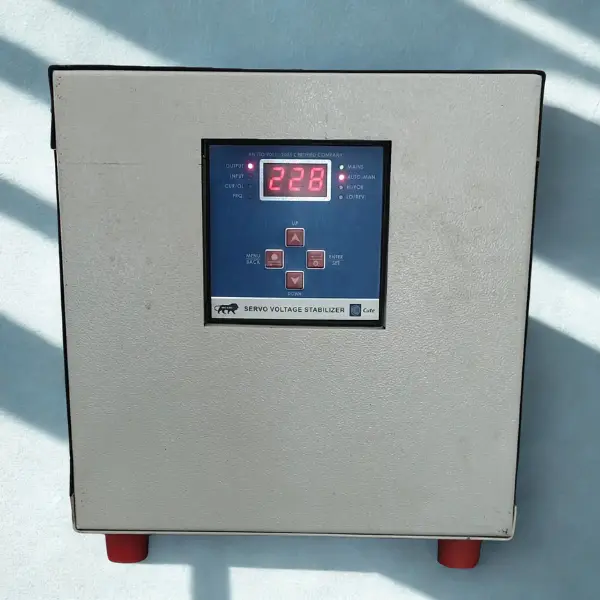
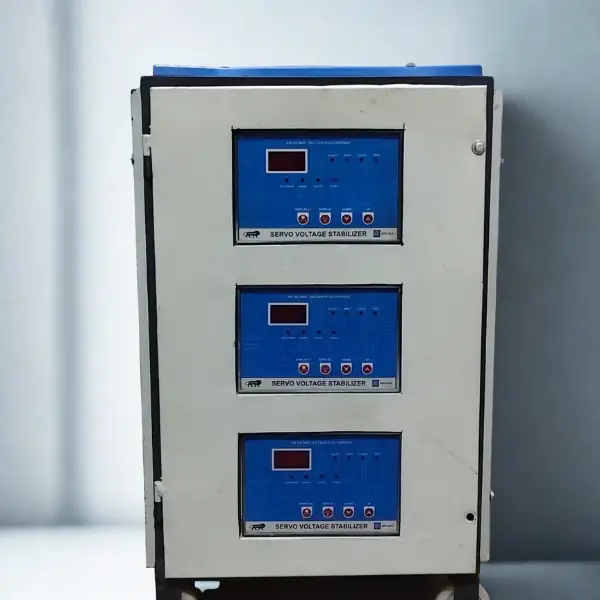
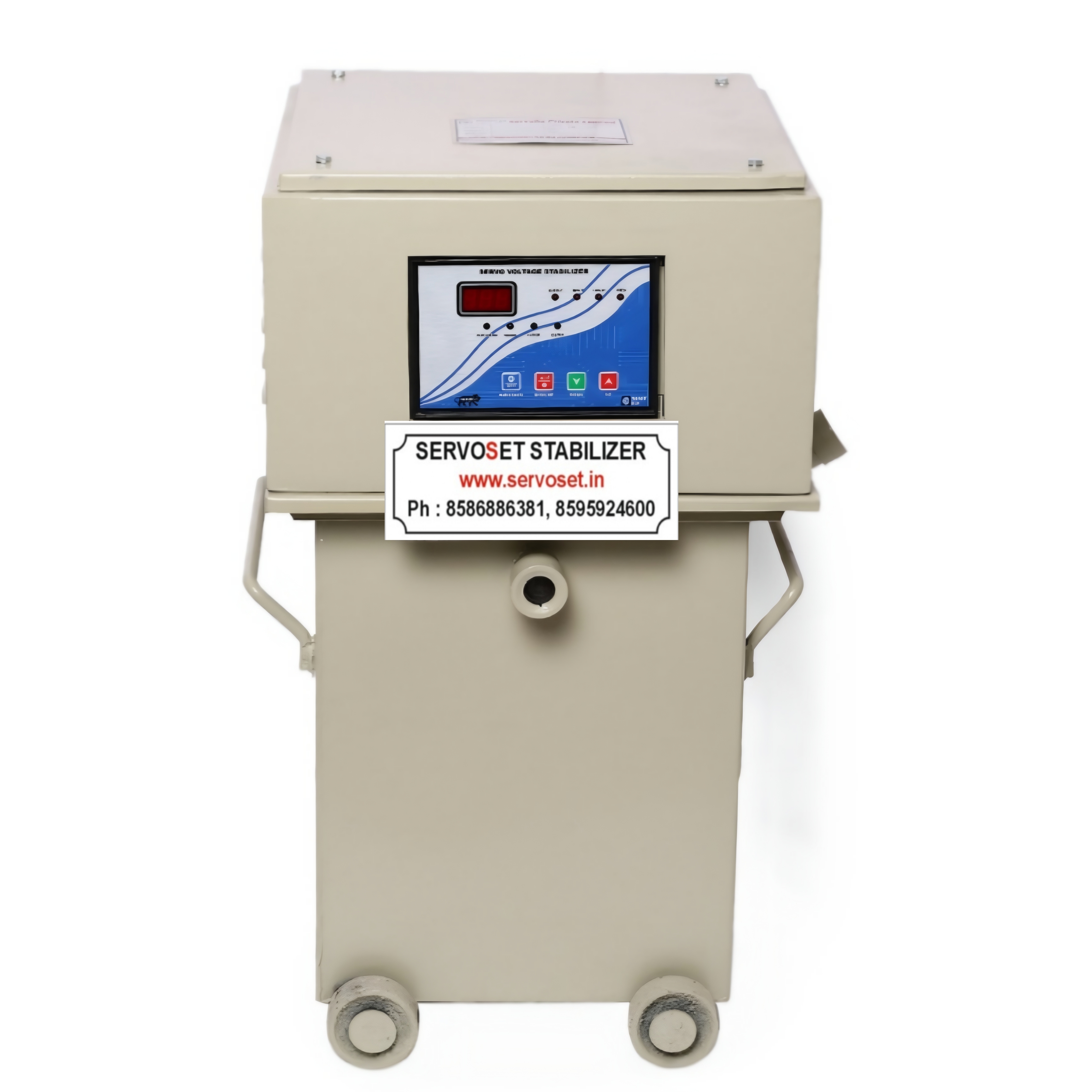
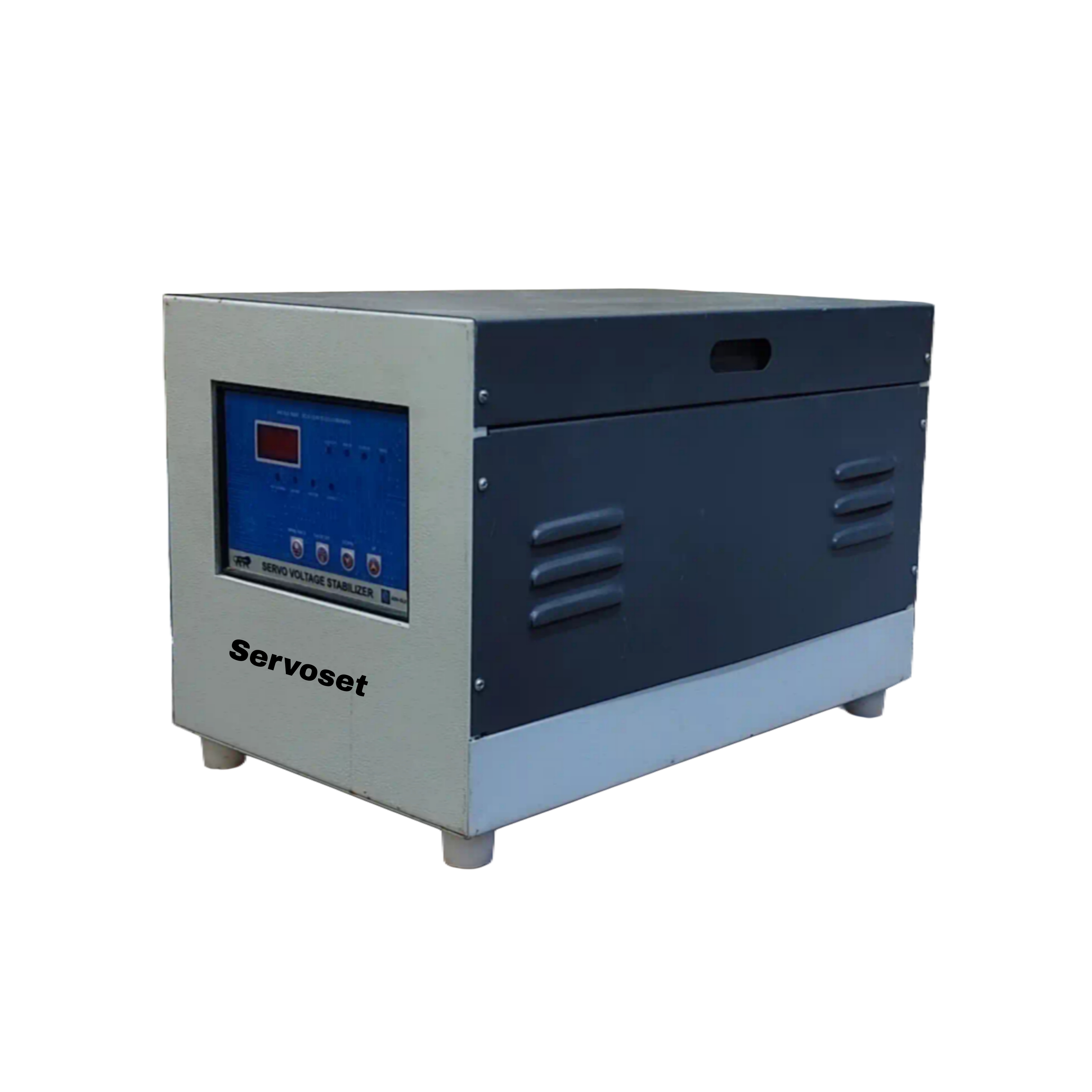
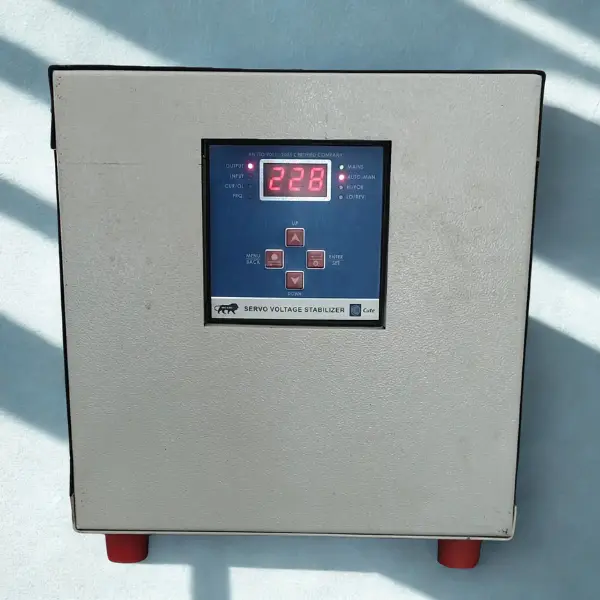
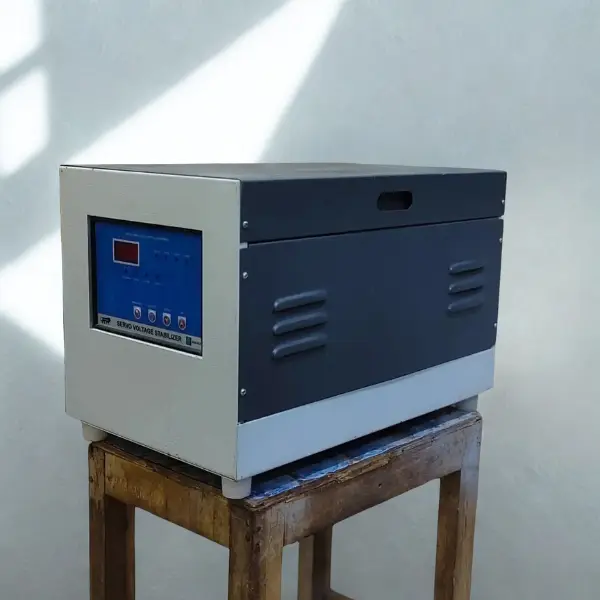
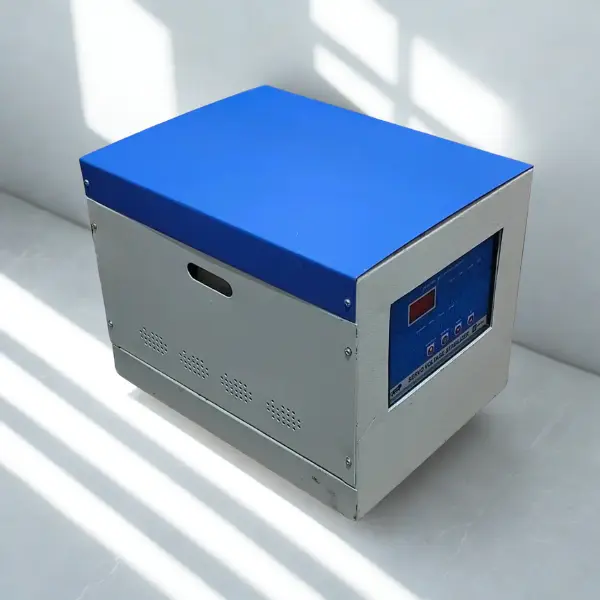
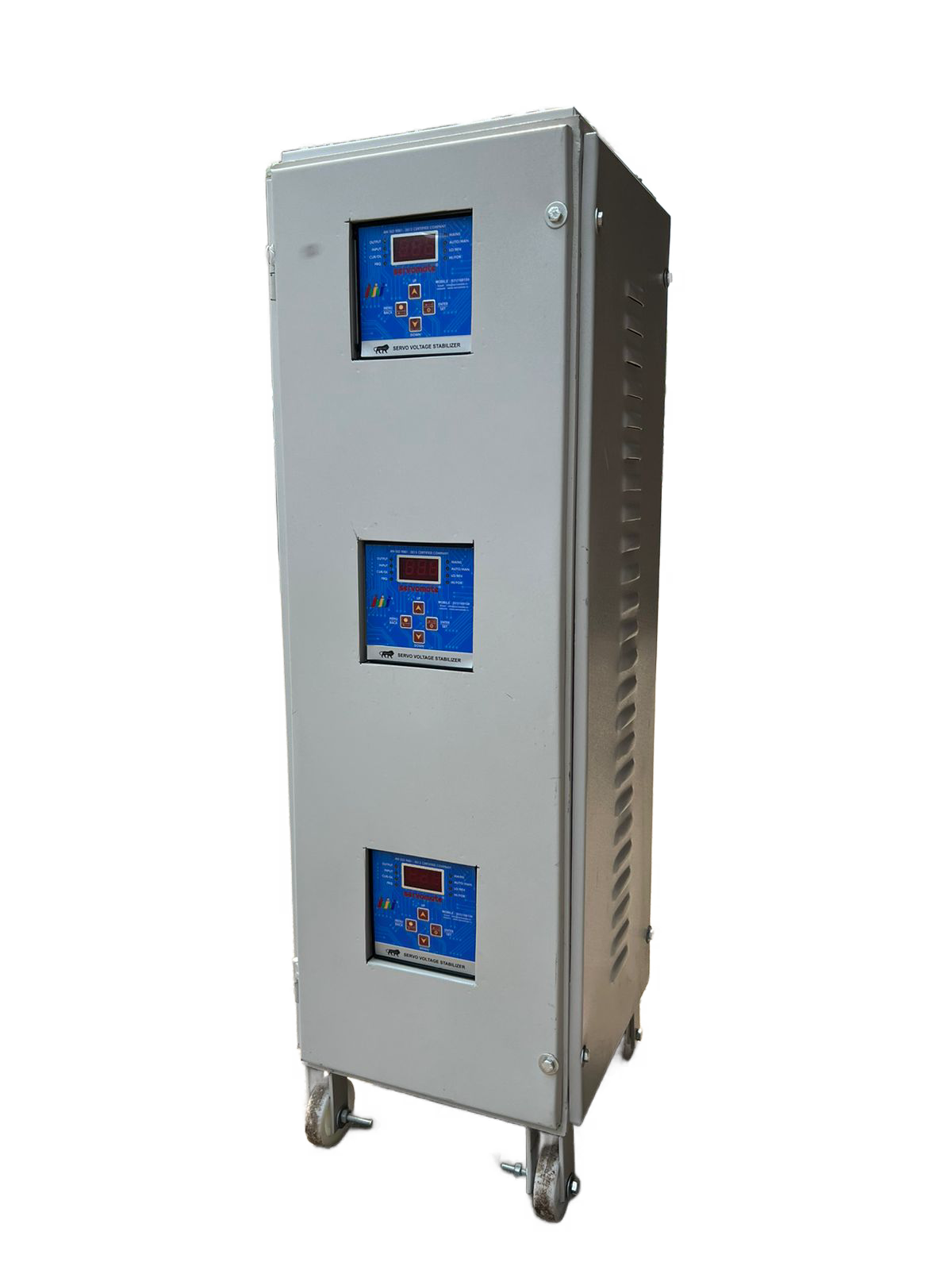
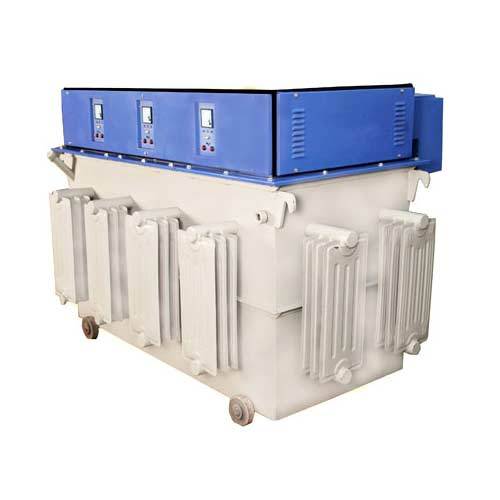
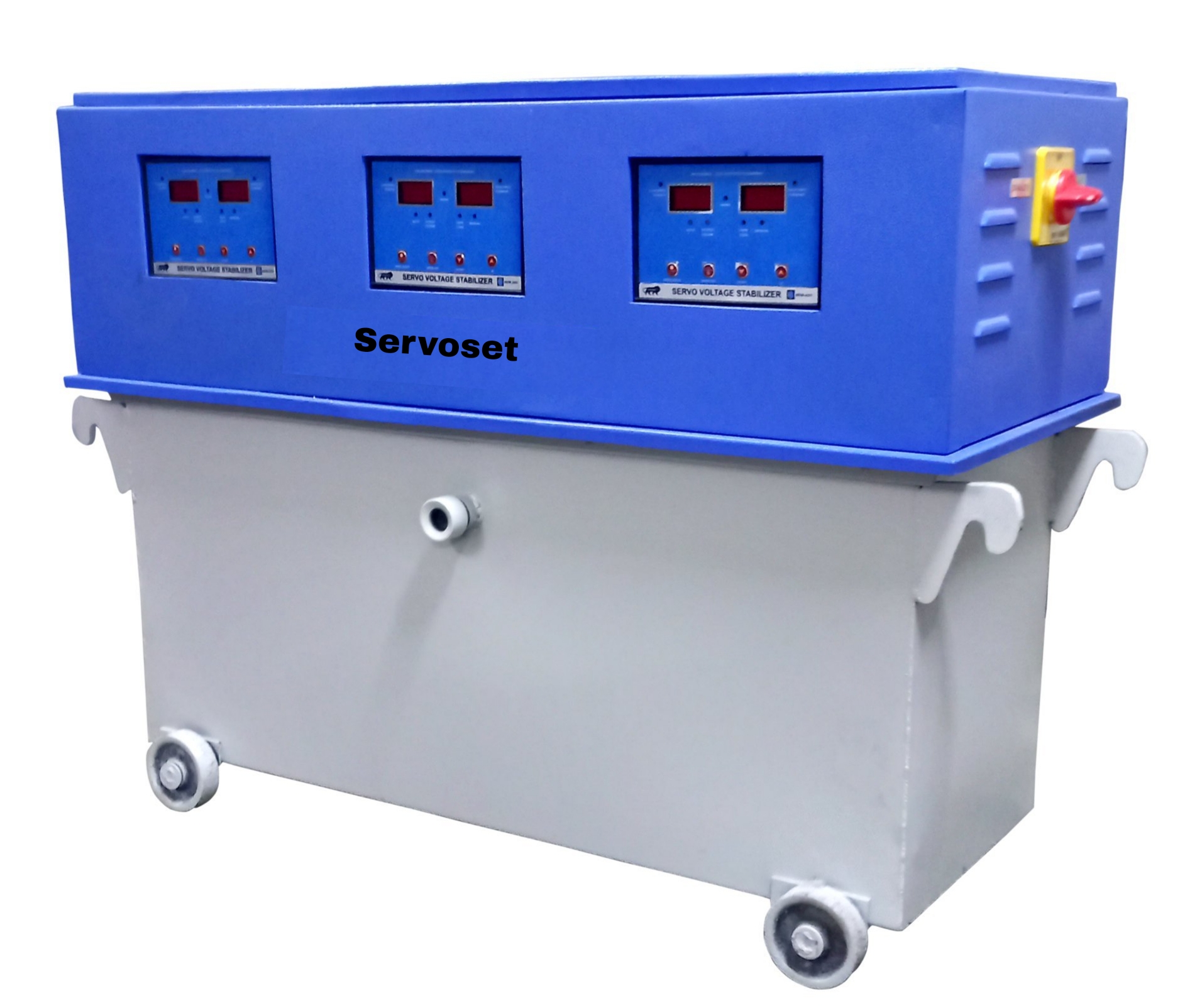
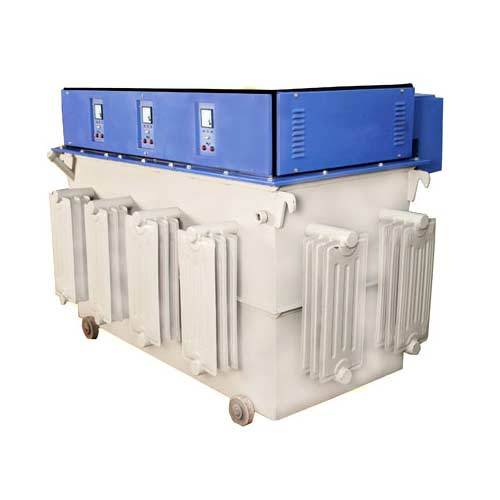
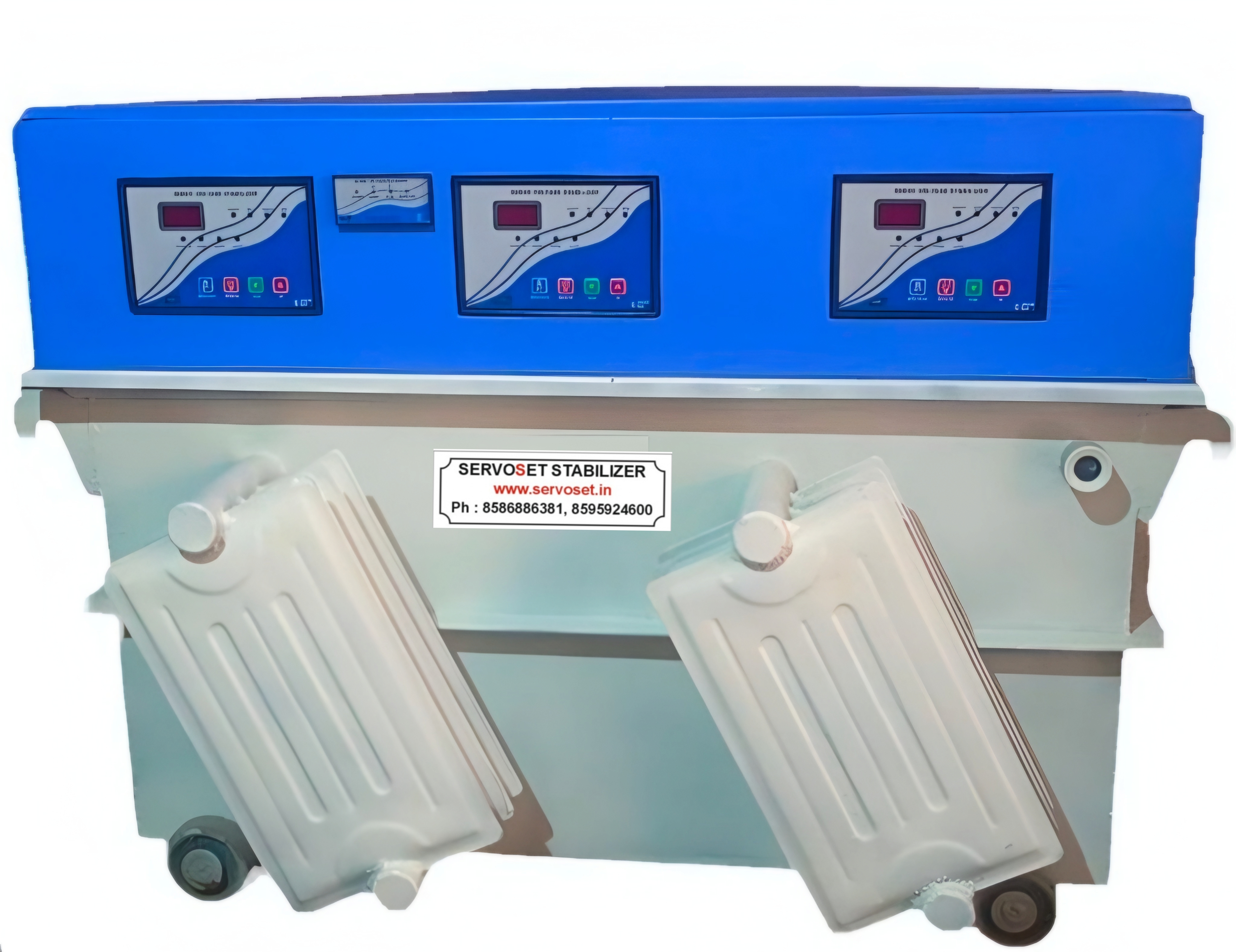
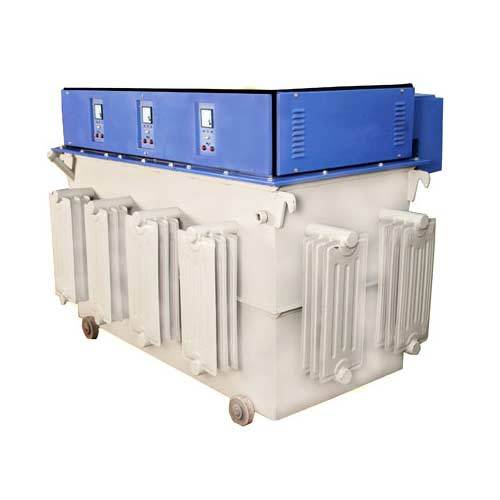
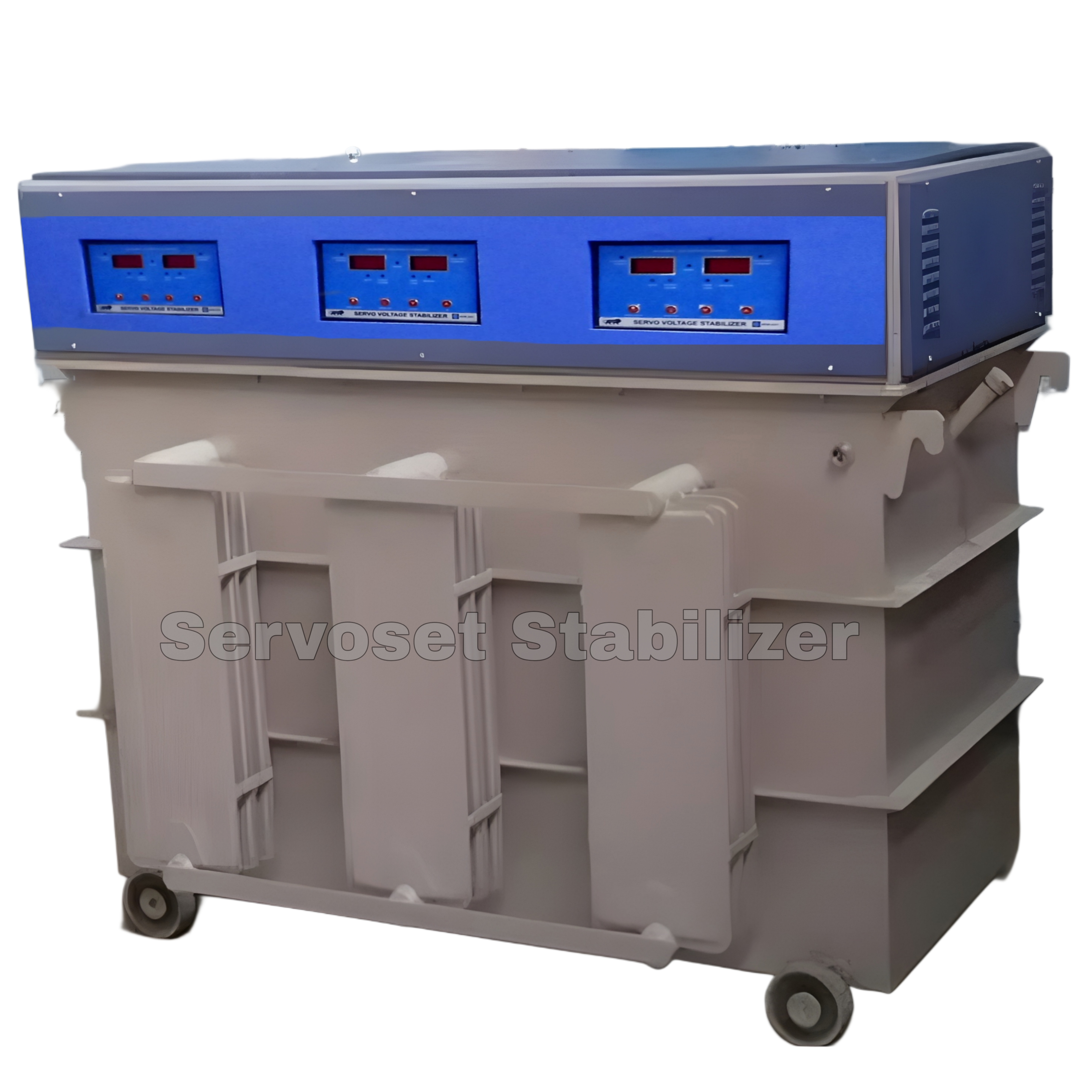
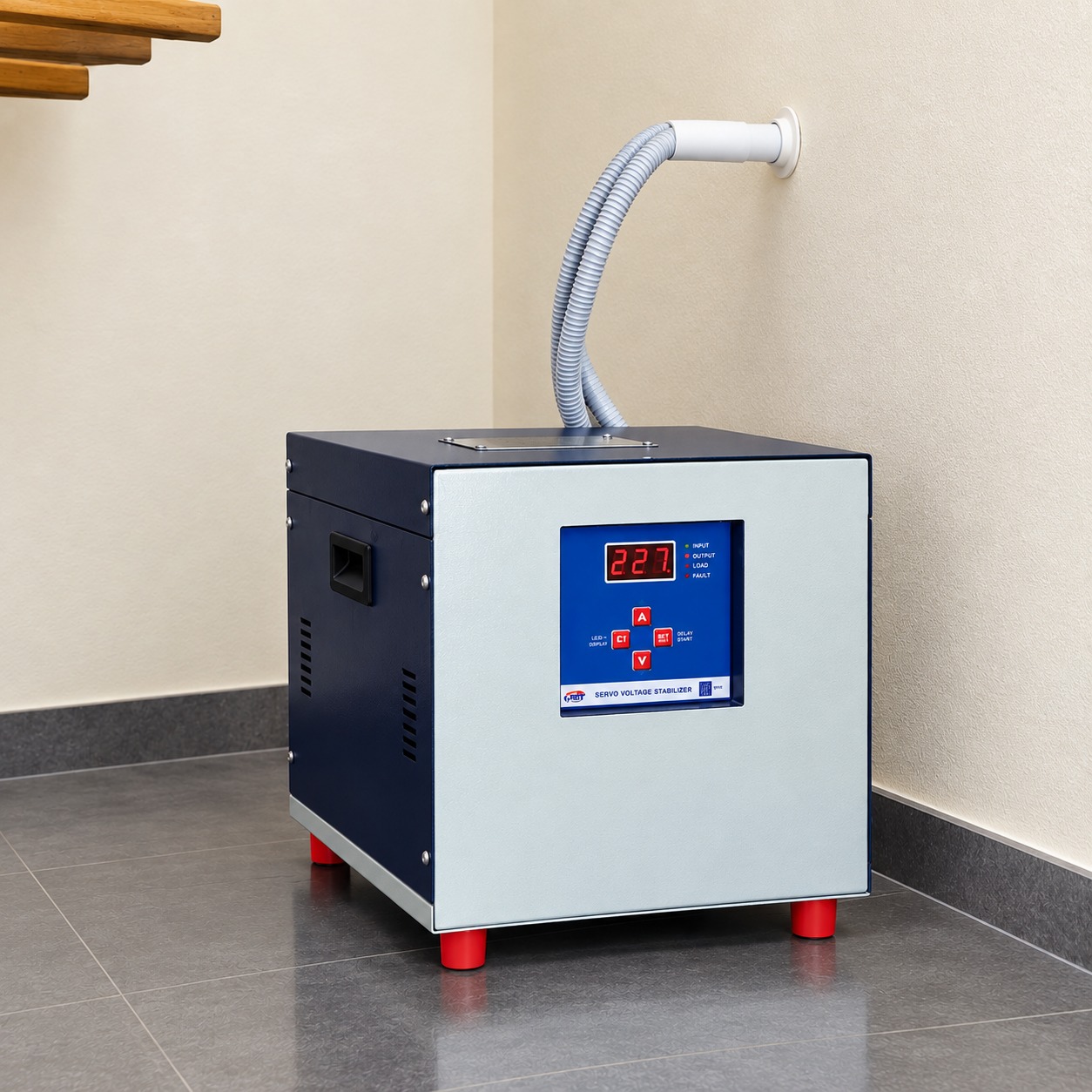
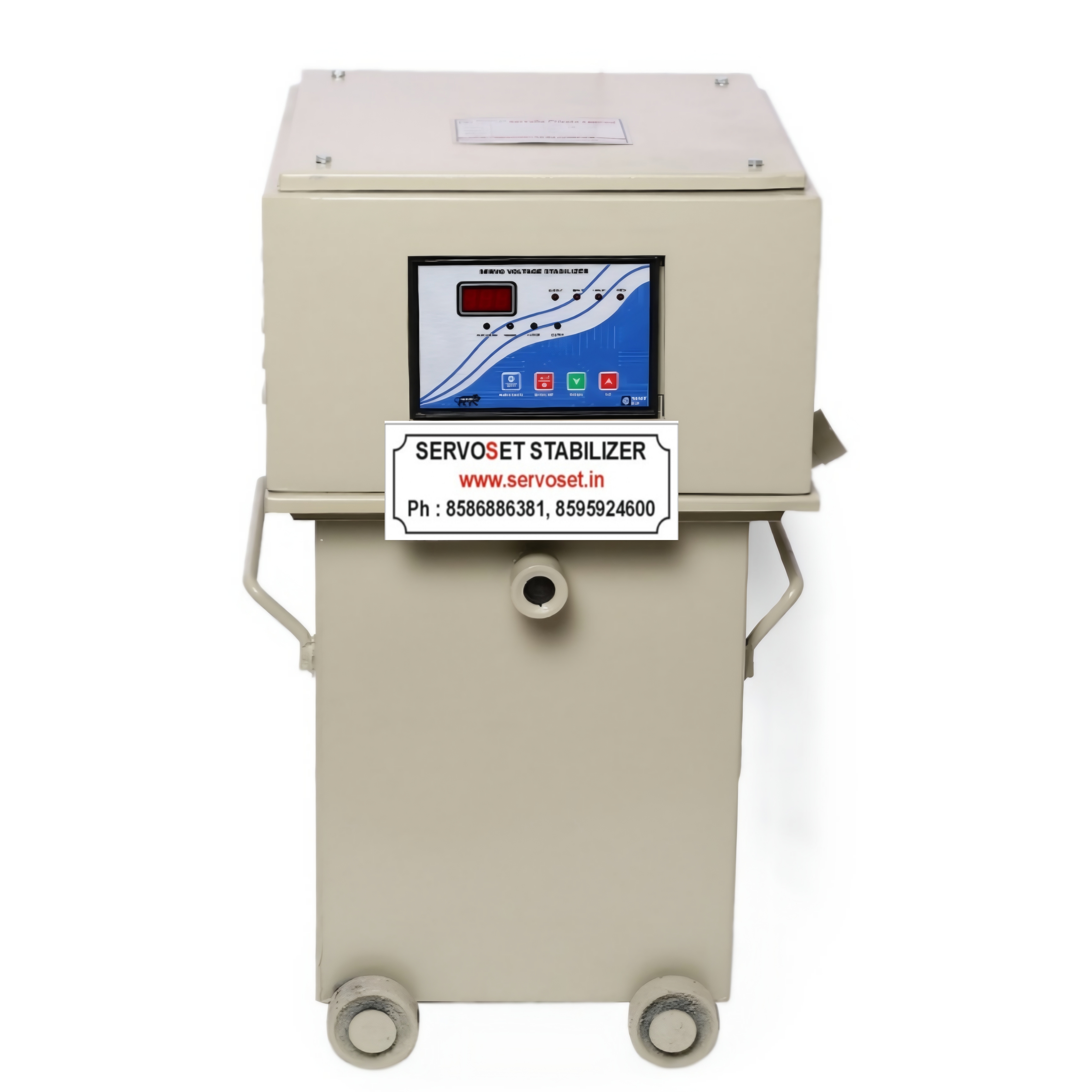
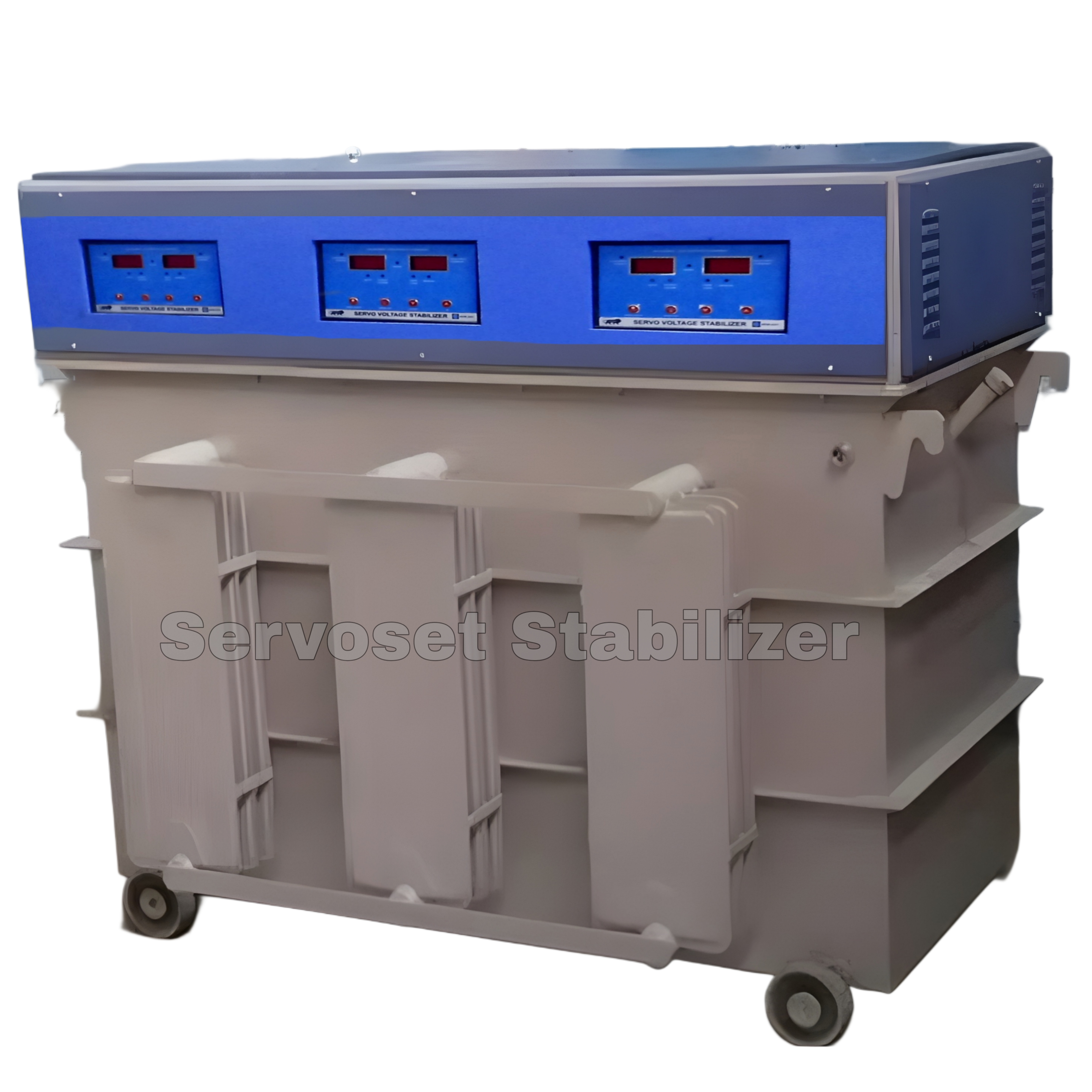
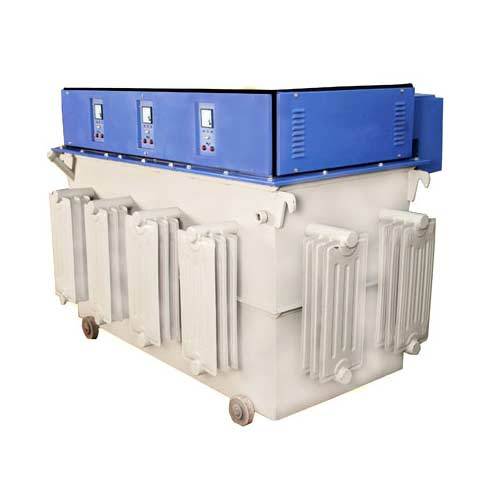
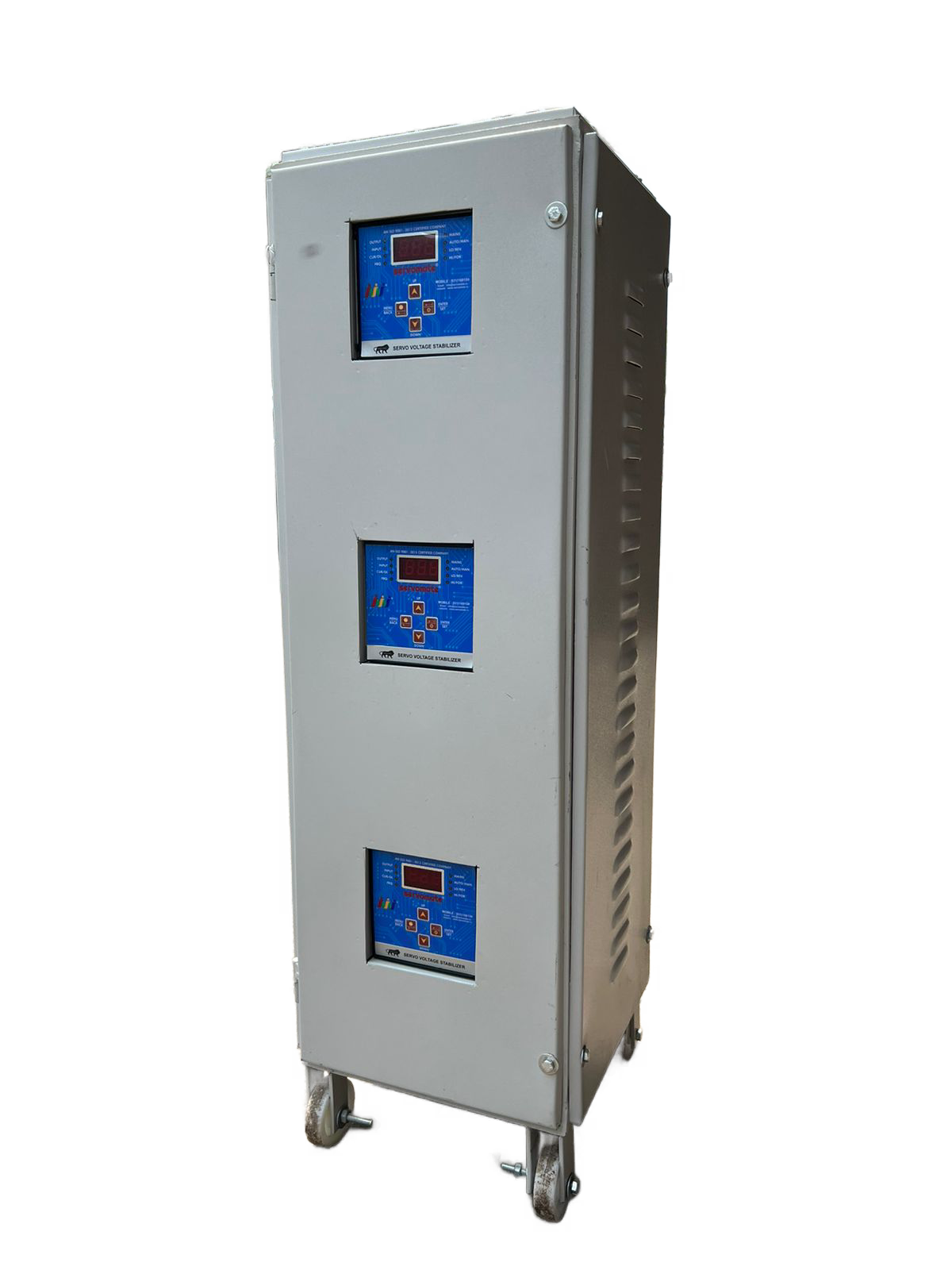
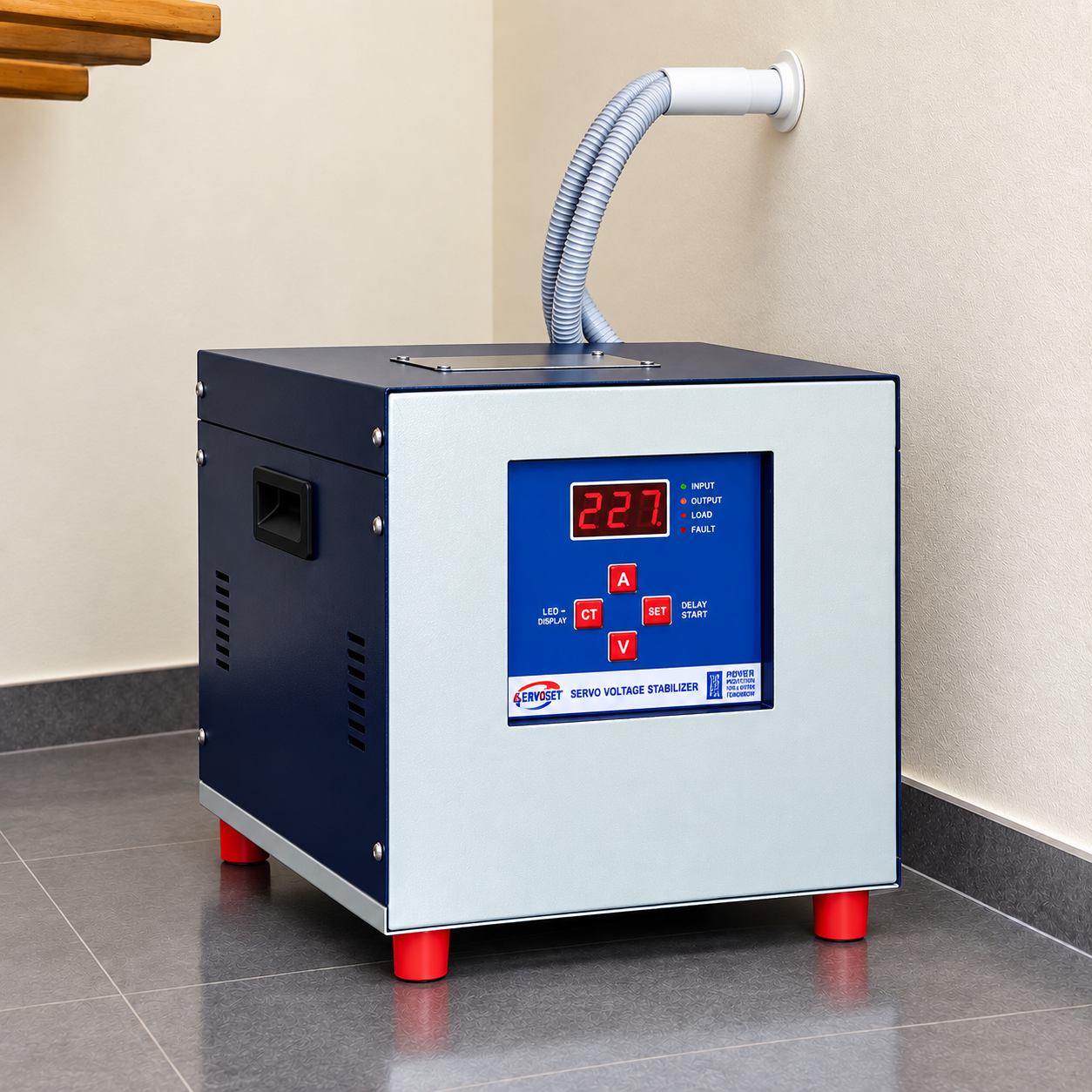
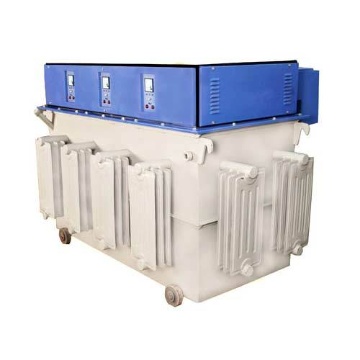
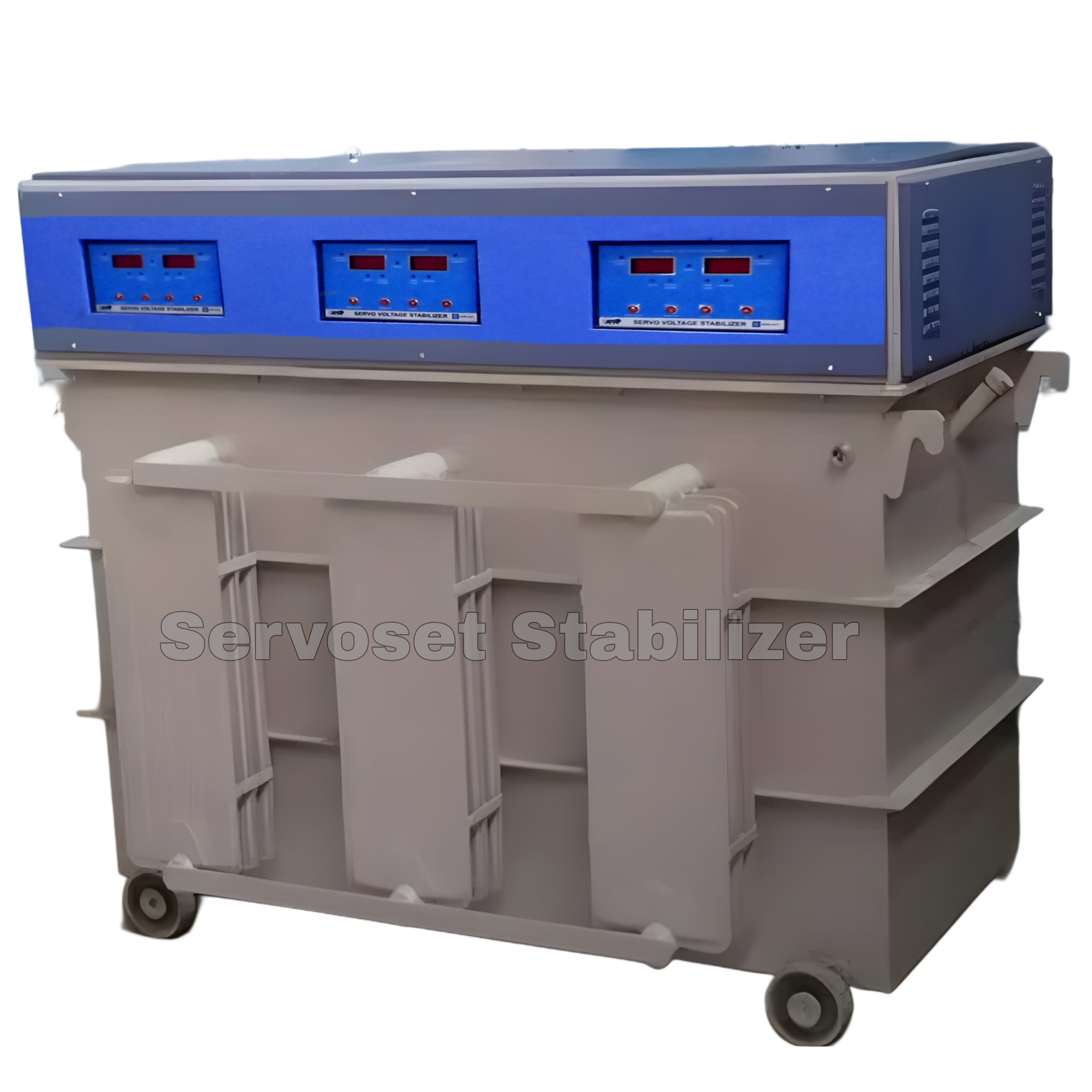
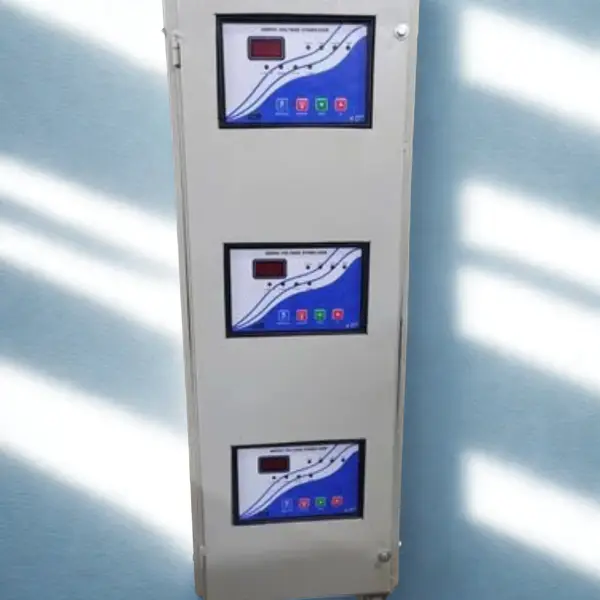
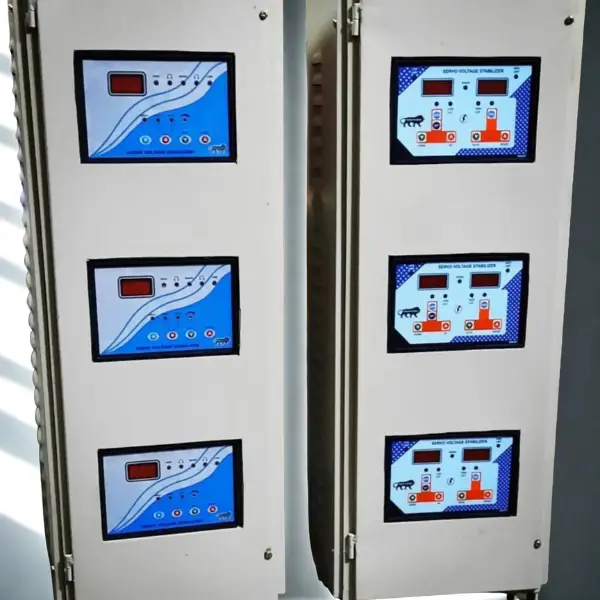
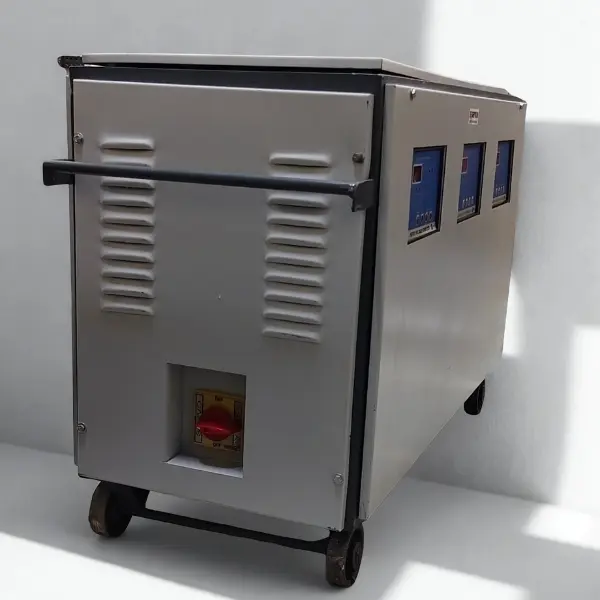
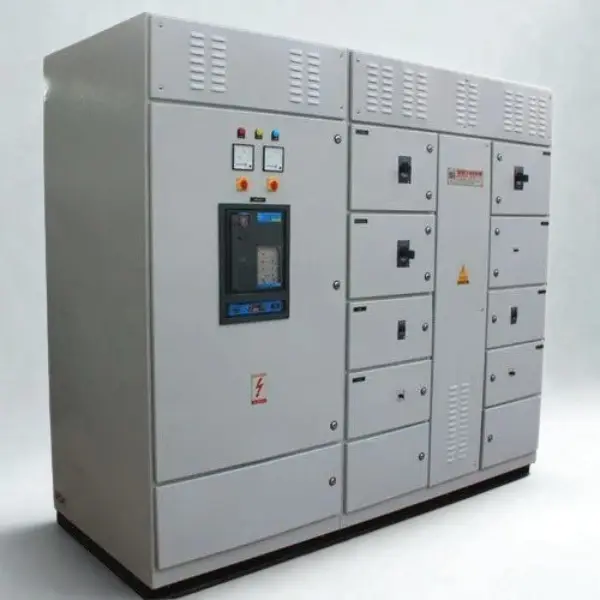
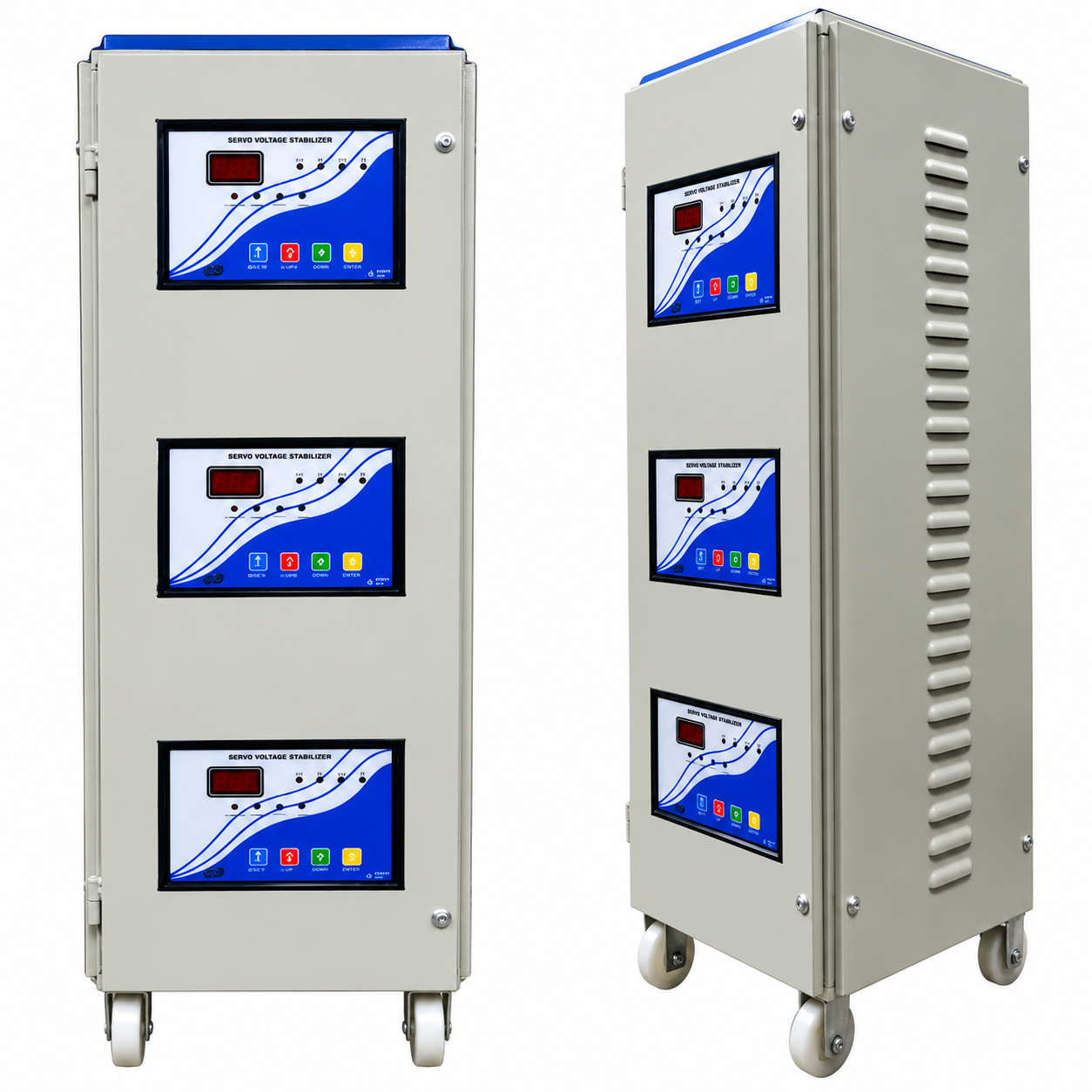
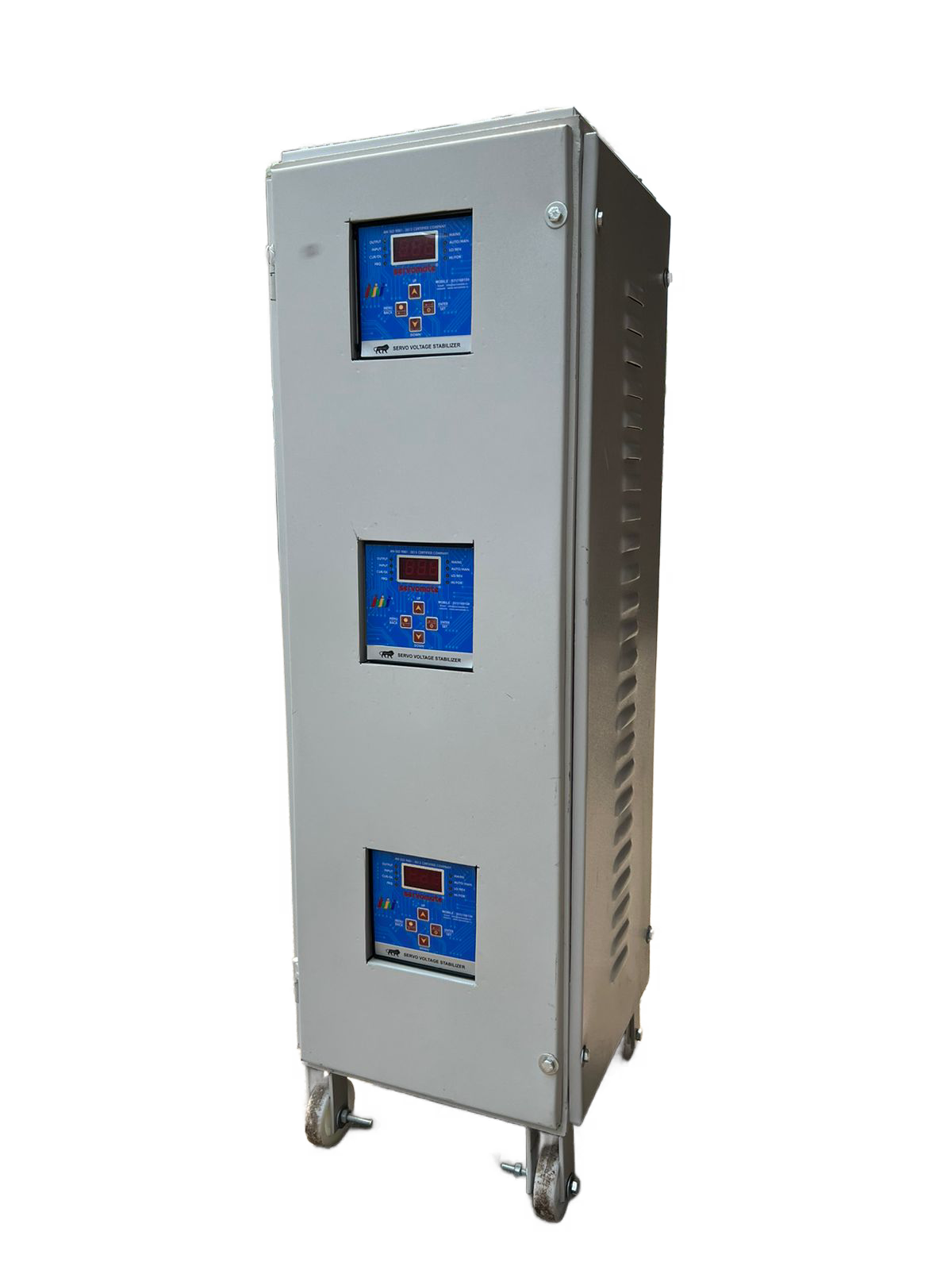
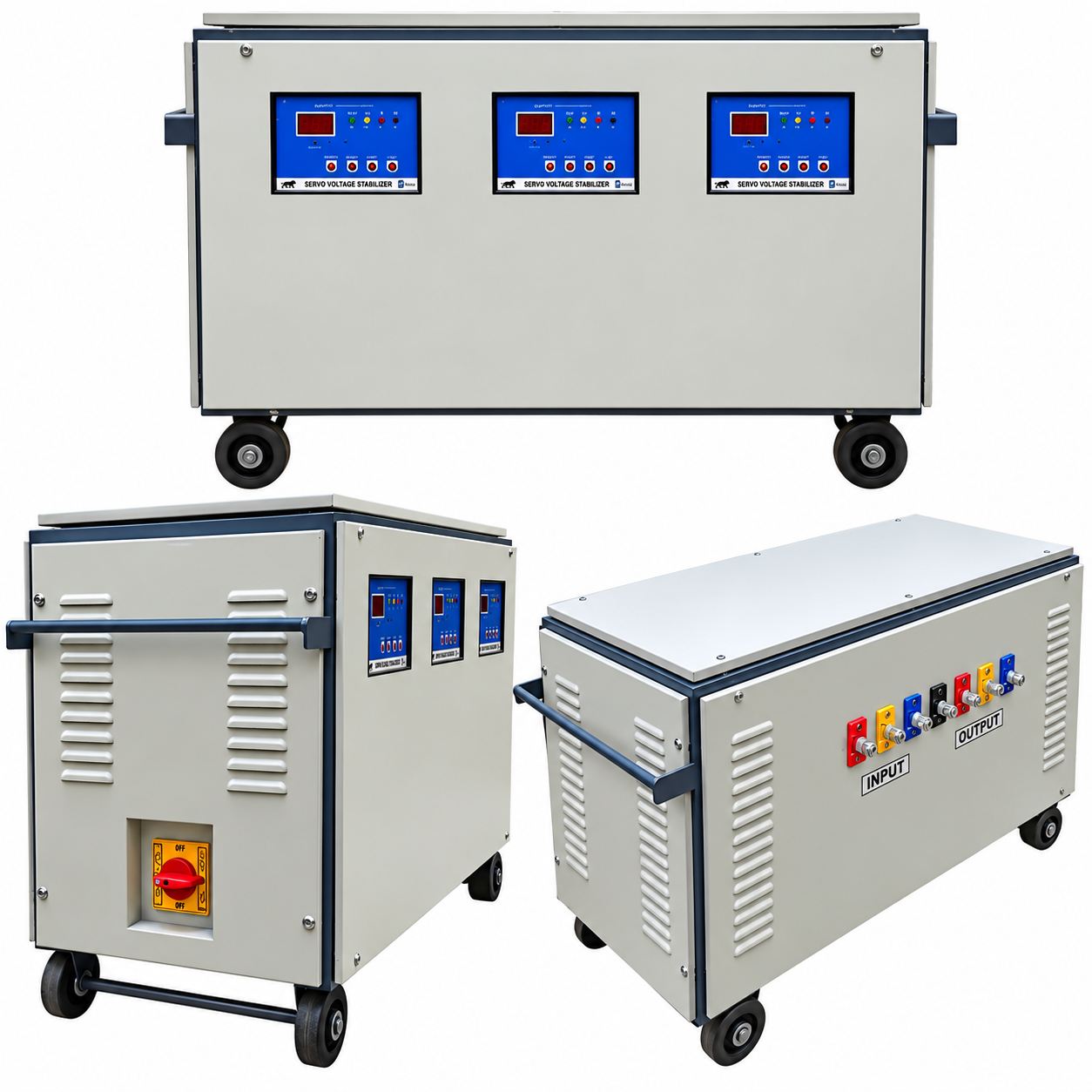
An oil cooled servo voltage stabilizer is an automatic voltage regulation system that corrects fluctuations in the incoming electrical supply and delivers a more stable output voltage to connected equipment.
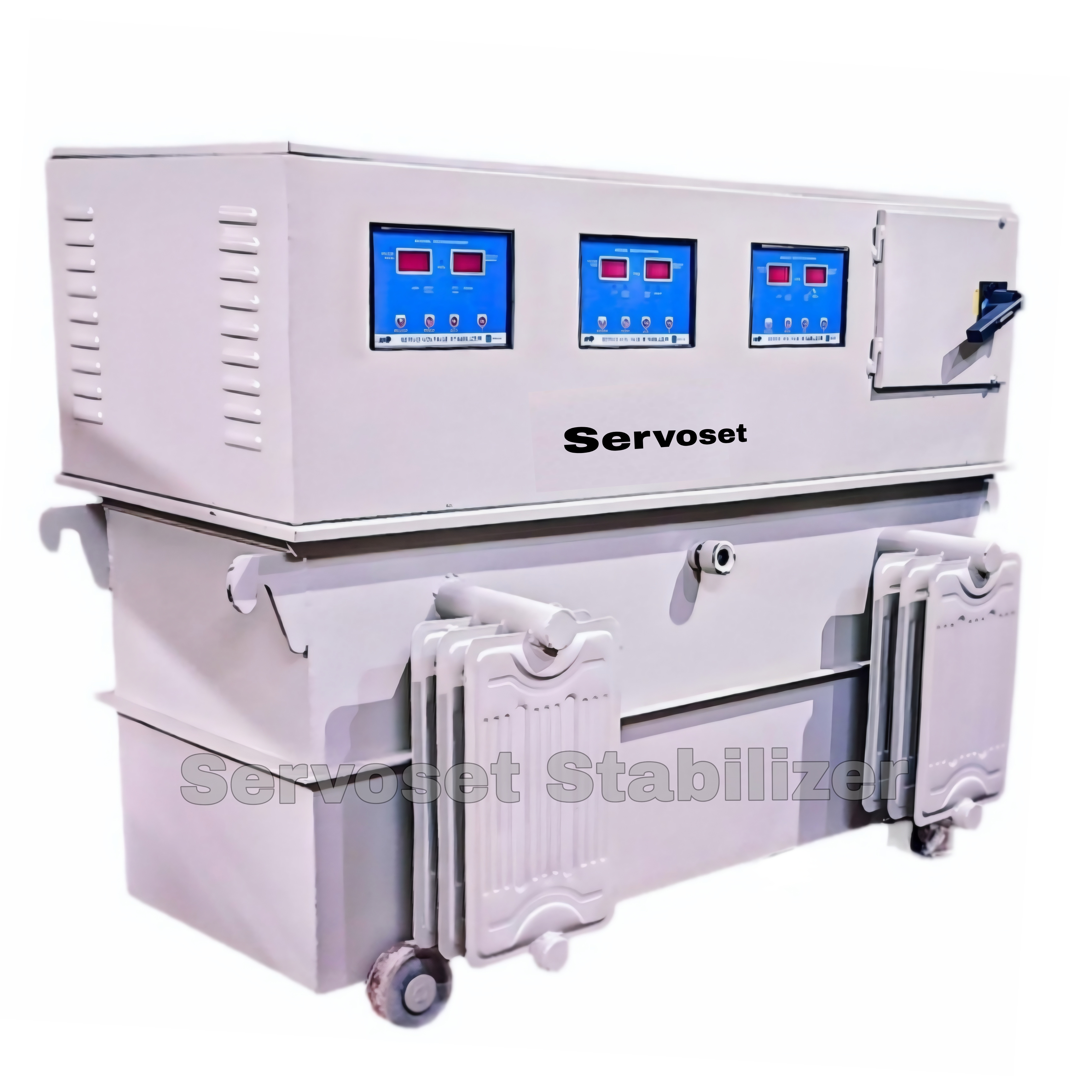
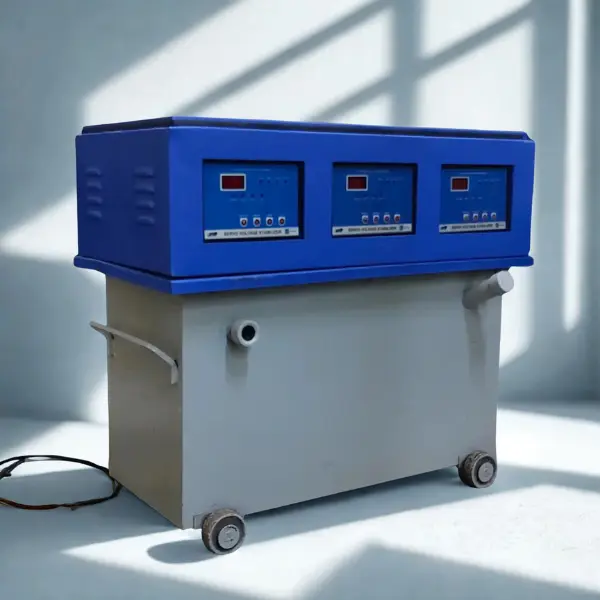
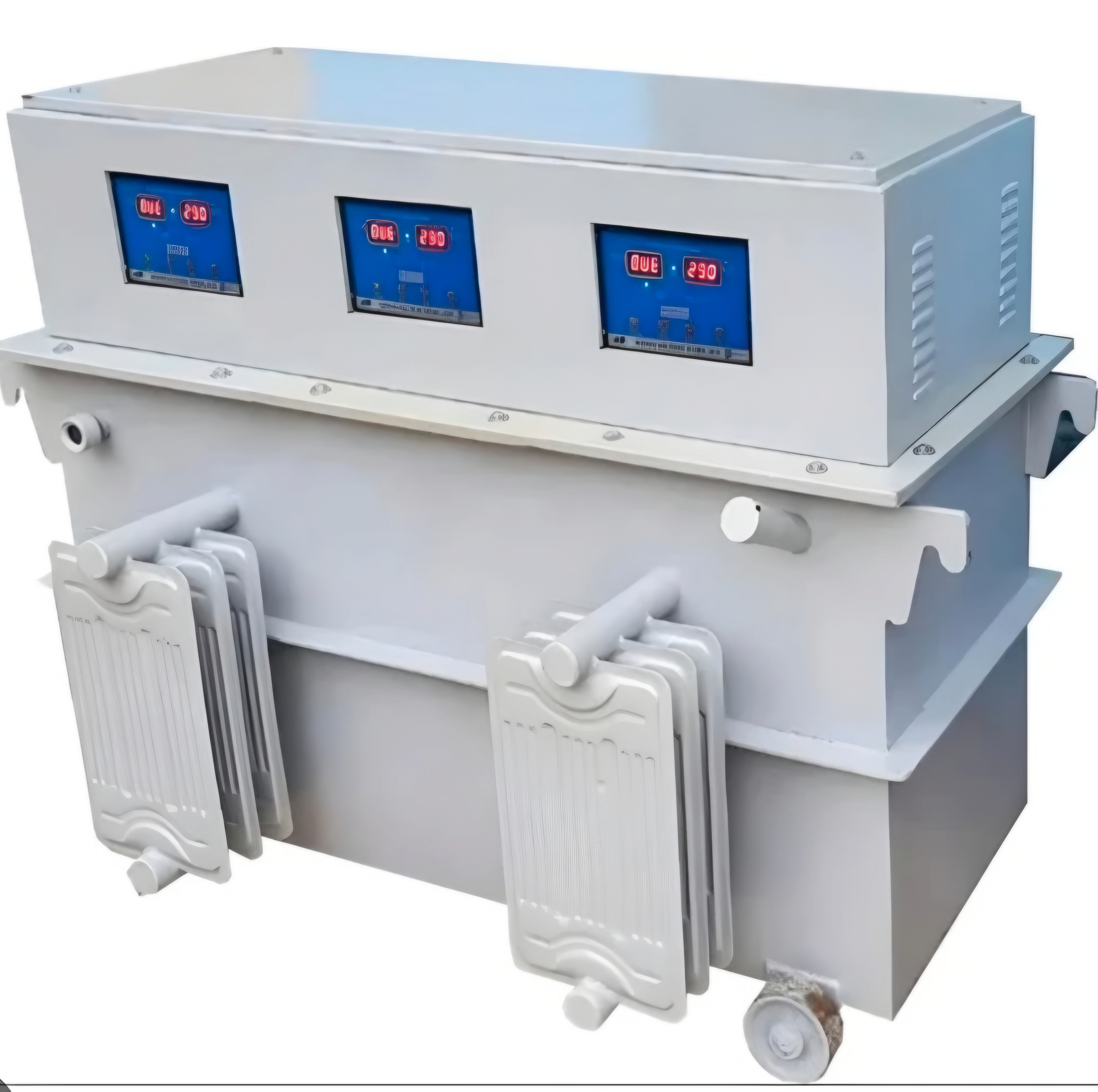
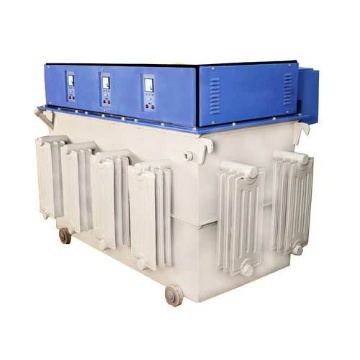
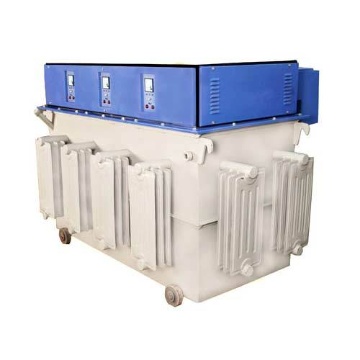
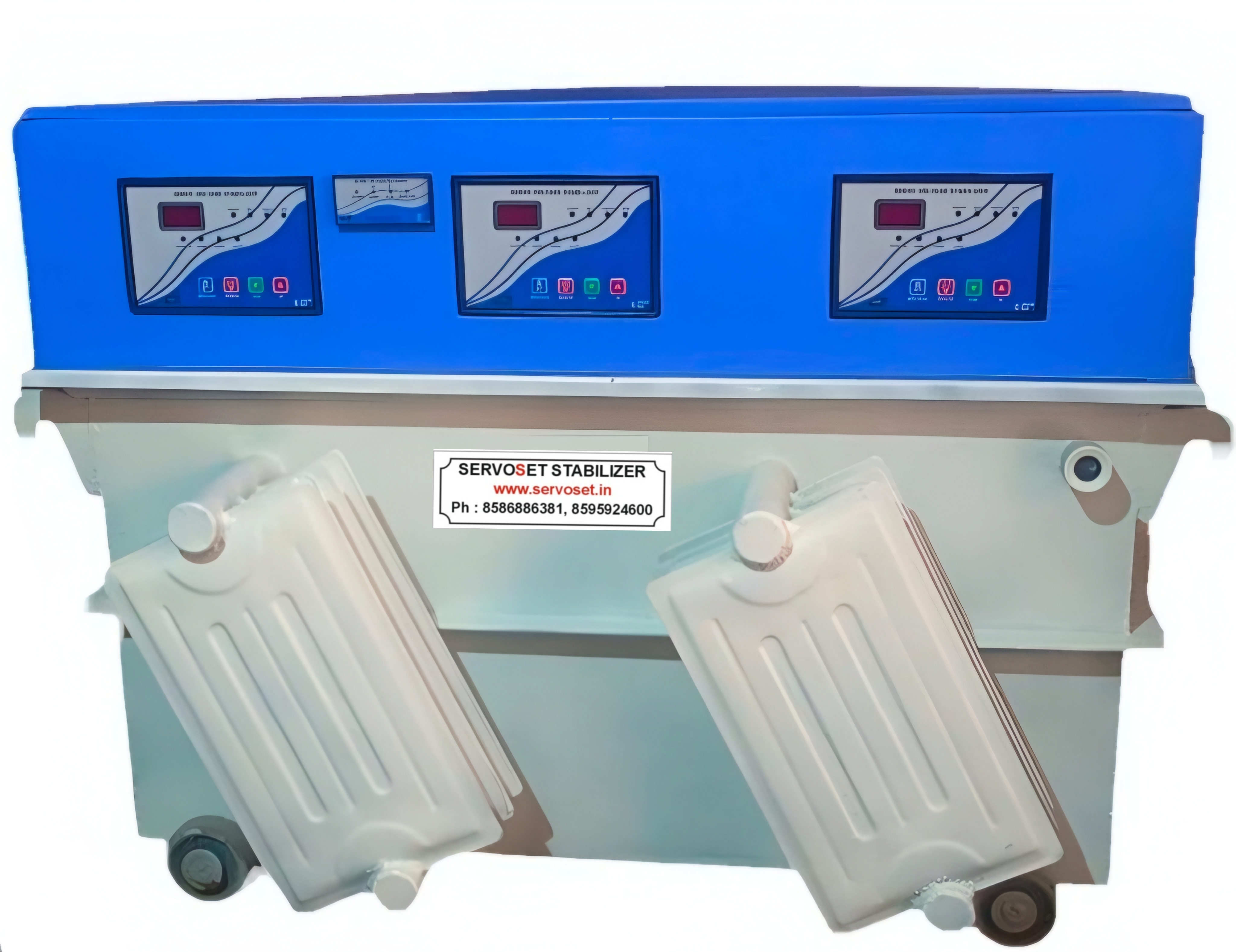
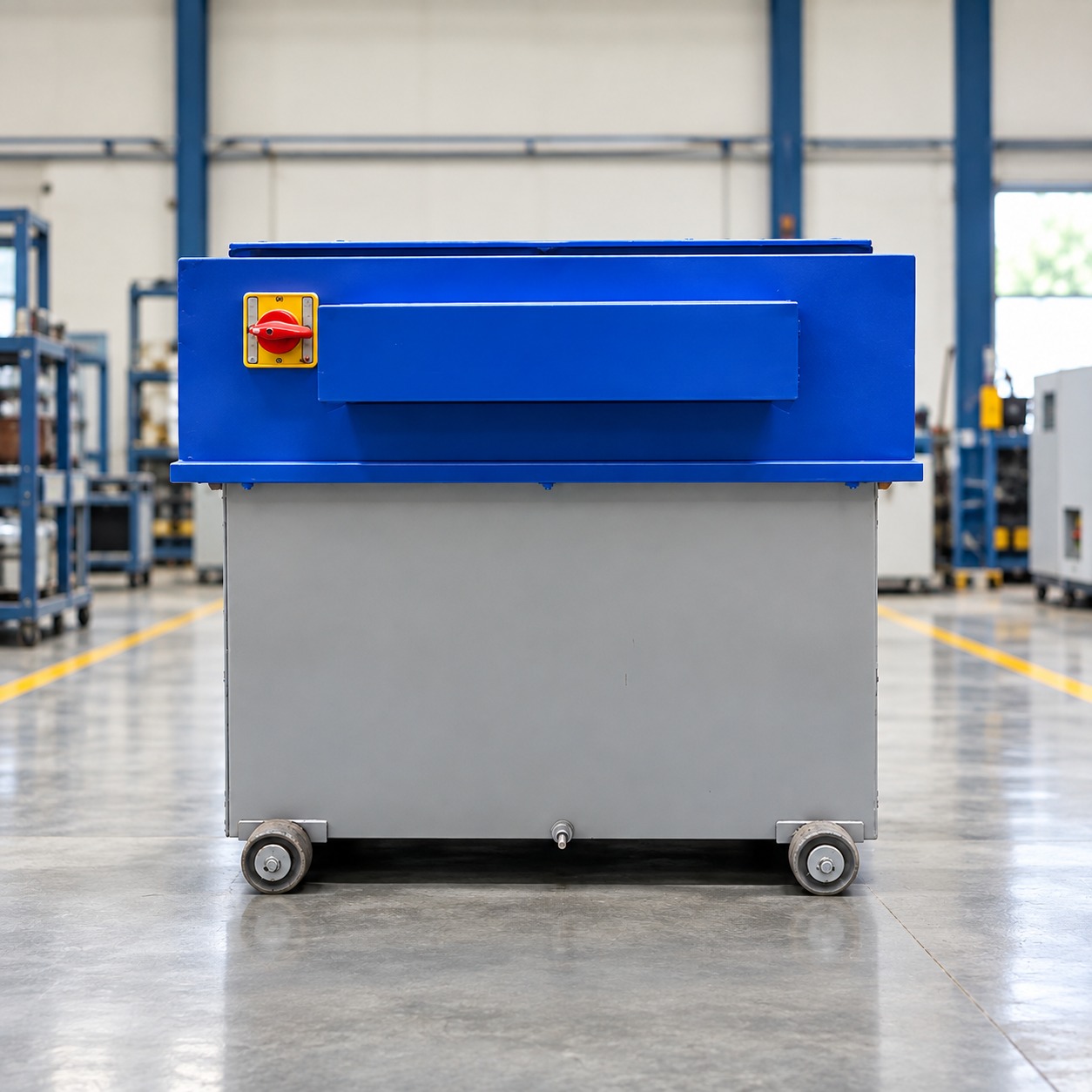
Unlike air-cooled models, oil cooled stabilizers use insulating oil for cooling and heat dissipation. This makes them suitable for higher-capacity and demanding installations where efficient thermal management is required.
Businesses and industrial facilities in Shimla can use these stabilizers to reduce the impact of inconsistent voltage on sensitive electrical and electronic equipment.
How Does an Oil Cooled Servo Stabilizer Work?
A servo voltage stabilizer continuously monitors the incoming voltage. When the voltage moves above or below the required level, the servo motor operates the voltage correction mechanism to adjust the output.
The basic working process includes:
- Incoming voltage is continuously monitored.
- The control circuit detects voltage variation.
- The servo motor operates the variable transformer mechanism.
- The required voltage correction is performed.
- A regulated voltage is supplied to the connected load.
In an oil cooled design, the transformer and associated components are immersed in insulating oil, which helps transfer heat away from the active components during operation.
Why Use an Oil Cooled Servo Voltage Stabilizer in Shimla?
Electrical loads used by industries, commercial facilities, hospitals, hotels, institutions and other establishments can be affected by fluctuations in supply voltage. A voltage stabilizer can help maintain an appropriate supply for equipment within its specified operating range.
1. Automatic Voltage Regulation
The servo mechanism automatically corrects variations in input voltage without requiring manual adjustment.
2. Efficient Cooling
Oil provides an effective medium for transferring heat from the transformer and other components, making oil cooling useful for higher-capacity installations.
3. Protection for Electrical Equipment
Maintaining a suitable voltage supply can help reduce problems associated with sustained over-voltage or under-voltage conditions.
4. Suitable for Continuous Operation
Properly selected and maintained oil cooled stabilizers can be used in applications requiring long operating periods.
5. Industrial Applications
Oil cooled servo stabilizers are commonly considered for applications where the connected load is relatively high and reliable voltage regulation is required.
Applications of Oil Cooled Servo Voltage Stabilizers
Depending on capacity, voltage range and system configuration, oil cooled servo stabilizers can be used across a variety of applications.
- Industrial manufacturing units
- Hotels and commercial buildings
- Hospitals and healthcare facilities
- Educational institutions
- Data and communication facilities
- HVAC and large electrical systems
- Machine tools and industrial machinery
- Production and processing plants
- Large commercial electrical installations
Key Features to Consider Before Buying
Choosing the right stabilizer requires more than simply selecting a capacity rating. The electrical characteristics of the site and connected equipment should be evaluated before installation.
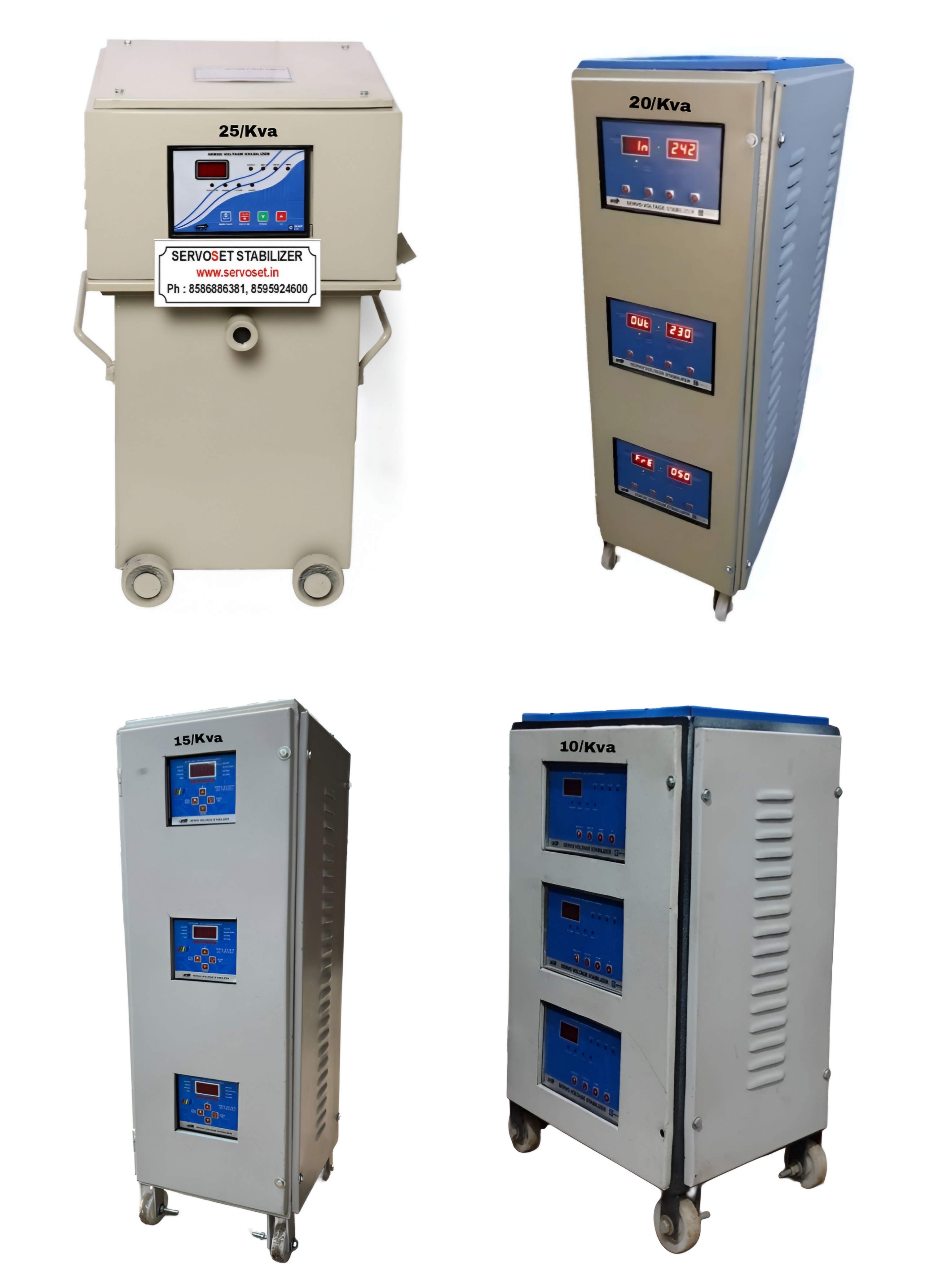
- Capacity: Select a suitable kVA rating based on the connected load.
- Input Voltage Range: Check the expected minimum and maximum input voltage.
- Output Voltage: Ensure the required regulated output is compatible with the equipment.
- Phase Configuration: Choose single-phase or three-phase equipment as required.
- Correction Speed: Consider how quickly the stabilizer needs to respond to voltage changes.
- Protection Features: Check for suitable electrical and thermal protection systems.
- Installation Requirements: Consider space, ventilation, electrical connections and safety requirements.
Oil Cooled vs Air Cooled Servo Voltage Stabilizer
The choice between oil cooling and air cooling depends on the application, capacity, installation environment and operating requirements.
| Feature | Oil Cooled | Air Cooled |
|---|---|---|
| Cooling Medium | Insulating oil | Air |
| Typical Use | Higher-capacity and demanding applications | Light to medium-duty applications, depending on design |
| Heat Dissipation | Uses oil to transfer heat | Relies primarily on air circulation |
| Maintenance | Requires appropriate oil and equipment maintenance | Generally simpler cooling-system maintenance |
Installation Considerations in Shimla
Before installing an oil cooled servo voltage stabilizer in Shimla, the site should be evaluated by a qualified electrical professional. Factors such as load profile, available space, electrical earthing, ambient conditions and accessibility for maintenance should be considered.
The stabilizer should be installed according to the manufacturer's specifications and applicable electrical safety requirements. Adequate clearance and suitable environmental conditions should also be maintained.
Maintenance of an Oil Cooled Servo Voltage Stabilizer
Regular maintenance can help maintain reliable operation and identify potential problems before they affect connected equipment.
- Inspect the stabilizer periodically for visible damage or abnormal conditions.
- Check oil condition and level according to the manufacturer's recommendations.
- Inspect electrical connections and terminals.
- Check earthing and protection systems.
- Monitor unusual noise, heating or operating behavior.
- Follow the manufacturer's recommended servicing schedule.
How to Select the Right Servo Stabilizer
The correct stabilizer should be selected after calculating the connected load and understanding the voltage conditions at the installation site. Important details include the total load in kVA, starting currents of motors, input voltage range, required output voltage and phase configuration.
For large industrial installations, it is advisable to have the electrical system assessed by a qualified professional before purchasing the equipment. Correct sizing can help prevent unnecessary capacity limitations and ensure compatibility with the connected load.
Frequently Asked Questions
What is an oil cooled servo voltage stabilizer?
It is an automatic voltage regulation device that uses a servo-controlled mechanism to correct input voltage fluctuations while using insulating oil for cooling and heat dissipation.
Is an oil cooled stabilizer suitable for industrial use?
Oil cooled designs are commonly used for higher-capacity and industrial applications, subject to appropriate sizing and system requirements.
What capacity servo stabilizer should I choose?
The required capacity depends on the connected electrical load, starting currents, operating conditions and desired safety margin. A qualified professional can help determine the appropriate kVA rating.
Does a servo stabilizer protect equipment from voltage fluctuations?
A servo stabilizer regulates voltage within its specified operating range. The exact protection provided depends on the stabilizer's design and built-in protection features.
Where can an oil cooled servo stabilizer be used in Shimla?
Depending on the required capacity, such stabilizers can be considered for industrial units, hotels, hospitals, institutions, commercial facilities and other installations that require regulated electrical voltage.
Conclusion
An oil cooled servo voltage stabilizer in Shimla can be an important part of an electrical power management system where voltage regulation and continuous operation are required. Its oil-based cooling arrangement can be particularly useful for higher-capacity applications.
Before selecting a stabilizer, evaluate the connected load, input voltage fluctuations, phase requirements, installation conditions and required protection features. Proper sizing, professional installation and regular maintenance are essential for dependable performance.