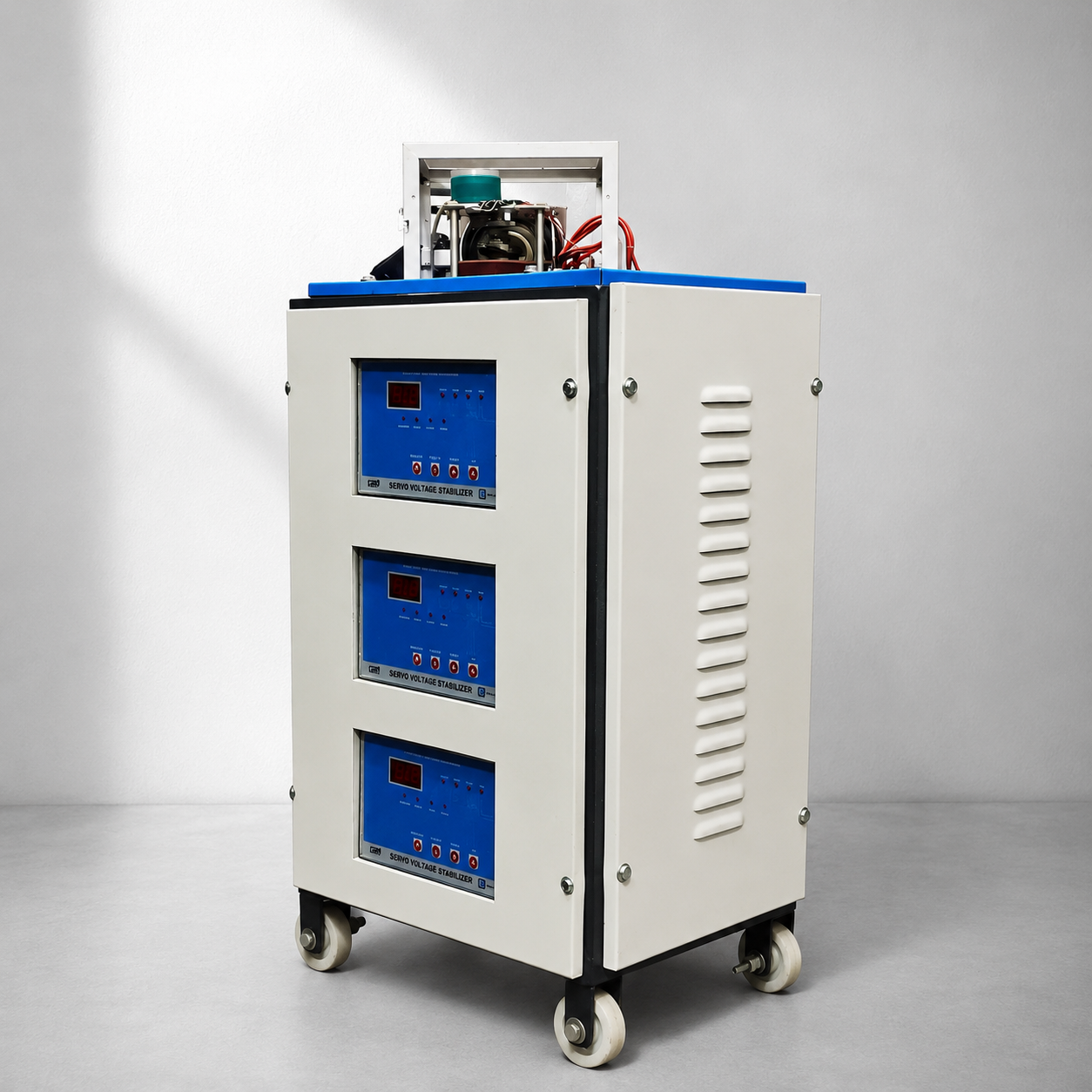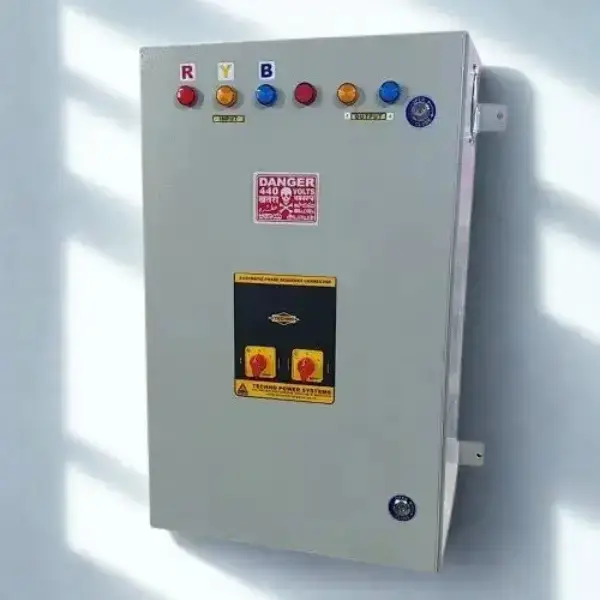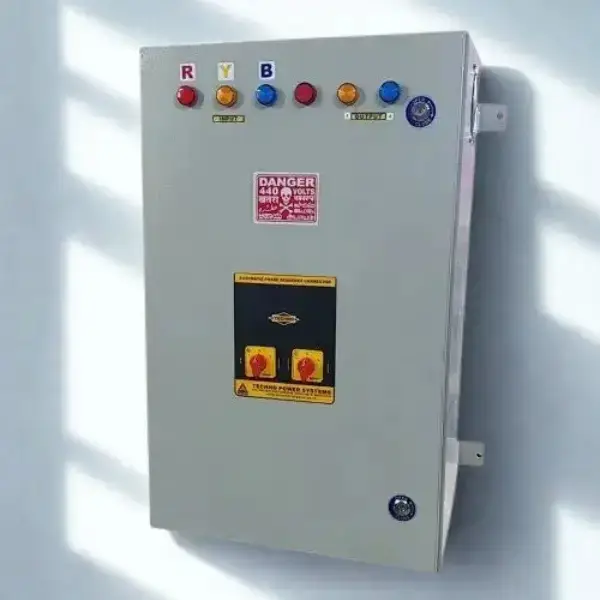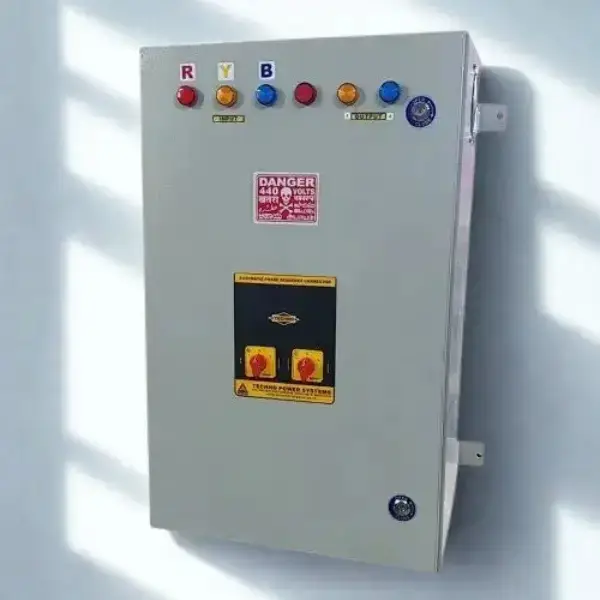
Single Phase Servo Voltage Stabilizer: Applications, Features and Selection Guide
Voltage fluctuations can affect the performance of electrical equipment in homes, offices, shops, and small industries. Unstable power supply may cause equipment interruptions and contribute to electrical problems. A single phase servo voltage stabilizer helps regulate fluctuating voltage and maintain a more stable output for compatible equipment.
Understanding its applications, features, and selection criteria can help you choose the right stabilizer for your electrical requirements.
What Is a Single Phase Servo Voltage Stabilizer?
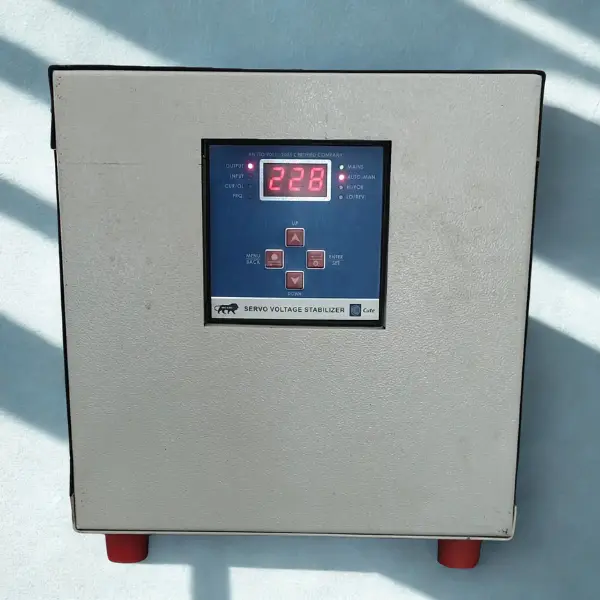
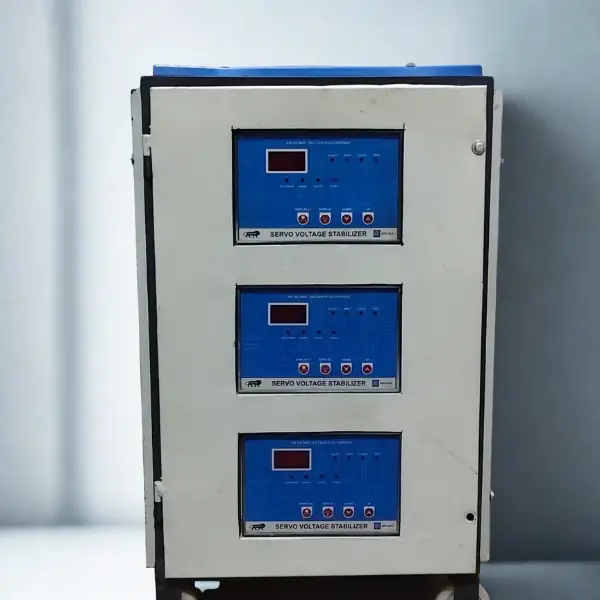
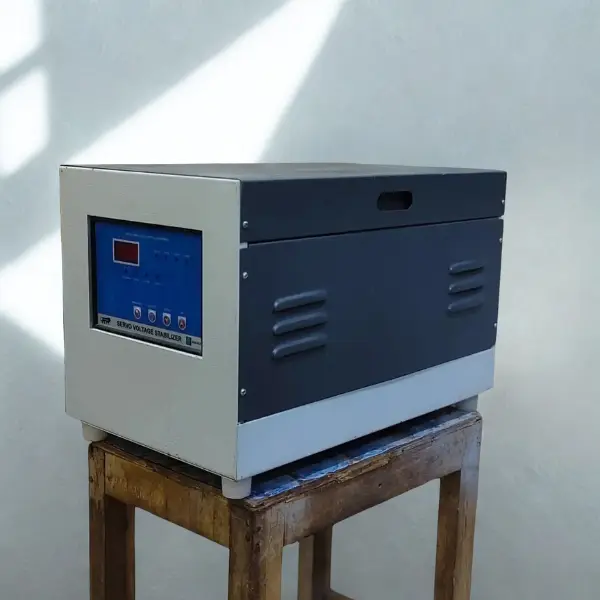
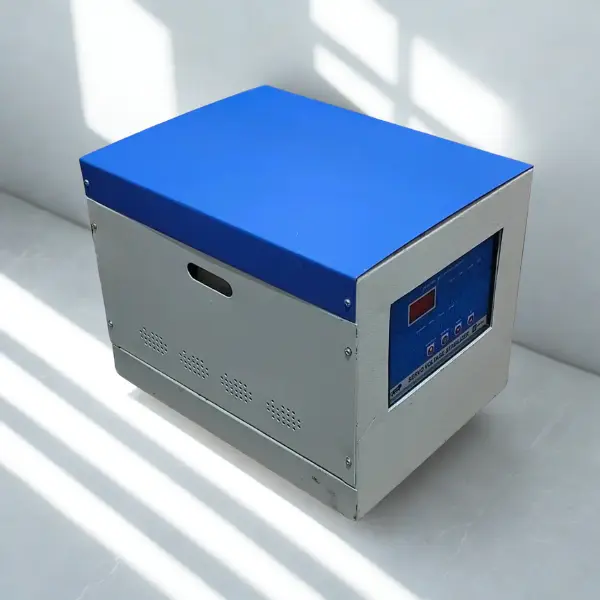
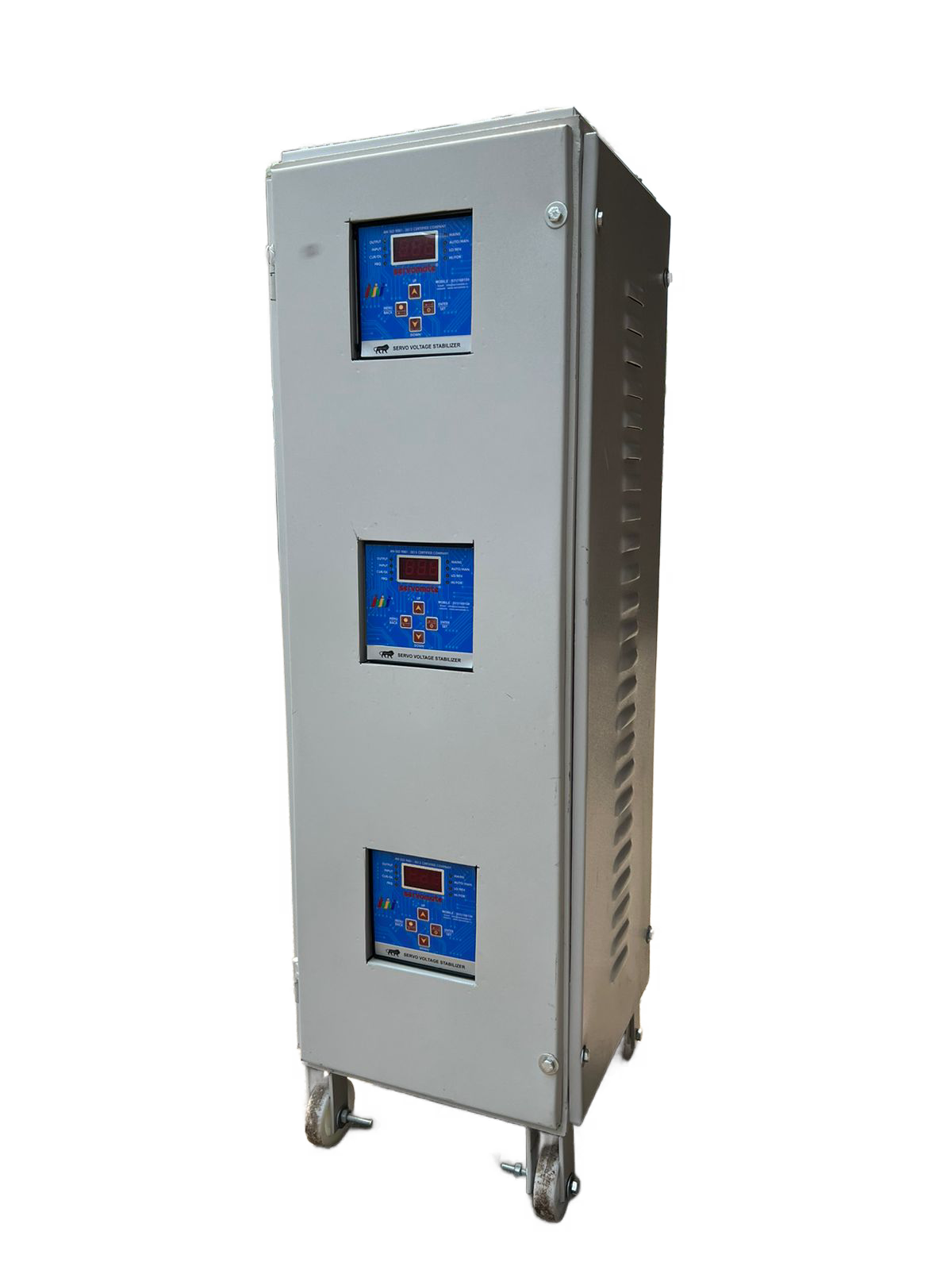
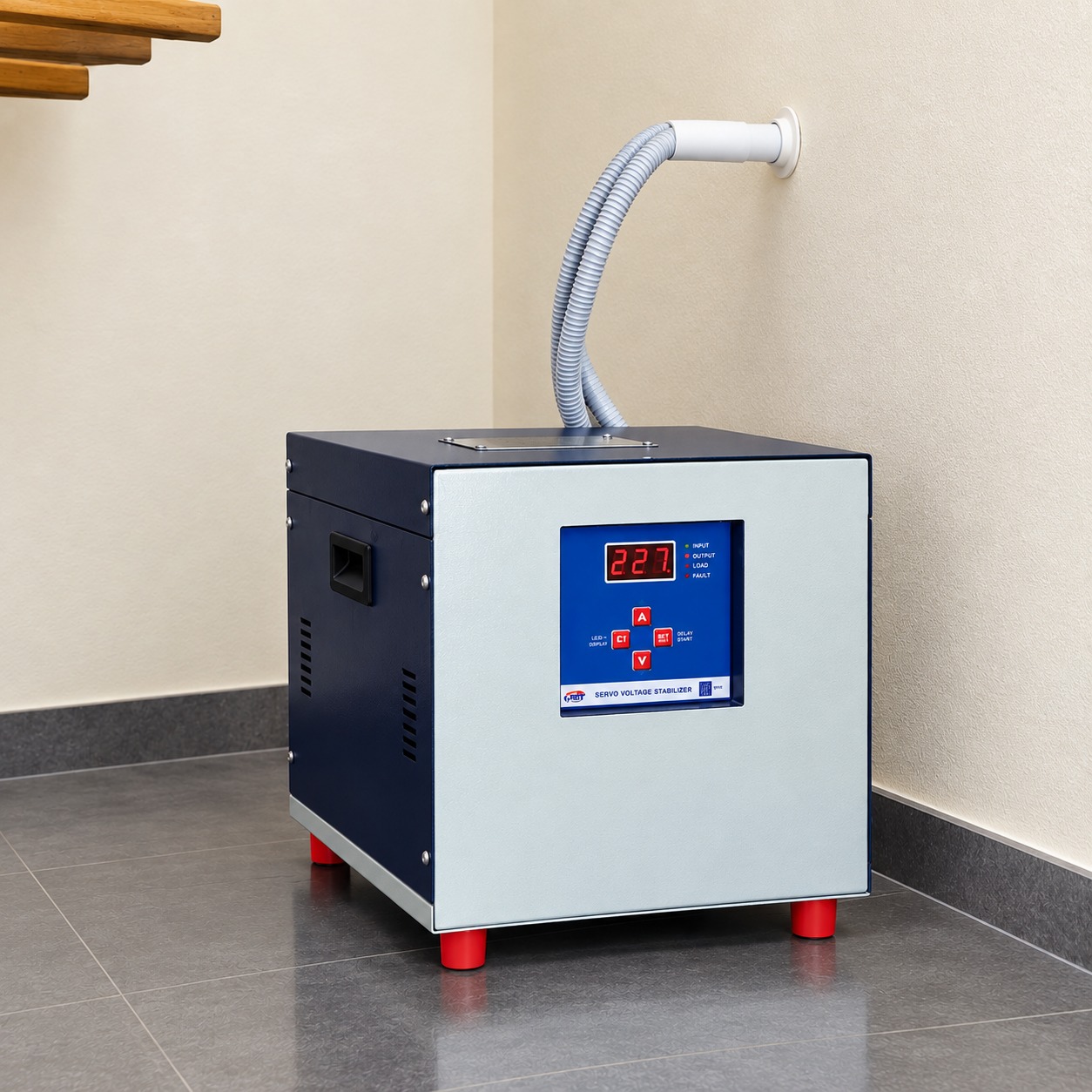
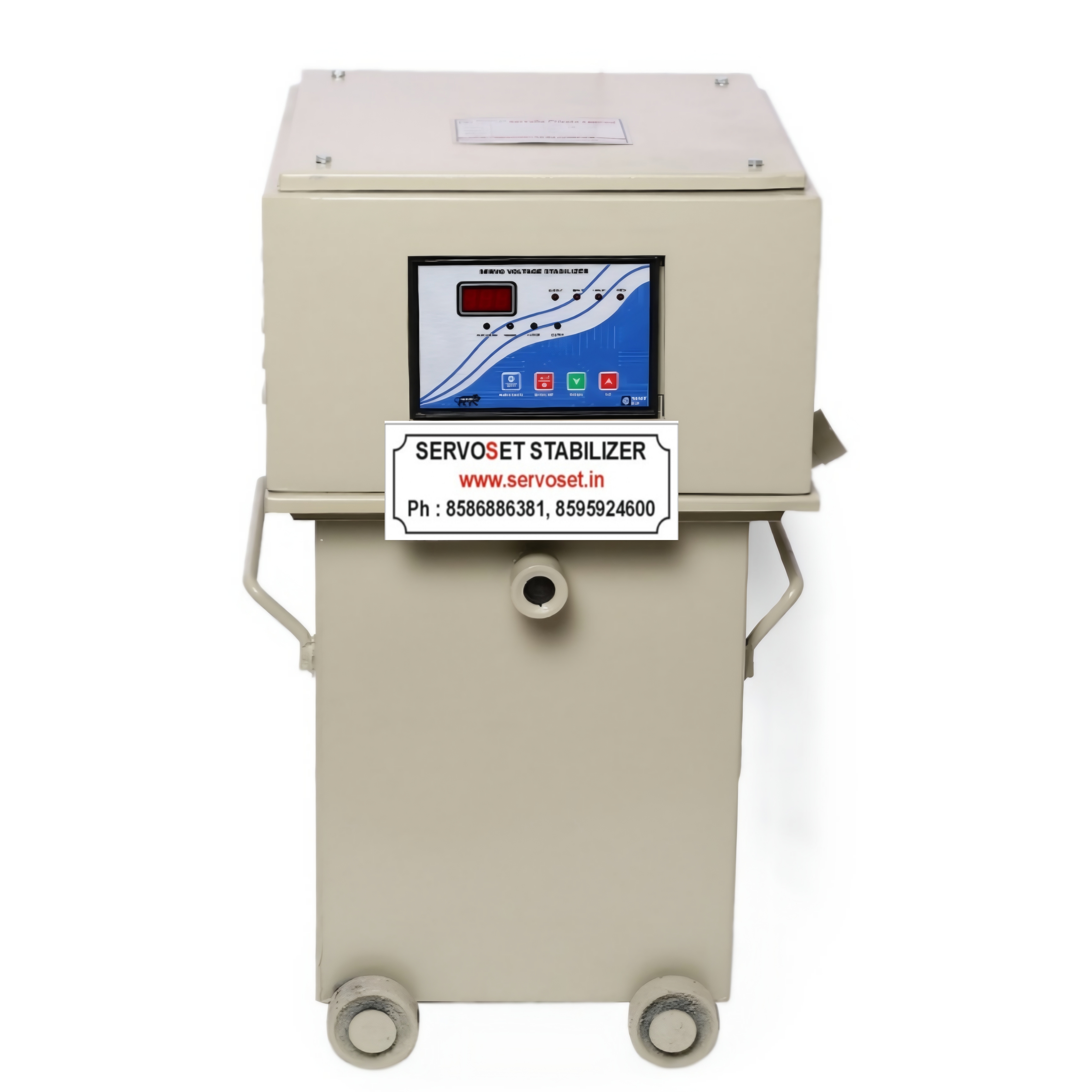
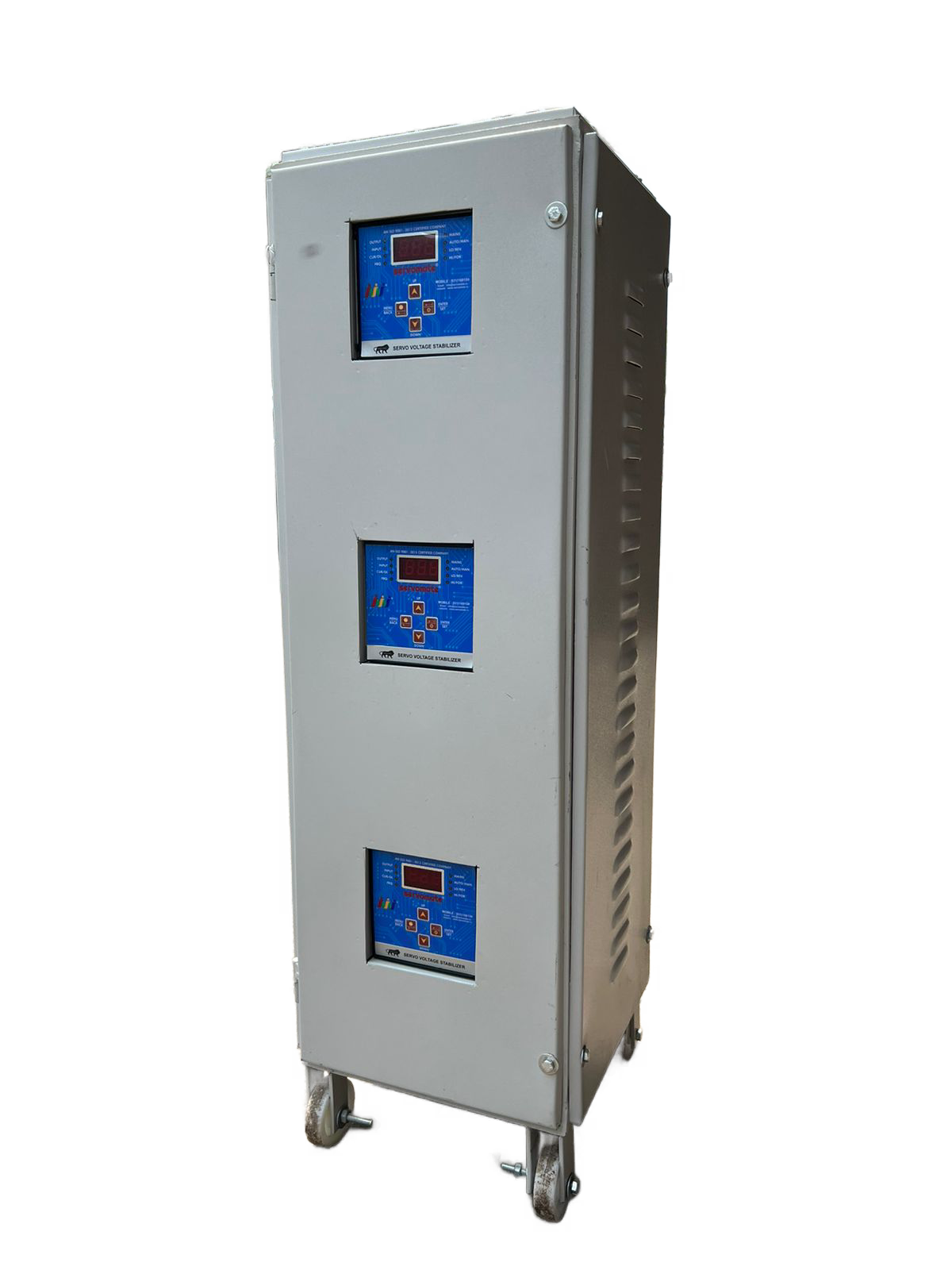
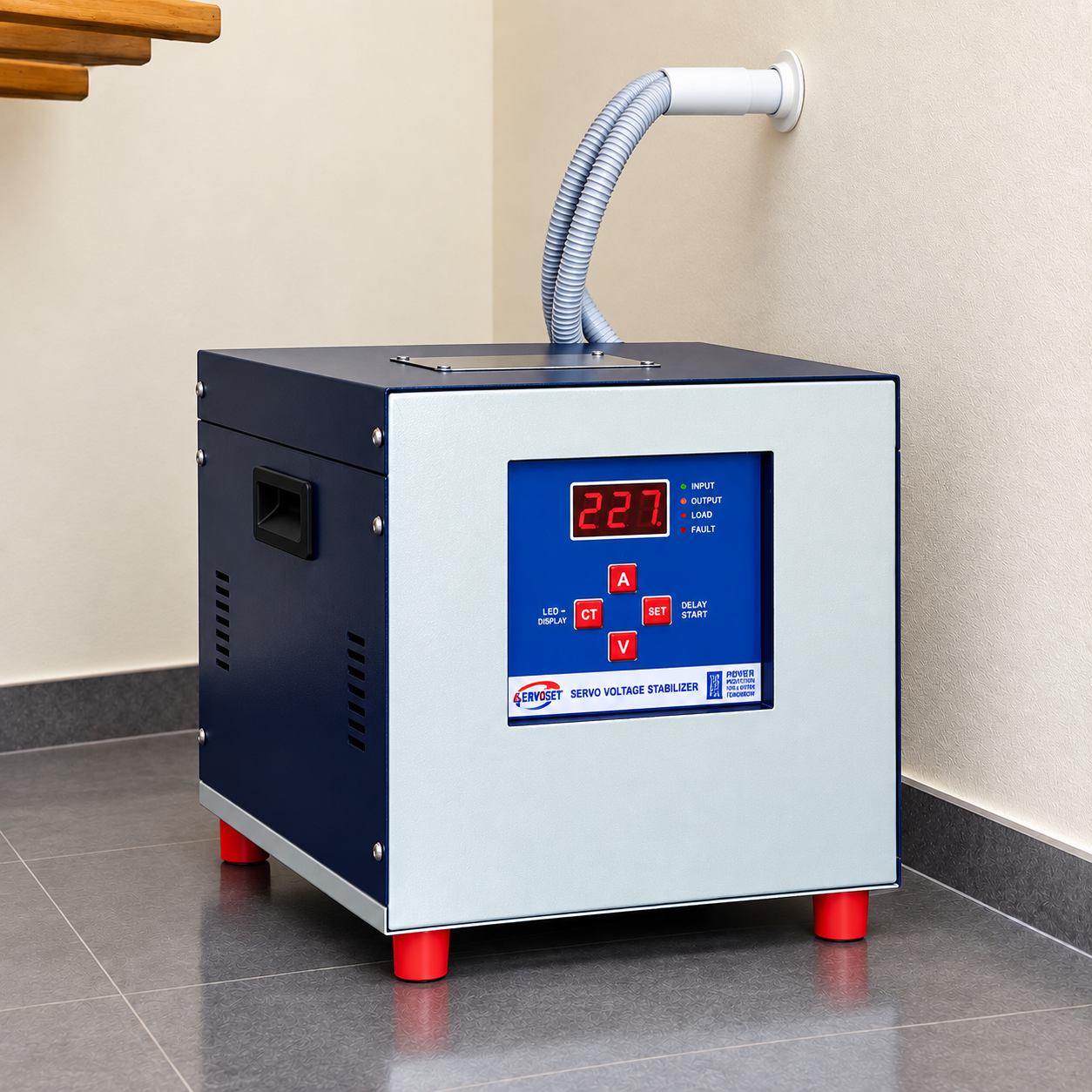
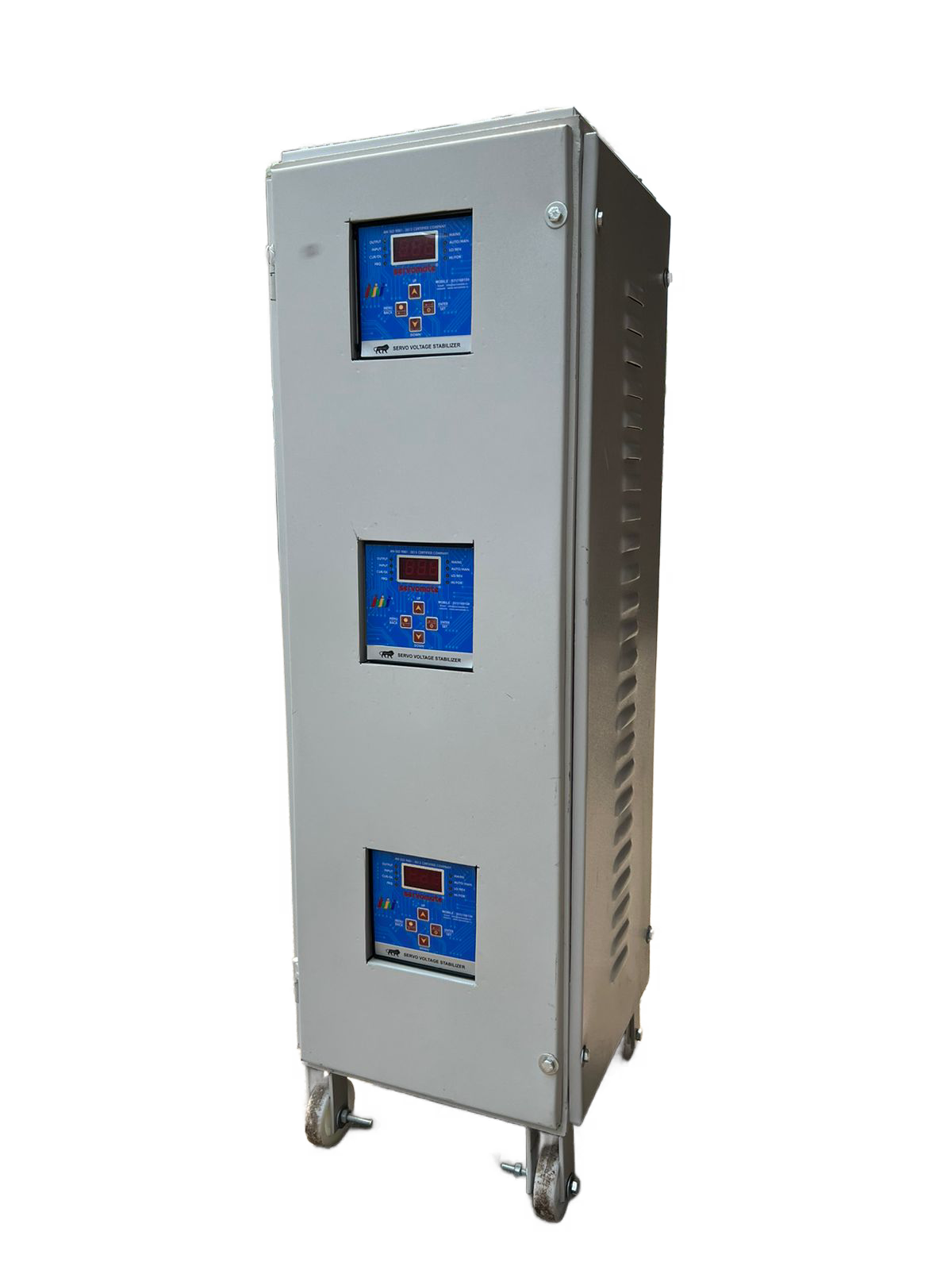
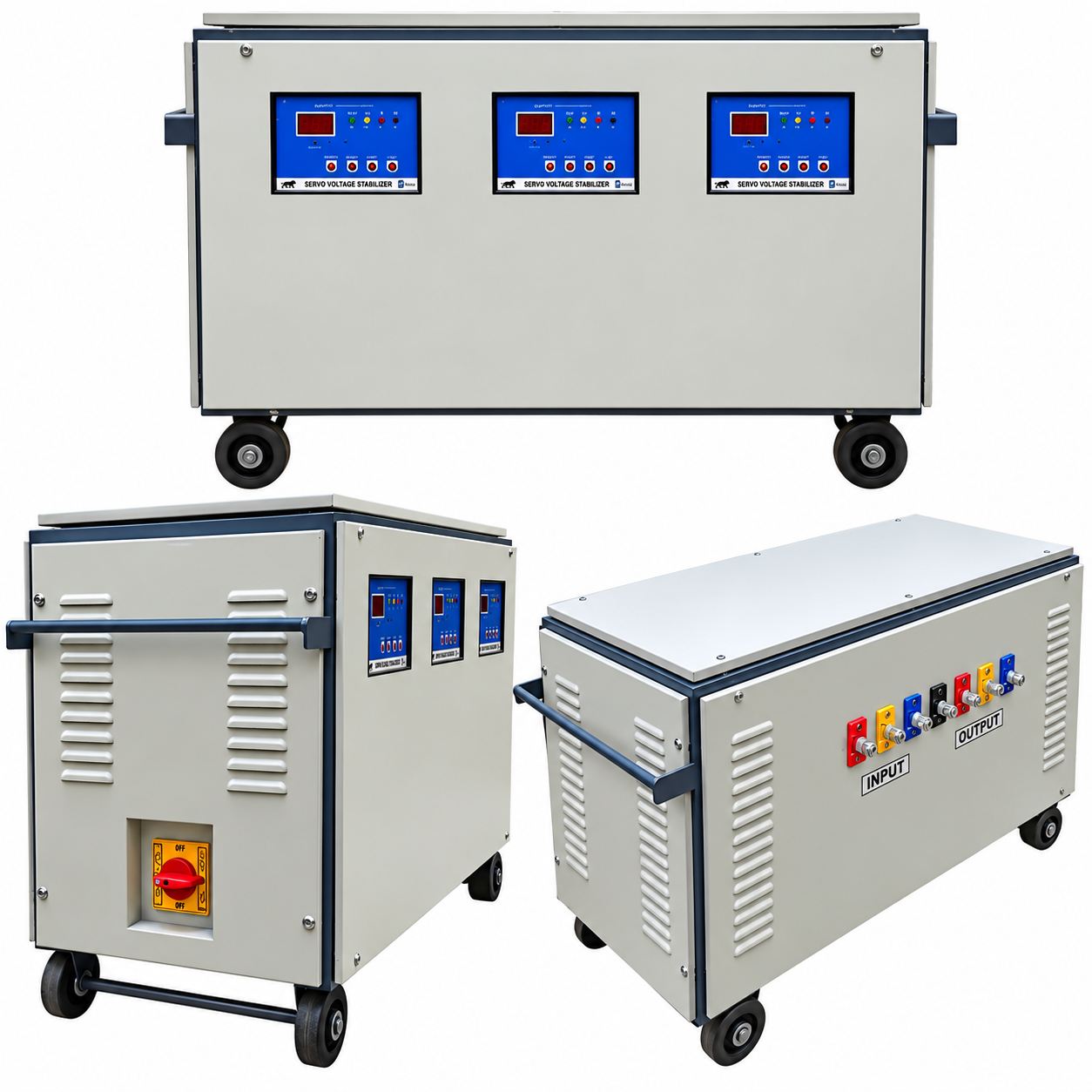
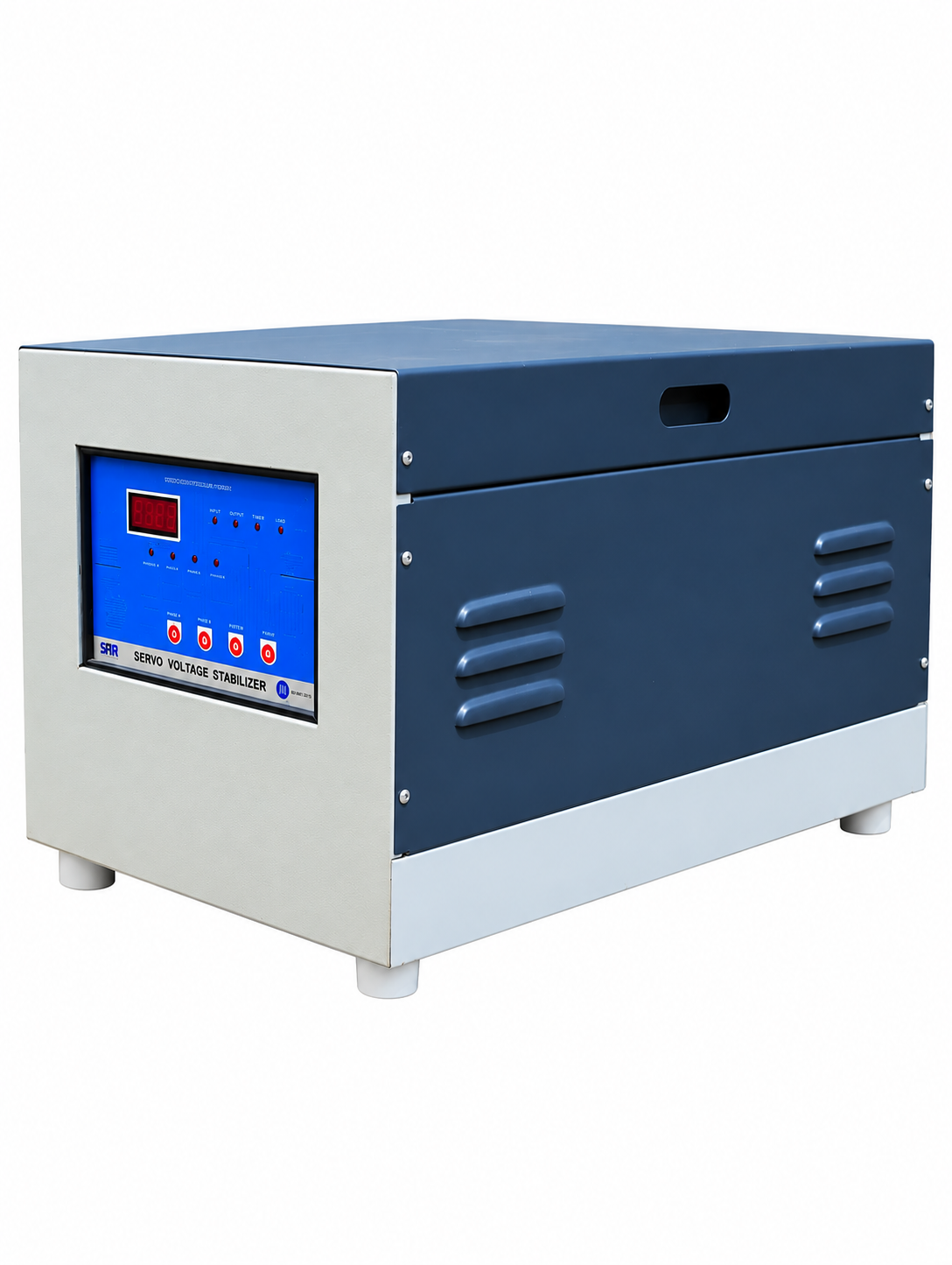
A single phase servo voltage stabilizer is an electrical device that automatically corrects input voltage variations to maintain a controlled output voltage, typically around 230V.
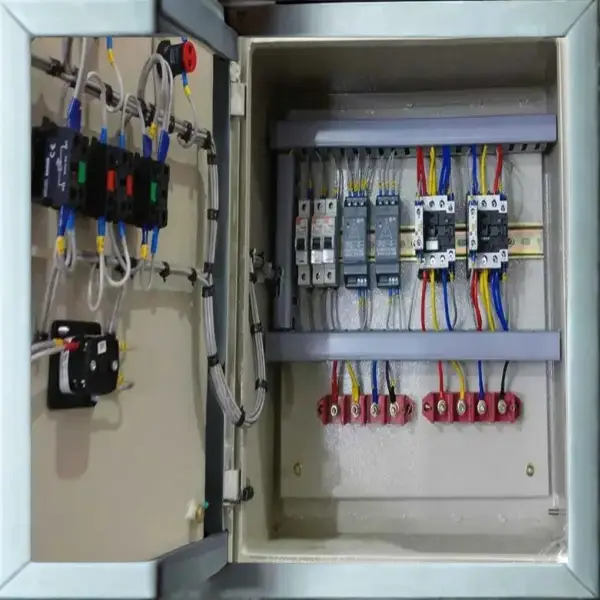
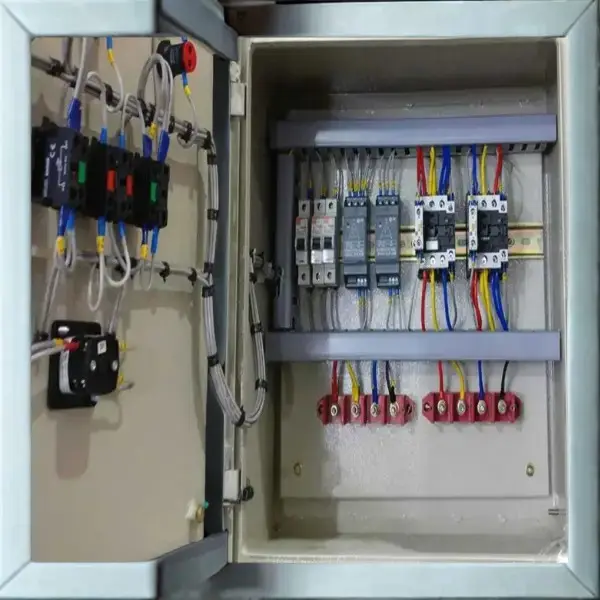
It uses a control circuit, servo motor, and autotransformer to adjust the output. When the input voltage changes, the control circuit detects the variation and activates the servo motor. The motor moves a carbon brush along the transformer winding to correct the voltage.
This mechanism allows smooth voltage regulation within the stabilizer's specified operating range.
Where Is a Single Phase Servo Stabilizer Used?
Single phase servo stabilizers are suitable for various applications where equipment requires regulated voltage.
1. Residential Applications
Homes often use air conditioners, refrigerators, washing machines, and other appliances containing motors or electronic components. A suitably rated stabilizer may help protect compatible equipment from voltage fluctuations.
2. Offices and Commercial Establishments
Computers, printers, billing systems, and other electronic devices are important for daily business operations. A suitable stabilizer can help maintain a consistent supply where voltage fluctuations are a recurring problem.
3. Small Industrial Units
Certain workshops use single phase machinery, packaging equipment, and specialised tools. A servo stabilizer may be useful when these machines require controlled voltage and operate within the stabilizer's rated capacity.
The correct model depends on the equipment specifications, connected load, and operating environment.
Important Features to Consider
Before purchasing a single phase servo voltage stabilizer, evaluate these essential features.
1. Input Voltage Range
The input voltage range indicates the minimum and maximum voltage at which the stabilizer is designed to operate. Select a model according to the voltage fluctuations at your location.
Also verify its output capacity when the input voltage drops, as some stabilizers deliver reduced capacity under low-voltage conditions.
2. Output Voltage Accuracy
Output accuracy determines how closely the stabilizer maintains its specified output voltage. Models offering approximately ±1% accuracy may suit applications requiring precise voltage regulation, depending on the equipment's requirements.
Always check the manufacturer's technical specifications.
3. Load Capacity
Choose a stabilizer with sufficient capacity for all equipment that may operate simultaneously. Consider power consumption, power factor, and the starting current of motors and compressors.
Correct sizing helps prevent overloading and supports reliable operation.
4. Protection Features
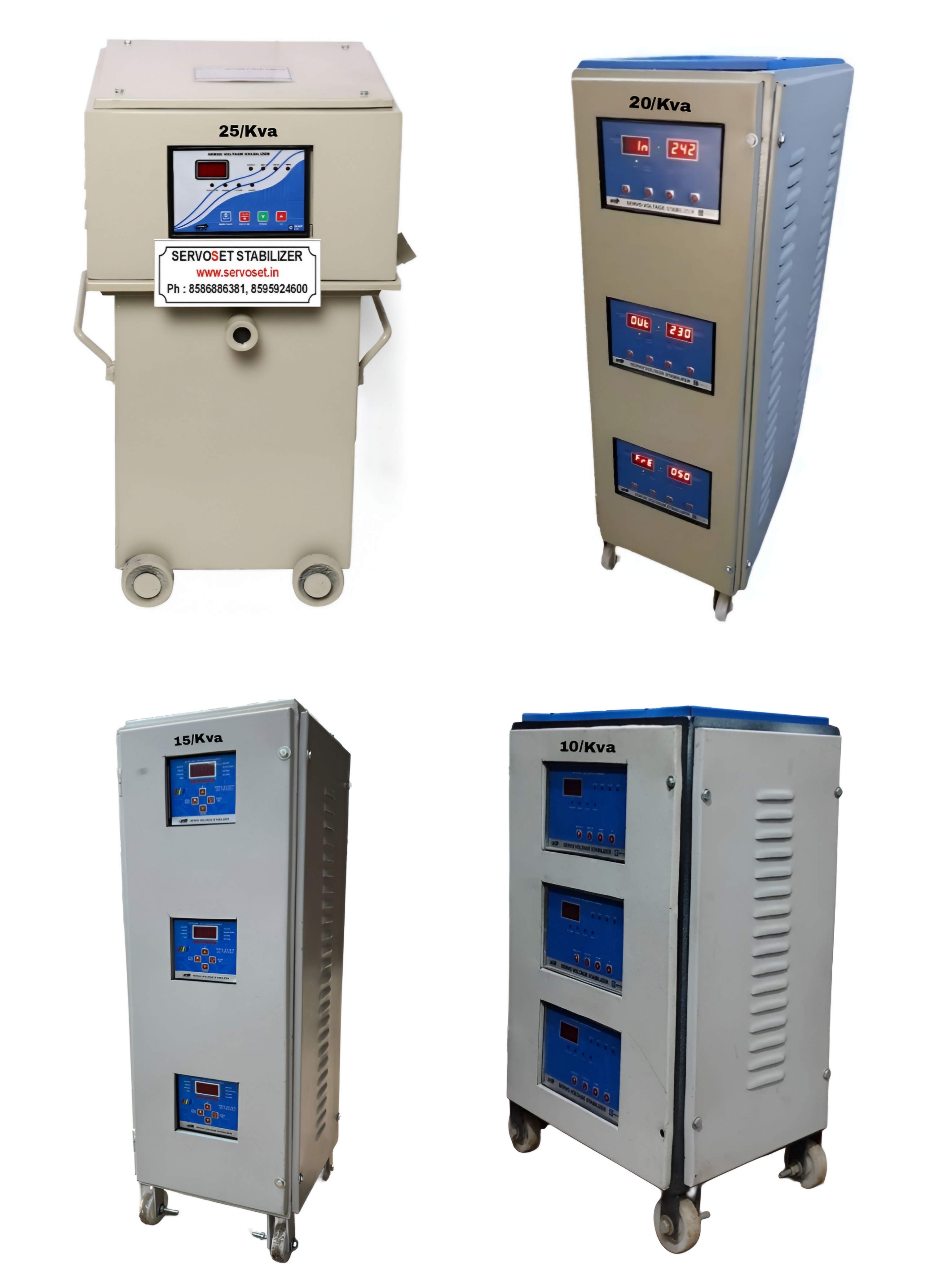
Depending on the model, useful features may include overload protection, overvoltage protection, undervoltage protection, short-circuit protection, and time-delay functionality.
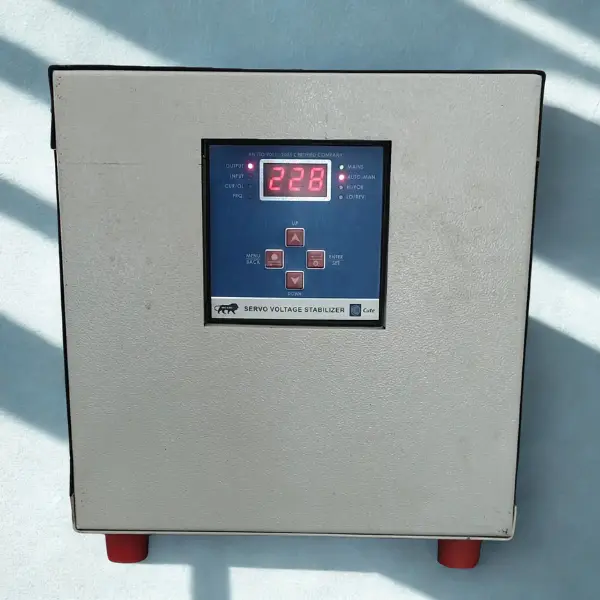
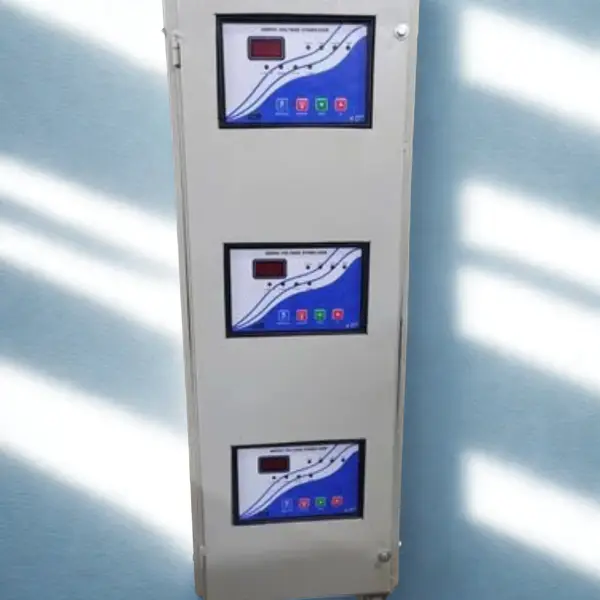
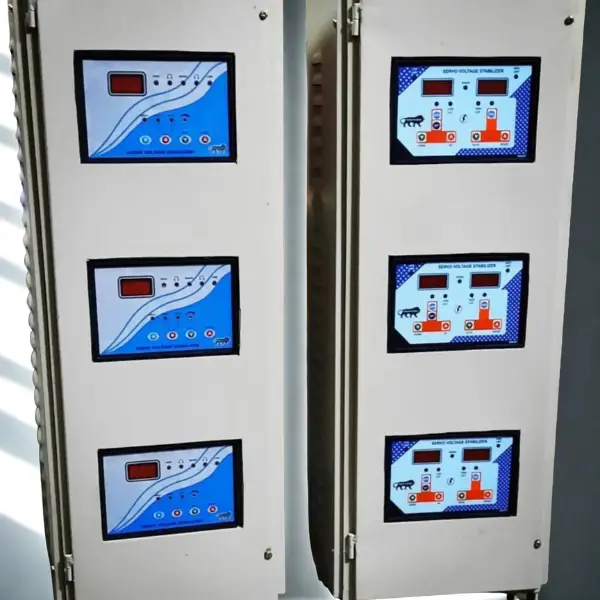
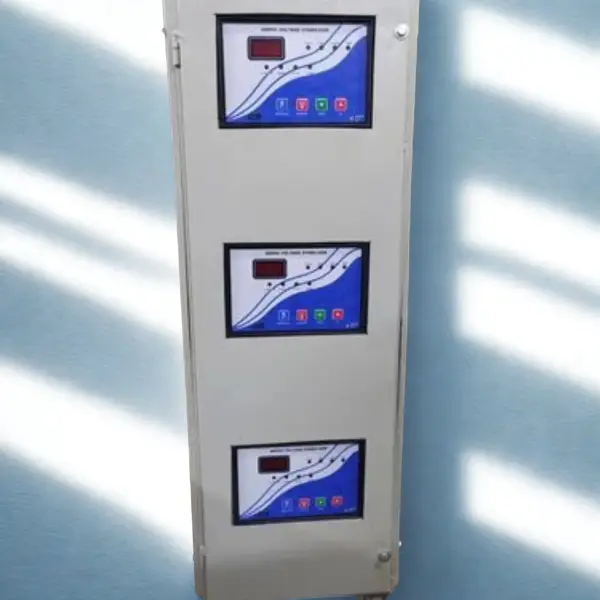
Digital displays can also make input and output voltage monitoring easier.
How to Select the Right Stabilizer Capacity
Start by listing the appliances or machines that will operate simultaneously. Calculate their combined load and consider any high starting current requirements.
For an initial estimate, apparent power in kVA can be calculated by dividing total power in watts by the power factor and then by 1,000.
For example, a 4,000W load at a power factor of 0.8 requires approximately 5 kVA before additional capacity is considered.
The final selection should also account for starting current, input voltage conditions, and the manufacturer's recommendations. Consult a qualified electrical professional when necessary.
Air-Cooled vs Oil-Cooled Models
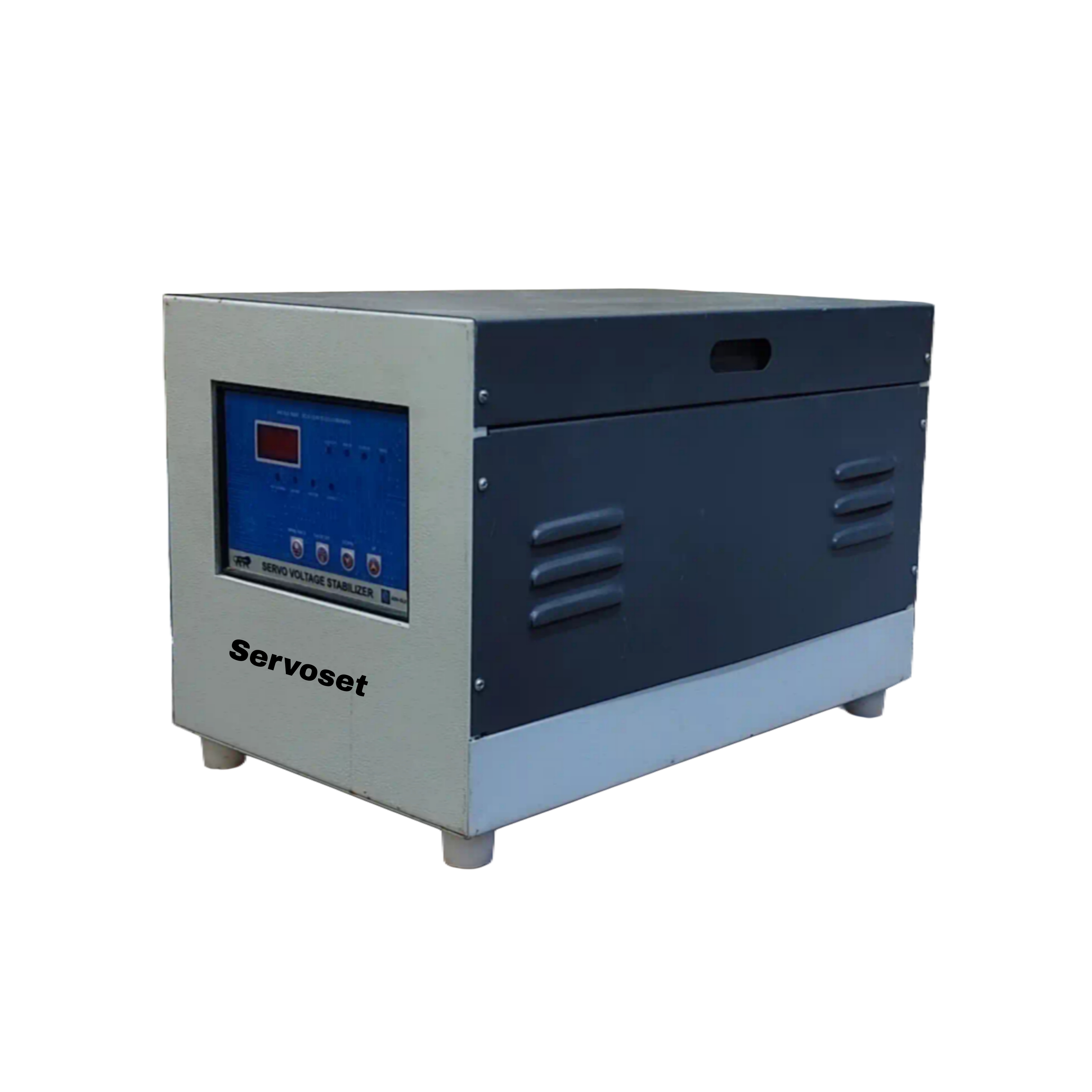
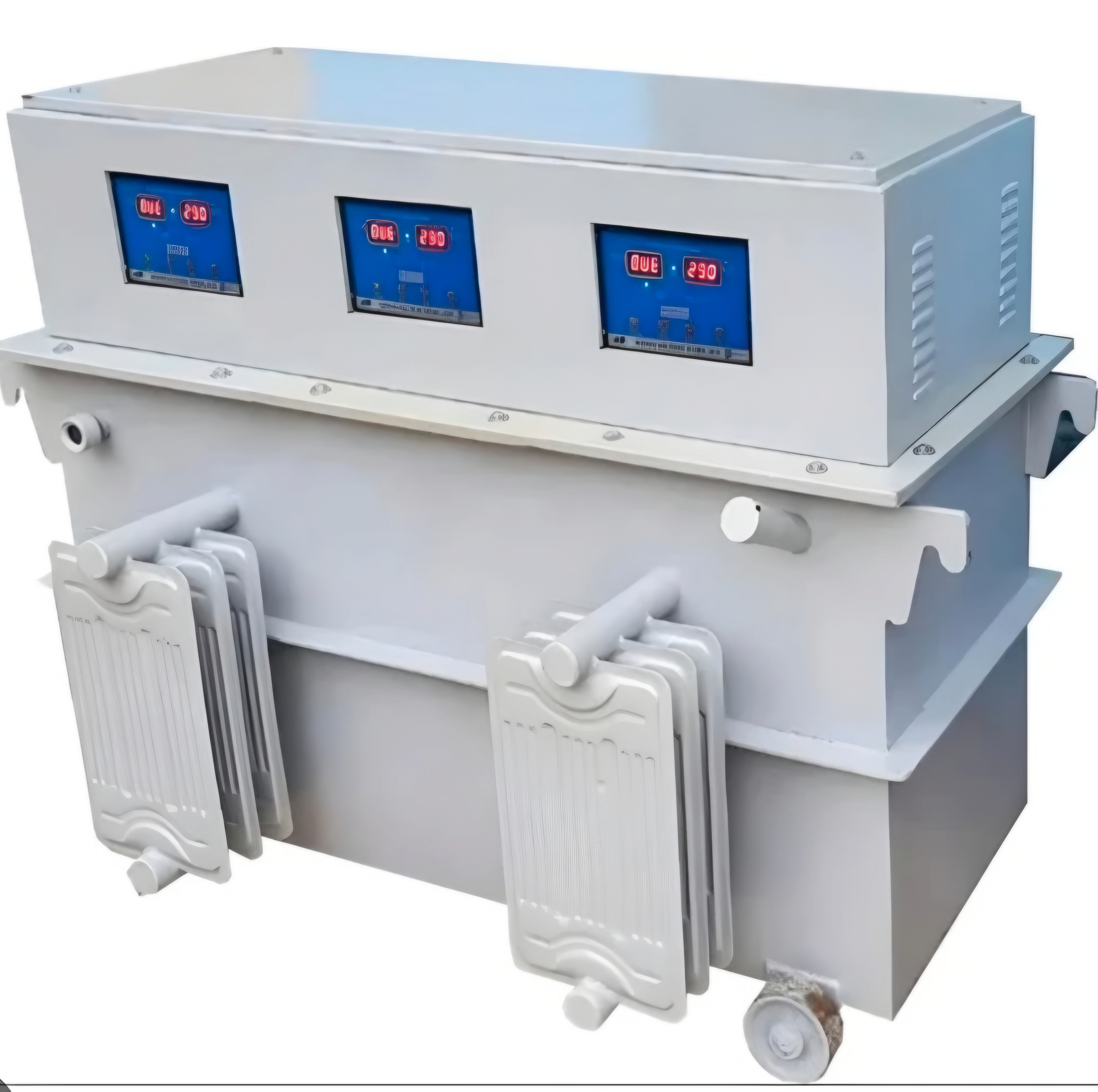
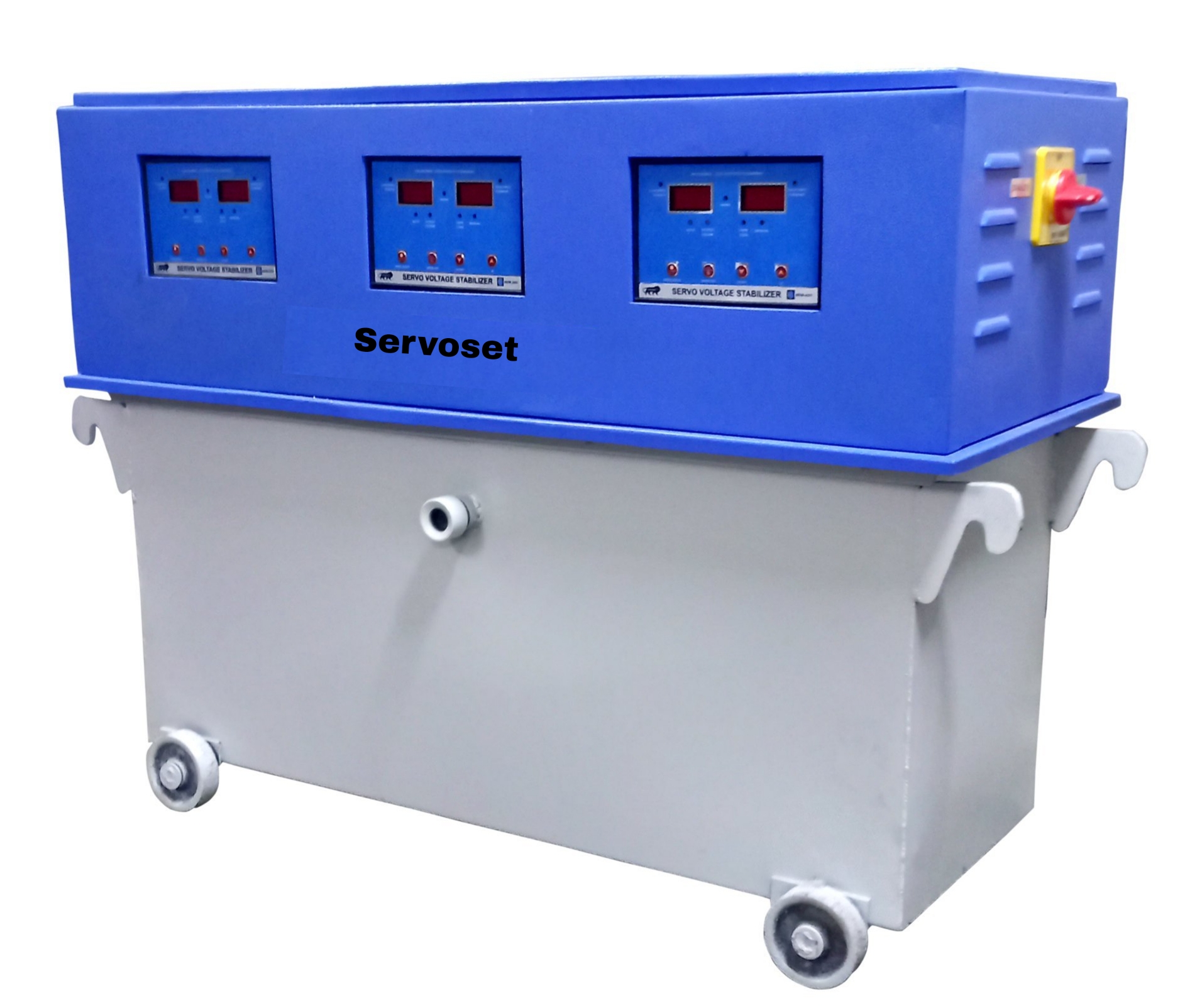
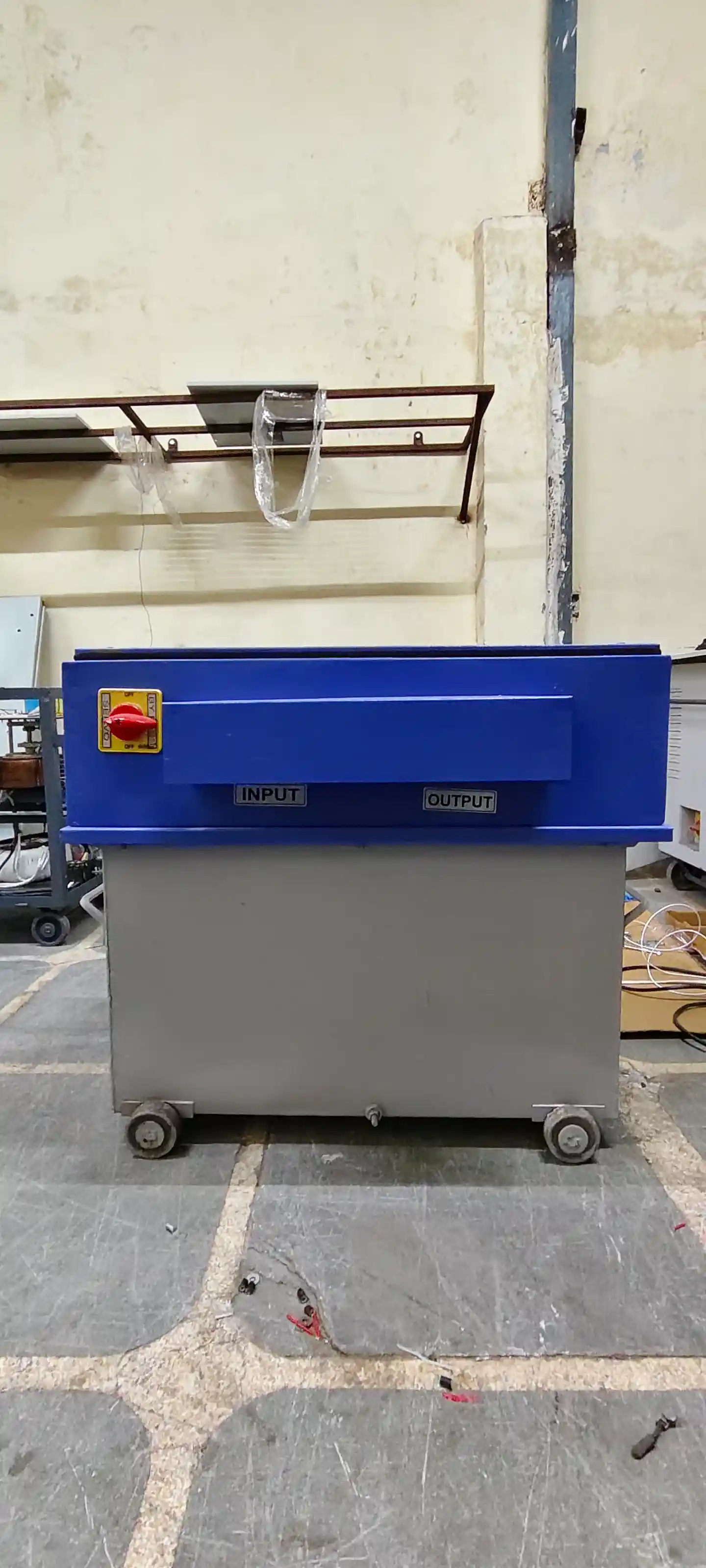
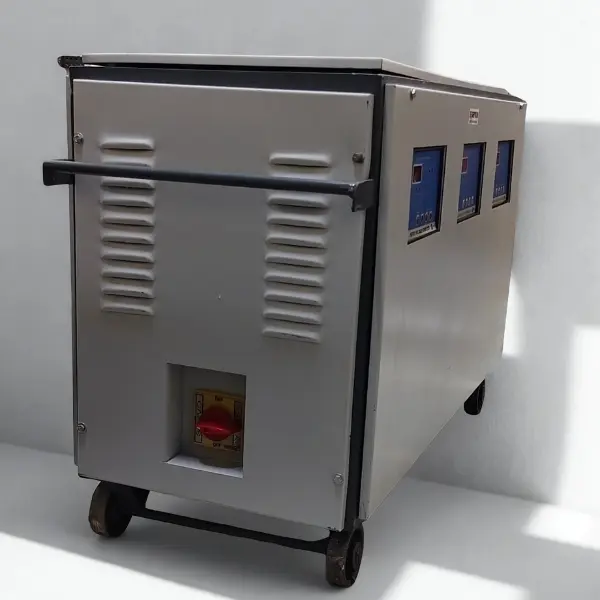
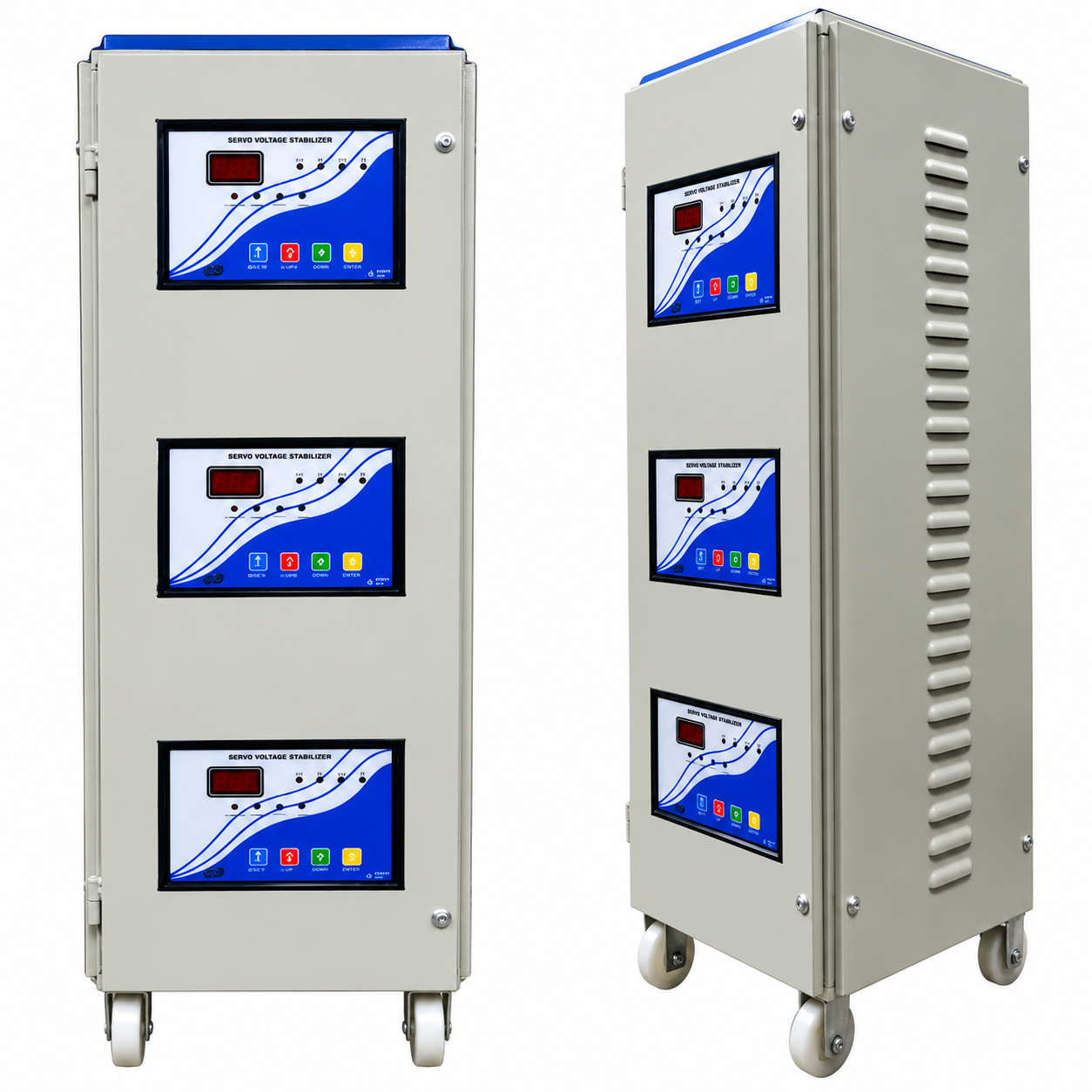
Air-cooled stabilizers may be suitable for smaller loads and many indoor installations. They are generally compact and relatively easy to maintain.
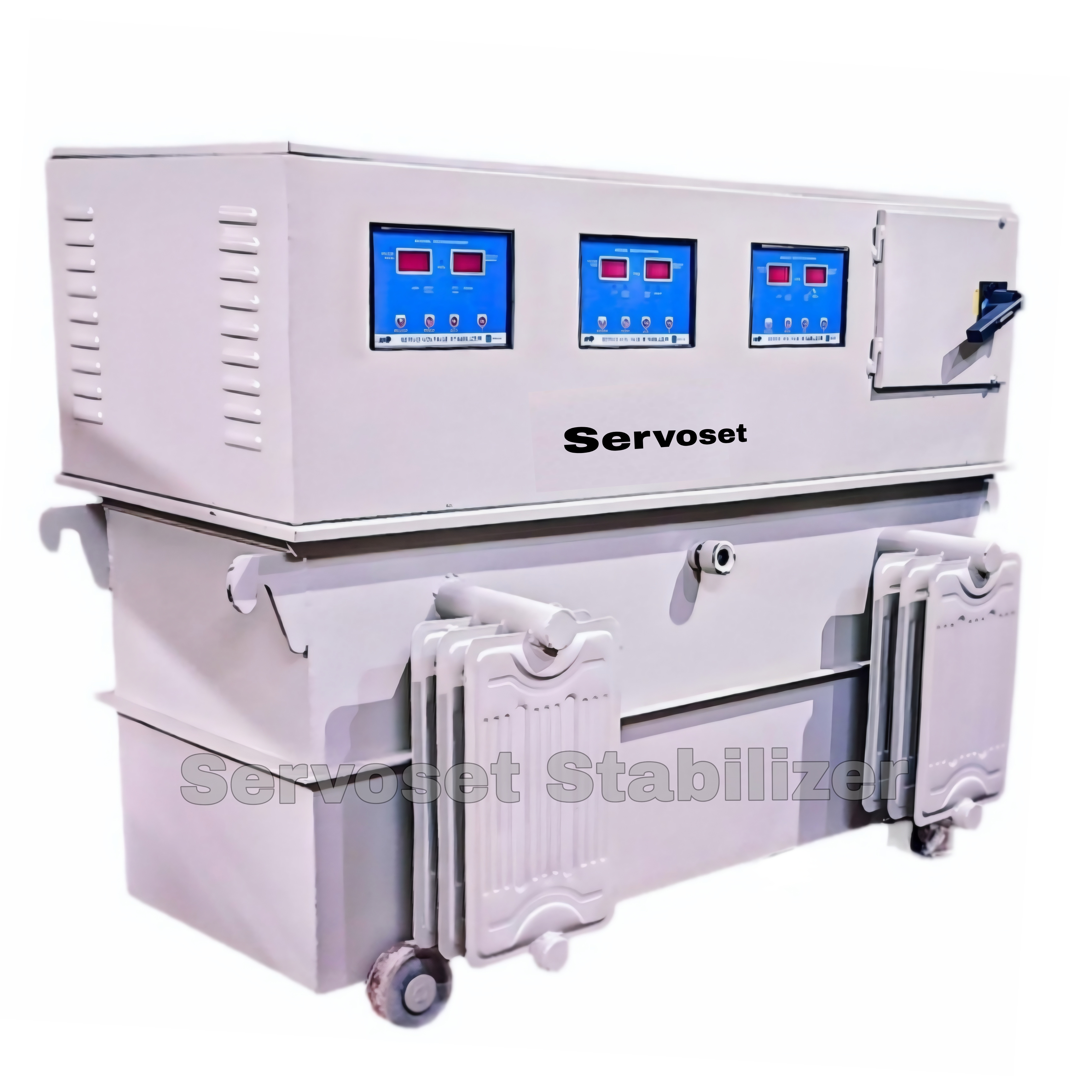
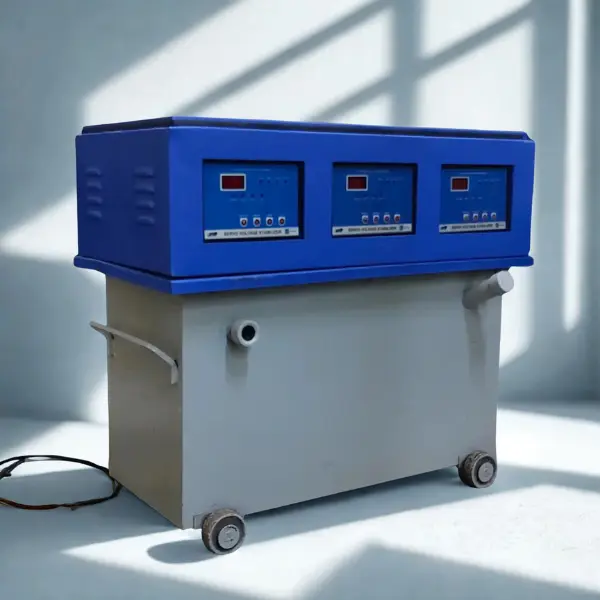
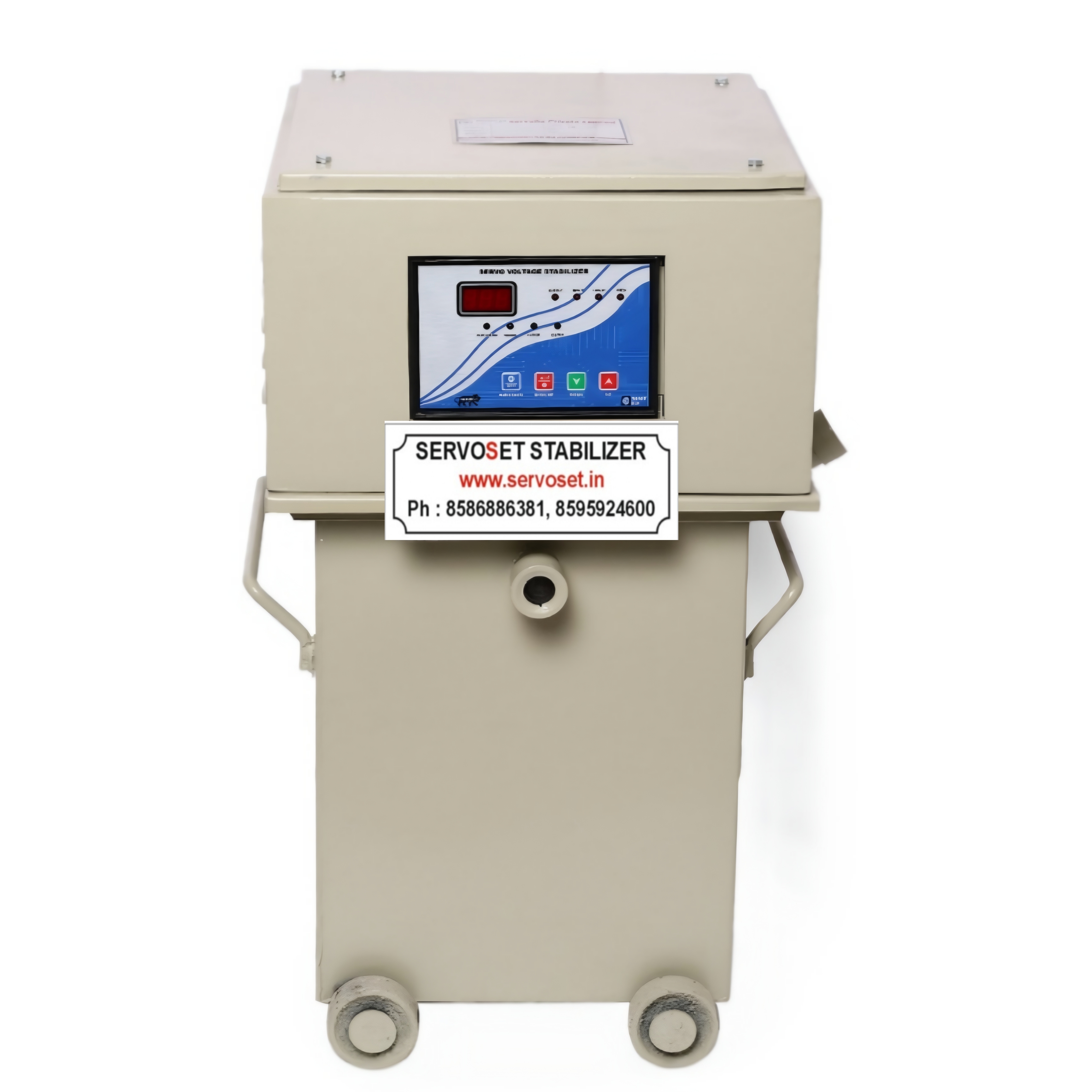
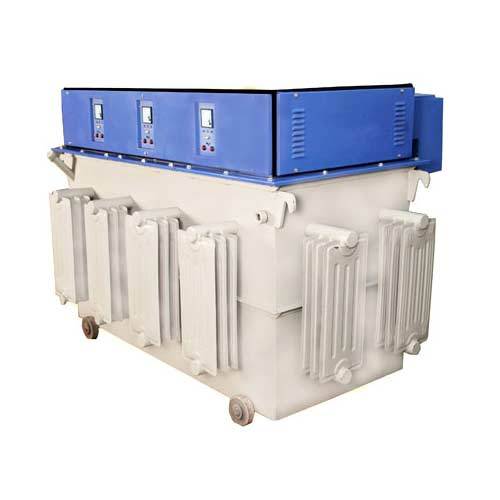
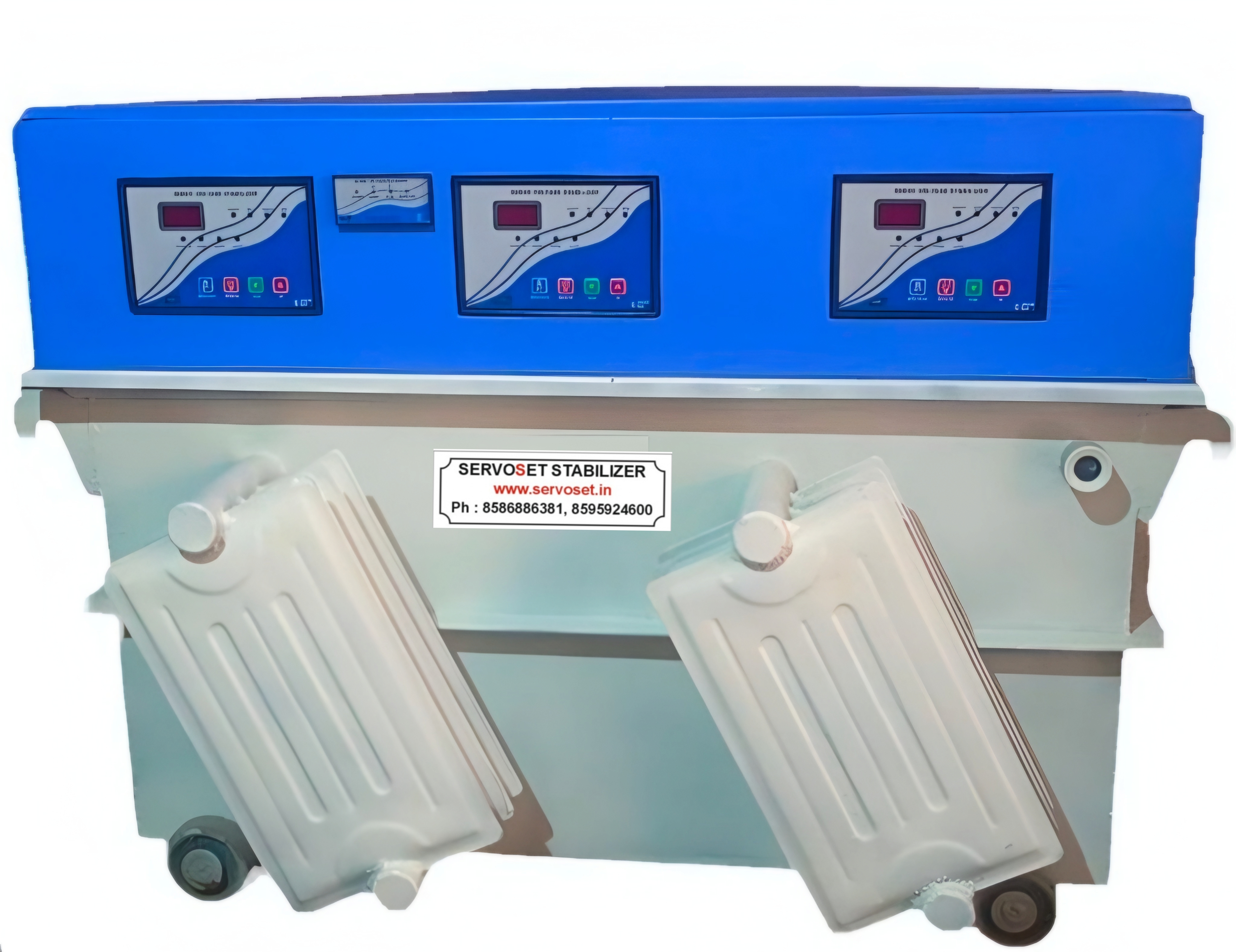
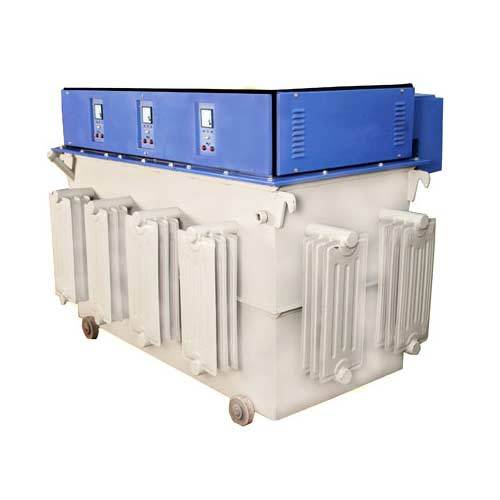
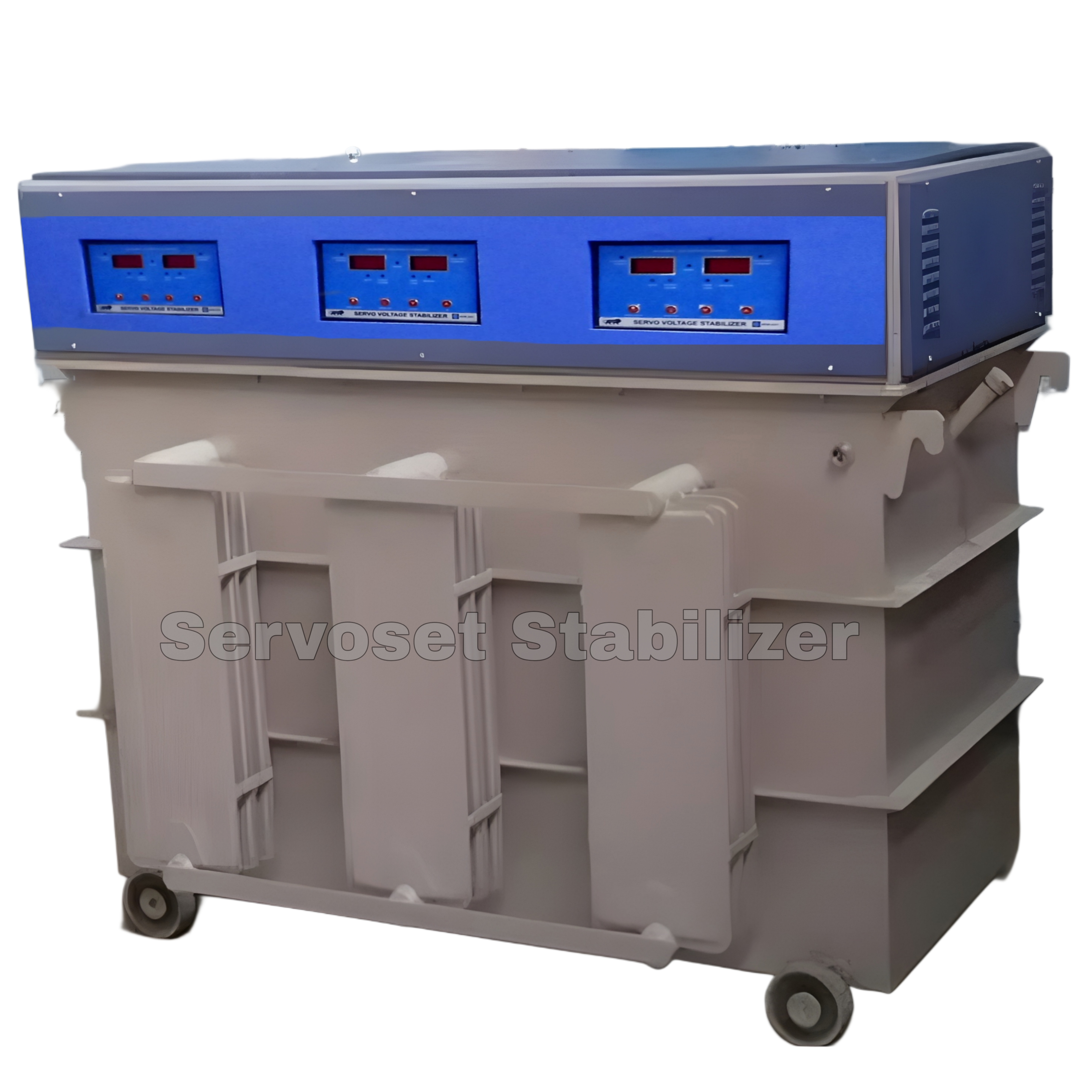
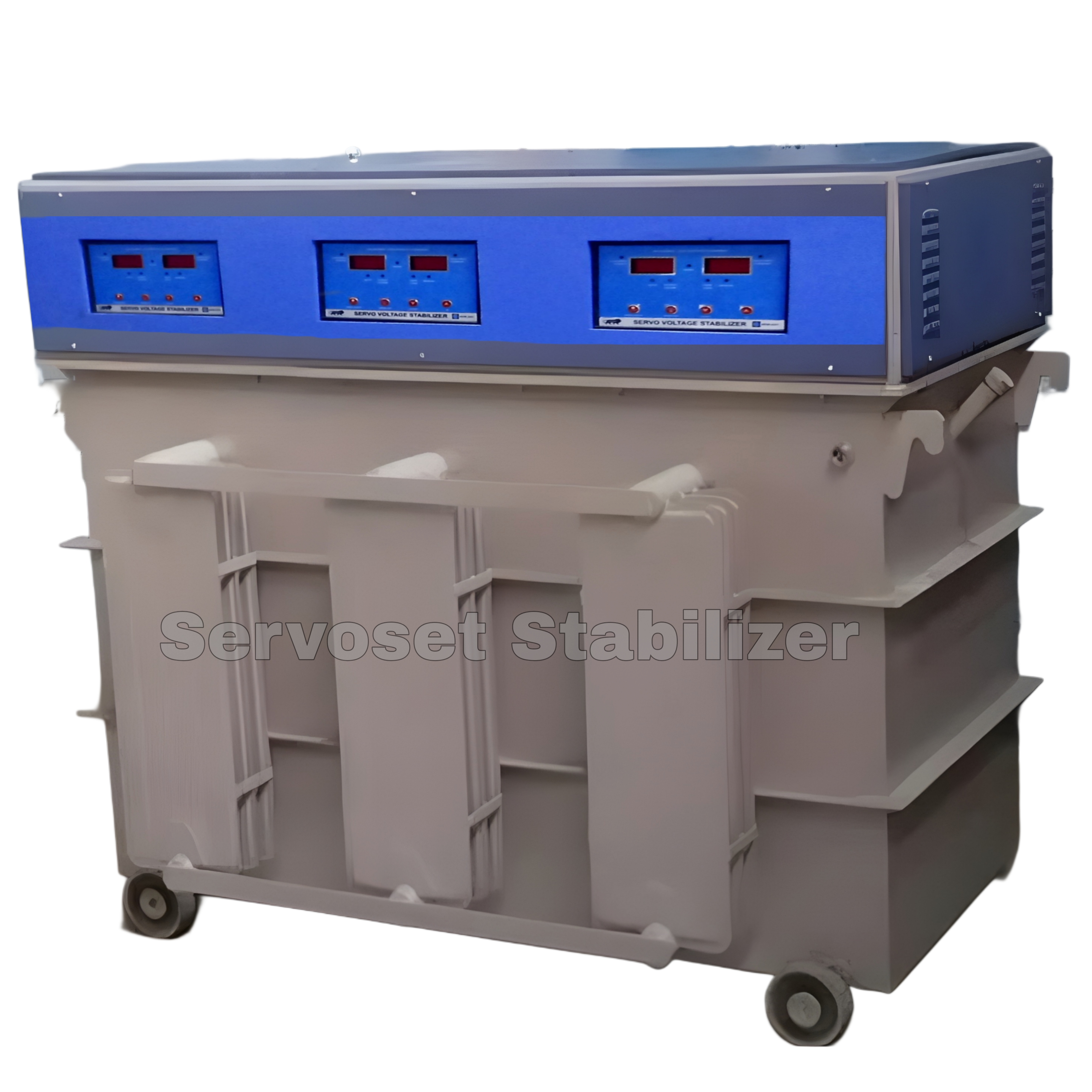
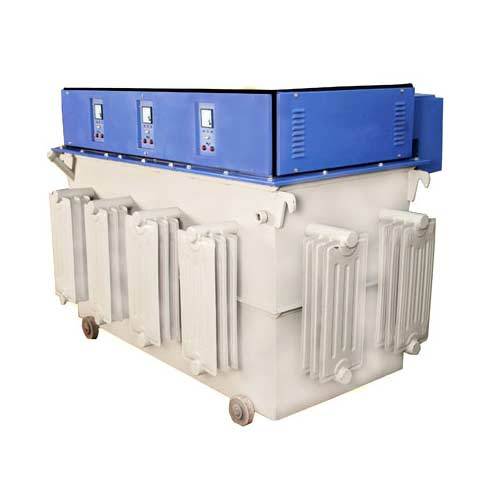
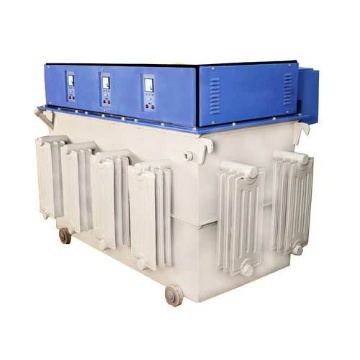
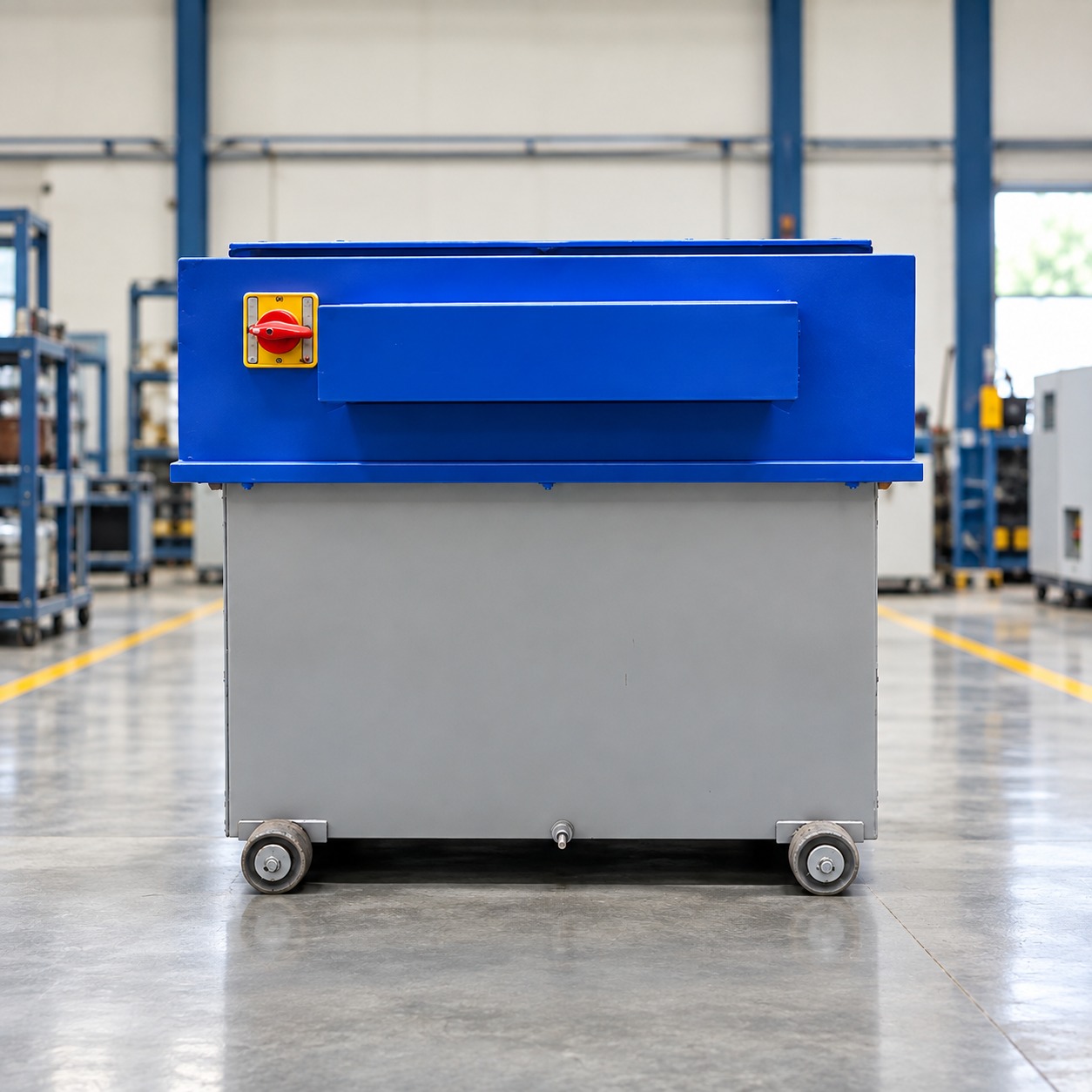
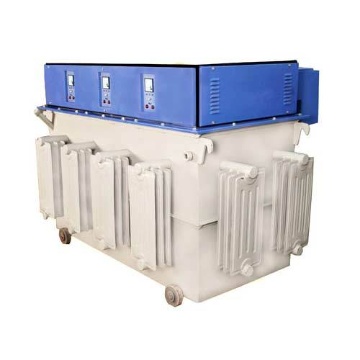
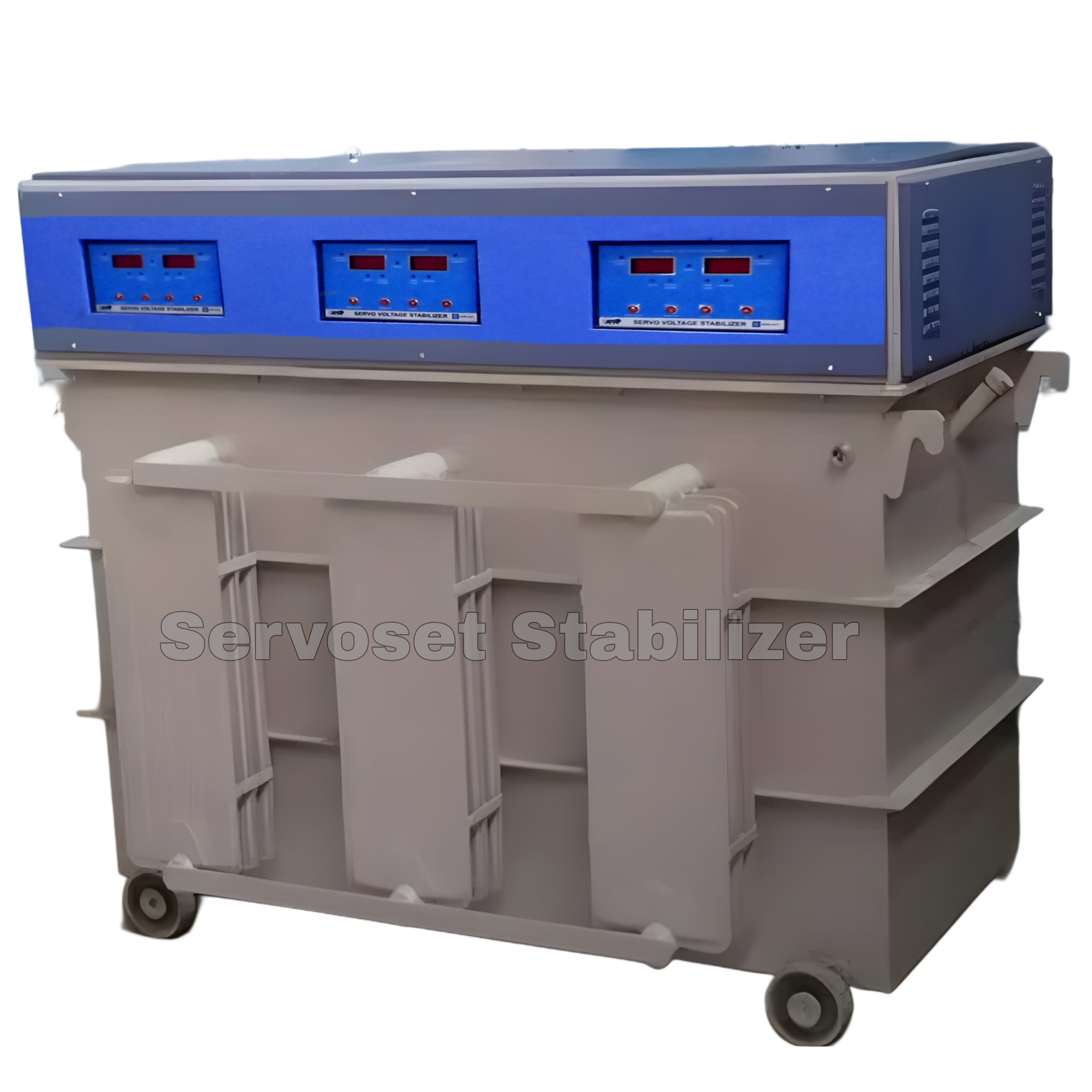
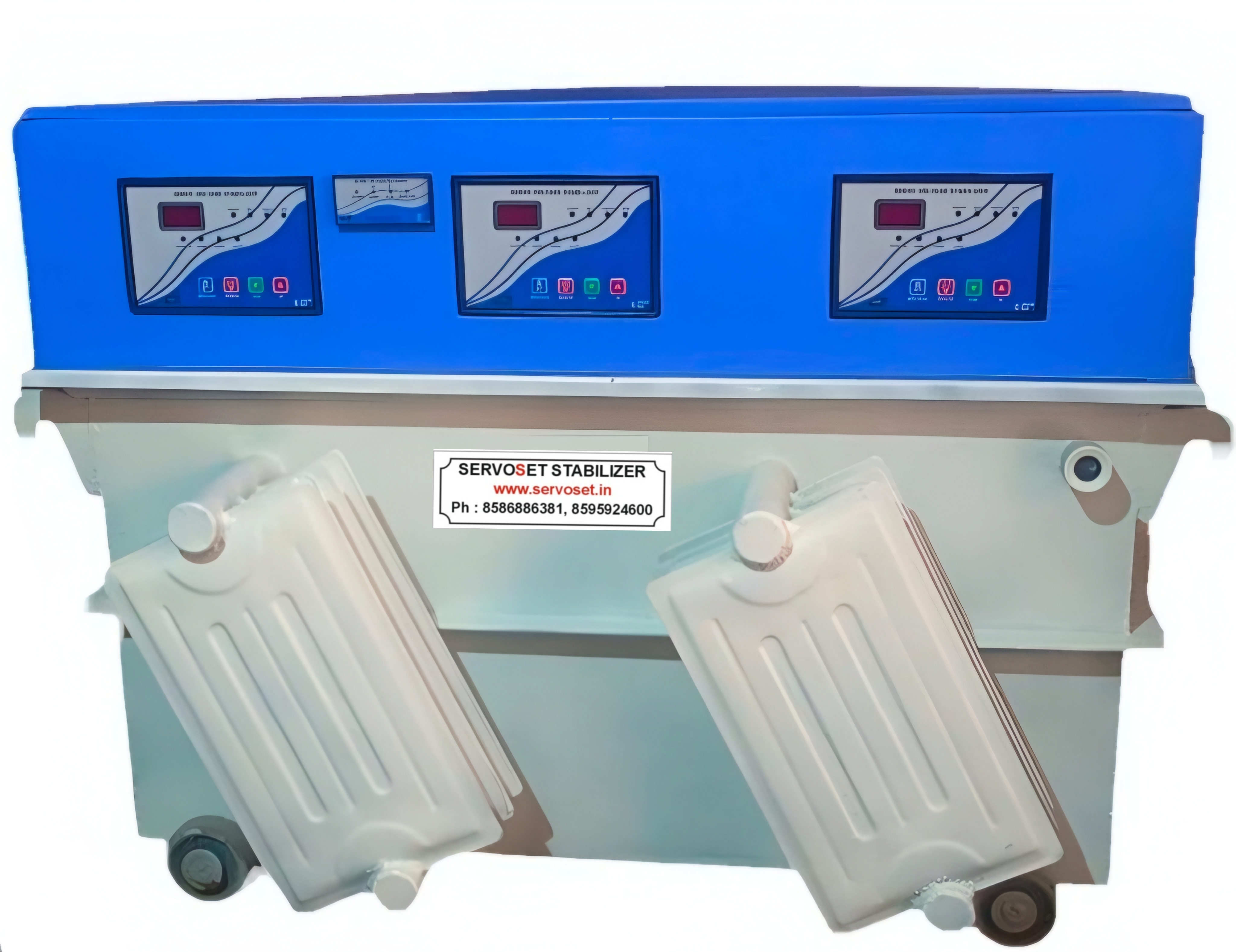
Oil-cooled stabilizers may be appropriate for certain higher-load or extended-duty applications, depending on their design and ratings.
Consider the operating environment, installation space, cooling requirements, and maintenance needs before choosing between them.
Installation and Maintenance Tips
Correct installation is essential for reliable stabilizer performance.
- Install the unit in a clean, dry, and adequately ventilated location.
- Ensure proper wiring, earthing, and circuit protection.
- Keep the stabilizer within its rated load capacity.
- Arrange periodic inspection of the carbon brush and transformer winding.
- Check for loose connections, unusual noise, or overheating.
- Follow the manufacturer's recommended servicing schedule.
Maintenance and electrical inspections should be carried out by qualified technicians using appropriate safety procedures.
Why Choose SERVOSET?
Choosing a stabilizer involves more than comparing prices. The input voltage range, load capacity, output accuracy, and application requirements must all be considered.
SERVOSET manufactures and supplies servo voltage stabilizers for residential, commercial, and industrial applications.
By sharing your connected load, voltage conditions, and operating requirements, you can seek guidance on selecting a suitable single phase servo voltage stabilizer.
Frequently Asked Questions
1. What Is a Single Phase Servo Voltage Stabilizer?
It is an automatic electrical device that regulates fluctuating input voltage using a servo motor and autotransformer.
2. Can It Be Used for Commercial Equipment?
Yes. It can be suitable for compatible single phase equipment in offices, shops, and commercial establishments when correctly rated.
3. How Do I Choose the Right Capacity?
Calculate the connected load and account for power factor, motor starting current, and input voltage conditions before selecting a model.
4. Does a Servo Stabilizer Require Maintenance?
Yes. Periodic inspection and servicing help maintain reliable performance and identify component wear.
Conclusion
A single phase servo voltage stabilizer can help regulate voltage fluctuations in homes, offices, shops, and compatible industrial applications. Selecting the right model requires careful consideration of input voltage range, output accuracy, load capacity, protection features, and installation conditions.