Introduction
Voltage fluctuation rarely announces itself with a dramatic failure. More often, it shows up as small, repeated problems: a machine that trips now and then, a motor that runs hot, a controller that resets without reason. Because each problem looks minor on its own, many plants treat them as normal wear and tear and keep paying for repairs, replacements and lost production. In reality, unstable voltage is often the common cause behind all of them.
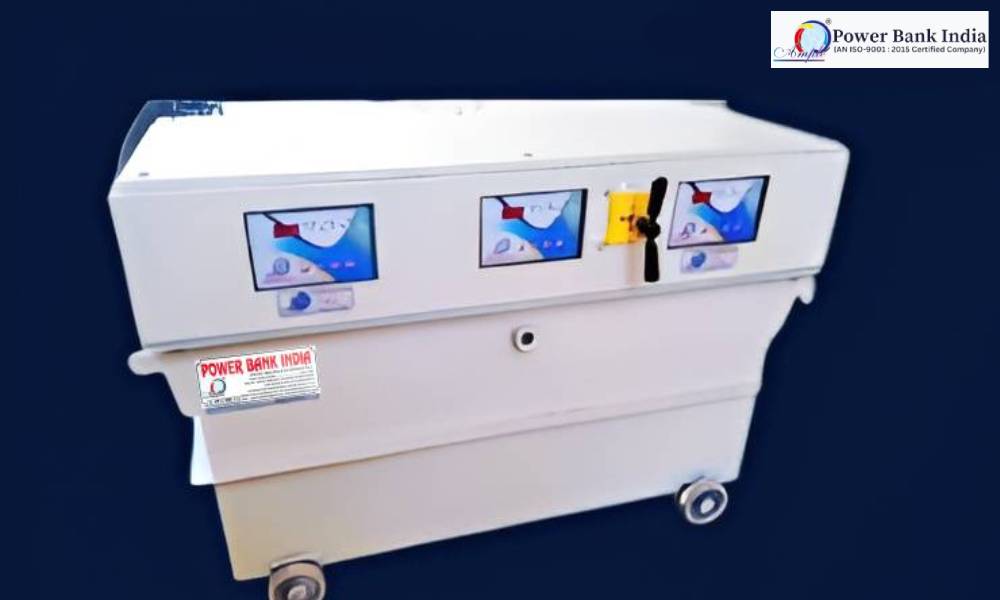
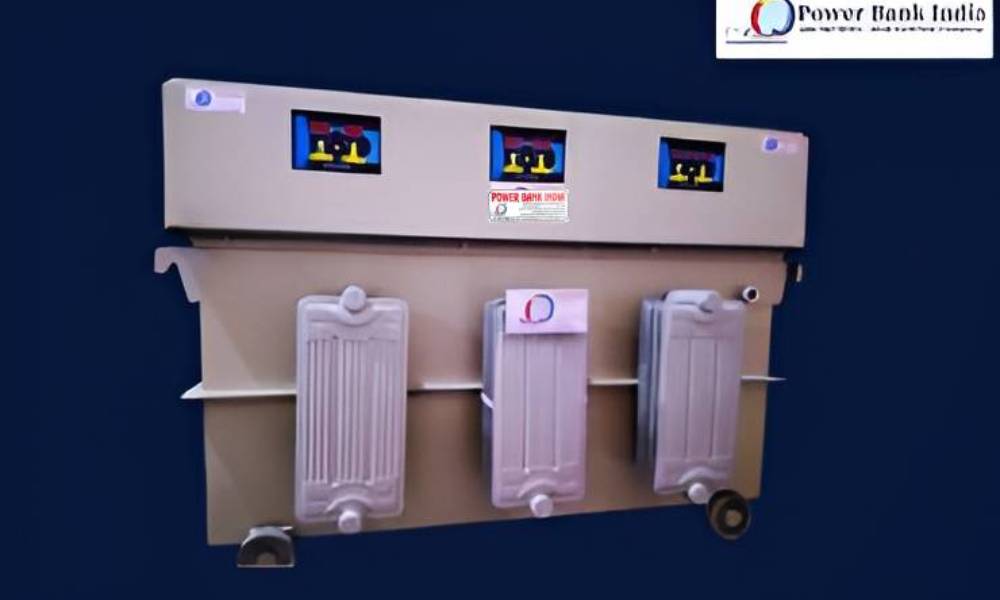
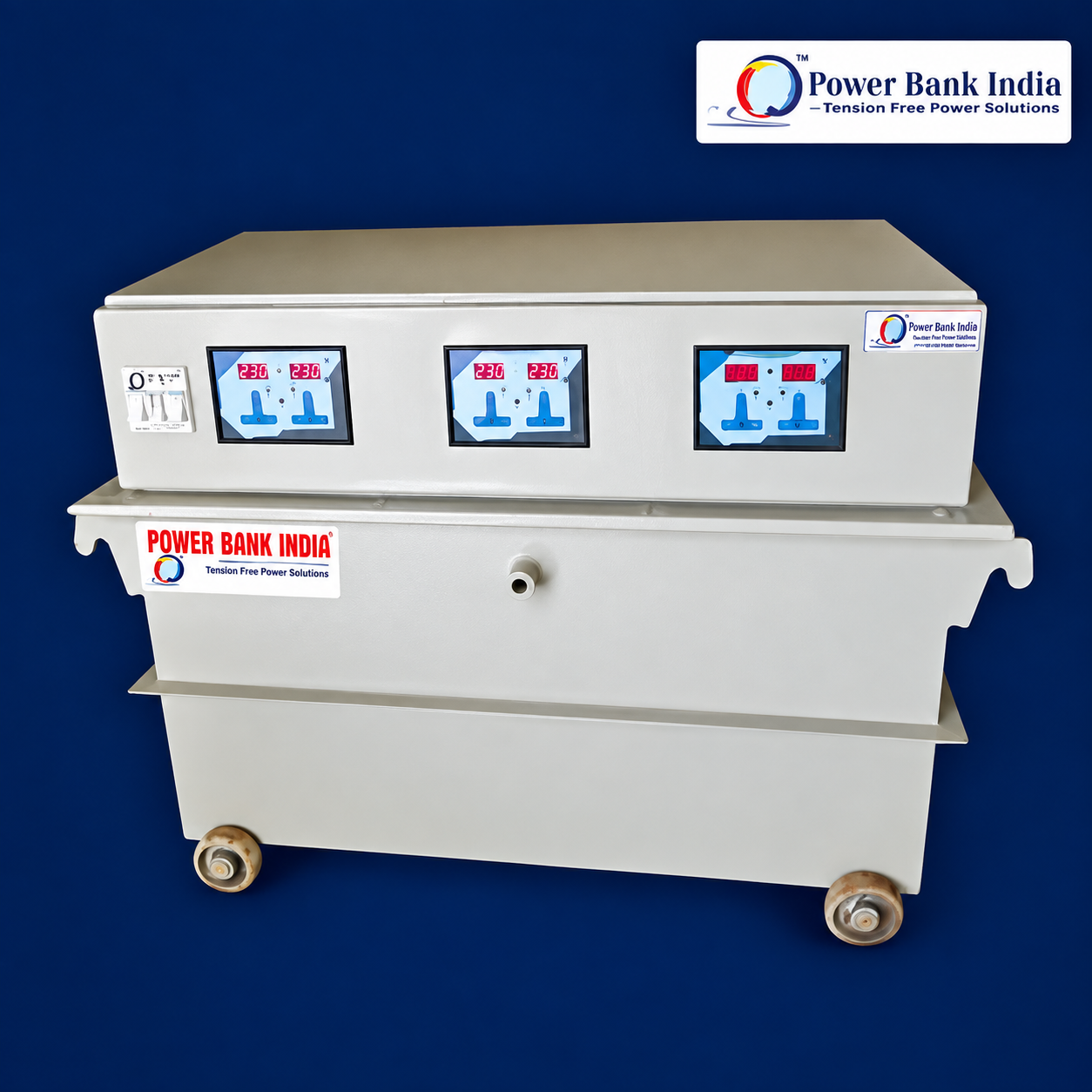
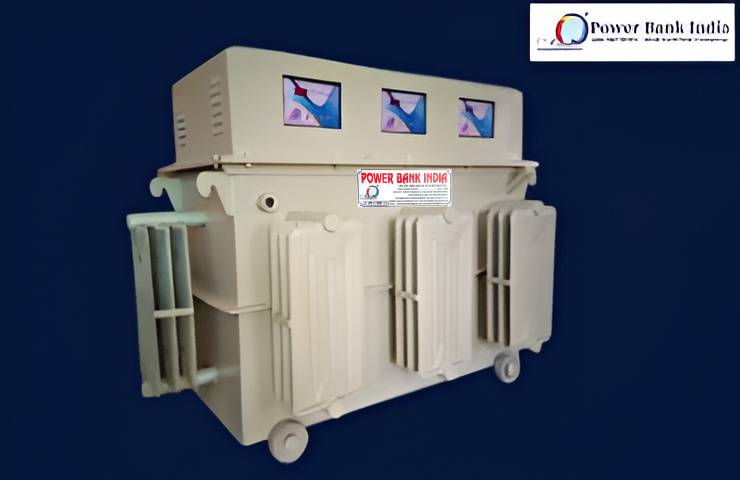
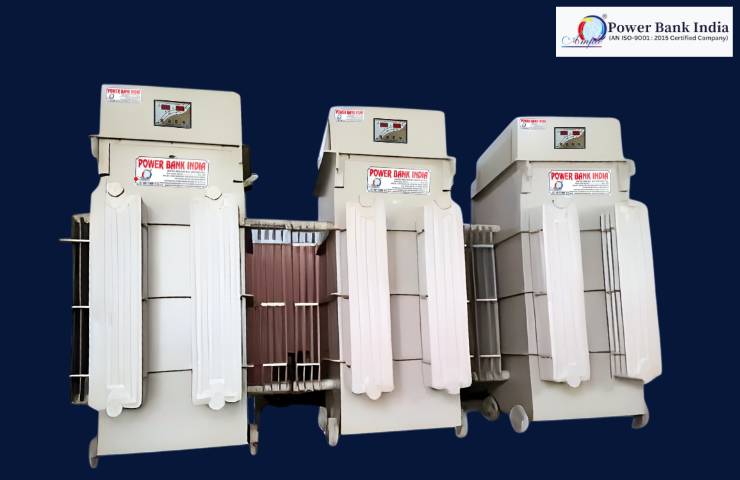
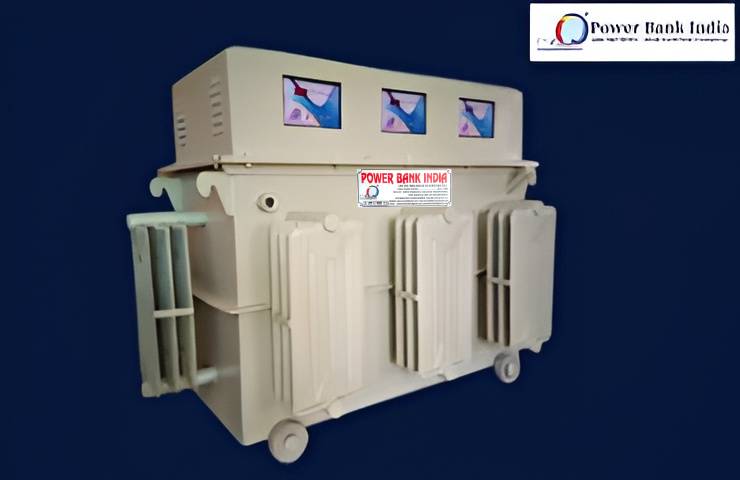
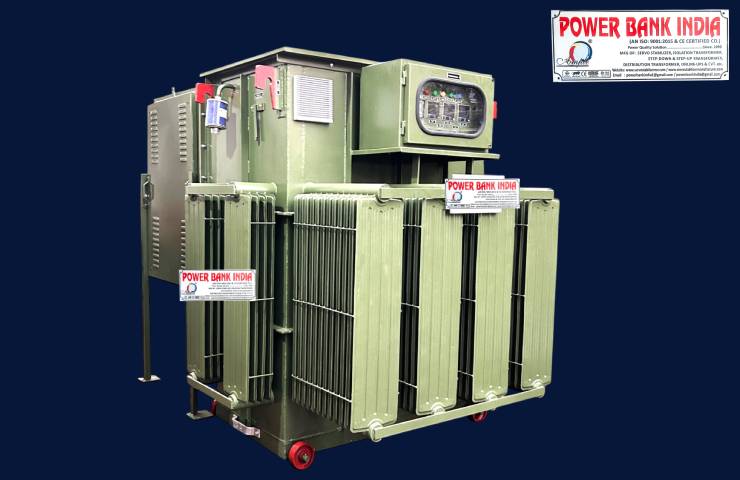
A servo stabilizer is designed to correct this. It continuously monitors the incoming supply and adjusts it to a steady output, using a servo motor and a buck-boost transformer, so your machines receive the voltage they were built to run on. The question for most plant managers is not what a servo stabilizer does, but whether their plant actually needs one. The seven signs below will help you decide.
This guide covers:
- Seven clear signs that your plant is suffering from voltage problems
- Why these problems happen and what they cost you
- How to confirm the problem before you buy
- What to check when choosing a servo stabilizer
Sign 1: Machines Trip or Shut Down Without a Clear Reason
If your machines stop unexpectedly, and the fault disappears after a restart, low or high voltage is a prime suspect. Most industrial machines have built-in protection that cuts power when the supply goes outside a safe range. When voltage keeps dipping or rising beyond that range, the machine trips again and again. Each stoppage interrupts production, wastes material in half-finished jobs and forces the team to restart and recalibrate. A servo stabilizer keeps the voltage within the safe window, so the protection no longer needs to step in.
Sign 2: Motors Run Hot or Burn Out Early
Motors are especially sensitive to voltage. When the supply is low, motors draw more current to deliver the same power, which causes extra heat, and when this continues over time, insulation breaks down and windings burn out. High voltage can also stress the insulation and shorten motor life. If you are rewinding or replacing motors more often than expected, or you notice motors running much hotter than usual, unstable voltage is likely a factor.
Sign 3: Lights Flicker or Dim When Heavy Loads Start
When a large motor, compressor or furnace starts, it pulls a heavy current and can drag the voltage down for a moment. If the lights in your plant flicker or dim at those moments, it shows that the supply cannot hold steady under load. The same dip that you can see in the lights is also reaching your machines, even if it does not always cause an immediate fault. Over time, repeated dips add stress to equipment.
Sign 4: Controllers, Drives and PLCs Reset or Fail
Electronic equipment such as PLCs, variable frequency drives, control panels and circuit boards depends on clean, stable voltage. Sudden dips and surges can cause random resets, communication errors, false alarms and component failure. If you see unexplained error codes, or the same boards and drives keep failing, the cause may not be the equipment itself but the power feeding it. Replacing the part without fixing the supply usually means the problem returns.
Sign 5: Product Quality Is Inconsistent
Precision machines such as CNC machines, laser cutters, injection moulding machines and testing equipment need steady power to perform consistently. When voltage swings, motor speeds, heating and cutting performance can vary, which leads to uneven finish, dimensional errors and higher rejection rates. If quality varies from shift to shift without any change in material or operator, check the voltage before blaming anything else.
Sign 6: Compressors, Chillers and Air Conditioners Keep Tripping
Compressors and cooling equipment are among the most voltage-sensitive loads in a plant, because they need a strong starting current. Low voltage makes it hard for them to start and run, and they may trip on overload or fail early. If your compressors, chillers or air conditioners often trip or struggle to start, especially at peak hours, a stabilizer sized for the load can protect them and cut breakdowns.
Sign 7: Repair Bills and Energy Costs Keep Climbing
Unstable voltage is expensive in ways that are easy to miss. Equipment running under low voltage can draw more current and waste energy, while frequent failures add repair, replacement and downtime costs. If your maintenance budget keeps growing and the same equipment keeps needing attention, add up what voltage-related problems are costing you over a year. For many plants, the cost of repeated damage is higher than the cost of a properly sized servo stabilizer.
Why Does the Voltage Fluctuate in the First Place?
- Overloaded supply lines or transformers: When many users share the same supply, voltage drops during peak demand.
- Heavy loads starting inside the plant: Large motors and compressors cause sudden dips as they start.
- Long cable runs: Voltage drops over distance, especially under heavy load.
- Seasonal demand: Summer and festive seasons often put extra strain on the supply.
- Weak or unstable grid conditions: Some areas simply see wider swings than others.
How to Confirm the Problem Before You Buy
Do not guess. Measure the incoming voltage over time, ideally across a full week and at different hours, using a power quality analyser or a voltage logger. This shows how far the voltage swings, when the worst dips and surges happen, and whether the three phases are balanced. Share this data with your supplier, so the stabilizer is chosen based on your actual conditions and not on assumptions. Also note the total connected load, the largest motor you run, and whether the load is single phase or three phase.
What to Check When Choosing a Servo Stabilizer
- kVA rating: Size it above your total load with a safety margin, and consider the starting current of large motors.
- Phase and balance type: Single phase or three phase, and whether you need a balanced or an independent-phase model if your load is uneven.
- Input voltage range: It should cover the lowest and highest voltages you actually see.
- Output accuracy: Tighter accuracy matters more for precision equipment.
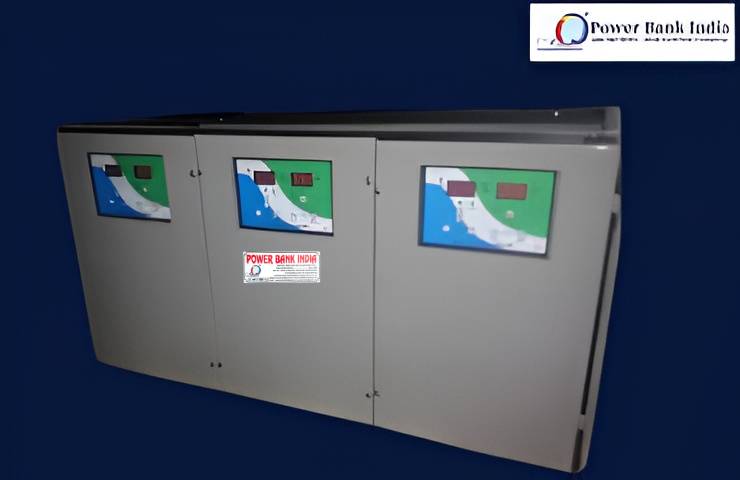
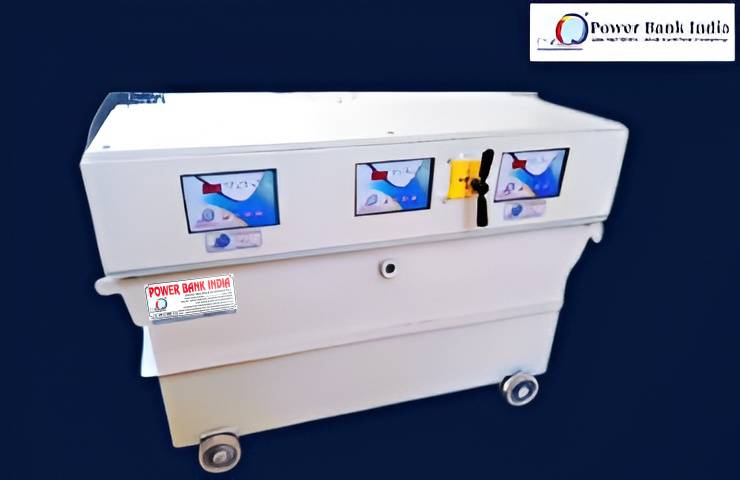
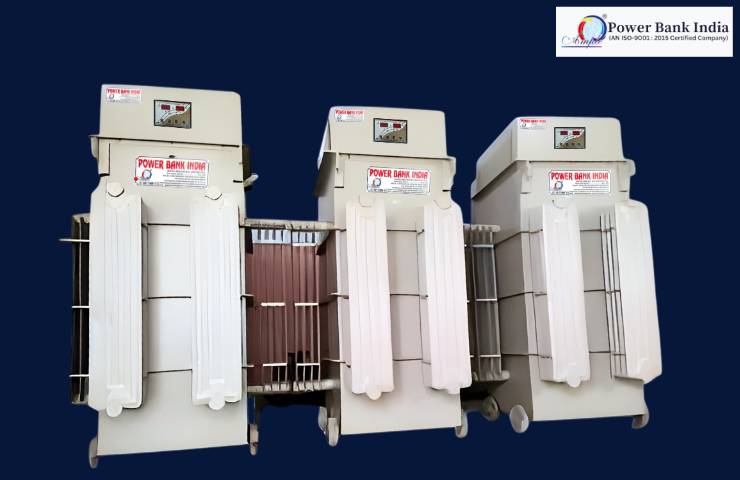
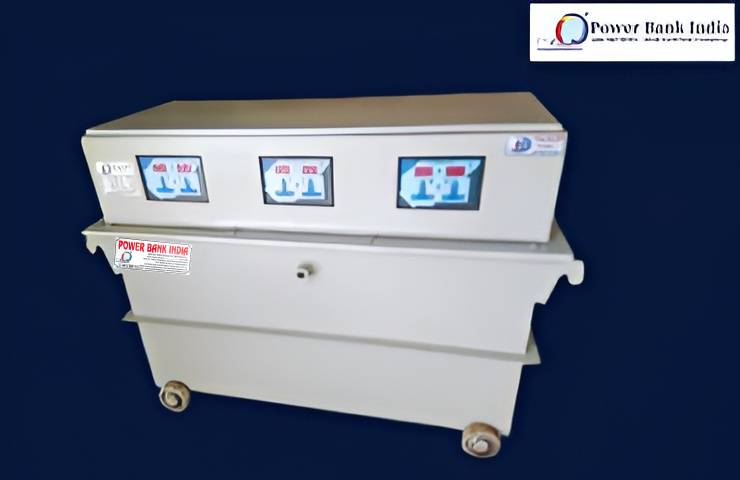
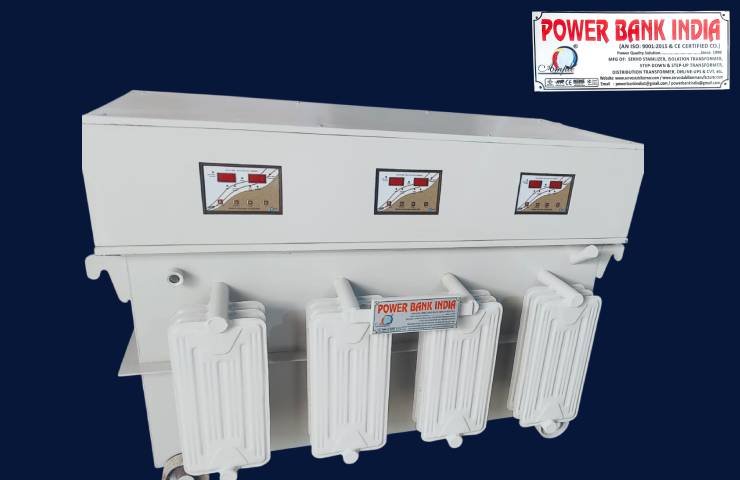
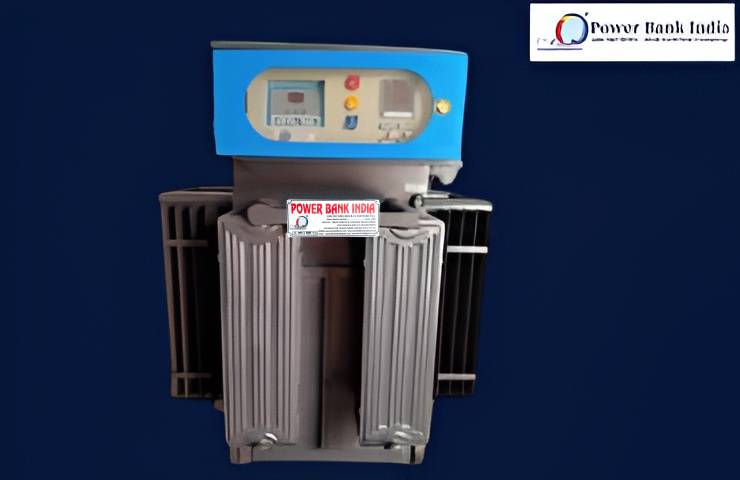
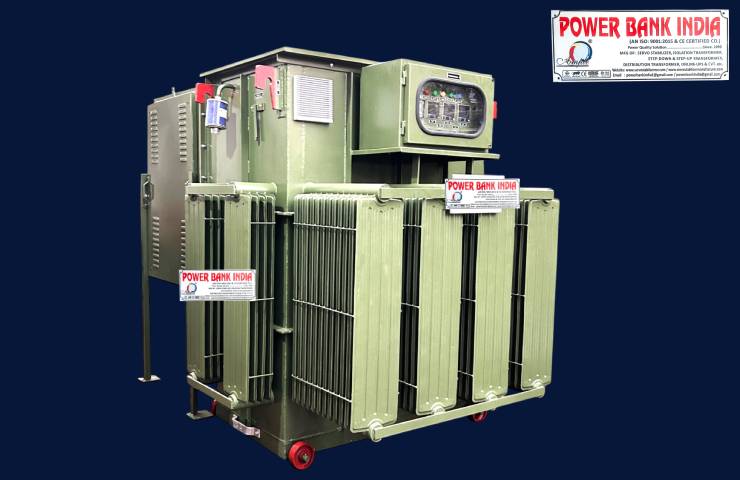
- Cooling type: Air cooled and oil cooled models suit different capacities and environments, so choose based on load size, dust and heat conditions.
- Protections: Look for features such as overload, short circuit, over-voltage and under-voltage protection.
- Support: Choose a supplier who can guide you on sizing, installation and maintenance.
Mistakes to Avoid When Buying a Stabilizer
- Choosing only on price: A low-cost unit with weak build quality can fail when you need it most.
- Undersizing the capacity: A stabilizer that is too small will be overloaded and wear out quickly.
- Ignoring phase imbalance: An uneven load needs a model that can handle it.
- Skipping installation guidance: Incorrect wiring or placement reduces performance and safety.
- Neglecting maintenance: Periodic checks keep a servo stabilizer reliable for years.
Ready to Protect Your Plant? Start Here
If you recognised even two or three of these signs in your plant, it is worth getting your voltage checked and your load assessed. Note down your connected equipment, total load, supply type and the problems you face, and share them with your supplier so they can recommend the right capacity and type.
For guidance on choosing the right servo stabilizer for your plant, contact Power Bank India with your requirements and get a solution matched to your load and your supply conditions.
FAQs
1. How do I know if my plant needs a servo stabilizer?
Frequent trips, hot motors, flickering lights and failing boards are clear signs.
2. Can unstable voltage damage CNC and laser machines?
Yes, it can cause errors, poor quality and early failure of electronics.
3. How do I choose the right kVA rating?
Add up your total load and choose a rating with a safety margin above it.
4. Do servo stabilizers need maintenance?
Yes, periodic checks keep the servo motor and other parts working reliably.
5. Should I choose an oil cooled or air cooled servo stabilizer?
It depends on load size and conditions, so ask your supplier to recommend one.
Conclusion
Unstable voltage quietly damages plants through frequent trips, overheated motors, failing electronics, inconsistent quality and rising repair costs. If you see any of the seven signs described here, do not wait for a major breakdown. Measure your supply, understand your load, and install a servo stabilizer that is correctly sized for your needs.
A well-chosen servo stabilizer protects your machines, steadies your production and reduces unplanned downtime. Treat it as protection for your equipment and your output, and choose a supplier who can guide you from sizing to installation and maintenance.