Introduction
Modern electrical and electronic equipment requires a stable power supply to operate efficiently and consistently. Fluctuations in input voltage can affect machinery, production equipment, computers, medical devices, automation systems, and other sensitive electrical loads. An air cooled servo voltage stabilizer is designed to regulate fluctuating voltage and provide a more stable output supply to connected equipment.
Unlike conventional voltage stabilizers that may use different regulation methods, a servo voltage stabilizer uses a servo motor-controlled mechanism to maintain the output voltage within the required range. Air cooling is used to dissipate heat generated during operation, making this type of stabilizer suitable for a wide range of commercial and industrial applications.
From manufacturing units and offices to laboratories, commercial buildings, hospitals, educational facilities, and automated production environments, an air cooled servo stabilizer can be considered where voltage stability is an important requirement.
What Is an Air Cooled Servo Voltage Stabilizer?
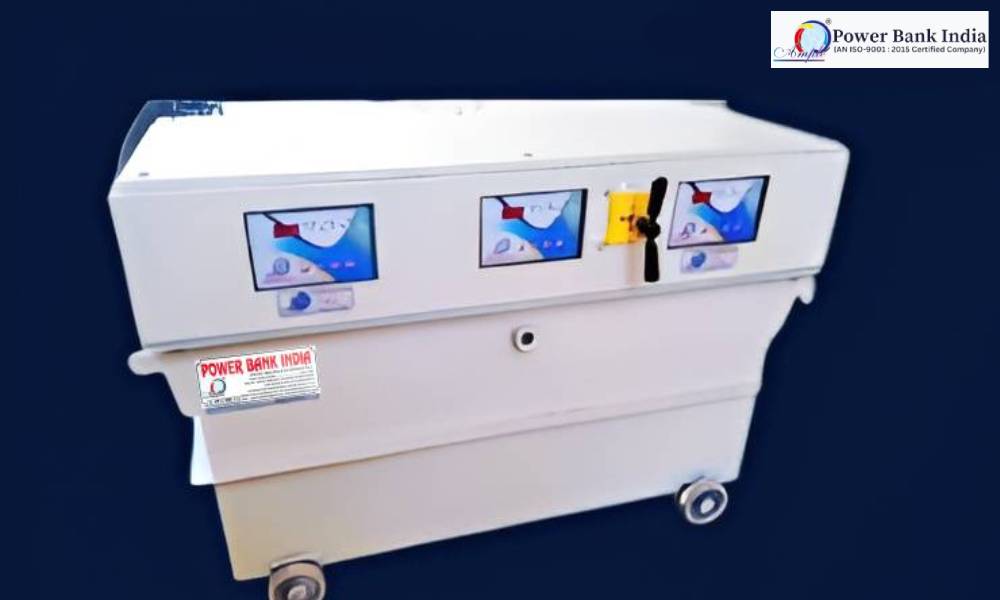
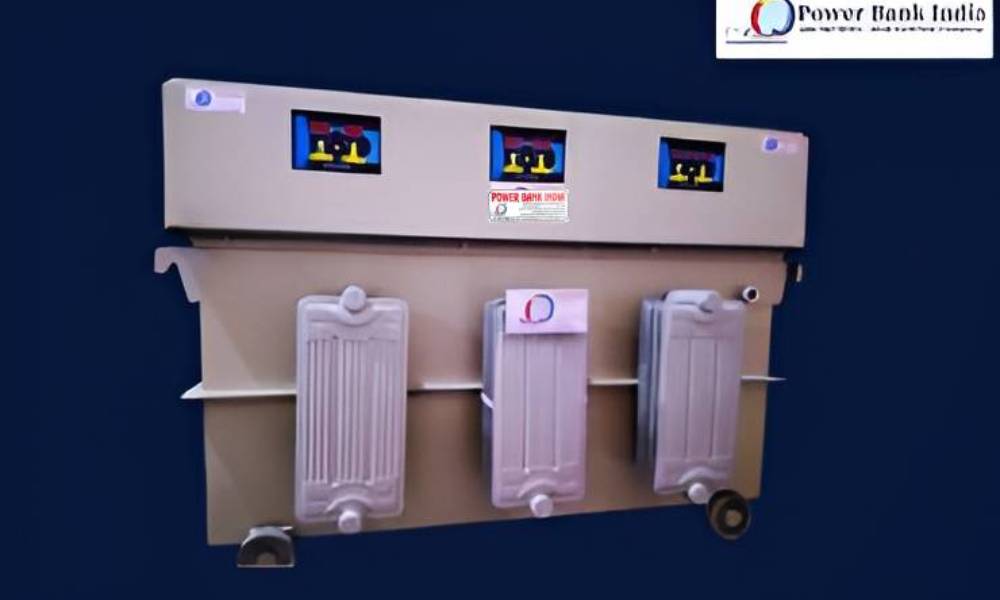
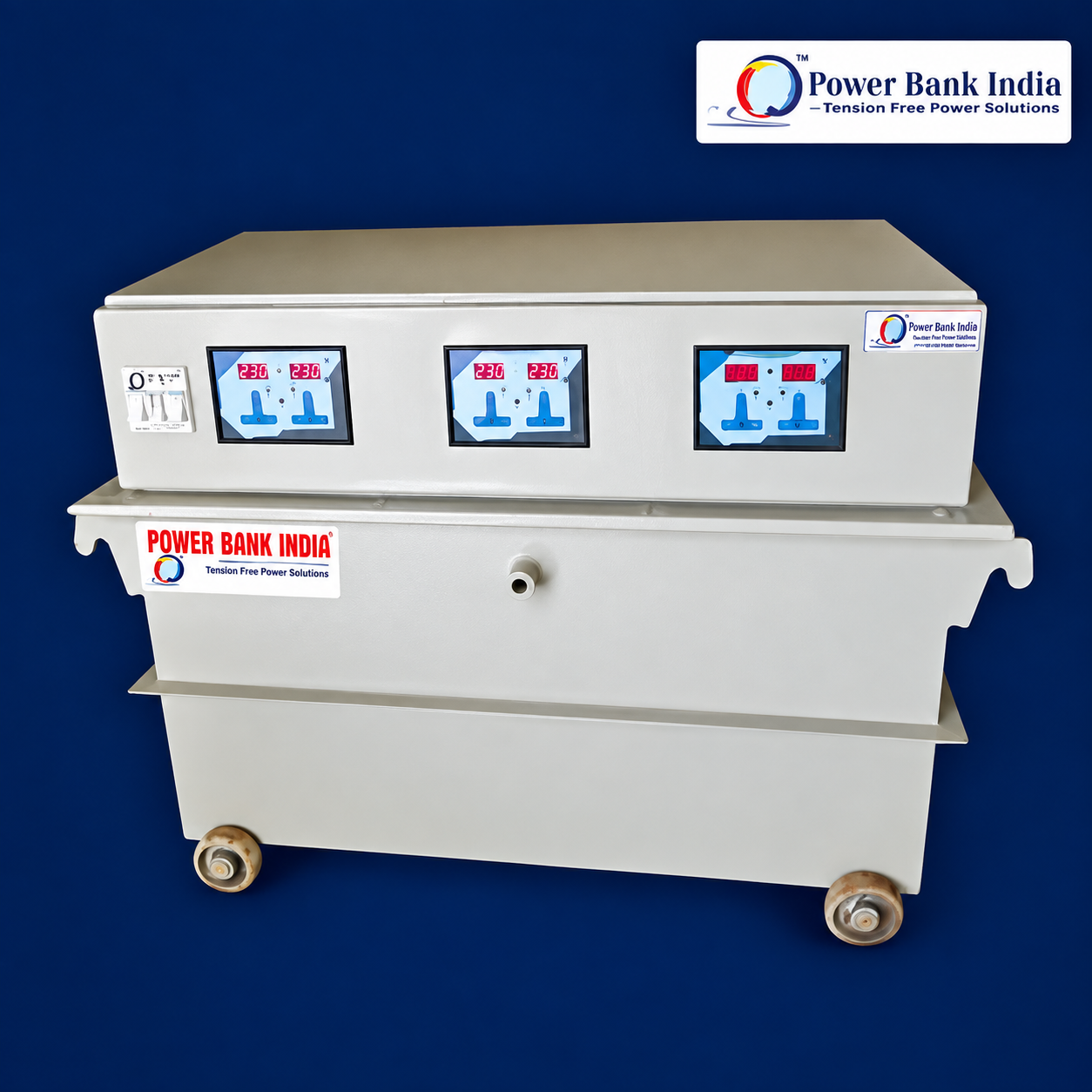
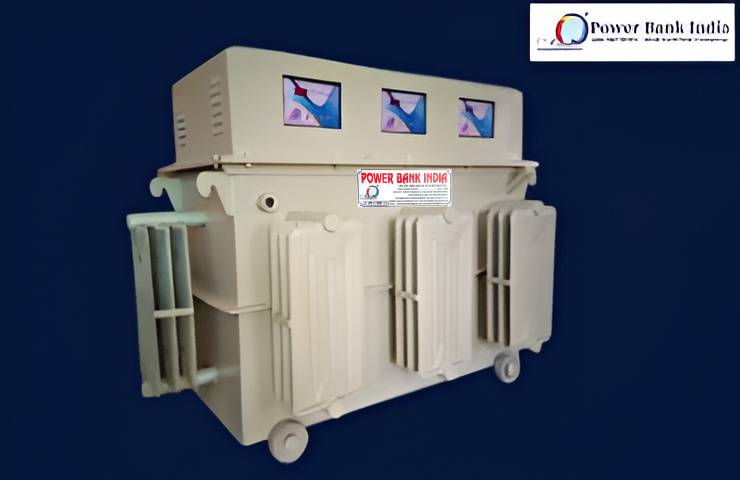
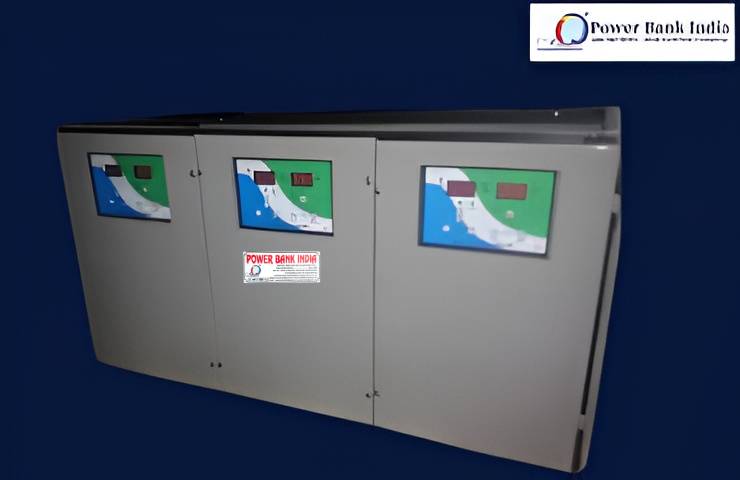
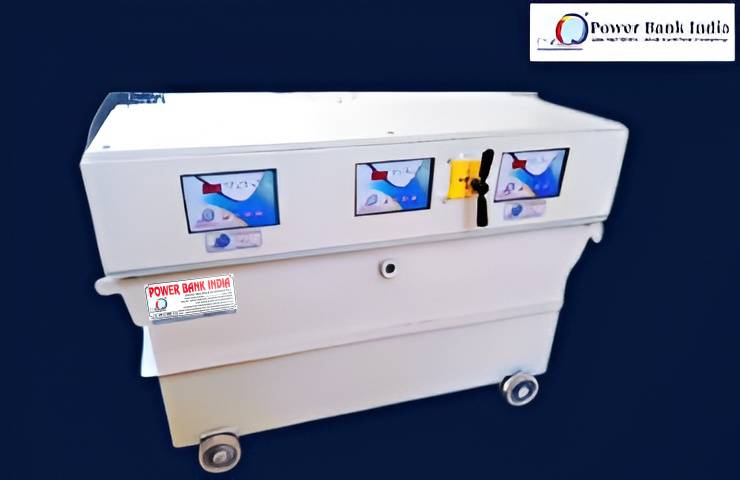
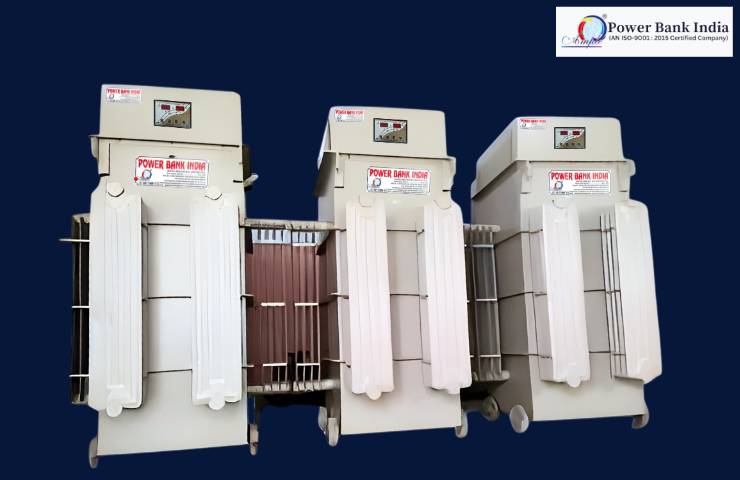
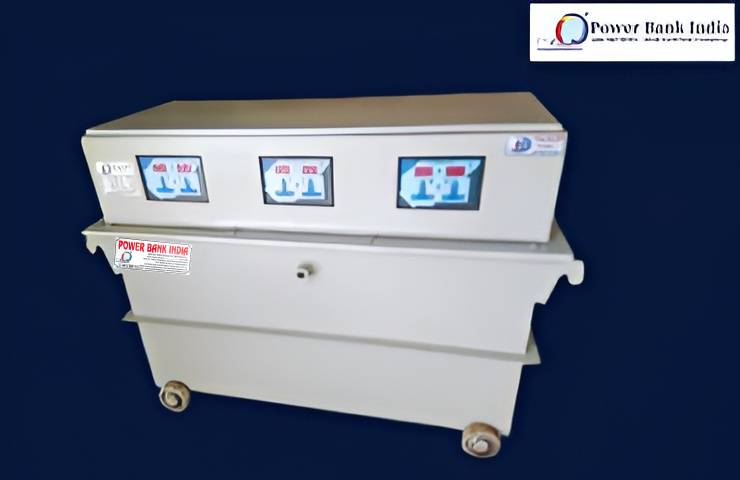
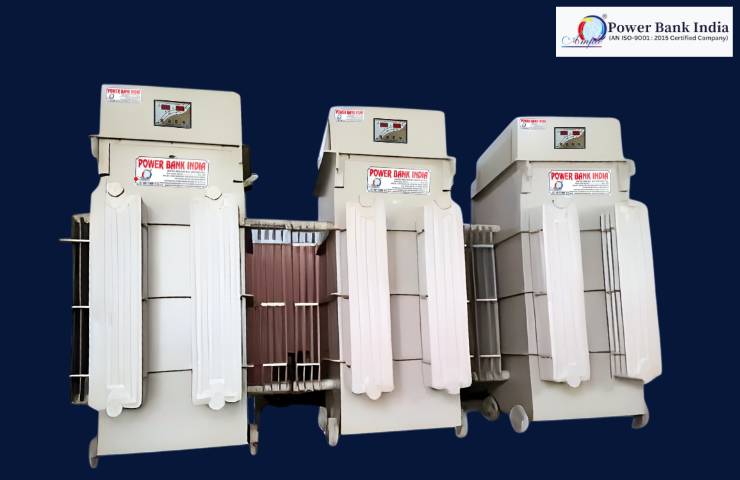
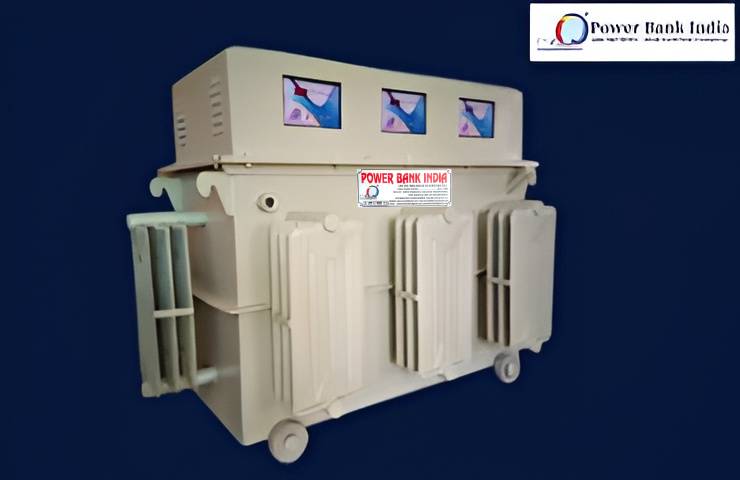
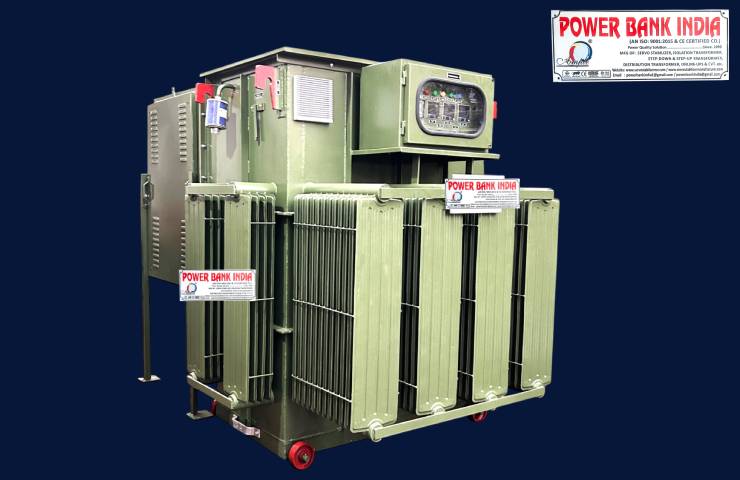
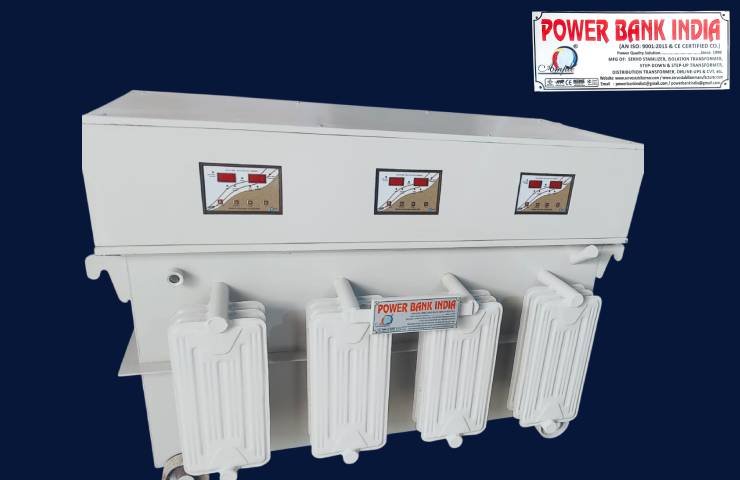
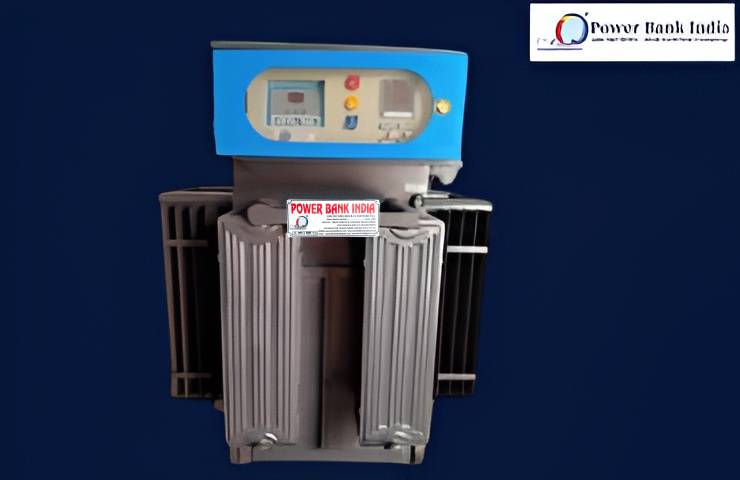
An air cooled servo voltage stabilizer is an automatic voltage regulation device that corrects fluctuations in the incoming electrical supply and provides a regulated output voltage. It uses a servo motor-controlled variable transformer arrangement to adjust the voltage according to changes in the input supply.
The term "air cooled" refers to the method used to remove heat from the stabilizer. Instead of relying on oil as the cooling medium, air circulation and suitable ventilation are used to dissipate heat from the internal components.
These stabilizers are available in different capacities and configurations for single-phase and three-phase applications. The appropriate model depends on the connected load, input voltage range, output requirements, and operating environment.
Why Voltage Stability Matters for Electrical Equipment
Electrical equipment is designed to operate within a specified voltage range. When the incoming voltage moves significantly above or below the required level, equipment performance may be affected.
Undervoltage can cause motors to draw higher current under certain operating conditions, while overvoltage can place additional stress on electrical and electronic components. Repeated fluctuations may also affect sensitive equipment and production processes.
A servo voltage stabilizer continuously monitors the input supply and makes corrections to maintain a regulated output. This can help provide a more consistent electrical supply for connected loads.
How Servo Voltage Regulation Works
The operation of a servo voltage stabilizer involves monitoring the incoming voltage and comparing it with the desired output voltage. When a voltage variation is detected, the control system activates a servo motor mechanism to adjust the voltage.
The servo motor moves the regulating mechanism in the required direction. This changes the voltage level supplied to the output. When the desired output level is reached, the control system stops the correction movement.
This process takes place automatically and continuously while the stabilizer is operating. The exact design, correction speed, regulation range, and control mechanism depend on the specific model.
Air Cooling Technology in Servo Stabilizers
Heat is naturally generated when electrical equipment handles power. Effective heat dissipation is therefore an important consideration in voltage stabilizer design.
In an air cooled servo stabilizer, heat is removed through air circulation and ventilation. Depending on the design and capacity, the system may use natural air circulation or forced-air cooling with fans.
Air cooling eliminates the need for insulating oil as a cooling medium. This can simplify certain aspects of installation and maintenance, particularly in applications where a dry-type electrical solution is preferred.
Key Components Inside an Air Cooled Servo Stabilizer
An air cooled servo voltage stabilizer contains several components that work together to regulate the output voltage.
The servo motor drives the voltage correction mechanism. It responds to signals from the control circuit and adjusts the regulating arrangement according to changes in input voltage.
The variable transformer or regulating transformer forms an important part of the voltage correction system. It allows the voltage to be adjusted according to the required output.
The control circuit monitors voltage conditions and provides instructions to the servo motor.
Depending on the design, the stabilizer may also include bypass arrangements, protection systems, meters, contactors, circuit breakers, thermal protection, and other monitoring components.
Applications Across Different Industries
Air cooled servo voltage stabilizers can be used in many environments where stable voltage is required. Industrial facilities may use them to support manufacturing machinery, automation systems, CNC equipment, control panels, and other electrical loads.
Commercial buildings can use stabilizers for office equipment, HVAC systems, elevators, lighting systems, and other electrical installations where voltage variations need to be managed.
Other potential applications include laboratories, educational institutions, healthcare facilities, data-related infrastructure, printing units, textile equipment, packaging machinery, and processing plants.
The stabilizer capacity should always be selected according to the actual electrical load and equipment requirements.
Supporting Motors and Industrial Machinery
Industrial motors can be affected by variations in supply voltage. Motors used in pumps, compressors, conveyors, fans, machine tools, and production systems may require a suitable electrical supply for consistent operation.
A servo stabilizer can regulate the incoming voltage before it reaches the connected equipment. This can help maintain a more consistent supply during input voltage fluctuations.
However, a voltage stabilizer does not replace motor protection devices such as overload protection, short-circuit protection, or appropriate motor control equipment. These components should be selected according to the electrical design of the installation.
Single-Phase and Three-Phase Air Cooled Stabilizers
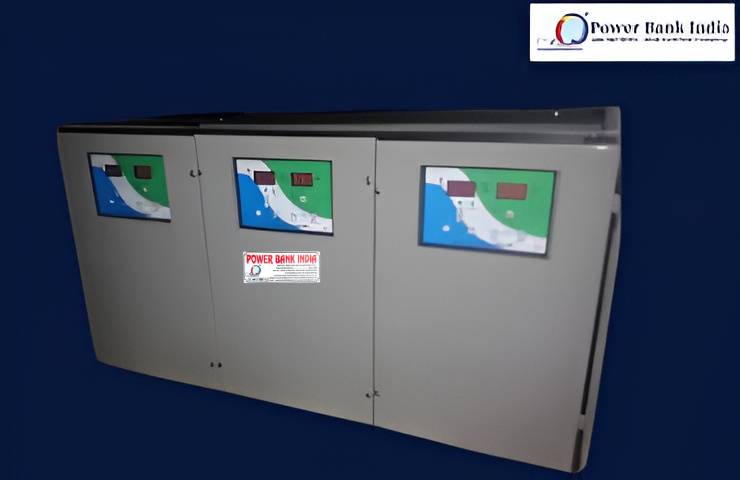
Air cooled servo stabilizers can be designed for different electrical configurations. Single-phase models are generally used for suitable single-phase loads, while three-phase models are used where the connected system requires three-phase power.
Three-phase applications may require balanced or independent phase regulation depending on the equipment and stabilizer design. Therefore, the electrical configuration should be reviewed before selecting a product.
For industrial applications with multiple three-phase machines, the stabilizer should be appropriately sized based on the total connected and operating load.
Understanding Stabilizer Capacity
Capacity is one of the most important factors when choosing a servo voltage stabilizer. Stabilizer capacity is commonly expressed in kVA, and the required capacity depends on the electrical characteristics of the connected equipment.
The connected load should be calculated carefully rather than selecting a stabilizer based only on the rating of one machine. Motors and other inductive loads may have starting currents that need to be considered when determining the appropriate capacity.
Future expansion should also be considered where additional equipment may be connected later. However, oversizing the stabilizer unnecessarily may increase the initial investment and physical installation requirements.
Input Voltage Range and Output Regulation
Different locations and electrical installations can experience different levels of voltage variation. Before selecting a stabilizer, it is important to understand the normal and worst-case input voltage conditions at the installation site.
The stabilizer's specified input correction range should cover the expected fluctuations. The required output voltage and regulation accuracy should also match the needs of the connected equipment.
For sensitive industrial and electronic applications, closer output regulation may be important. The manufacturer's technical specifications should be reviewed to determine the actual regulation performance.
Protection Features to Consider
A good voltage regulation system should be selected with appropriate protection features for the application. Depending on the model, an air cooled servo voltage stabilizer may incorporate protections against conditions such as overload, short circuit, high voltage, low voltage, and excessive temperature.
Some systems may also include time delays, bypass arrangements, digital monitoring, phase protection, and other control features.
The required protection features depend on the connected equipment and overall electrical system. Users should review the product specification before selecting a stabilizer.
Advantages of Air Cooled Servo Voltage Stabilizers
One of the main advantages of an air cooled servo stabilizer is automatic voltage regulation. The system continuously responds to input voltage changes without requiring manual adjustment.
Another advantage is the use of air rather than oil for cooling. This can make the equipment suitable for installations where a dry-type solution is preferred.
Servo-based correction can also provide controlled voltage adjustment, making it suitable for applications where maintaining a consistent output is important.
Depending on the design, these stabilizers can be used for a variety of industrial and commercial loads and can be integrated into existing electrical distribution systems.
Servo Stabilizer vs Conventional Stabilizer
Different stabilizer technologies are available, and each has different characteristics. Servo stabilizers use a motor-driven correction mechanism to regulate voltage, while other stabilizers may use relay-based or electronic switching methods.
A servo-based system can be useful for applications requiring controlled and continuous voltage correction across a defined input range. The appropriate technology depends on the required response time, load type, voltage variation, capacity, and regulation requirements.
Therefore, users should evaluate the electrical application rather than selecting a stabilizer based solely on the technology name.
Installation Requirements
Correct installation is essential for reliable operation. The stabilizer should be installed in a suitable location with sufficient space for ventilation and maintenance.
Since the unit is air cooled, adequate airflow is particularly important. Ventilation openings should not be blocked, and the installation environment should be suitable for the operating temperature and humidity specified by the manufacturer.
Electrical connections should be completed according to the manufacturer's wiring diagram. Appropriate cable sizes, circuit protection, earthing, isolation, and termination practices should be used.
Installation should be carried out by a qualified electrical professional.
Maintenance of Air Cooled Servo Stabilizers
Regular maintenance can help keep the stabilizer operating effectively. Because air cooled systems depend on airflow, ventilation openings and cooling fans should be inspected periodically.
Dust accumulation can reduce airflow and affect heat dissipation. Electrical connections should also be checked for signs of looseness, overheating, or damage.
The servo motor and mechanical components should be inspected according to the manufacturer's maintenance schedule. Any unusual noise, repeated voltage fluctuations, overheating, or abnormal operation should be investigated by qualified personnel.
Where to Install an Air Cooled Servo Stabilizer
The installation location can affect stabilizer performance. The unit should generally be positioned in a clean, dry, and adequately ventilated area that is protected from excessive dust, moisture, and environmental contamination.
There should be sufficient clearance around the equipment for airflow and maintenance access. The floor or mounting structure should also be capable of supporting the stabilizer's weight.
For industrial environments, additional protection may be necessary if the area contains high levels of dust, chemical vapours, moisture, or other contaminants.
How to Select the Right Air Cooled Servo Stabilizer
Choosing the right stabilizer begins with understanding the electrical requirements of the installation. The total load, input voltage range, output voltage, phase configuration, frequency, and load characteristics should be determined before selecting the equipment.
The required kVA capacity should account for the actual operating load and relevant starting requirements. Users should also consider the required output accuracy, correction speed, protection features, cooling method, and installation conditions.
It is useful to consult the manufacturer's technical team or a qualified electrical professional when the application involves large industrial machinery or complex electrical systems.
Importance of Regular Voltage Monitoring
Voltage conditions can vary throughout the day depending on the electrical network, connected loads, and operating conditions. Monitoring the input supply can provide useful information when selecting and configuring a voltage stabilizer.
Measurements taken during different operating periods can help identify the normal voltage range and the extent of fluctuations. This information can then be compared with the stabilizer's input correction range.
Understanding the actual electrical conditions can help prevent incorrect product selection and provide a better basis for voltage regulation planning.
Air Cooled Servo Stabilizers for Sensitive Equipment
Many modern devices contain electronic control systems that can be sensitive to electrical supply variations. CNC machines, automation controllers, laboratory equipment, communication systems, and certain production machines may require a stable power supply.
An appropriately selected servo voltage stabilizer can provide regulated voltage to such equipment. The stabilizer should be matched to the specific voltage tolerance and electrical characteristics of the load.
For highly sensitive equipment, additional power-quality solutions may also be required depending on the application.
Safety Considerations
Servo voltage stabilizers are electrical equipment and should be handled carefully. Installation and maintenance should be performed by qualified personnel.
Proper earthing, circuit protection, isolation, cable sizing, and electrical clearances should be considered during installation. The equipment should be operated within the voltage, current, temperature, and environmental limits specified by the manufacturer.
Before performing maintenance, the stabilizer should be properly isolated from the electrical supply according to established safety procedures.
FAQs
What is an air cooled servo voltage stabilizer?
It is an automatic voltage regulation device that uses a servo mechanism and air cooling to maintain a regulated output voltage.
How does a servo voltage stabilizer work?
It monitors input voltage and uses a servo-controlled mechanism to adjust the output voltage automatically.
Why is it called air cooled?
It uses air circulation to dissipate heat instead of using oil as the cooling medium.
Where are air cooled servo stabilizers used?
They are used in industrial, commercial, manufacturing, automation, laboratory, and other suitable electrical applications.
What is the capacity of a servo stabilizer measured in?
Stabilizer capacity is commonly specified in kVA.
Can an air cooled servo stabilizer be used for three-phase equipment?
Yes, suitable three-phase models are available for three-phase electrical applications.
Does a servo stabilizer protect against voltage fluctuations?
It regulates voltage fluctuations within its specified input correction range.
Does a stabilizer replace a UPS?
No, a stabilizer regulates voltage while a UPS also provides backup power.
How often should an air cooled stabilizer be maintained?
Maintenance should follow the manufacturer's recommendations and the operating environment.
Why is ventilation important?
Proper airflow helps remove heat and supports reliable operation of the stabilizer.
How do I choose the right stabilizer capacity?
Capacity should be selected based on the connected load, starting requirements, voltage conditions, and application.
Can servo stabilizers be used with industrial machinery?
Yes, appropriately sized servo stabilizers can be used with suitable industrial equipment.
Conclusion
An air cooled servo voltage stabilizer is a practical solution for applications where fluctuating input voltage needs to be regulated before reaching connected equipment. By continuously monitoring the supply and adjusting the voltage through a servo-controlled mechanism, it can provide a more consistent output for suitable electrical loads.
The air cooling arrangement provides heat dissipation without the use of insulating oil, making this type of stabilizer suitable for many commercial and industrial environments. However, proper capacity selection, input voltage assessment, installation, ventilation, protection, and maintenance are essential for dependable operation.
Before purchasing an air cooled servo voltage stabilizer, users should evaluate their total load, voltage fluctuation range, phase configuration, required output voltage, equipment characteristics, and installation environment. Selecting a stabilizer according to these factors can help create a suitable voltage regulation system for modern electrical and industrial applications.