Introduction
A servo stabilizer is an important power-conditioning device used to maintain stable voltage for industrial machinery, commercial equipment, production systems, and other voltage-sensitive loads. Regular maintenance helps maintain reliable voltage regulation, reduce unexpected failures, and extend equipment life.
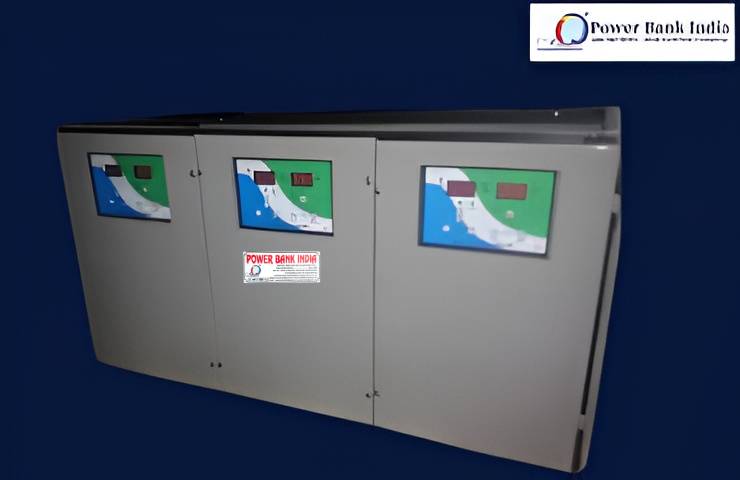
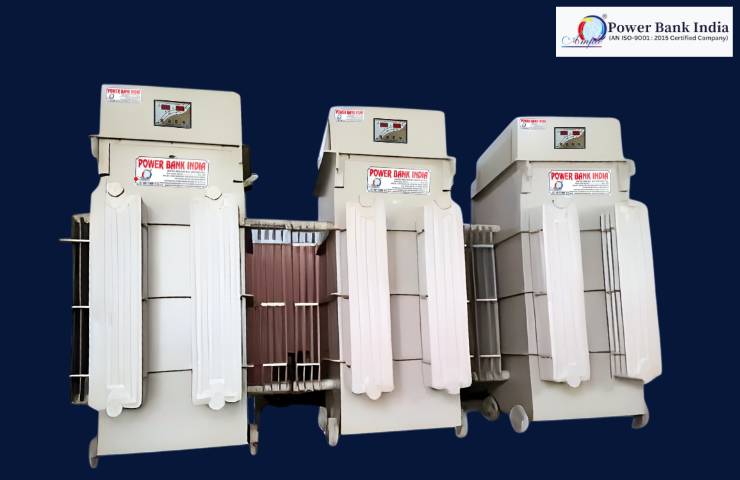
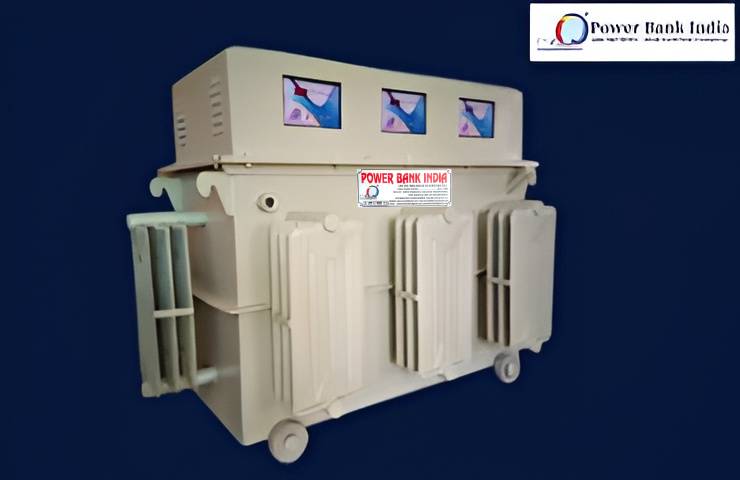
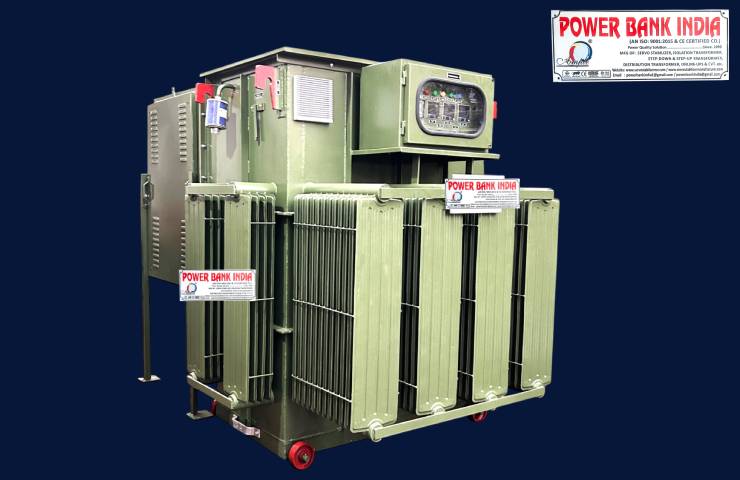
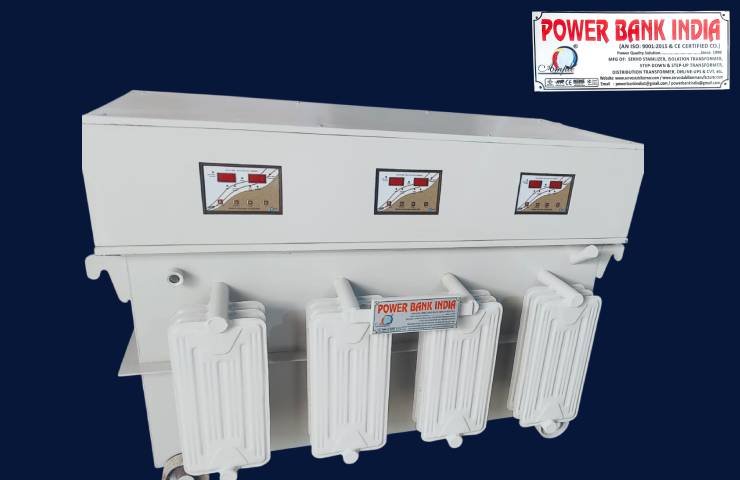
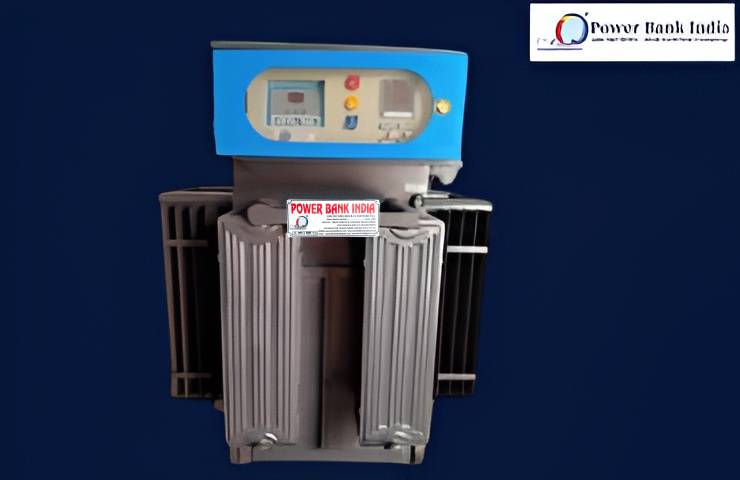
Modern servo stabilizers are available in a wide range of capacities. For example, Servostabilizr offers models ranging from 20 kVA to 2500 kVA, including oil-cooled, air-cooled, three-phase, and linear-type configurations.
Why Regular Servo Stabilizer Maintenance Matters
A servo stabilizer continuously responds to changes in input voltage. Over time, dust, heat, electrical loading, mechanical movement, and environmental conditions can affect its components.
Regular maintenance helps identify problems before they become major failures. It can also help maintain the designed voltage regulation and efficiency of the equipment.
For example, several Servostabilizr models specify output regulation within ±1% and efficiency of more than 98%. Maintaining the electrical and mechanical components is important for achieving reliable performance from equipment designed to these specifications.
Servo Stabilizer Maintenance Schedule
| Maintenance Activity | Recommended Frequency | Key Points to Check |
|---|---|---|
| Visual inspection | Monthly | Physical damage, dust, leakage, overheating |
| Input/output voltage check | Monthly | Voltage stability and abnormal readings |
| Cooling system inspection | Monthly | Fans, ventilation and airflow |
| Electrical connection inspection | Quarterly | Loose terminals, cables and signs of heating |
| Servo mechanism inspection | Quarterly | Motor movement, abnormal noise and wear |
| Protection system testing | Quarterly/Annually | Overload, short-circuit and voltage protection |
| Comprehensive servicing | Annually | Electrical, mechanical and performance inspection |
This is a general preventive-maintenance framework. The exact interval should be based on the manufacturer's recommendations, operating hours, load, and site conditions. Equipment operating continuously in dusty, hot, humid, or highly variable environments may require more frequent inspection.
1. Check Input and Output Voltage
Monitoring voltage is one of the most important maintenance activities. Record the incoming voltage and stabilized output voltage at regular intervals.
For example, the 25 kVA oil cooled servo voltage stabilizer listed by Servostabilizr has a three-phase input range of 340V–480V and a specified output of 400V ±1%.
These figures demonstrate why recording actual input and output values is useful. A sudden change from normal operating readings can indicate a developing electrical or mechanical issue.
2. Keep the Stabilizer Clean
Dust accumulation can affect ventilation and contribute to heat buildup. This is particularly important in factories, workshops, manufacturing plants, and other industrial environments.
Clean the external enclosure, ventilation openings, control panel, and accessible areas according to the manufacturer's maintenance instructions.
Internal cleaning should only be performed after proper electrical isolation and by qualified personnel.
3. Inspect Electrical Connections
Loose terminals and electrical connections can increase resistance and generate unwanted heat. During scheduled maintenance, inspect input terminals, output terminals, cables, contact points, and other accessible connections.
Look for:
- Loose terminals
- Discoloration around connections
- Burn marks
- Damaged insulation
- Overheated cables
- Corrosion
Any damaged component should be inspected and replaced by qualified personnel.
4. Maintain Proper Cooling
Heat management is essential for long-term electrical equipment performance. The cooling requirements depend on the stabilizer design.
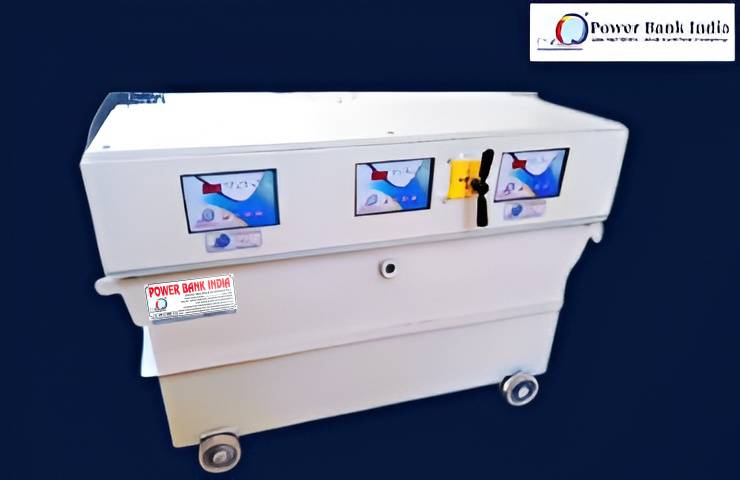
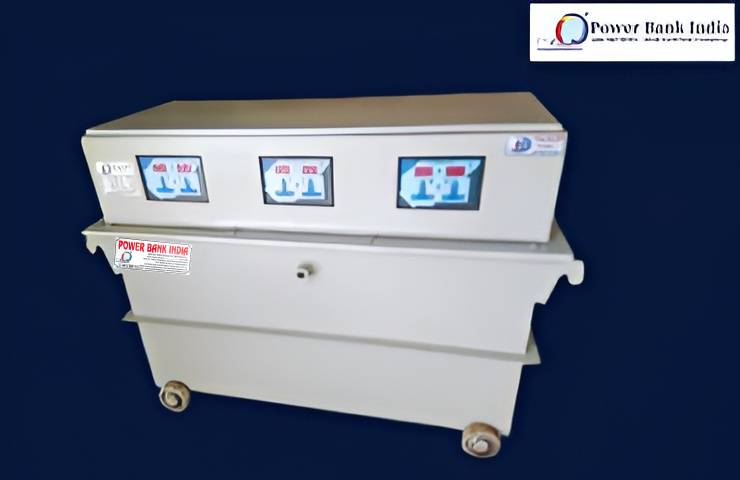
Air cooled servo stabilizers rely on ventilation and airflow, while oil cooled servo stabilizers use insulating oil for thermal management.
Servostabilizr's 50 kVA air cooled model, for example, uses air-based cooling and is specified for applications such as offices, retail spaces, educational institutions, and smaller industrial environments. It specifies an input range of 340V–480V, output accuracy of ±1%, and efficiency above 98%.
5. Inspect Cooling Fans in Air Cooled Models
For an air cooled servo voltage stabilizer, fans and ventilation paths should remain clean and unobstructed.
Check for:
- Unusual fan noise
- Reduced airflow
- Excessive vibration
- Dust accumulation
- Fan failure
A faulty cooling fan can increase operating temperature and should be addressed promptly.
6. Check Oil in Oil Cooled Servo Stabilizers
Oil cooled models require additional attention to their cooling and insulation system. Check the oil level and inspect the equipment for possible leakage according to the manufacturer's maintenance procedure.
Oil condition may also need to be tested depending on the equipment's age, operating environment, and manufacturer's recommendations.
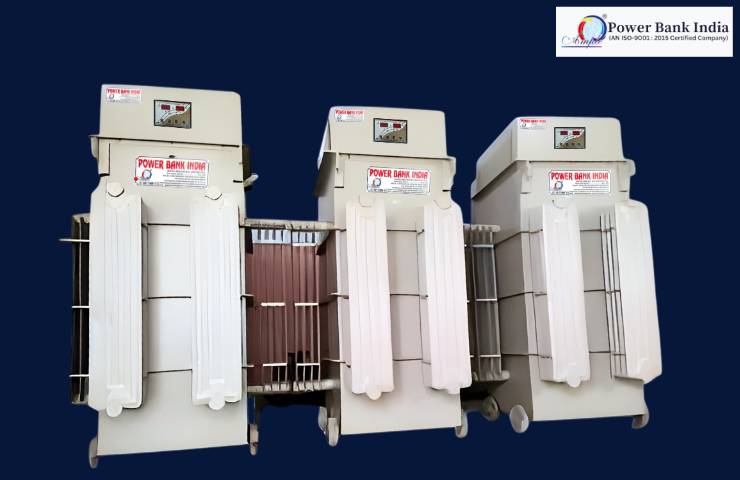
High-capacity models such as the 500 kVA and 1500 kVA oil cooled servo stabilizers are designed for demanding industrial applications where thermal management is particularly important.
7. Inspect the Servo Motor Mechanism
The servo motor operates the voltage-correction mechanism. Regular inspection helps identify abnormal movement, unusual noise, delayed correction, or mechanical wear.
During maintenance, technicians should check the servo mechanism and associated mechanical components according to the manufacturer's procedure.
8. Monitor Load and KVA Capacity
Overloading a stabilizer can increase thermal and electrical stress. The connected load should remain within the stabilizer's rated capacity.
Servostabilizr's product range demonstrates the importance of selecting the appropriate capacity, with models including 20 kVA, 25 kVA, 50 kVA, 60 kVA, 75 kVA, 125 kVA, 250 kVA, 315 kVA, 500 kVA, 750 kVA, 1000 kVA, 1500 kVA and 2000 kVA, among others.
When additional machinery is connected, the total load and starting requirements should be reassessed instead of assuming that the existing stabilizer has sufficient capacity.
9. Monitor Temperature and Abnormal Noise
Unexpected temperature increases, humming, clicking, buzzing, or vibration can indicate a developing problem.
Record unusual operating conditions rather than ignoring them. Early inspection can help prevent a minor component issue from becoming an expensive equipment failure.
10. Check Protection Systems
Modern servo stabilizers can include protection against conditions such as overload, short circuit, over-voltage, and under-voltage. For example, Servostabilizr's listed 25 kVA model specifies these protection functions.
Protection systems should be checked periodically according to the manufacturer's recommended testing procedure.
11. Maintain Proper Installation Conditions
The environment around the stabilizer directly affects maintenance requirements. Keep the equipment in an appropriate location with sufficient ventilation and clearance.
Where possible, avoid excessive exposure to:
- Dust
- Moisture
- Corrosive chemicals
- Extreme temperatures
- Excessive vibration
12. Maintain a Service Record
A maintenance log provides useful historical data about the stabilizer. Record voltage readings, inspections, repairs, component replacements, oil checks, and unusual operating conditions.
A simple record can include:
| Parameter | Record |
|---|---|
| Input Voltage | Actual measured value |
| Output Voltage | Actual measured value |
| Load | Percentage or measured load |
| Temperature | Operating condition |
| Cooling System | Normal / Requires Attention |
| Electrical Connections | Inspected / Corrected |
| Protection System | Test status |
| Service Date | Date of inspection |
Maintenance Differences by Stabilizer Type
| Stabilizer Type | Important Maintenance Areas |
|---|---|
| Air Cooled | Fans, ventilation, dust removal and temperature |
| Oil Cooled | Oil level, leakage, tank condition and temperature |
| Three Phase | Phase voltage, connections, load balance and protection |
| Linear Type | Voltage regulation mechanism, electrical connections and cooling |
Key Maintenance Data to Monitor
For industrial users, maintenance becomes more useful when actual operating data is recorded instead of relying only on visual inspection.
| Data Point | Purpose |
|---|---|
| Input Voltage | Identify supply fluctuations |
| Output Voltage | Verify voltage regulation |
| Load Percentage | Identify overloading trends |
| Operating Temperature | Detect abnormal heating |
| Efficiency | Track operating performance |
| Noise/Vibration | Identify mechanical abnormalities |
For context, Servostabilizr lists efficiency above 98% for several models, while some models specify ±1% voltage regulation. These manufacturer specifications can be used as reference points when evaluating the operating condition of the applicable model.
Benefits of Preventive Servo Stabilizer Maintenance
- Longer equipment life: Regular inspection helps identify wear before it becomes severe.
- Reliable voltage regulation: Proper maintenance supports consistent stabilizer operation.
- Reduced downtime: Early detection can prevent unexpected failures.
- Better equipment protection: Stable voltage helps protect connected machinery.
- Improved operating efficiency: Properly maintained components can support efficient operation.
- Lower emergency repair costs: Preventive maintenance can reduce unexpected repair requirements.
FAQs
1. How often should a servo stabilizer be maintained?
A general preventive schedule can include monthly operational checks, quarterly technical inspections, and comprehensive annual servicing, with frequency adjusted for site conditions.
2. What voltage should be checked during maintenance?
Both input and output voltage should be monitored and compared with the specific stabilizer's rated operating specifications.
3. Does an oil cooled servo stabilizer require oil inspection?
Yes, oil level, leakage, tank condition, and oil condition should be checked according to the manufacturer's maintenance recommendations.
4. How does load affect servo stabilizer maintenance?
High and continuous loads can increase thermal and electrical stress, making regular monitoring especially important.
5. What data should be recorded during maintenance?
Input voltage, output voltage, load, temperature, cooling condition, protection status, and service activities should be recorded.
Conclusion
Proper servo stabilizer maintenance is essential for reliable long-term operation. Regular voltage monitoring, cleaning, connection inspection, cooling-system checks, load monitoring, protection testing, and professional servicing can help maintain the performance of the equipment.
Maintenance requirements vary according to capacity, cooling method, load, operating hours, and installation environment. Servostabilizr offers servo stabilizers across a broad capacity range, from smaller 20 kVA units to high-capacity 2500 kVA systems, allowing maintenance practices to be matched to different industrial requirements.
By combining preventive maintenance with proper capacity selection and regular performance monitoring, businesses can improve the reliability of their electrical systems and reduce the risk of voltage-related equipment problems.