Introduction
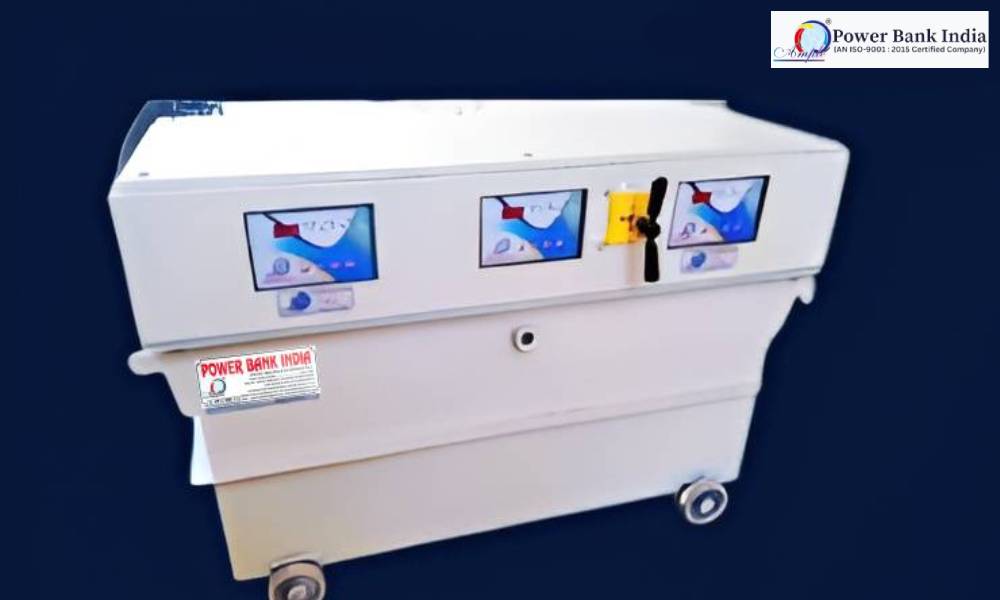
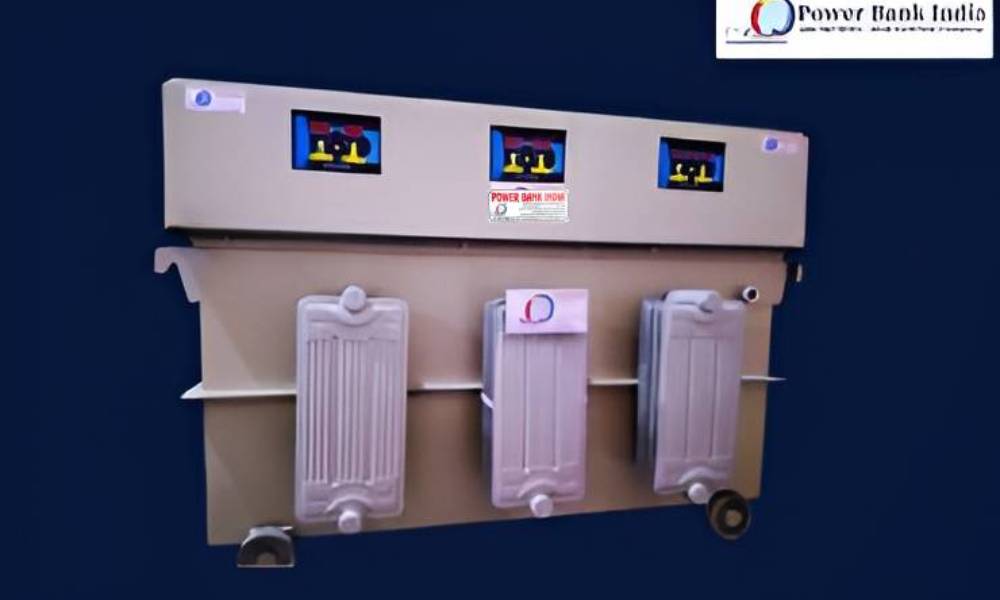
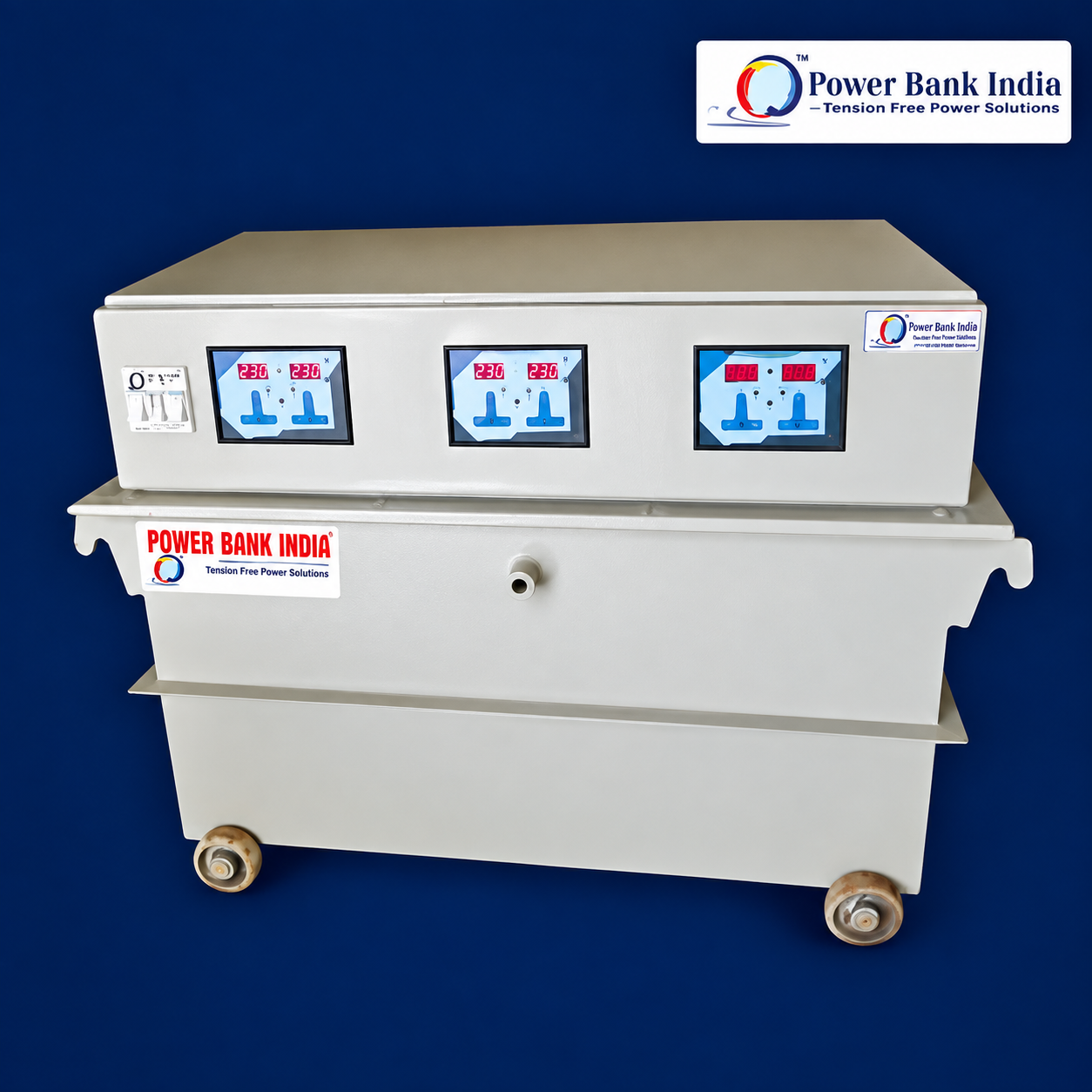
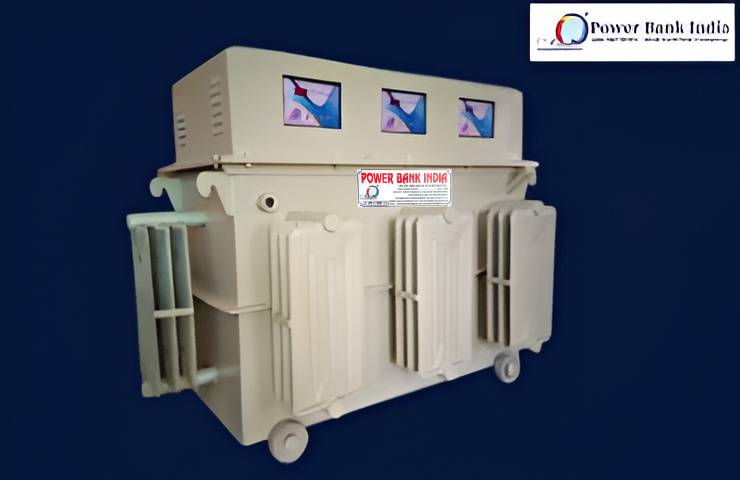
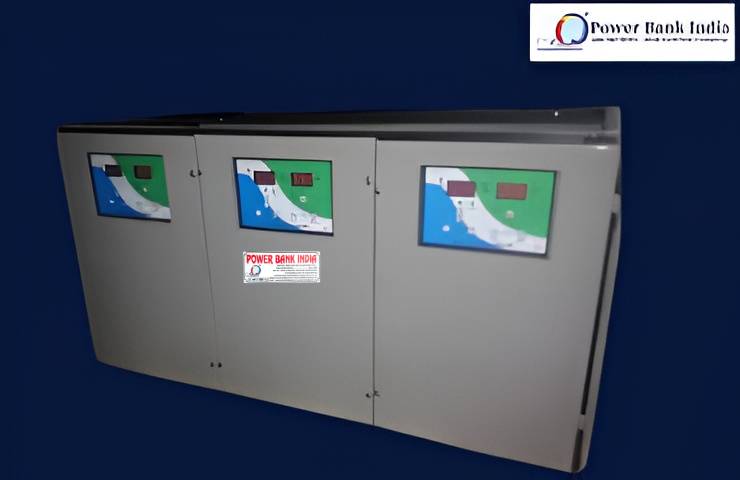
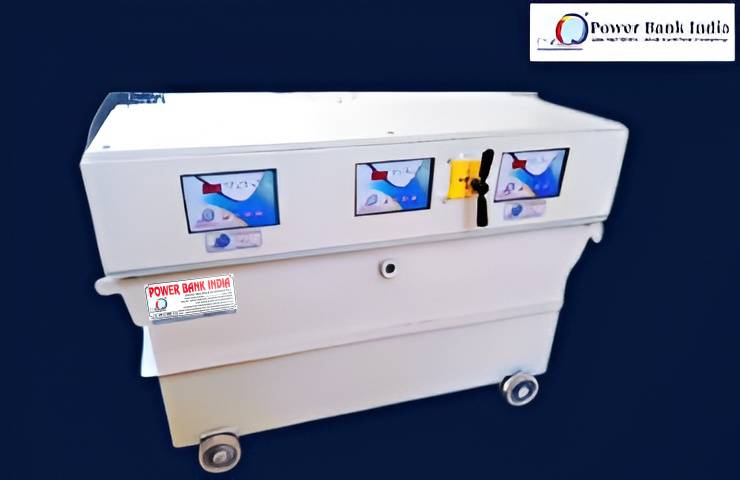
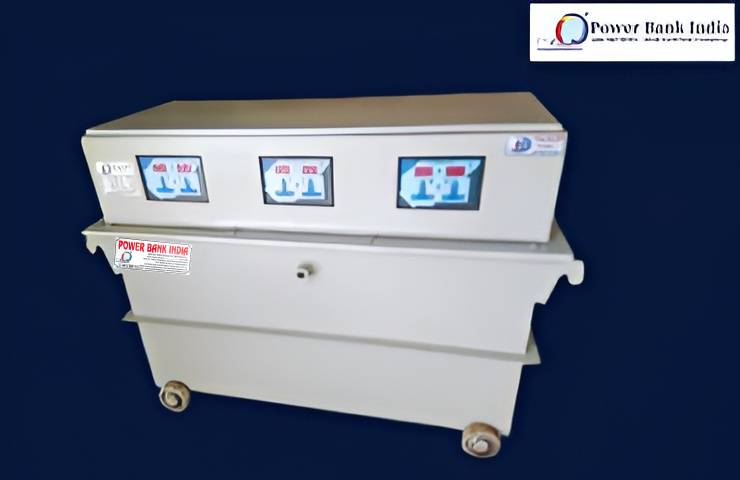
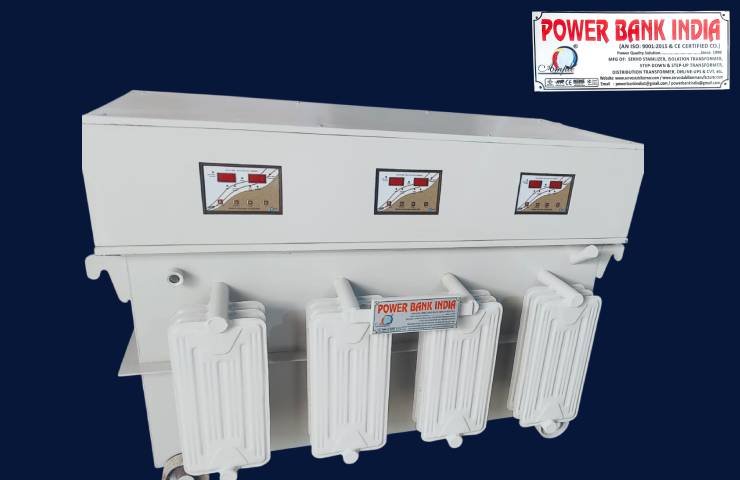
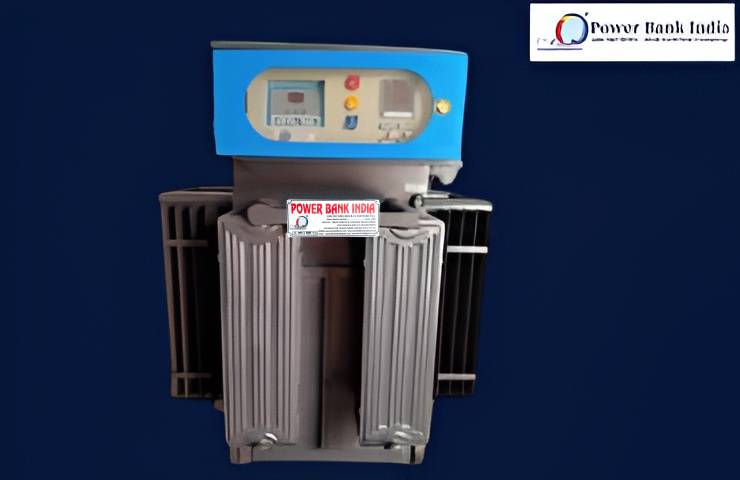
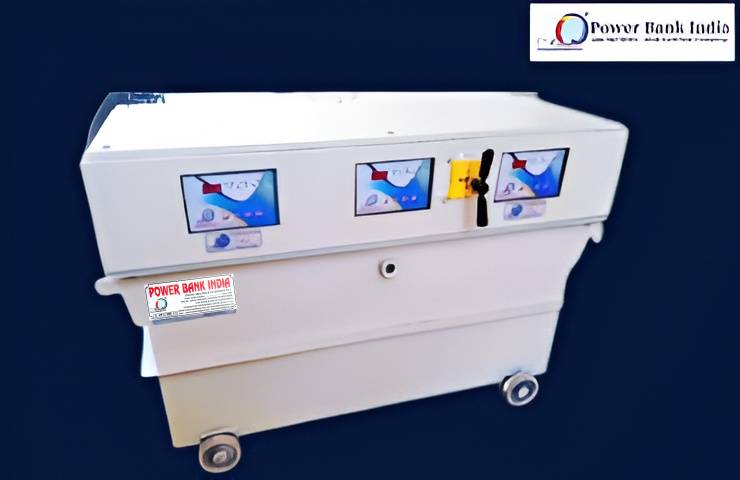
A Variac Type Servo Voltage Stabilizer is an automatic voltage regulation system designed to maintain a stable output voltage when the incoming electrical supply fluctuates. Voltage variations are common in industrial facilities, commercial buildings, offices, hospitals, manufacturing units, and other locations where electrical equipment depends on a consistent power supply.
A Variac-based servo stabilizer uses a variable autotransformer, commonly known as a Variac, along with a servo motor and control circuit to correct input voltage fluctuations. The system continuously monitors the electrical supply and adjusts the transformer position to maintain the required output voltage. This makes it suitable for equipment that requires dependable voltage conditions for efficient and consistent operation.
Variac Technology in Servo Voltage Stabilization
The core component of a Variac Type Servo Voltage Stabilizer is the variable autotransformer. Unlike a conventional transformer with a fixed winding ratio, a Variac provides a continuously adjustable output through a movable contact mechanism. This allows the stabilizer to make precise voltage corrections according to changes in the incoming supply.
The Variac is connected to a servo motor mechanism that can move the contact position in response to signals from the control circuit. When the input voltage changes, the control system identifies the deviation and directs the motor to adjust the Variac accordingly. This process enables the stabilizer to regulate the output voltage automatically.
Automatic Voltage Regulation Mechanism
Automatic regulation is one of the most important features of a Variac Servo Voltage Stabilizer. The stabilizer continuously monitors the voltage and compares the actual level with the desired reference value. If the voltage moves above or below the preset range, the control circuit generates an appropriate correction signal.
The servo motor then adjusts the position of the Variac to increase or decrease the compensating voltage. When the output reaches the required level, the control system stops the motor movement. The monitoring process continues so that further corrections can be made whenever another voltage fluctuation occurs.
Working Process of a Variac Type Servo Stabilizer
The operation of a Variac Type Servo Voltage Stabilizer involves several components working together. The input electrical supply first enters the stabilizer, where the sensing circuit continuously measures the voltage. The measured value is compared with the required reference voltage.
When a deviation is detected, the control circuit sends a signal to the servo motor. The motor rotates the Variac's moving contact in the required direction. This changes the voltage available from the variable autotransformer and provides the required correction.
Once the desired output voltage is achieved, the motor stops. The sensing and control system continues monitoring the voltage, allowing the stabilizer to respond automatically to subsequent fluctuations.
Major Components of the Stabilizer
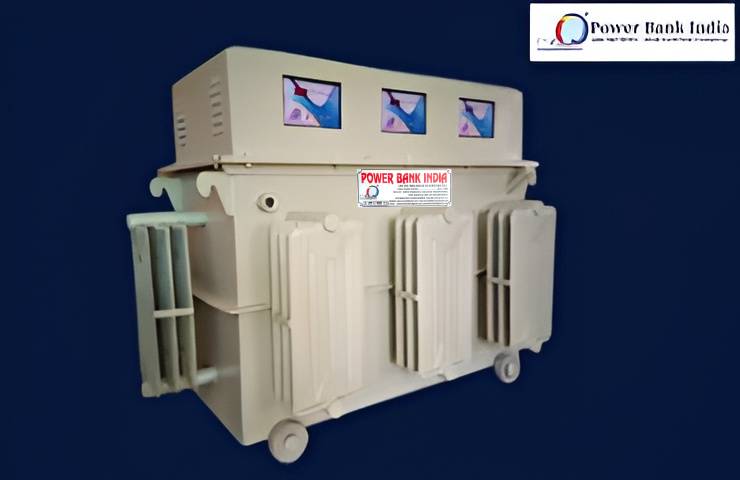
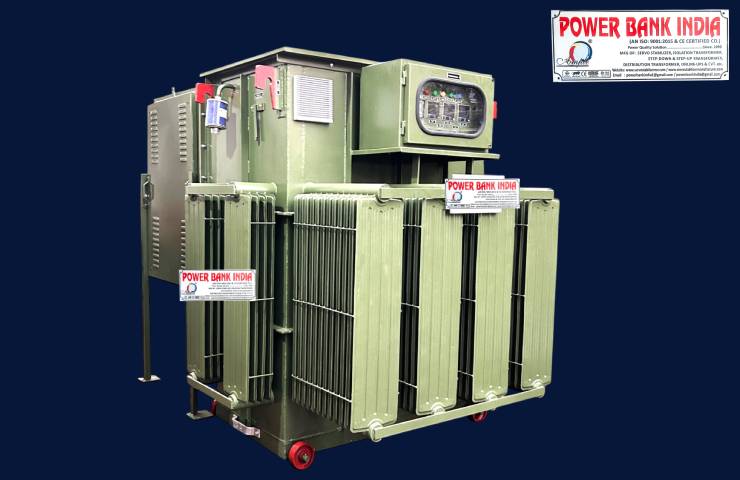
A Variac Type Servo Voltage Stabilizer consists of electrical, electronic, and mechanical components that work together to provide automatic voltage correction. The variable autotransformer acts as the main regulating element, while the servo motor provides the mechanical movement required for adjustment.
The control circuit processes voltage-sensing information and determines the direction and amount of correction. Depending on the design, the stabilizer can also include a buck-boost transformer, contactors, circuit breakers, meters, protection circuits, and thermal protection systems.
- Variac: Provides continuously adjustable voltage through a variable autotransformer arrangement.
- Servo motor: Moves the Variac contact according to signals from the control circuit.
- Control circuit: Monitors voltage and controls the correction mechanism.
- Sensing circuit: Detects changes in voltage and provides feedback.
- Buck-boost transformer: Provides voltage compensation in suitable stabilizer designs.
- Protection system: Helps protect the stabilizer and connected equipment from specified abnormal electrical conditions.
Benefits of Variac Type Servo Voltage Stabilizers
A Variac Servo Voltage Stabilizer can provide several benefits for applications where voltage stability is important. Its continuously adjustable regulation mechanism allows the system to correct voltage variations smoothly within its specified operating range.
Stable voltage can help electrical equipment operate under more consistent conditions. This is particularly useful for industrial machinery, automation systems, precision equipment, control systems, and other loads that may be affected by unsuitable voltage conditions.
Variac-based stabilizers can also be manufactured in different capacities and configurations. This allows them to be specified according to the requirements of individual commercial and industrial installations.
Voltage Fluctuation Protection
Voltage fluctuations can affect electrical and electronic equipment in different ways. Undervoltage can affect motor performance and increase operating stress, while excessive voltage can place additional stress on electrical components.
A properly designed Variac Type Servo Voltage Stabilizer helps maintain the output voltage within its specified regulation range. Depending on the model, additional protection features may include overload protection, short-circuit protection, high-voltage cutoff, low-voltage cutoff, time delay, and thermal protection.
Industrial Applications
Industrial facilities often require voltage stabilization because manufacturing machinery and automation systems can be sensitive to electrical fluctuations. A Variac Type Servo Voltage Stabilizer can be used with suitable CNC machines, production equipment, motors, control panels, compressors, packaging machinery, and other industrial loads.
Maintaining a controlled voltage supply can support consistent machine operation and help reduce interruptions associated with unsuitable voltage conditions. The stabilizer capacity and configuration should always be selected according to the connected load and electrical requirements.
Applications in Commercial Facilities
Commercial establishments may also require voltage stabilization for equipment such as HVAC systems, elevators, lighting systems, computers, servers, refrigeration equipment, and other electrical installations. A Variac Servo Voltage Stabilizer can provide controlled voltage to suitable loads when properly specified.
Hotels, offices, shopping facilities, laboratories, educational institutions, and commercial buildings may consider voltage stabilization where the local electrical supply experiences regular fluctuations.
Use with Sensitive Electrical Equipment
Some electrical and electronic equipment requires a relatively stable power supply for reliable operation. Voltage variations can affect control electronics, measurement systems, automation equipment, and other sensitive loads.
A Variac Type Servo Voltage Stabilizer can provide automatic voltage correction within its designed operating range. However, the stabilizer should be selected according to the electrical characteristics, voltage requirements, and sensitivity of the connected equipment.
Single Phase and Three Phase Configurations
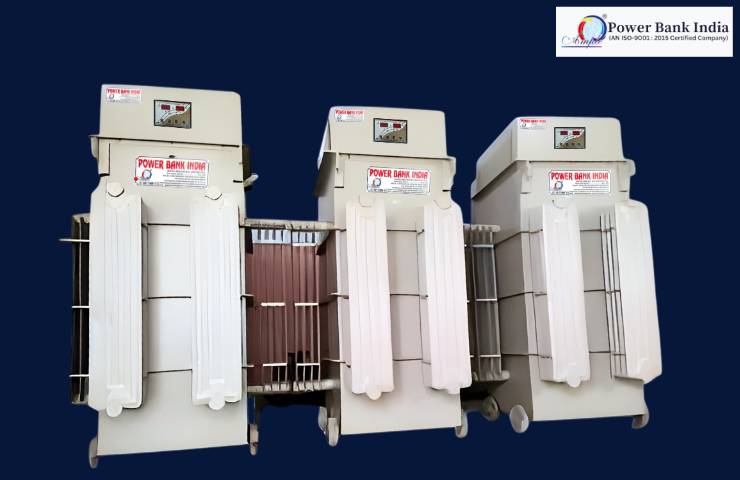
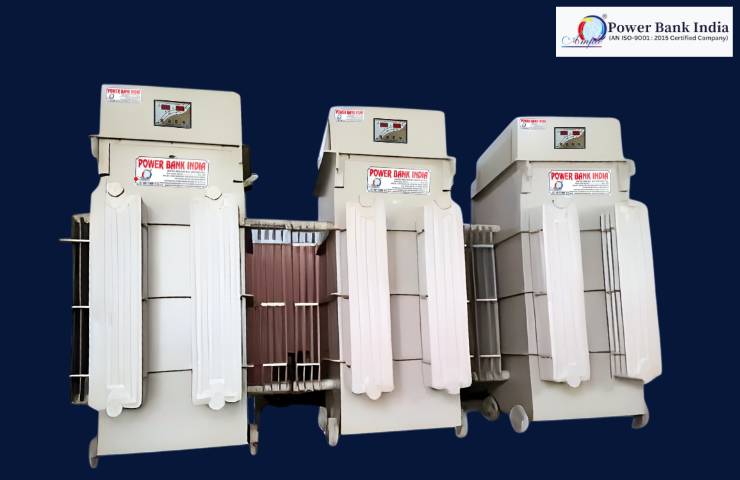
Variac-based servo stabilizers are available in configurations designed for different electrical systems. Single-phase models can be used for suitable single-phase loads, while three-phase stabilizers are designed for three-phase electrical installations.
For three-phase applications, factors such as phase balance, input voltage range, output voltage, connected load, and neutral requirements should be considered. Selecting the correct configuration is important for achieving dependable voltage regulation throughout the installation.
Capacity Selection for Different Loads
The capacity of a Variac Type Servo Voltage Stabilizer should be determined according to the total connected load and characteristics of the equipment. Stabilizer capacity is commonly specified in kVA.
During selection, factors such as running load, motor starting current, future load expansion, power factor, and equipment type should be considered. Selecting a stabilizer only according to the normal running load may not be sufficient for installations containing motors, compressors, pumps, or other loads with significant starting requirements.
Input and Output Voltage Range
The input voltage range is an important specification when selecting a Variac Servo Voltage Stabilizer. Different locations can experience different levels of voltage fluctuation, so the stabilizer should have a suitable correction range for the actual electrical supply.
The required output voltage should also be clearly defined. While many systems are designed around standard electrical voltages, the exact output requirement depends on the connected equipment and electrical installation.
Installation Requirements
Proper installation is essential for reliable operation. The stabilizer should be installed in a suitable location with adequate ventilation and sufficient space for inspection and maintenance. The installation area should protect the equipment from excessive moisture, dust, heat, and other environmental conditions that could affect its operation.
Electrical connections should be completed according to the manufacturer's specifications and applicable electrical safety requirements. Proper earthing and suitable protective devices should also be provided as part of the installation.
Maintenance and Operational Reliability
Regular inspection can help maintain the performance of a Variac Type Servo Voltage Stabilizer. Maintenance may include checking electrical connections, inspecting the servo motor mechanism, cleaning appropriate components, checking control circuits, and verifying voltage readings.
Mechanical components such as moving contacts and motor-driven mechanisms may require inspection according to the manufacturer's maintenance schedule. Unusual noise, excessive heating, unstable output, or irregular mechanical movement should be investigated promptly.
Factors to Consider Before Purchase
Several technical factors should be evaluated before purchasing a Variac Type Servo Voltage Stabilizer. The first consideration should be the total load capacity and electrical configuration. Input voltage range, output voltage, correction speed, regulation accuracy, phase configuration, protection features, and installation conditions should also be evaluated.
The quality of the control system and mechanical assembly can influence operational performance. Buyers should also consider technical specifications, warranty terms, maintenance requirements, and compatibility with the intended equipment.
Importance of Correct Stabilizer Sizing
Correct sizing is essential for reliable voltage stabilization. An undersized stabilizer may experience excessive loading, while an unnecessarily oversized unit may increase the initial equipment cost without being required for the actual application.
For installations containing motors, compressors, pumps, or other equipment with high starting currents, starting characteristics should be considered during selection. A qualified electrical professional can evaluate the load profile and recommend an appropriate capacity and configuration.
Role in Modern Power Management
Reliable electrical power is an important part of modern industrial and commercial operations. Voltage stabilization can form one component of a broader power management strategy that may also include surge protection, power factor correction, backup power systems, and electrical monitoring.
A Variac Type Servo Voltage Stabilizer can be integrated into such systems when voltage fluctuations are a significant concern. Its automatic correction mechanism allows it to respond continuously to changes in the electrical supply without requiring manual voltage adjustment.
Frequently Asked Questions
What is a Variac Type Servo Voltage Stabilizer?
A Variac Type Servo Voltage Stabilizer is an automatic voltage regulation system that uses a variable autotransformer and servo mechanism to correct voltage fluctuations.
How does a Variac servo stabilizer work?
It continuously monitors voltage and uses a servo motor to adjust the Variac position and compensate for voltage variations.
Where are Variac Type Servo Voltage Stabilizers used?
They are used in industrial plants, commercial buildings, manufacturing facilities, offices, laboratories, and other suitable electrical installations.
What is the function of a Variac in a stabilizer?
The Variac provides continuously adjustable voltage that allows the stabilizer to make voltage corrections according to changes in the supply.
Are Variac servo stabilizers available for three-phase systems?
Yes, Variac-based servo stabilizers can be designed for suitable three-phase electrical applications.
How is the capacity of a servo stabilizer selected?
Capacity is selected according to the connected load, starting current, power factor, voltage requirements, and future load considerations.
Does a Variac Type Servo Voltage Stabilizer protect equipment?
It helps regulate voltage, while additional protection features depend on the specific stabilizer model and configuration.
Why is regular maintenance important?
Regular maintenance helps identify mechanical, electrical, and control-system issues and supports reliable stabilizer operation.
Conclusion
A Variac Type Servo Voltage Stabilizer is designed to provide automatic voltage regulation by combining a variable autotransformer, servo motor, sensing circuit, and control system. Its continuous voltage correction mechanism makes it suitable for applications where electrical equipment requires a stable and controlled power supply.
From industrial machinery and automation systems to commercial facilities and sensitive electrical equipment, a properly selected Variac Servo Voltage Stabilizer can help manage voltage fluctuations and support consistent equipment operation. Selecting the correct capacity, input range, output voltage, phase configuration, and protection features is essential for achieving dependable performance.