Introduction
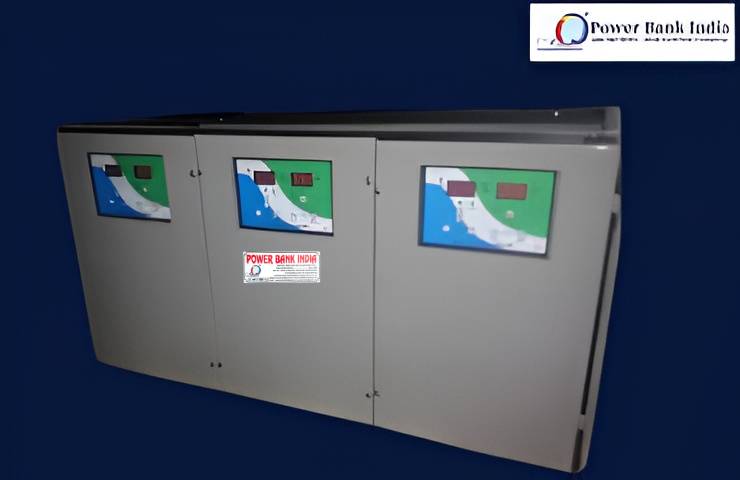
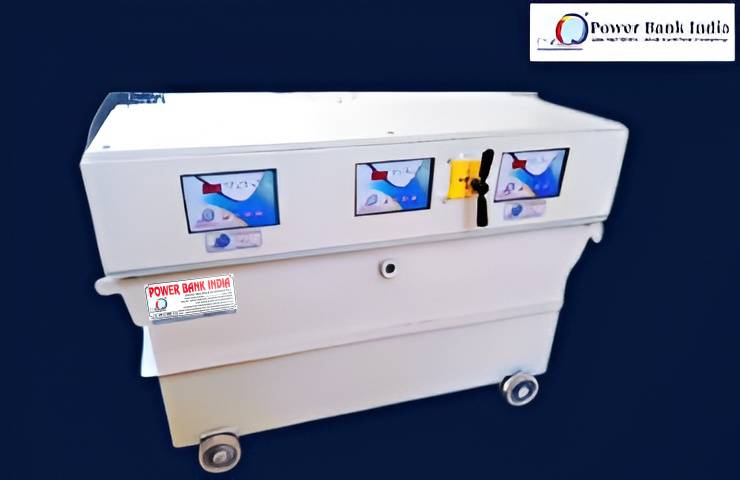
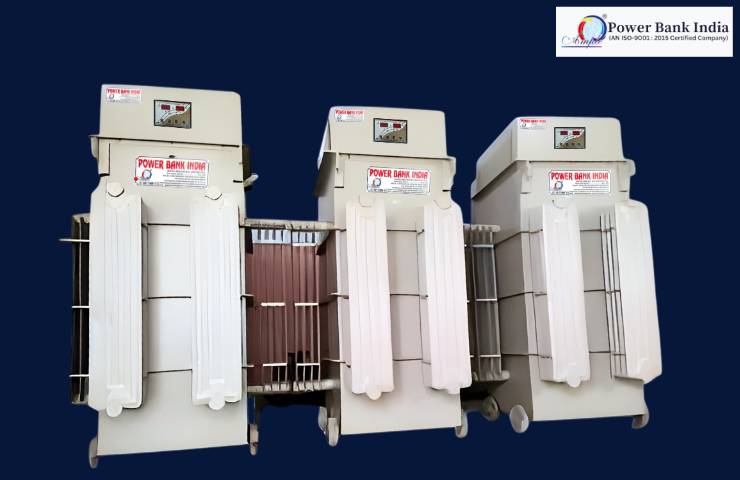
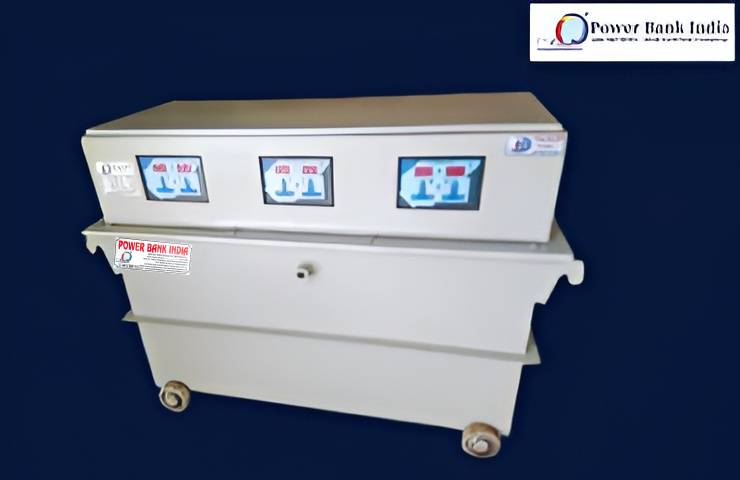
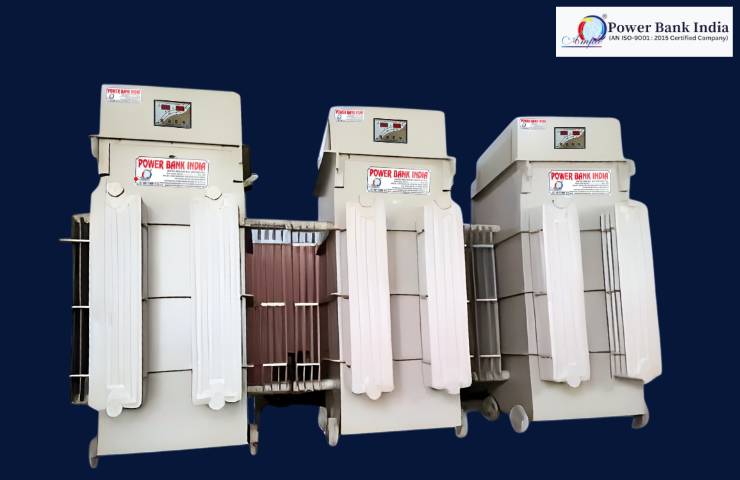
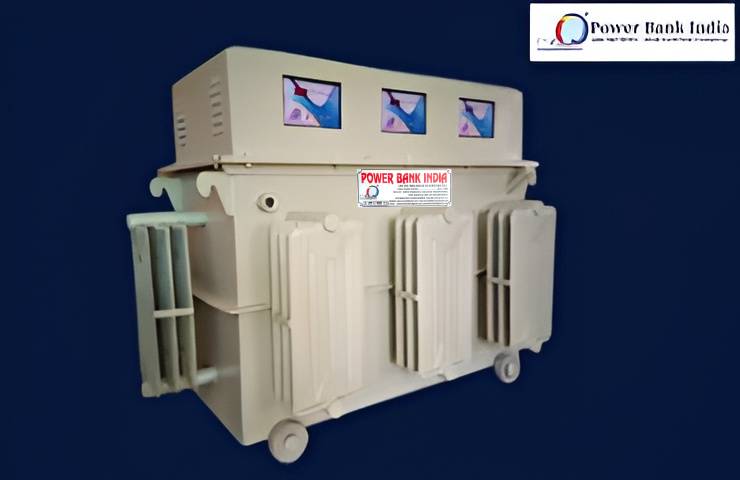
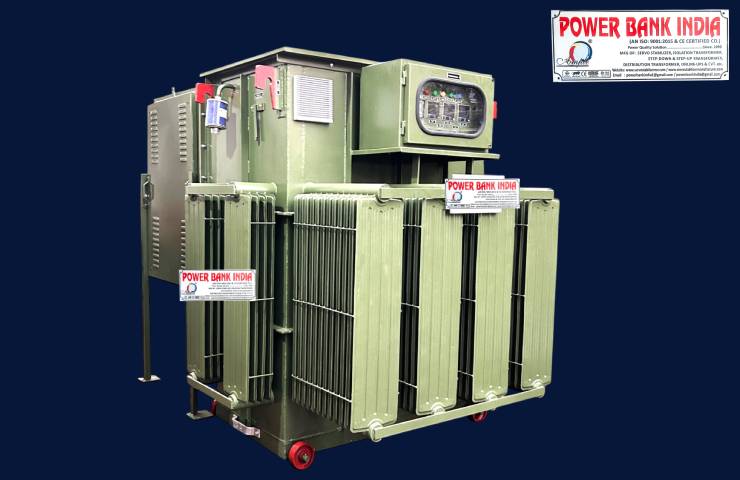
Stable electricity is essential for industrial machines, production systems, and heavy electrical equipment. Frequent voltage fluctuations can cause overheating, unexpected shutdowns, reduced efficiency, and damage to sensitive components. An Oil Cooled Servo Voltage Stabilizer provides automatic voltage correction while using insulating oil for cooling and electrical insulation.
These stabilizers are designed for applications where equipment operates continuously and requires dependable voltage regulation. Their combination of automatic correction, thermal management, and heavy-duty construction makes them suitable for demanding electrical environments.
Understanding Voltage Fluctuations in Industrial Power Systems
Voltage fluctuations occur when the supplied voltage moves above or below the required operating level. Industrial facilities may experience these variations because of changing loads, long power lines, switching operations, or fluctuations in the electrical grid.
Even small variations can affect motors, automation systems, control panels, transformers, and electronic equipment. A voltage stabilizer helps maintain a more consistent supply for connected machinery.
What Makes an Oil Cooled Stabilizer Different?
The major difference is the cooling and insulation arrangement.
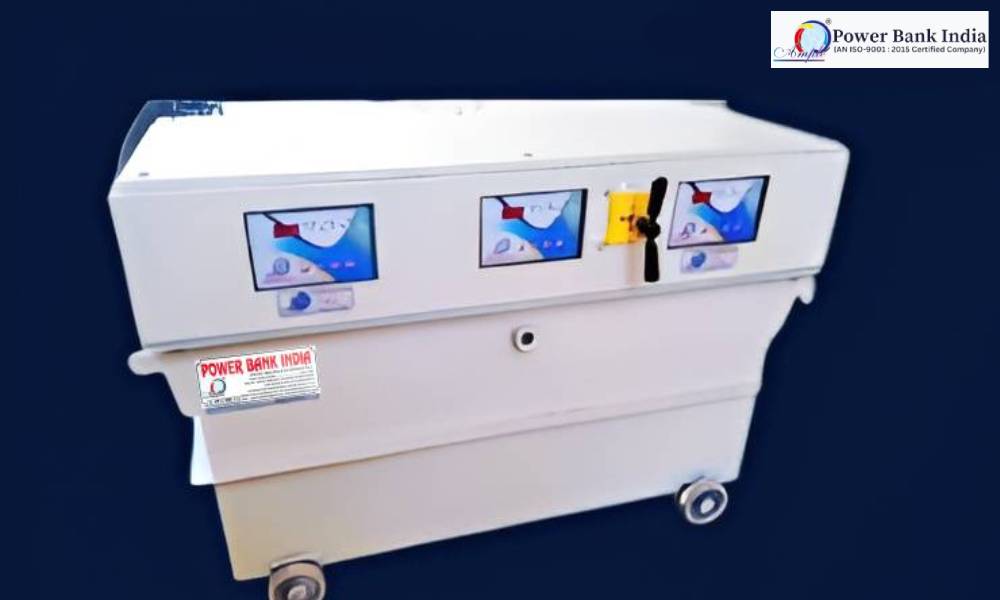
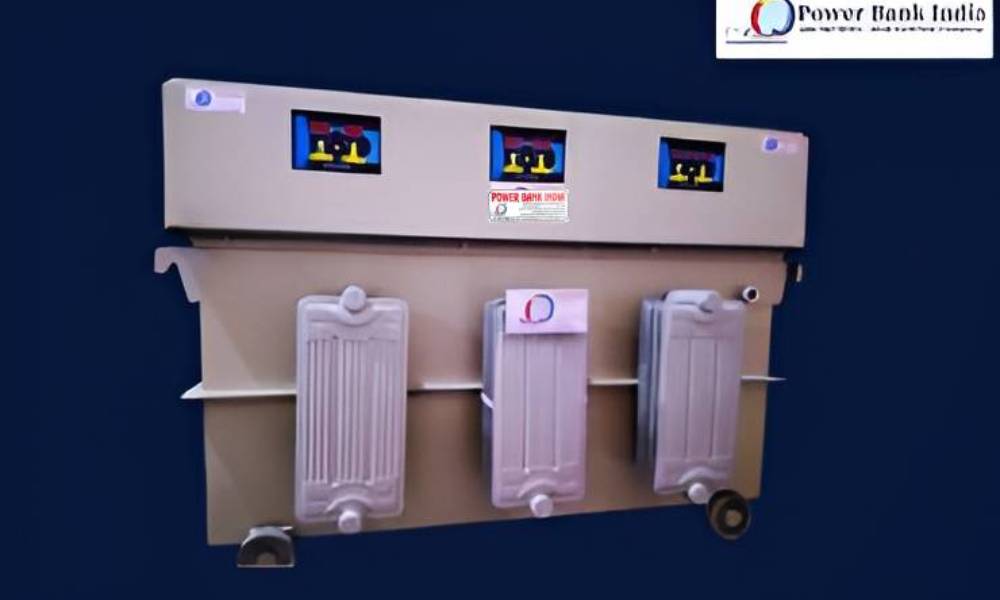
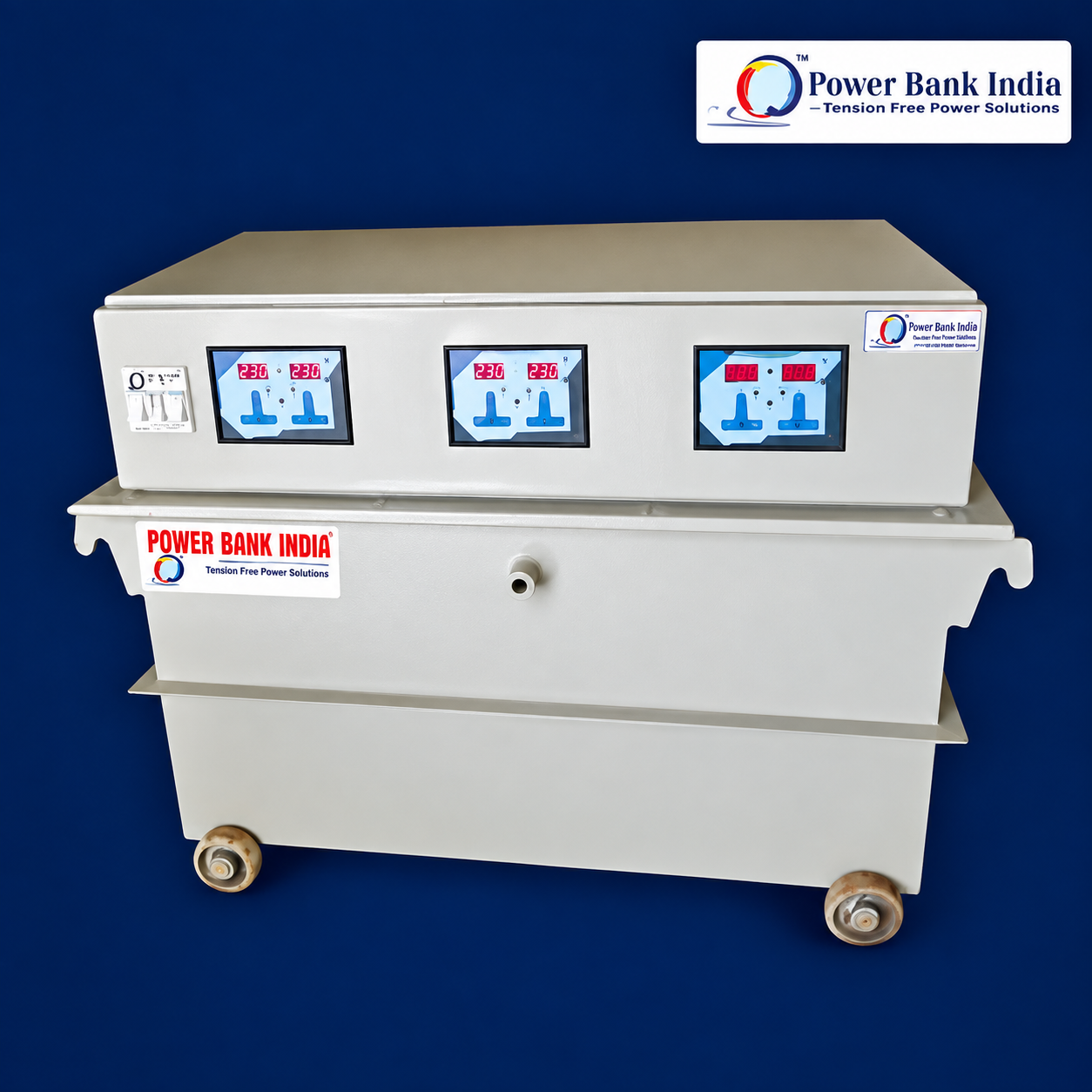
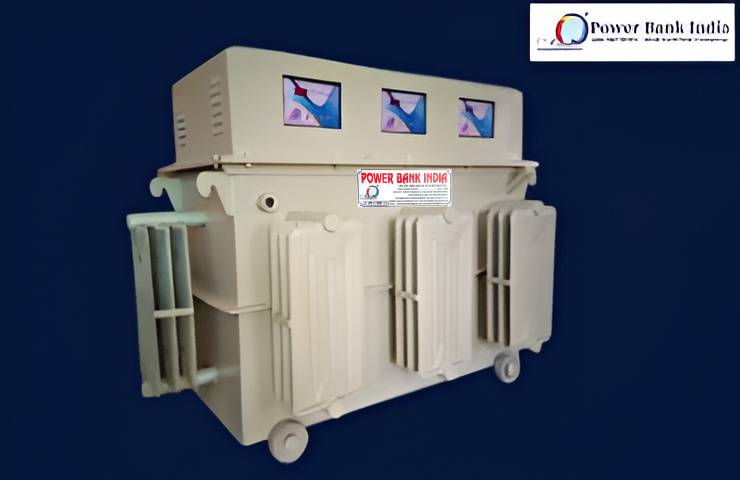
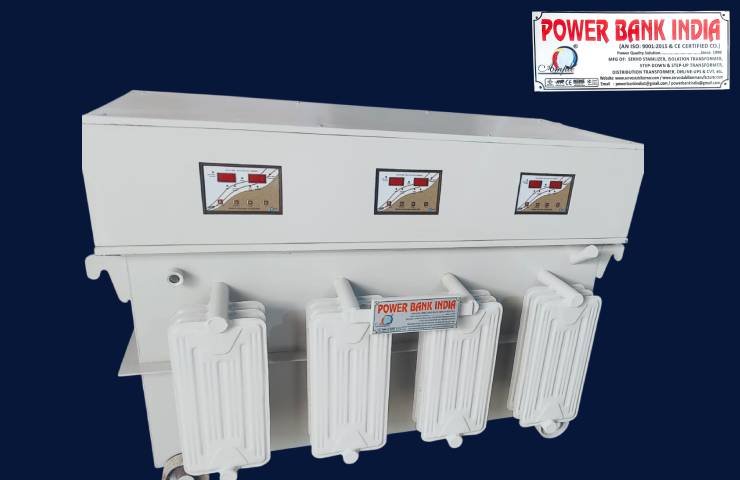
In an oil cooled design, electrical components are placed inside an enclosure containing insulating oil. The oil absorbs and transfers heat generated during operation while also providing electrical insulation.
This arrangement makes the technology particularly suitable for applications involving continuous operation and higher electrical loads.
Role of the Servo Motor in Voltage Regulation
The servo motor is an important part of a servo voltage stabilizer. It works with the control system to adjust the voltage correction mechanism according to changes in the input supply.
When the incoming voltage changes, the control circuit detects the variation and directs the servo motor to make the required adjustment.
This automatic process allows the stabilizer to continuously regulate the output voltage without manual intervention.
Importance of the Buck-Boost Transformer
The buck-boost transformer performs the actual voltage correction.
When the input voltage is lower than the required level, the transformer can boost the voltage. When the input voltage is higher, it can reduce the voltage.
This process allows the stabilizer to maintain the required output within its specified regulation range.
Where Stable Voltage Matters Most
Voltage stability becomes particularly important when electrical equipment is expensive, sensitive, or continuously operated.
Industries using CNC equipment, industrial automation, compressors, pumps, motors, production lines, and electronic control systems can benefit from regulated power.
A stable supply can help reduce interruptions and minimize electrical stress on connected equipment.
Advantages of Oil Based Cooling Technology
Oil cooling provides several advantages for heavy-duty stabilizer applications.
Better Heat Transfer
Insulating oil transfers heat away from internal electrical components, helping control operating temperatures.
Improved Electrical Insulation
The oil also acts as an insulating medium around electrical components.
Suitable for Continuous Operation
Oil cooled systems can be designed for applications where stabilizers need to operate for extended periods.
Support for High-Capacity Applications
The technology is commonly associated with larger industrial voltage stabilizers where thermal management is important.
Industries That Can Use Oil Cooled Servo Stabilizers
Oil cooled servo voltage stabilizers can be used across different industrial environments.
Manufacturing Plants
Production machinery often requires stable power to maintain consistent operation.
Textile Industry
Textile machinery and automated production equipment can benefit from controlled voltage conditions.
Plastic Processing
Machines used for plastic processing may contain motors, heaters, and electronic controls that require dependable electrical power.
Metal and Fabrication Units
Heavy machinery used in metal processing can create significant electrical loads, making voltage regulation important.
Industrial Automation
PLC systems, drives, sensors, and control equipment can be affected by unstable electrical conditions.
Large Commercial Installations
Commercial facilities with substantial electrical loads can use stabilizers to regulate incoming power for connected systems.
Protection Systems in Modern Stabilizers
Modern oil cooled servo stabilizers can be equipped with different protection mechanisms depending on their design and application.
Common protection features may include:
Over-voltage protection
Under-voltage protection
Overload protection
Short-circuit protection
Thermal protection
Phase failure protection
High and low voltage cut-off
These features can help protect both the stabilizer and connected equipment during abnormal electrical conditions.
Installation Considerations for Oil Cooled Stabilizers
Correct installation is important for safe and reliable operation.
The stabilizer should be installed in a suitable location with adequate space around the equipment. The foundation should be capable of supporting the stabilizer's weight.
Proper electrical connections, earthing, cable sizing, ventilation requirements, and safety clearances should be considered according to the manufacturer's specifications.
For industrial installations, the stabilizer should be installed and commissioned by qualified electrical professionals.
Maintenance Requirements
Regular maintenance can help keep an oil cooled servo voltage stabilizer operating efficiently.
Maintenance may include checking the oil condition, electrical connections, control components, terminals, cooling arrangements, and protective systems.
The oil level and condition should be inspected according to the manufacturer's recommended maintenance schedule. Any unusual noise, overheating, leakage, or abnormal output should be investigated promptly.
Preventive maintenance is particularly important for stabilizers operating continuously under heavy loads.
Selecting the Right Stabilizer Capacity
Choosing the correct capacity is one of the most important steps when purchasing a stabilizer.
Start by calculating the connected electrical load and identifying equipment with high starting currents, such as motors and compressors.
The stabilizer should have sufficient capacity to handle the actual operating load as well as relevant starting requirements.
Input voltage range, output voltage, phase configuration, load characteristics, and installation conditions should also be considered before selecting a model.
How an Oil Cooled Servo Stabilizer Supports Equipment
A stabilizer does more than simply increase or decrease voltage. Its main purpose is to maintain a controlled supply for connected equipment.
By correcting excessive or insufficient input voltage, it can help reduce electrical stress and provide more consistent operating conditions.
This can be particularly useful for equipment containing motors, transformers, control circuits, and sensitive electronic components.
Things to Check Before Buying
Before selecting an Oil Cooled Servo Voltage Stabilizer, consider:
Required KVA capacity
Input voltage range
Output voltage
Single-phase or three-phase configuration
Load type
Required correction speed
Protection features
Cooling arrangement
Installation space
Maintenance requirements
Manufacturer specifications
Matching the stabilizer to the actual electrical application is important for reliable long-term performance.
Frequently Asked Questions (FAQs)
1. What is an Oil Cooled Servo Voltage Stabilizer?
It is an automatic voltage regulation system that uses servo technology and insulating oil for cooling and electrical insulation.
2. Why is oil used in a servo stabilizer?
Oil helps transfer heat away from internal components and provides electrical insulation during operation.
3. Where are oil cooled servo stabilizers used?
They are commonly used for industrial machinery, production systems, motors, automation equipment, and high-load applications.
4. Does an oil cooled stabilizer require maintenance?
Yes. Regular inspection of oil condition, connections, protection systems, and other components is recommended.
5. How do I select the correct stabilizer capacity?
Capacity should be selected according to connected load, starting current, input voltage range, and the electrical requirements of the equipment.
6. Can an oil cooled stabilizer operate continuously?
Yes, suitable industrial models can be designed for continuous operation when correctly sized, installed, and maintained.
Conclusion
An Oil Cooled Servo Voltage Stabilizer is designed to provide controlled and reliable voltage for demanding electrical applications. Its servo-based regulation system automatically corrects voltage variations, while insulating oil supports heat management and electrical insulation.
For industrial facilities, selecting the correct capacity, voltage range, protection features, and cooling configuration is essential. With proper installation and preventive maintenance, an oil cooled servo stabilizer can provide dependable voltage regulation for a wide range of heavy-duty electrical equipment.