Introduction
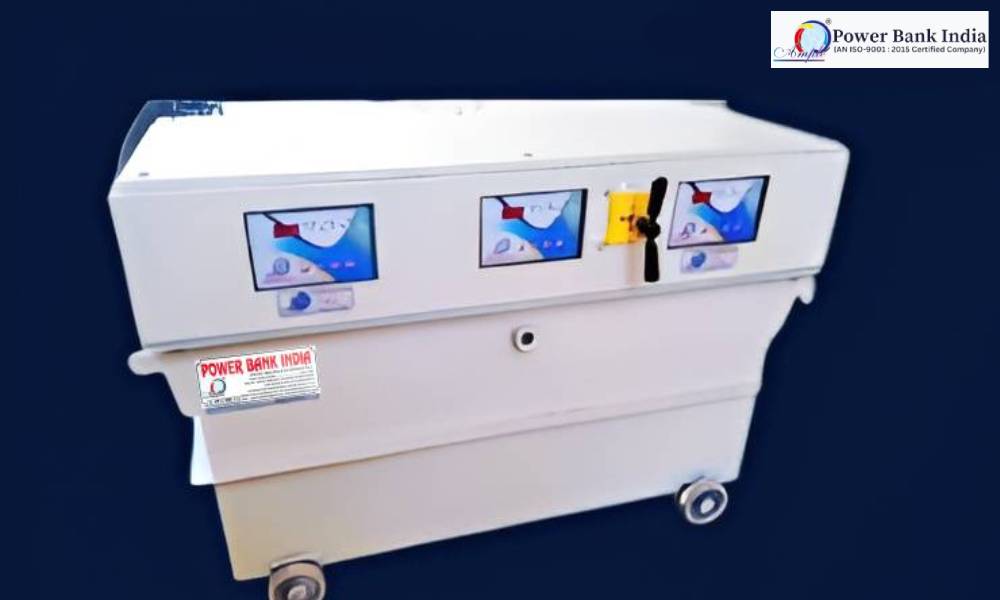
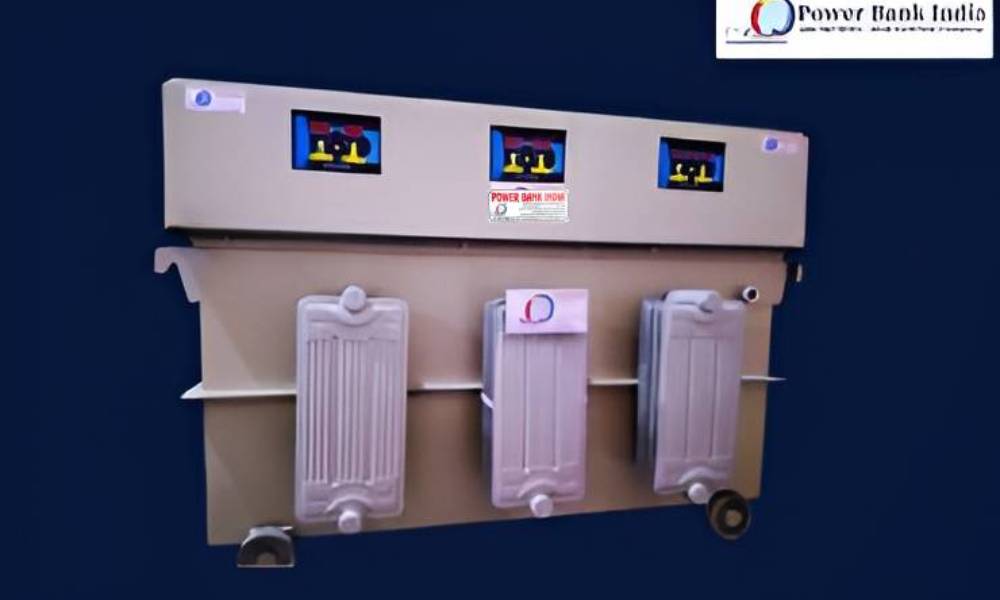
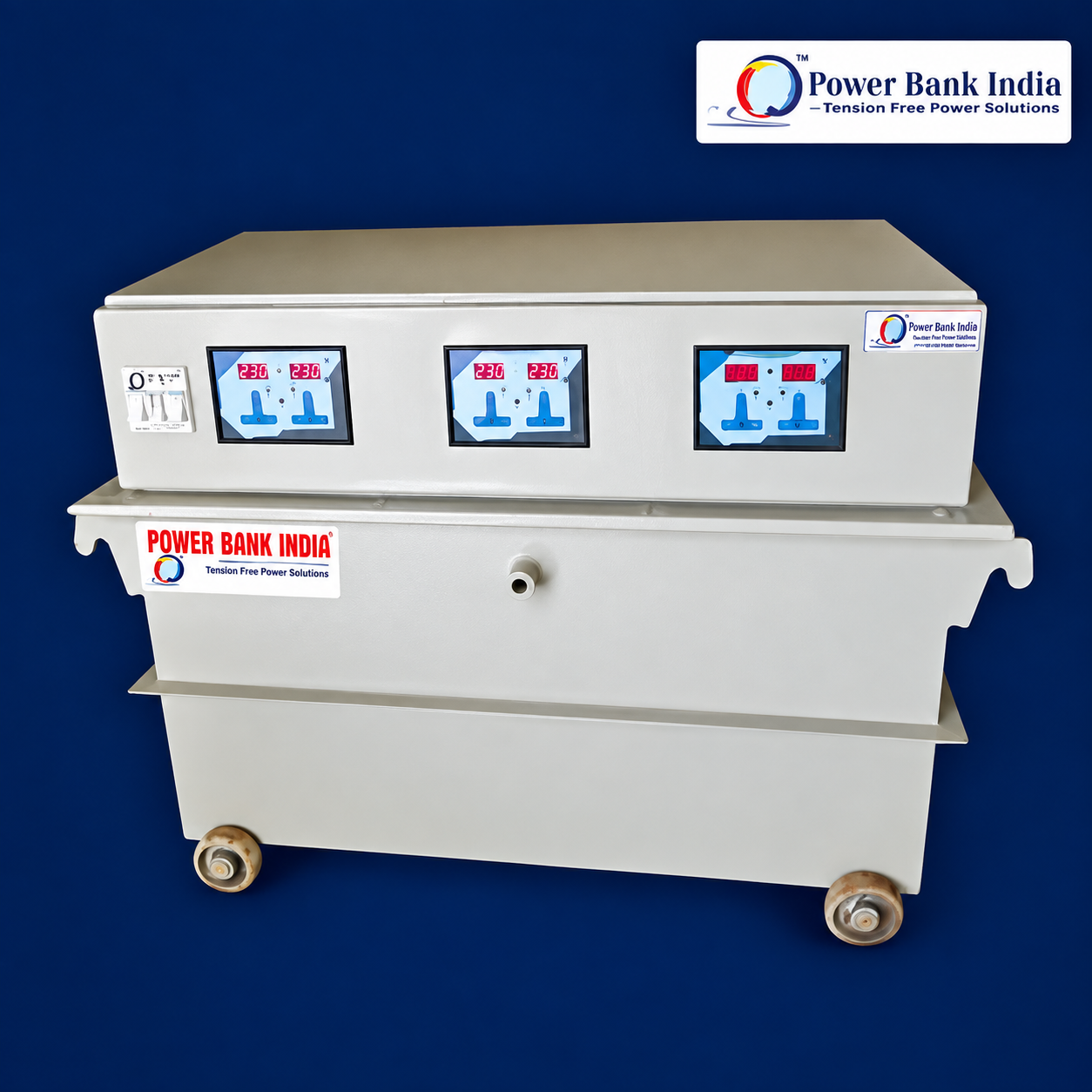
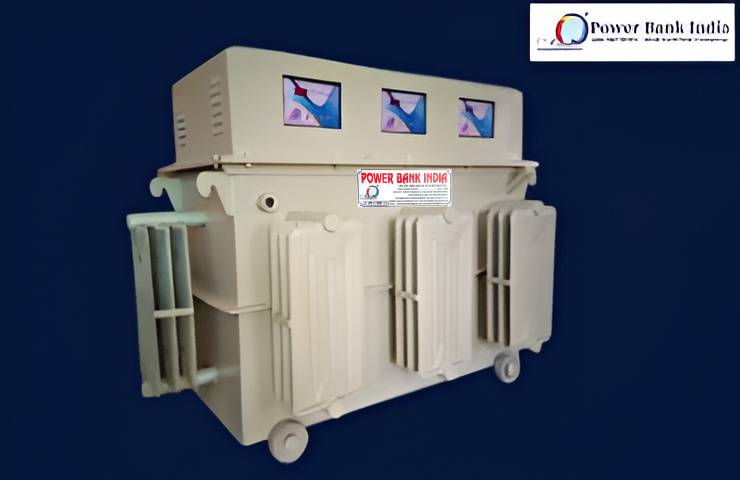
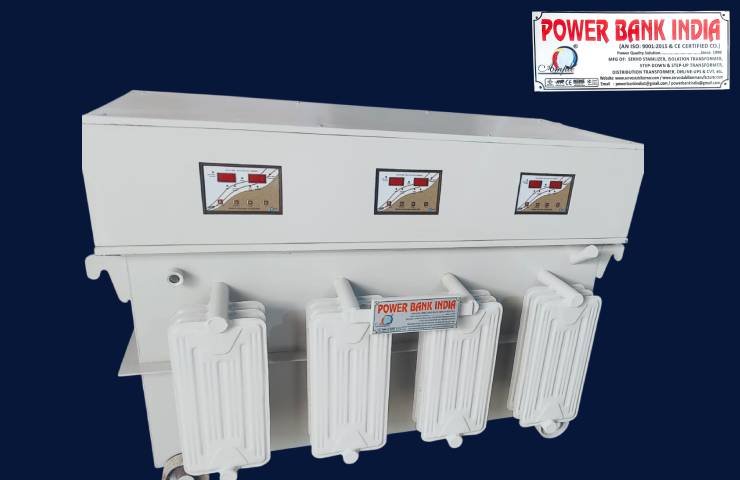
Stable electrical power is important for industries, manufacturing facilities, commercial establishments, and businesses operating heavy electrical machinery. Variations in incoming voltage can affect equipment performance, increase operational interruptions, and place additional stress on electrical components. An oil cooled servo voltage stabilizer in DELHI NCR provides automatic voltage regulation for applications where reliable and consistent power is required.
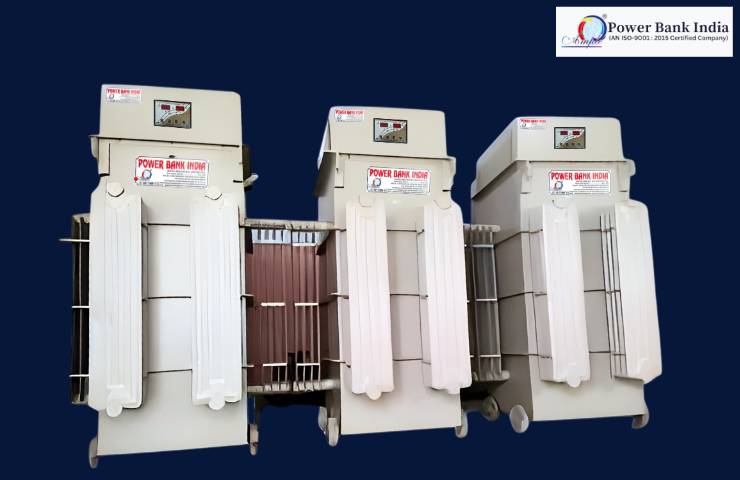
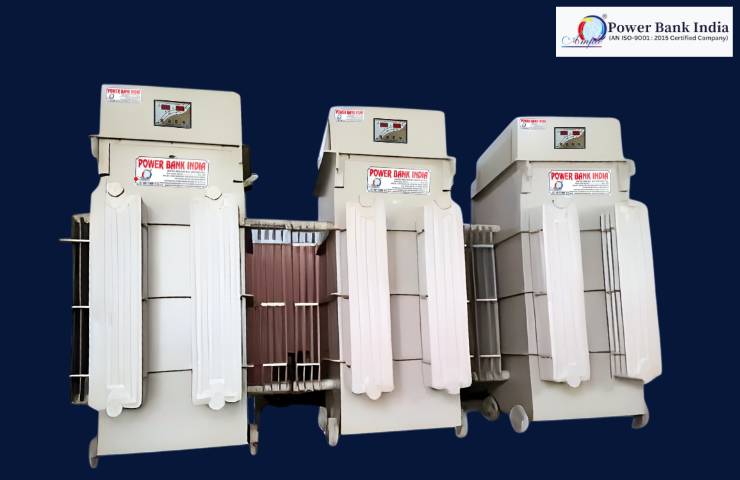
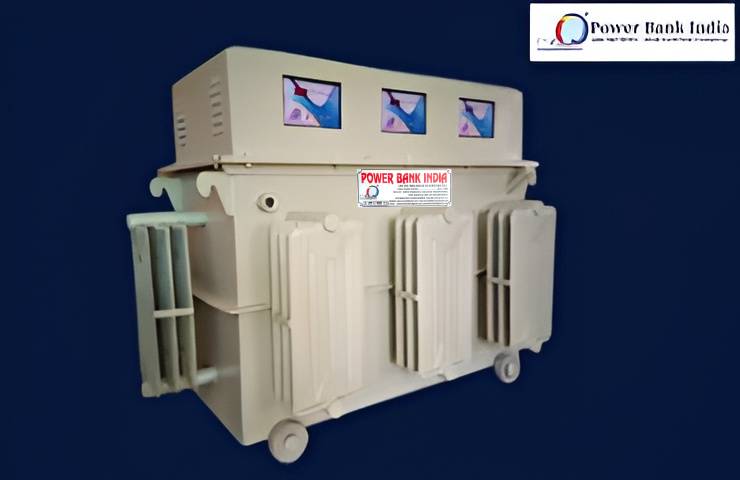
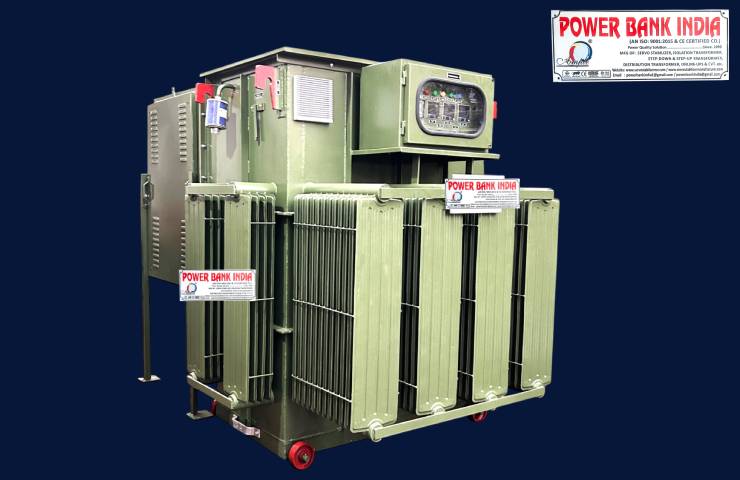
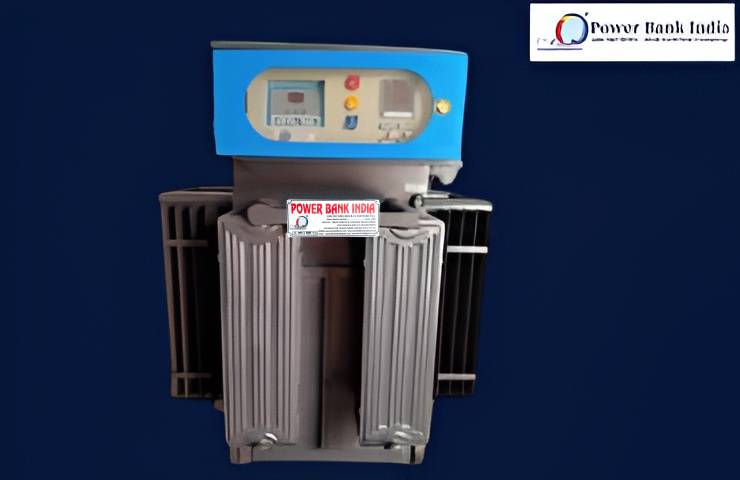
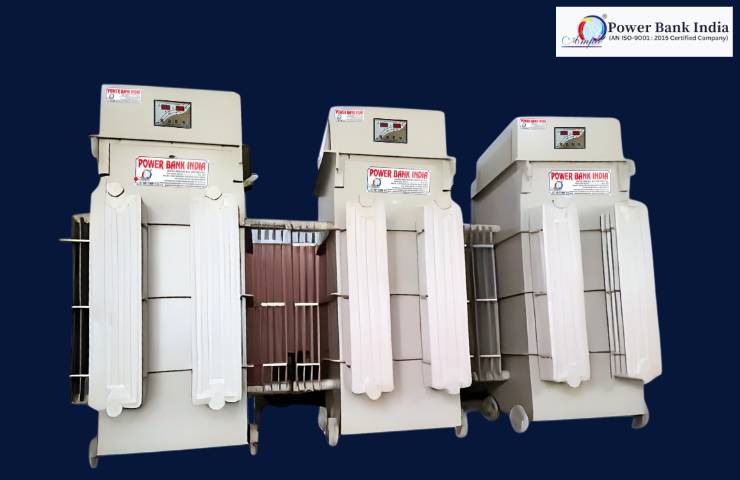
Oil cooled servo stabilizers use transformer oil as the cooling medium while a servo-controlled voltage regulation mechanism continuously corrects fluctuations in the incoming supply. They are commonly considered for applications involving higher electrical loads and demanding operating conditions where effective heat management is important.
Why Voltage Stability Matters for Industrial Equipment
Industrial equipment is often designed to operate within a specified voltage range. However, the actual incoming supply can fluctuate because of changes in electrical demand, distribution conditions, load switching, and other factors.
Voltage that is consistently too high or too low can affect motors, control systems, electronic components, automation equipment, and other electrical loads. For businesses operating expensive machinery, maintaining an appropriate power supply can therefore be an important part of overall equipment management.
A servo voltage stabilizer automatically monitors the incoming voltage and adjusts the output to help maintain a more consistent supply for connected equipment.
How an Oil Cooled Servo Voltage Stabilizer Works
An oil cooled servo stabilizer combines automatic voltage correction with an oil-based cooling arrangement. The stabilizer continuously senses the input voltage and compares it with the required output voltage.
When a variation occurs, the control system activates the servo motor. The motor adjusts the voltage regulating mechanism to compensate for the fluctuation. This allows the stabilizer to maintain the desired output voltage within its specified operating range.
During operation, heat generated by the electrical components is transferred to the insulating transformer oil. The oil helps dissipate heat and provides electrical insulation within the transformer assembly. This makes oil cooling suitable for certain higher-capacity and industrial applications.
Benefits of an Oil Cooled Servo Stabilizer
Businesses choosing an oil cooled servo voltage stabilizer can benefit from a combination of automatic voltage correction and oil-based thermal management.
- Automatic voltage regulation: Continuously corrects variations in the incoming electrical supply.
- Effective heat dissipation: Transformer oil helps manage heat generated during operation.
- Suitable for industrial loads: Oil cooled configurations can be designed for demanding electrical applications.
- Electrical insulation: Transformer oil also serves as an insulating medium within suitable equipment designs.
- Stable output: Helps provide a more consistent voltage supply to connected machinery.
- Heavy-duty applications: Suitable configurations can support industrial equipment requiring higher power capacities.
Applications in DELHI NCR
Businesses across DELHI NCR operate a wide variety of industrial and commercial equipment. An appropriately rated oil cooled servo stabilizer can be considered for applications where voltage regulation and suitable thermal management are required.
Manufacturing Facilities
Manufacturing units may operate multiple machines, motors, control panels, and automated production systems. A suitable servo stabilizer can help regulate voltage supplied to compatible equipment.
CNC and Machine Tools
CNC machines and other precision equipment contain electronic controls, drives, motors, and sensitive components. Stable voltage can support consistent operation and help reduce the effects of ordinary supply fluctuations.
Industrial Automation
Automation systems rely on controllers, sensors, drives, motors, and other electrical components. Voltage regulation can be useful where the connected equipment requires a controlled power supply.
Printing and Packaging Machinery
Modern printing and packaging equipment may combine motors, electronic controls, sensors, and automated mechanisms. A properly selected stabilizer can support consistent electrical operation.
Heavy Electrical Equipment
Industrial facilities with high-capacity electrical equipment may require voltage stabilization solutions designed according to their total load and operating conditions.
Key Features to Consider Before Selection
Choosing an oil cooled servo voltage stabilizer in DELHI NCR requires an evaluation of the electrical load and operating environment. The following factors should be considered before selecting a particular configuration.
Input Voltage Range
The input range determines the voltage variation the stabilizer can accommodate while maintaining the specified output. The actual voltage conditions at the installation site should be evaluated before selecting the equipment.
Output Voltage
The required output voltage should match the electrical specifications of the connected machinery. The phase configuration should also be verified before installation.
kVA Capacity
The stabilizer capacity must be appropriate for the connected load. Equipment with motors and other inductive loads may require additional consideration because of starting currents.
Correction Speed
The correction speed determines how quickly the stabilizer responds to changes in the input voltage. The required response depends on the application and the type of equipment being supplied.
Protection System
Depending on the design, stabilizers may include protection against overload, short circuit, high voltage, low voltage, and other abnormal operating conditions.
Oil Cooled vs Air Cooled Servo Stabilizer
Oil cooled and air cooled servo stabilizers both provide automatic voltage regulation, but they use different cooling methods. The right choice depends on capacity, application, installation conditions, and project requirements.
| Feature | Oil Cooled | Air Cooled |
|---|---|---|
| Cooling medium | Transformer oil | Air |
| Heat management | Oil assists with heat transfer and insulation | Heat is dissipated through air circulation |
| Typical consideration | Suitable for certain higher-capacity and demanding applications | Suitable for applications where air cooling is appropriate |
| Maintenance | Requires monitoring of oil condition and related components | Requires appropriate ventilation and inspection of cooling components |
Neither cooling method is automatically suitable for every application. The decision should be based on the required capacity, environment, equipment characteristics, installation conditions, and manufacturer's specifications.
How to Calculate the Required Stabilizer Capacity
Correct capacity selection is essential when purchasing an oil cooled servo stabilizer. The stabilizer should be capable of handling the total connected load under normal operating conditions.
Begin by identifying the power requirements of all equipment that will be connected to the stabilizer. For motors, compressors, pumps, and other inductive loads, starting current should also be considered because their initial power requirement can be significantly higher than their normal running load.
Businesses should also consider possible future expansion. If additional machinery is expected to be added later, the stabilizer capacity may need to accommodate the anticipated increase in electrical demand.
Installation Requirements
Proper installation is important for the safe and reliable operation of an oil cooled servo stabilizer. The installation location should provide adequate space for inspection, maintenance, and safe operation.
The foundation or supporting surface should be suitable for the equipment's weight. Electrical connections should be completed according to the manufacturer's specifications, and appropriate earthing should be provided.
Before commissioning, technicians should verify input voltage, output voltage, phase configuration, load connections, protection settings, and other relevant electrical parameters.
Maintenance of Oil Cooled Servo Stabilizers
Regular maintenance helps support reliable operation over the equipment's service life. Oil cooled stabilizers require particular attention to the condition of the transformer oil and associated components.
Maintenance may include checking oil levels and condition, inspecting electrical connections, examining terminals, checking the servo motor and control mechanism, and looking for signs of overheating or leakage.
The maintenance schedule should follow the manufacturer's recommendations and should also take into account the stabilizer's operating environment and load conditions.
Importance of Proper Oil Management
Transformer oil performs both cooling and electrical insulation functions in an oil cooled stabilizer. Therefore, maintaining the appropriate oil condition is important for reliable operation.
Oil should be inspected according to the manufacturer's recommended maintenance schedule. Any signs of leakage, contamination, deterioration, or abnormal heating should be investigated by qualified personnel.
Proper oil management can help maintain the thermal and insulation characteristics required for dependable operation.
Protecting Industrial Machinery From Voltage Fluctuations
Industrial machinery can represent a significant investment, and unexpected electrical problems can interrupt production activities. Voltage fluctuations may affect motors, drives, controllers, sensors, and other components depending on the severity and duration of the variation.
A properly sized servo voltage stabilizer can automatically correct suitable input-voltage variations before supplying power to connected equipment. This can support more consistent electrical conditions for compatible machinery.
However, voltage stabilization should be considered as one part of a complete electrical protection strategy. Proper wiring, earthing, circuit protection, load management, and equipment maintenance remain important.
Choosing an Oil Cooled Servo Voltage Stabilizer in DELHI NCR
When selecting an oil cooled servo voltage stabilizer in DELHI NCR, businesses should first understand their actual electrical requirements. Information about the connected load, input voltage fluctuations, output voltage, phase configuration, operating environment, and expected expansion can help determine the appropriate configuration.
It is also useful to consider the installation location and maintenance requirements before finalizing the equipment. Oil cooled systems require suitable arrangements for inspection and maintenance of the oil-filled components.
Working with an experienced stabilizer supplier can help businesses evaluate these requirements and select a model appropriate for their application.
Why Choose Servoset?
Servoset provides servo voltage stabilization solutions designed for different industrial and commercial applications. Its solutions can be considered by businesses requiring automatic voltage regulation for equipment operating under varying electrical conditions.
For an oil cooled servo voltage stabilizer in DELHI NCR, customers should provide details about their machinery, load requirements, input voltage conditions, and installation environment before selecting the appropriate capacity and configuration.
Important Points Before Purchasing
Before purchasing an oil cooled servo stabilizer, businesses should evaluate the following factors:
- Determine the total connected load.
- Check whether the application is single-phase or three-phase.
- Measure the expected input voltage variation.
- Select an appropriate input voltage range.
- Confirm the required output voltage.
- Calculate the appropriate kVA capacity.
- Consider starting current for motors and inductive loads.
- Review available protection features.
- Ensure adequate installation space.
- Consider oil inspection and maintenance requirements.
- Follow appropriate earthing and electrical installation practices.
Frequently Asked Questions
What is an oil cooled servo voltage stabilizer?
An oil cooled servo voltage stabilizer automatically regulates voltage while using transformer oil for cooling and electrical insulation.
Where are oil cooled servo stabilizers used?
They can be used for suitable industrial, manufacturing, automation, CNC, printing, and other high-load applications.
What is the benefit of oil cooling?
Oil provides an effective medium for transferring heat while also providing electrical insulation within suitable transformer designs.
How do I choose the correct kVA capacity?
The capacity should be selected according to the connected load, starting current, operating conditions, and potential future expansion.
What is the difference between oil cooled and air cooled stabilizers?
Oil cooled stabilizers use transformer oil for cooling, while air cooled stabilizers dissipate heat through air circulation.
Does an oil cooled stabilizer require maintenance?
Yes, regular inspection of the oil, electrical connections, control mechanism, and other components is recommended.
Conclusion
An oil cooled servo voltage stabilizer in DELHI NCR can be a practical solution for industries and commercial facilities that require automatic voltage regulation for demanding electrical applications. Voltage fluctuations can affect machinery, motors, control systems, automation equipment, and other electrical components, making consistent power an important consideration for many businesses.
The combination of servo-based voltage correction and oil-based cooling allows suitable stabilizer configurations to handle demanding operating conditions while providing controlled output voltage. The transformer oil also performs an important role in heat transfer and electrical insulation within the equipment.
However, selecting the right stabilizer requires more than choosing a high-capacity model. Businesses should evaluate their connected load, input voltage range, output requirements, phase configuration, motor starting currents, installation environment, protection requirements, and future expansion plans before making a decision.
Proper installation and maintenance are equally important. The equipment should be installed on a suitable foundation with appropriate electrical connections and earthing. Regular inspection of transformer oil, terminals, control components, servo mechanisms, and other parts can help maintain dependable operation.
For businesses searching for an oil cooled servo voltage stabilizer in DELHI NCR, selecting equipment from an experienced supplier can make it easier to match the stabilizer with the actual application. Servoset offers servo voltage stabilization solutions for different electrical requirements, allowing businesses to evaluate suitable configurations according to their machinery and power needs.
With proper capacity selection, installation, and maintenance, an oil cooled servo voltage stabilizer can support stable voltage delivery and consistent operation of compatible industrial and commercial equipment.