Introduction
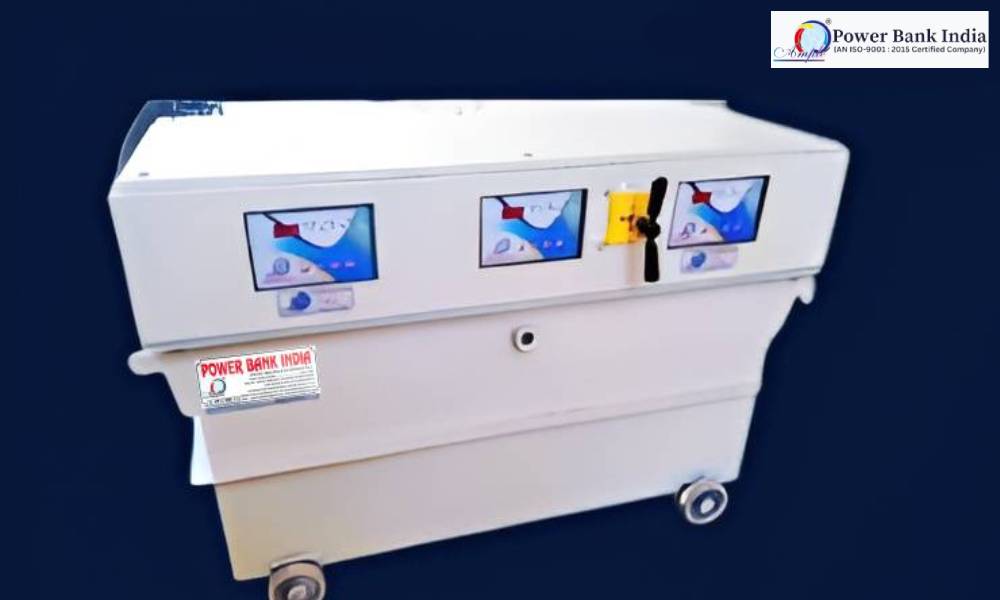
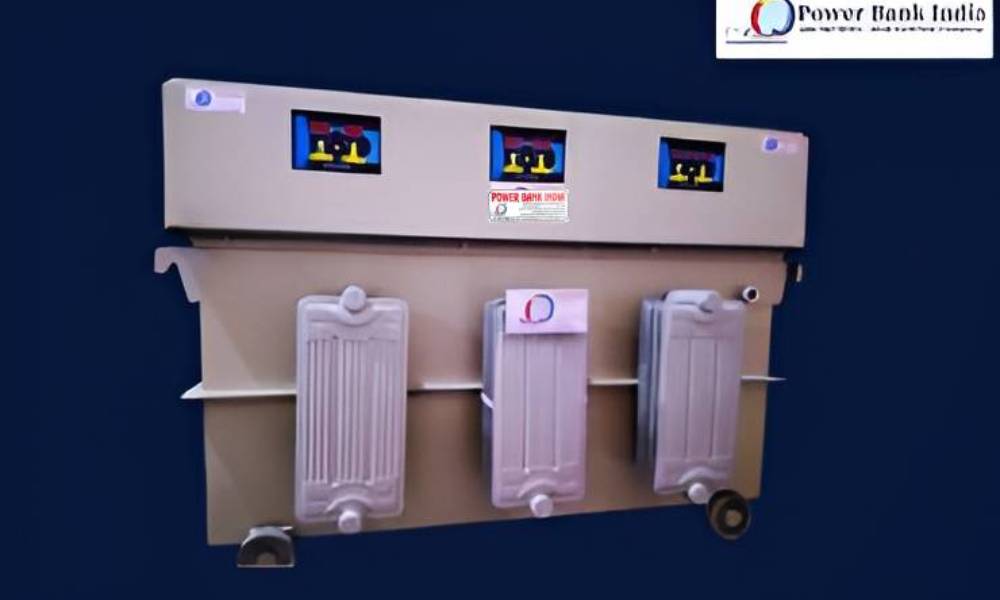
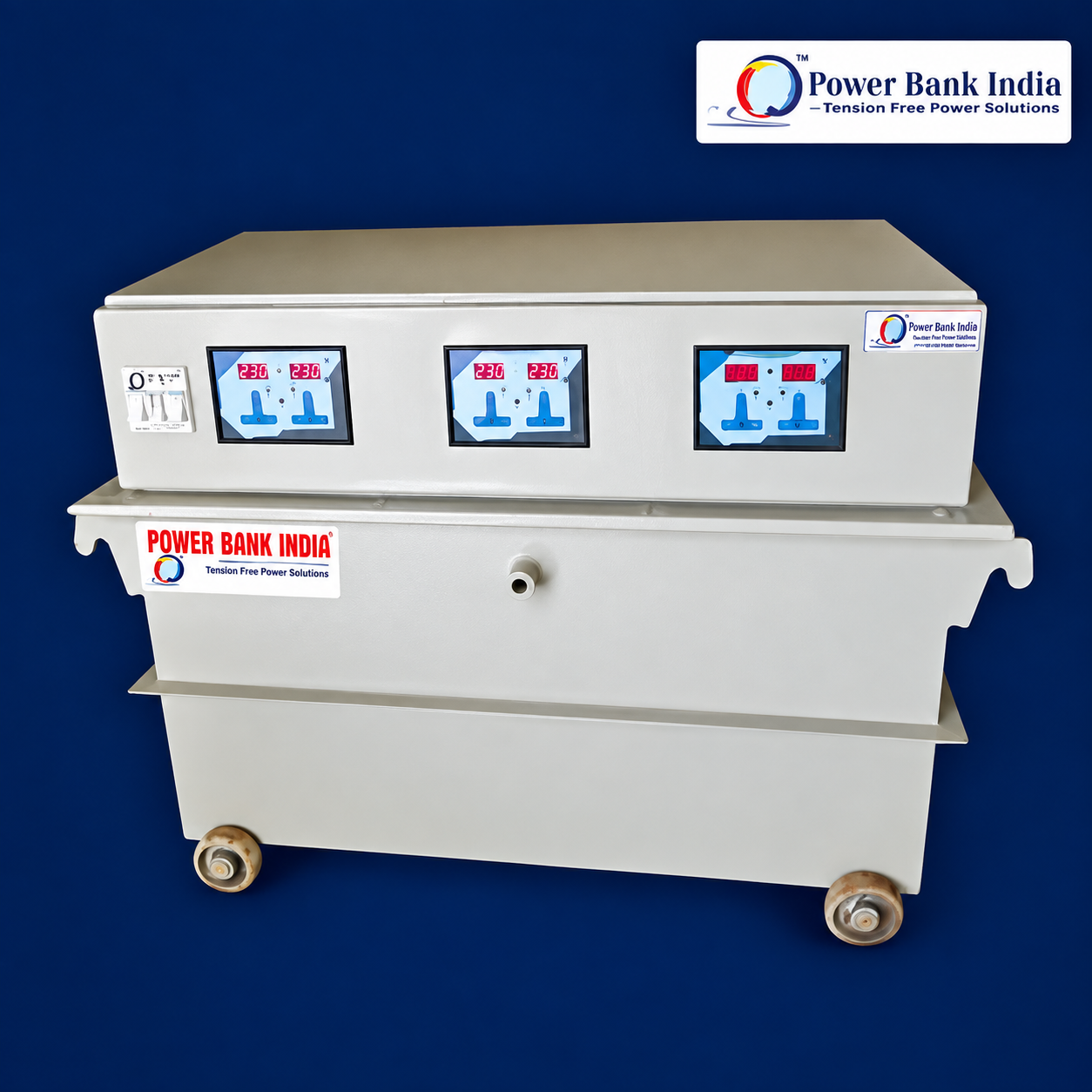
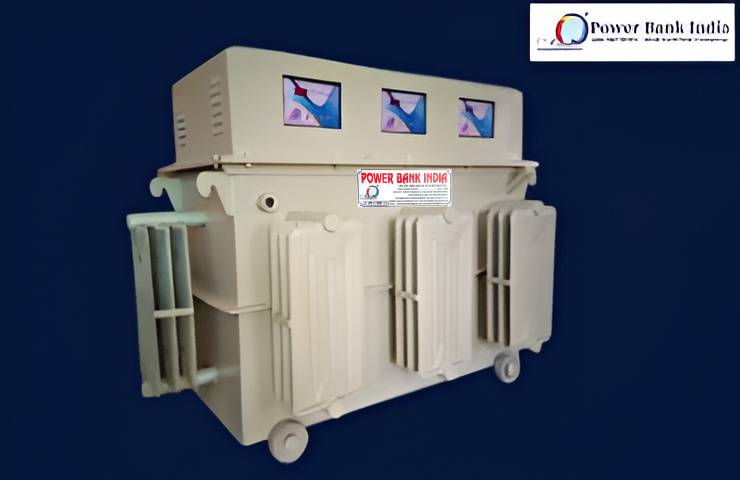
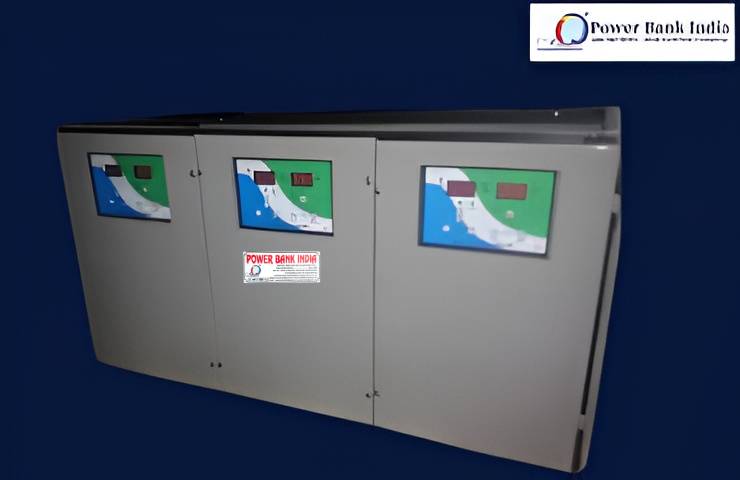
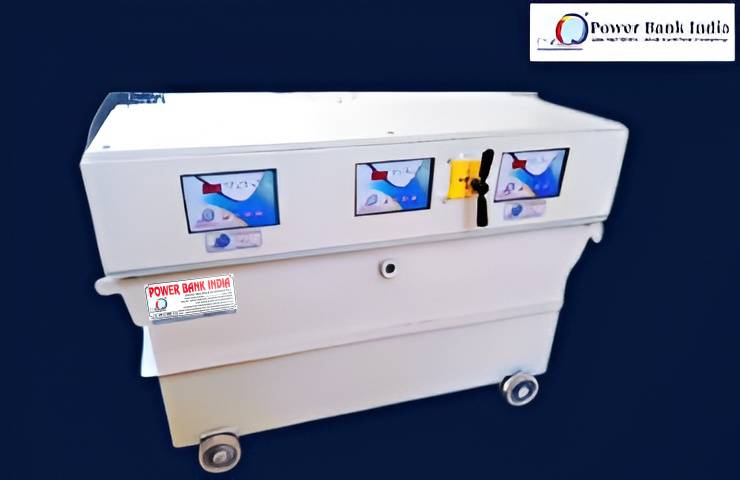
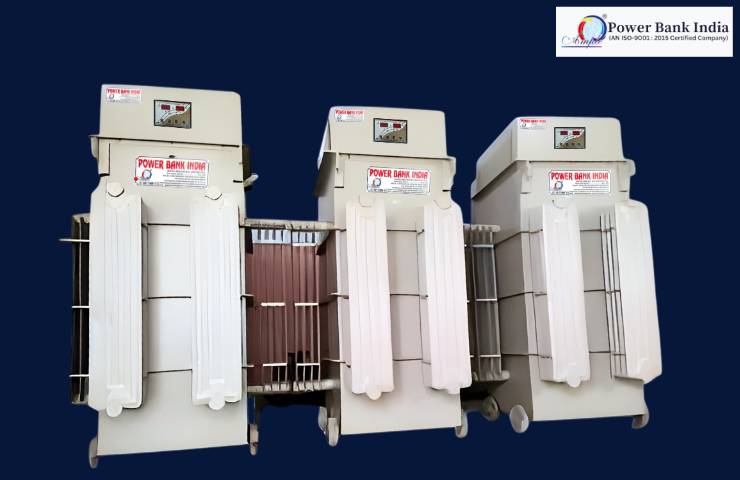
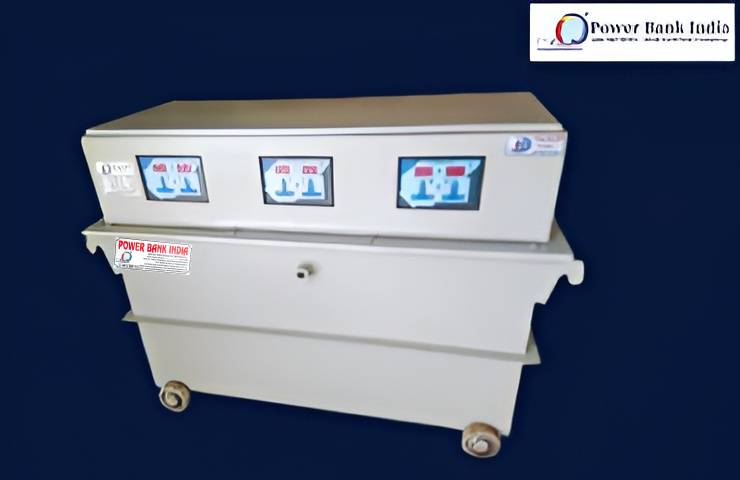
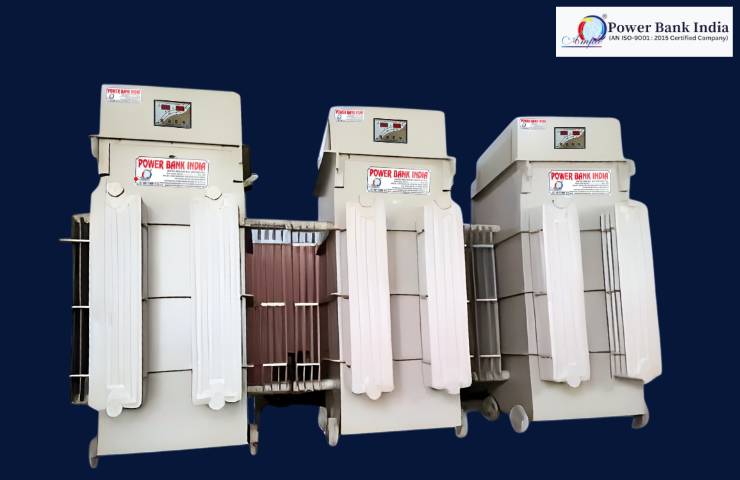
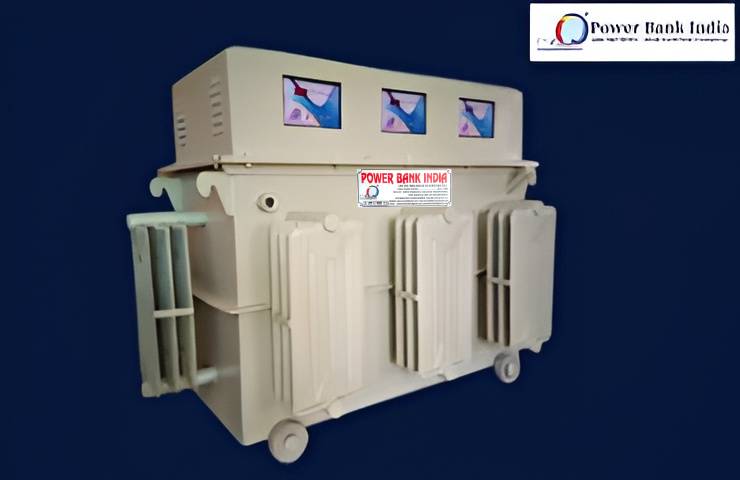
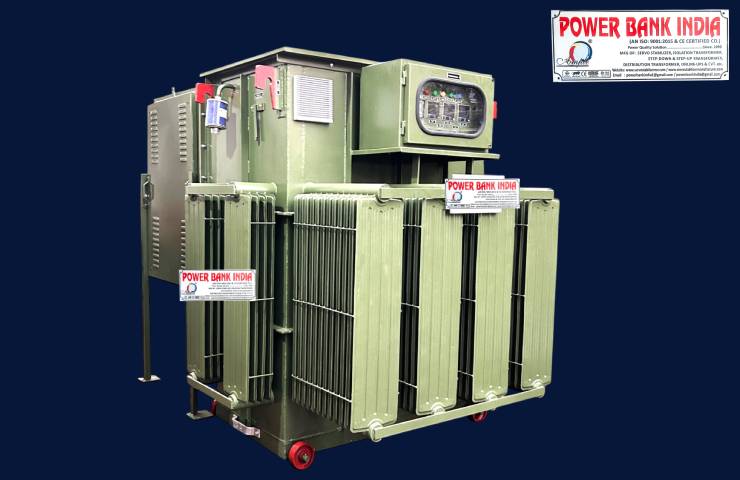
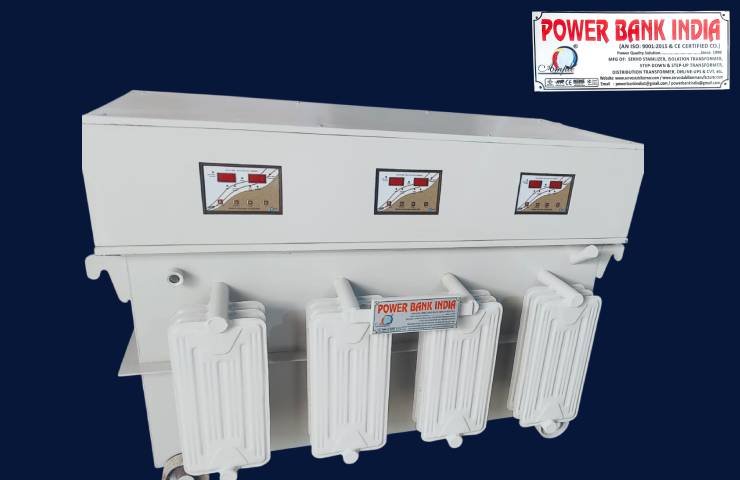
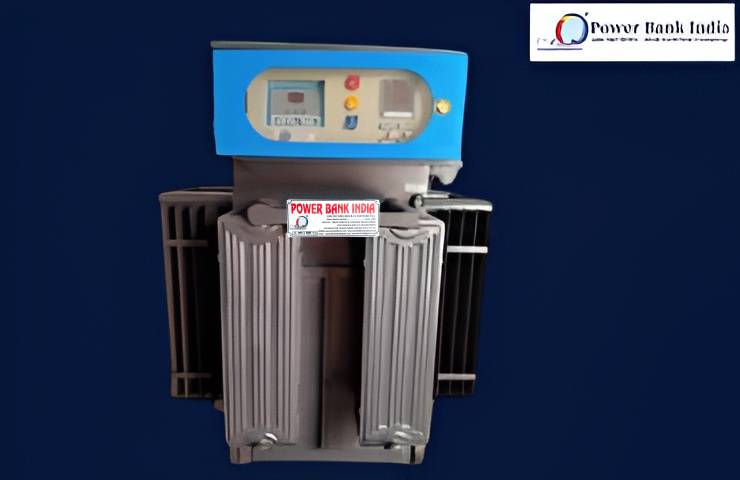
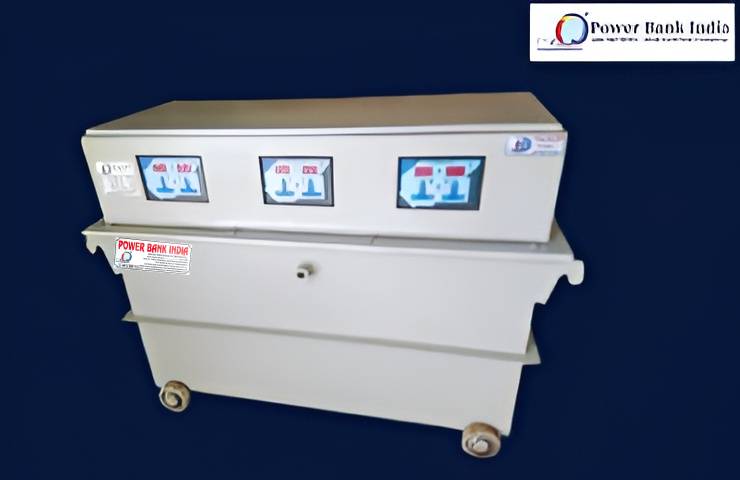
A three phase servo controlled voltage stabilizer is an advanced electrical device designed to maintain a stable voltage supply for three-phase electrical equipment. It automatically corrects fluctuations in the incoming power supply and provides a controlled output voltage to connected machinery. Voltage variations are common in industrial and commercial electrical networks, and they can affect the performance, efficiency, and lifespan of sensitive equipment.
Industries that operate heavy machinery, CNC machines, transformers, production equipment, medical systems, and other three-phase loads often require reliable voltage regulation. A three phase servo controlled voltage stabilizer continuously monitors the input voltage and makes automatic corrections whenever the voltage moves outside the required range.
Why Voltage Stability Is Important for Three Phase Equipment
Three-phase electrical equipment is designed to operate within a specific voltage range. Significant voltage fluctuations can affect motors, electronic components, control systems, and other electrical equipment.
Low voltage can cause motors to draw higher current and may lead to overheating, while high voltage can place additional stress on electrical components. Frequent fluctuations can also contribute to equipment interruptions and reduced operating efficiency.
A properly selected servo stabilizer helps maintain a more consistent voltage level and supports reliable operation of compatible three-phase equipment.
How a Three Phase Servo Stabilizer Works
The working principle of a three phase servo controlled voltage stabilizer is based on continuous voltage sensing and automatic correction. The system monitors the incoming voltage and compares it with the desired output voltage.
When a fluctuation is detected, the control circuit sends a signal to the servo motor. The motor adjusts the position of the regulating mechanism connected to the variable transformer. This changes the voltage according to the correction required.
The basic working process includes:
- Voltage sensing: The input voltage is continuously monitored.
- Voltage comparison: The control system compares the measured voltage with the preset voltage.
- Automatic correction: The servo motor receives a correction signal.
- Voltage adjustment: The variable transformer adjusts the voltage.
- Stable output: The corrected voltage is supplied to the connected load.
Key Components of a Three Phase Servo Stabilizer
A three phase servo voltage stabilizer contains several components that work together to provide automatic voltage regulation.
Servo Motor
The servo motor controls the movement of the voltage adjustment mechanism and makes precise corrections according to signals from the control circuit.
Variable Transformer
The variable transformer changes the voltage according to the required correction and works with the servo mechanism to maintain the desired output.
Control Circuit
The control circuit monitors voltage conditions and controls the servo motor whenever an adjustment is required.
Voltage Sensing System
The voltage sensing system measures electrical conditions and provides information to the control circuit for automatic regulation.
Protection System
Depending on the model, protection systems may include overload, short circuit, overvoltage, undervoltage, and thermal protection.
Important Features of Three Phase Servo Controlled Stabilizers
A modern three phase servo controlled voltage stabilizer can offer various features for industrial and commercial applications.
- Automatic voltage correction
- Continuous voltage monitoring
- Servo motor-based regulation
- Three-phase voltage stabilization
- Automatic voltage adjustment
- Overvoltage protection
- Undervoltage protection
- Overload protection
- Short-circuit protection
- Digital voltage display in selected models
- Efficient voltage regulation
- Availability in different capacities
The actual features depend on the manufacturer, model, capacity, input range, output requirements, and configuration of the stabilizer.
Applications of Three Phase Servo Voltage Stabilizers
Three phase servo controlled voltage stabilizers are used in various industrial and commercial environments where stable voltage is required for electrical equipment.
Manufacturing Industries
Manufacturing facilities often operate multiple machines and electrical systems simultaneously. A stable power supply can support consistent machine operation and help reduce issues caused by voltage fluctuations.
CNC Machines
CNC machines contain electronic control systems and precision components that may require a stable electrical supply. A suitable servo stabilizer can help regulate voltage supplied to compatible CNC equipment.
Textile Industries
Textile production equipment may operate continuously for long periods, making stable voltage important for consistent machine operation and production processes.
Medical Facilities
Hospitals and healthcare facilities use sensitive electrical and electronic equipment, and properly regulated power can support reliable operation of compatible systems.
Industrial Automation
Automated production systems may use controllers, sensors, drives, motors, and other electronic components that can be affected by unsuitable voltage conditions.
Commercial Buildings
Commercial facilities can use three-phase equipment such as HVAC systems, pumps, elevators, and other electrical machinery that may benefit from suitable voltage regulation.
Benefits of Using a Three Phase Servo Stabilizer
Consistent Voltage Regulation
The primary purpose of a servo controlled voltage stabilizer is to automatically correct voltage variations and maintain the output close to the required level.
Support for Equipment Protection
Maintaining suitable voltage can help reduce the effects of certain voltage fluctuations on compatible electrical and electronic equipment.
Improved Equipment Operation
Equipment designed for a particular voltage range can operate more consistently when supplied with an appropriate and regulated voltage.
Reduced Voltage-Related Interruptions
Proper voltage regulation may help reduce operational problems associated with unstable power conditions in suitable applications.
Suitable for Industrial Loads
Three-phase servo stabilizers are available in different capacities, allowing them to be selected for various industrial and commercial electrical loads.
Three Phase Servo Stabilizer vs Conventional Stabilizer
A conventional stabilizer may use fixed switching stages or other voltage regulation methods, whereas a servo controlled voltage stabilizer uses a servo motor-driven mechanism to adjust the voltage.
The servo mechanism allows precise voltage correction depending on the stabilizer's design. This makes servo stabilizers suitable for applications where controlled and accurate voltage regulation is required.
The right technology depends on factors such as the load type, input voltage fluctuations, required output accuracy, capacity, installation environment, and application requirements.
How to Choose the Right Three Phase Servo Stabilizer
Selecting the correct three phase voltage stabilizer requires consideration of several electrical and installation factors.
- Load capacity: Calculate the total connected load and consider suitable operating margins.
- Input voltage range: Check the minimum and maximum voltage available at the installation location.
- Output voltage: Select the required output according to the equipment specifications.
- Load characteristics: Consider motors, compressors, CNC machines, electronic equipment, and other loads.
- Phase configuration: Confirm compatibility with the site's three-phase electrical system.
- Correction speed: Consider the frequency and nature of voltage fluctuations.
- Protection features: Check the available electrical and thermal protection systems.
- Installation environment: Consider ventilation, temperature, dust, humidity, and available space.
Maintenance Requirements for Servo Stabilizers
Regular maintenance can help maintain the reliable operation of a three phase servo stabilizer. Maintenance requirements vary according to the manufacturer's design and recommendations.
Electrical connections should be inspected periodically for loose connections, overheating, or signs of damage. Ventilation openings should be kept clear so that the stabilizer can dissipate heat properly.
The servo motor and other moving components should also be inspected according to the manufacturer's maintenance schedule. Any electrical repair or inspection should be performed by a qualified professional.
Installation Considerations
A servo stabilizer should be installed in a suitable location with adequate ventilation and protection from excessive dust, moisture, and heat. Sufficient space should be provided around the unit for inspection and maintenance.
Proper cable sizing, earthing, circuit protection, and load connections are important for safe and reliable operation. Installation should always follow the manufacturer's specifications and applicable electrical requirements.
Why Proper Stabilizer Capacity Matters
Correct capacity selection is important for the reliable operation of a three phase servo controlled voltage stabilizer. An undersized stabilizer may not be suitable for the connected load, while excessive capacity may increase the overall equipment and installation cost.
Before selecting a stabilizer, the total connected load, motor starting current, input voltage range, load characteristics, and possible future expansion should be considered.
Frequently Asked Questions
1. What is a three phase servo controlled voltage stabilizer?
A three phase servo controlled voltage stabilizer automatically regulates fluctuating three-phase input voltage to provide a controlled output.
2. Where is a three phase servo stabilizer used?
It is commonly used in manufacturing plants, CNC machines, textile industries, automation systems, commercial buildings, and other industrial applications.
3. How does a servo stabilizer regulate voltage?
It uses a voltage sensing and control system to operate a servo motor that adjusts the regulating transformer mechanism.
4. Can a servo stabilizer protect industrial equipment?
A properly selected stabilizer can help reduce the effects of certain voltage fluctuations on compatible industrial equipment.
5. How do I select the capacity of a three phase stabilizer?
Capacity should be selected according to the total load, starting current, input conditions, load type, and future power requirements.
6. Is a servo stabilizer suitable for CNC machines?
Yes, servo stabilizers are commonly considered for CNC applications where controlled voltage is required.
7. Does a servo stabilizer consume electricity?
Yes, it has operating losses and consumes a small amount of power depending on its design, capacity, and efficiency.
8. Why is the input voltage range important?
The input range determines the amount of voltage fluctuation the stabilizer can automatically correct.
9. Does a three phase servo stabilizer require maintenance?
Yes, periodic inspection of electrical connections, ventilation, protection systems, and mechanical components is recommended.
10. What is the difference between single phase and three phase stabilizers?
A single phase stabilizer is designed for single-phase systems, while a three phase stabilizer is designed for three-phase electrical systems.
Conclusion
A three phase servo controlled voltage stabilizer is designed to provide automatic voltage regulation for three-phase electrical systems and is widely used in industrial and commercial applications. By combining voltage sensing, control circuitry, servo motor operation, and transformer-based voltage adjustment, it can automatically respond to changes in incoming voltage.
When choosing a three phase servo stabilizer, factors such as load capacity, input voltage range, output requirements, phase configuration, protection features, and installation conditions should be carefully evaluated. A correctly selected and professionally installed stabilizer can support stable and reliable operation of compatible electrical equipment.
Power Bank India offers solutions for voltage stabilization requirements across different applications, with the appropriate model depending on the specific electrical load and operating conditions.